Carrot Waste Could Be Your Next Oyster Substrate –– Mycelium Protein Beats Soy in Taste Tests

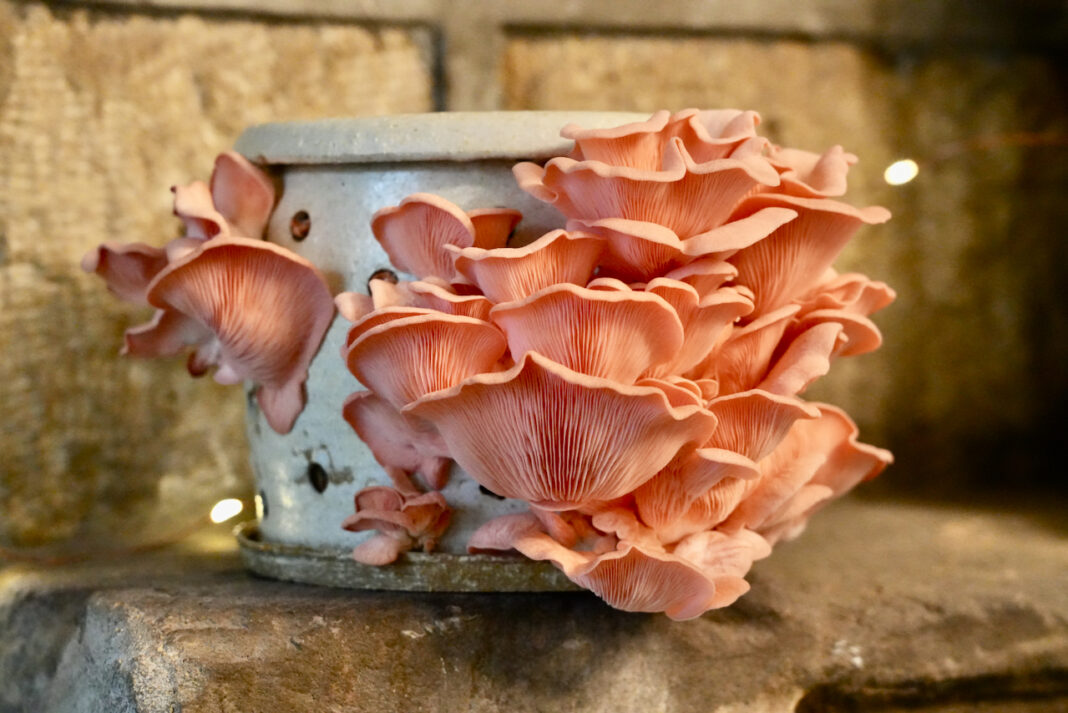
Pink oyset mushrooms via Jack Wallington


If make carrot juice and wonder what to do with all the carrot waste? Maybe turn it into mushrooms? A new study published in ACS’ Journal of Agricultural and Food Chemistry points to a clear opportunity for mushroom growers—commercial and hobby alike: using carrot processing waste as a substrate to grow high-value fungal mycelium for alternative protein.

Researchers investigated whether carrot side streams, generated during the production of natural food colorants, could support edible fungi growth. After screening 106 fungal strains, they identified Pleurotus djamor (pink oyster mushroom) as the most efficient, producing strong biomass growth and high protein content when cultivated on carrot residues.

Rather than growing fruiting bodies, the researchers focused on harvesting mycelium. This approach is especially relevant for growers, as mycelium production typically requires less space, shorter production cycles, and more controlled conditions than traditional mushroom cultivation.
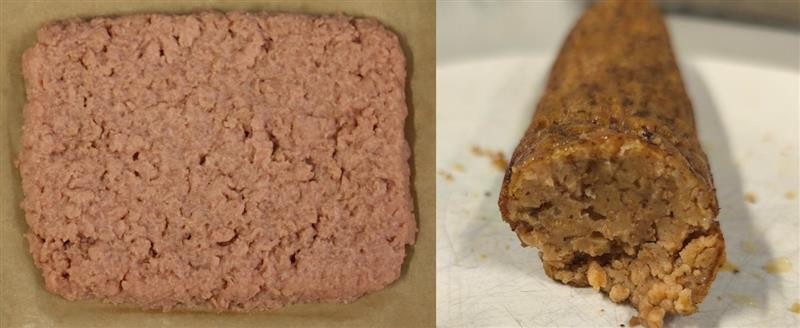
Mushrooms grown on carrot waste

According to the study, the resulting mycelium protein showed biological values comparable to both animal and plant proteins, while remaining low in fat and rich in fiber. As the authors note:

“The biological value of the mycelial protein was comparable to that of animal- and plant-based proteins.”

To test market potential, the mycelium was incorporated into vegan patties and sausages. In blind taste tests, participants consistently preferred products made with 100% mycelium over soy-based alternatives, citing better taste and aroma.

Related: How to make mushroom paper

The researchers emphasize the broader implications for sustainable food production: “Utilizing side streams as substrate for mycelium production reduces environmental impact while adding value and supports food security.”

For mushroom growers, this research highlights a scalable, circular model: low-cost or discarded vegetable side streams become feedstock for a premium protein ingredient. It opens the door to partnerships with food processors, diversification beyond fresh mushroom sales, and entry into the fast-growing alternative protein market—without requiring entirely new cultivation expertise.

As demand rises for sustainable proteins that perform well on taste, mycelium grown on agricultural side streams may offer growers a rare combination of efficiency, profitability, and environmental benefit.


LEAVE A REPLY

Please enter your comment!
Please enter your name here

Hot this week

Fishermen sue tire manufacturers on behalf of the salmon

A federal trial in San Francisco has brought US tire manufacturers, fishing groups, and environmental scientists into court over a chemical most drivers have never heard of — but which scientists say may be silently reshaping aquatic ecosystems.

Listening to Water: Tarek Atoui’s Next Work for Tate Modern

Born in Beirut, Lebanon in 1980 and now living in Paris, Atoui has spent years building instruments that don’t sit comfortably in concert halls. Many of them involve water, glass, and ceramics — materials that react to sound instead of simply producing it.

Leading Through a Dual-Energy Transition: Balancing Decarbonisation with Energy Security

Experience in one area of the energy industry isn't enough to guarantee readiness across all the others. That's where a structured program like an MBA in energy can come in. Today's advanced curricula explore energy economics, finance, policy, and strategic management alongside the technical subjects. And when pursuing an energy MBA online, professionals can skill up and retrain without having to step out of the labor market -- an important perk at a time when skilled professionals are already in short supply.

From Green Energy to Healthy Societies: Why old systems thinking is becoming relevant again

Across the Middle East and North Africa, large investments are being made in green hydrogen, renewable energy, water infrastructure and sustainability. Most of these efforts are discussed in the context of climate change, decarbonization and economic diversification. That framing is important, but it may not capture their full value.

We saw peace – an interreligious encounter deep in our eyes

They came from Israel, Palestine, Jordan, Iraq, Yemen, Morocco, Tunisia, Lebanon, Egypt… There are Sunni Muslims, Shiite Muslims, Jews (Orthodox and Reform), Orthodox Christians, Coptic Christians, Protestant Christians, Druze, Baha'is, a Scientologist.

Topics

Fishermen sue tire manufacturers on behalf of the salmon

A federal trial in San Francisco has brought US tire manufacturers, fishing groups, and environmental scientists into court over a chemical most drivers have never heard of — but which scientists say may be silently reshaping aquatic ecosystems.

Listening to Water: Tarek Atoui’s Next Work for Tate Modern

Born in Beirut, Lebanon in 1980 and now living in Paris, Atoui has spent years building instruments that don’t sit comfortably in concert halls. Many of them involve water, glass, and ceramics — materials that react to sound instead of simply producing it.

Leading Through a Dual-Energy Transition: Balancing Decarbonisation with Energy Security

Experience in one area of the energy industry isn't enough to guarantee readiness across all the others. That's where a structured program like an MBA in energy can come in. Today's advanced curricula explore energy economics, finance, policy, and strategic management alongside the technical subjects. And when pursuing an energy MBA online, professionals can skill up and retrain without having to step out of the labor market -- an important perk at a time when skilled professionals are already in short supply.

From Green Energy to Healthy Societies: Why old systems thinking is becoming relevant again

Across the Middle East and North Africa, large investments are being made in green hydrogen, renewable energy, water infrastructure and sustainability. Most of these efforts are discussed in the context of climate change, decarbonization and economic diversification. That framing is important, but it may not capture their full value.

We saw peace – an interreligious encounter deep in our eyes

They came from Israel, Palestine, Jordan, Iraq, Yemen, Morocco, Tunisia, Lebanon, Egypt… There are Sunni Muslims, Shiite Muslims, Jews (Orthodox and Reform), Orthodox Christians, Coptic Christians, Protestant Christians, Druze, Baha'is, a Scientologist.

Can biochar reduce ‘Forever Chemicals’ in food if it’s used in farms?

Biochar is produced by heating organic material in a low-oxygen environment so it does not burn. This process, known as pyrolysis, transforms plant matter into a stable, carbon-rich material.

In The Dark Review – An Immersive Music Experience in Total Darkness at St Andrew Holborn

In complete darkness, inside the holy space of St Andrew Holborn, listening begins to feel like a form of prayer. With no light and no distraction, sound fills the church and holds the room. For an hour, attention itself becomes the shared act.

How Quality of Hire Shapes Modern Recruitment

A 2024 survey by Deloitte found that 76% of talent leaders now consider long-term retention and workforce contribution among their most important hiring success metrics—far surpassing time-to-fill or cost-per-hire. As the expectations for new hires deepen, companies must also confront the inherent challenges in redefining and accurately measuring hiring quality.

Related Articles

Popular Categories