

They’re Ready for the Coldest Winters and the Hottest Deserts
For years, heat pumps have sat on the sidelines of the clean-energy conversation in the United States. They were viewed as efficient, yes, but only if you lived somewhere with mild winters and predictable weather. For people in Minnesota, Maine, or the Rocky Mountain states in America or Canada, a heat pump was still considered too risky when temperatures plunged. This is despite seeing them as a mainstream addition to any home and factory in the very cold climate of Finland when Green Prophet was on a sponsored cleantech tour 15 years ago.
But 2025 is the year that equation changes. Advances in cold-climate performance, breakthroughs in commercial-scale systems, and real-world applications from Helsinki to New England show that heat pumps are no longer niche technology. They’re becoming central infrastructure for a low-carbon future.
Related: The most popular heat systems in the United States
One of the biggest barriers to wide adoption has always been the cold. Traditional air-source heat pumps lose efficiency when temperatures fall below freezing, forcing backup heat sources to kick in. That isn’t just inconvenient — it erases the energy savings that make heat pumps attractive in the first place.
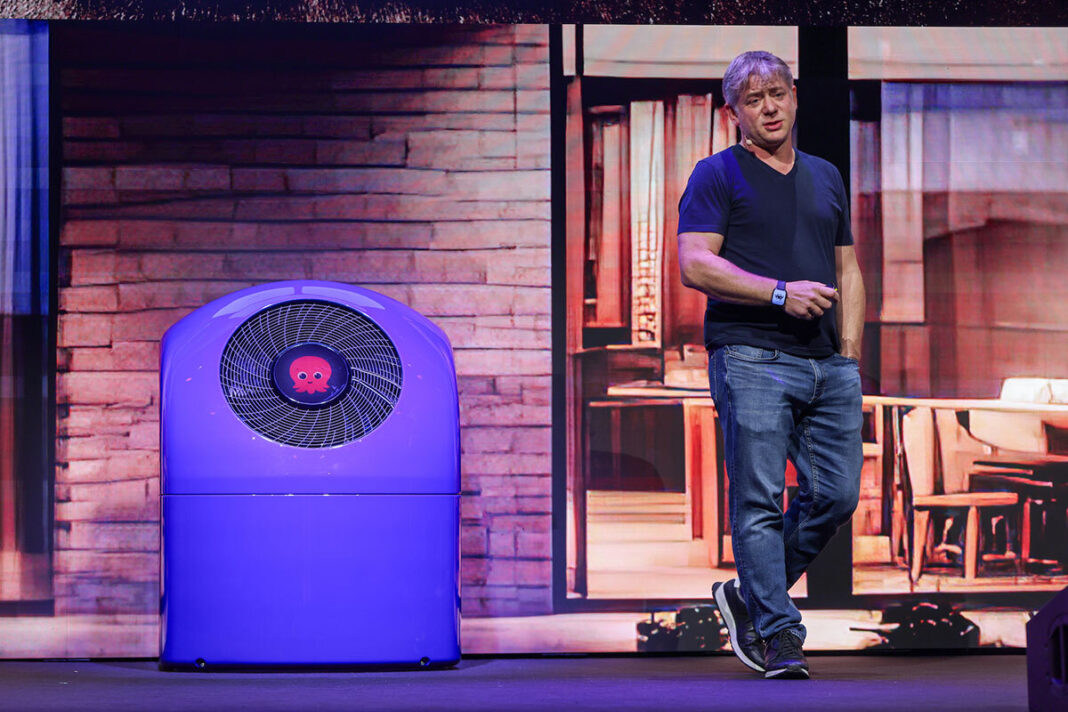
This winter, LG unveiled a new cold-climate heat pump that directly answers this problem. The system recently won a 2025 innovation award after real-world testing showed reliable heating even in extreme low temperatures. LG is now coordinating a global consortium to test heat-pump designs across every climate zone — from Alaska to Norway to Saudi Arabia — accelerating research on defrosting cycles, refrigerants, and compressor efficiency.
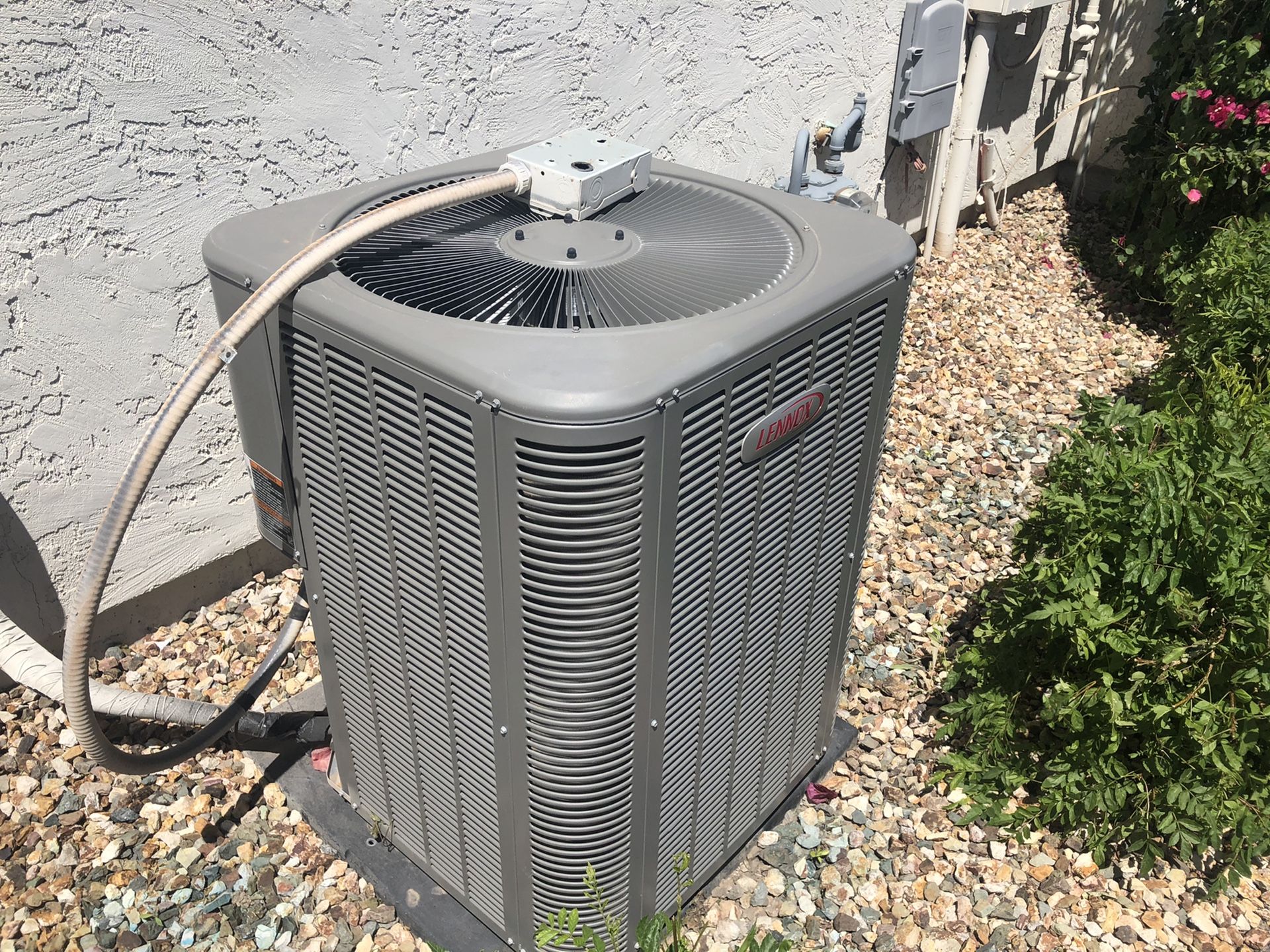
On the commercial side, Lennox (NYSE:LII) became the first HVAC manufacturer to complete validation under the US Department of Energy’s Cold Climate Heat Pump Technology Challenge. Their 15 to 25 ton rooftop system solves long-standing defrost issues in large buildings and makes it possible for offices, schools, and municipal buildings to electrify heating without sacrificing performance.
Heat pumps don’t create heat — they move it. In winter they pull warmth from the air or ground and bring it indoors, and in summer they reverse the cycle to cool. By shifting heat instead of burning fuel, heat pumps use significantly less energy than conventional HVAC systems.These breakthroughs do more than lower emissions. They reduce fear. For millions of Americans living in cold northern states, fear has been the single biggest barrier to switching away from oil or gas furnaces.
A $450 Million Experiment in New England
The New England Heat Pump Accelerator — a regional, multi-state initiative — has committed $450 million to expand heat-pump deployment in one of America’s coldest, oldest housing markets. The goal is straightforward: replace fossil-fuel heating with high-efficiency electric systems in places historically dependent on heating oil. This is important to note because the Trump Administration killed federal heat pump incentives, believing it should place the onus on the state.
New England’s housing stock is notoriously challenging. The region has large numbers of drafty, pre-1970 homes, old radiators, and limited ductwork. But with new cold-climate systems, these obstacles are no longer deal-breakers. Maine and Vermont have already reported tens of thousands of successful installations in homes once considered unsuitable.
Green Prophet readers may recall our coverage of Helsinki’s bold experiment: using heat pumps to recycle waste heat from data centers under a church, turning server heat into city-wide district heating. Instead of dumping excess heat into the Baltic Sea, those data centers now feed a clean-energy loop that warms data servers and Finns use heat pumps to warm their homes.

This model is spreading. As US cities debate how to meet climate targets while accommodating explosive growth in cloud computing and AI infrastructure, the idea of using heat pumps to reclaim and recirculate server waste heat is gaining attention. It closes a loop that the fossil-fuel economy never could.
According to the International Energy Agency, heat-pumping technologies could meet nearly 40% of global space-heating demand by 2035. The IEA calls them “central to future decarbonization,” primarily because they displace oil, propane, and natural gas — fuels with some of the highest household carbon footprints.
When paired with renewable electricity, heat pumps can reduce home heating emissions by 50–70%, and in some regions, more.
According to the IEA heat pumps are increasingly recognised as a critical technology for heat decarbonisation, receiving focused policy support in several countries over the past years. In 2023 global sales of heat pumps decreased by 3%, after two consecutive years of double digit-growth, amid high interest rates and inflation in most major heating markets.
However heat pumps still meet only around 10% of the global heating need in buildings. To get on track with the Net Zero Emissions by 2050 (NZE) Scenario, the global heat pump stock would need to almost triple by 2030, to cover at least 20% of global heating needs. Further policy support and technical innovation are also required, particularly to reduce upfront costs, and to remove market barriers to renovations.
Heat pumps for hot desert climates like the Middle East?
While cold climates dominate the headlines, heat pumps may have an equally transformative role in the world’s hottest regions. New inverter-driven systems can cool efficiently even when outdoor temperatures soar past 45°C (113°F). In desert climates like Riyadh or Dubai, heat pumps can replace energy-hungry air conditioners and inefficient electric resistance heaters. Because they operate on a reversible cycle, a single unit cools during extreme heat and provides efficient heating during rare cold spells — a dual benefit for regions facing widening temperature swings from climate change. (It does get cold in hot desert climates).
And unlike older AC units that can only plug into a socket, modern heat pumps can run on renewable energy, including rooftop solar if you are connected to the gird or off the grid. For countries such as the UAE, Jordan, or Israel, this technology reduces grid stress and curbs reliance on fossil-fuel plants.
How much does a heat pump cost?
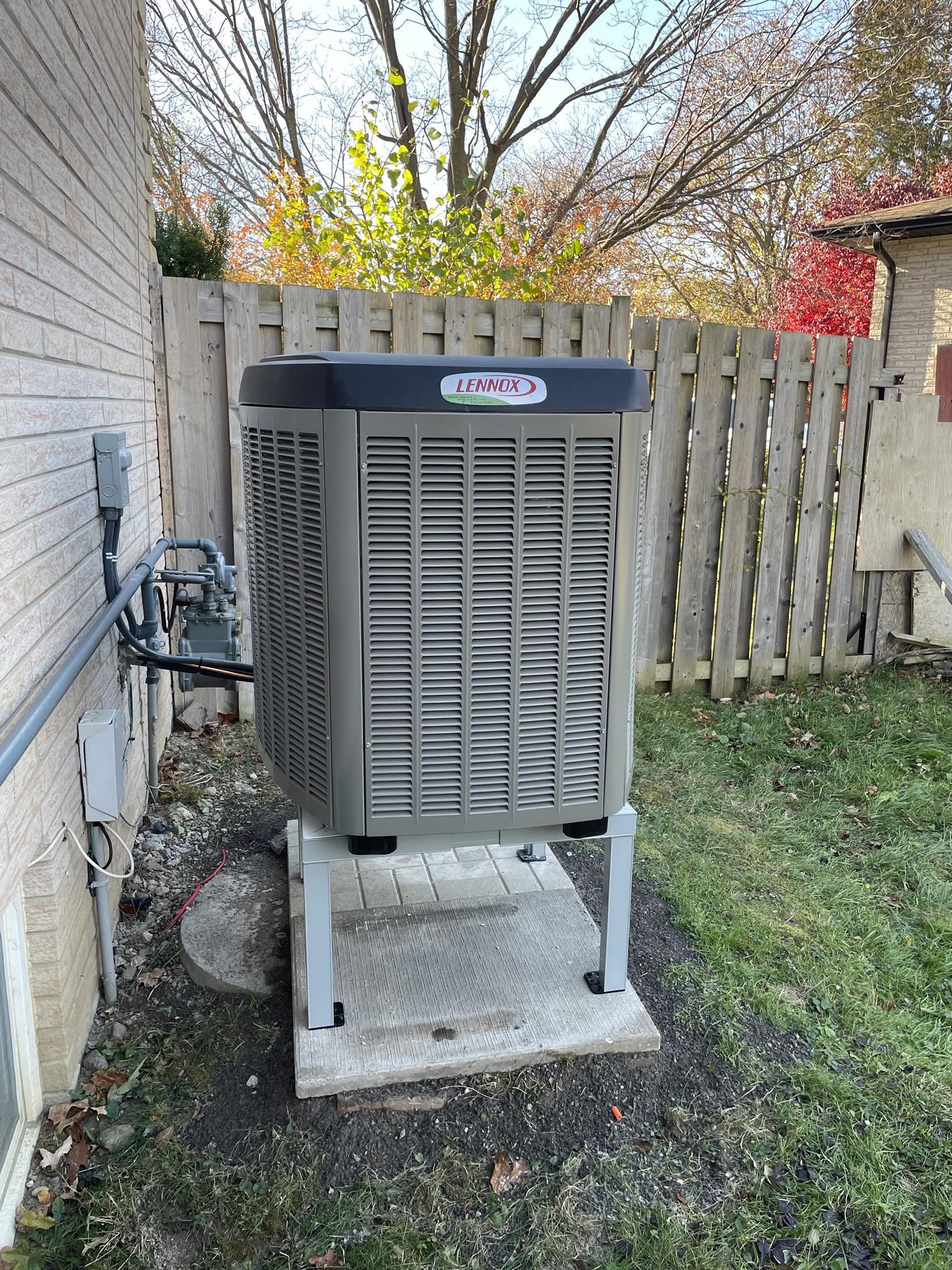
In the US, a residential cold-climate heat pump generally costs $8,000–$15,000 installed, with substantial incentives available through federal programs and state rebates. Meanwhile, ground-source (geothermal) systems cost more upfront but offer unmatched efficiency in both hot and cold climates.
The US federal tax credit of up to $2,000 for heat pumps remains available through 2025, and several states offer rebates of $1,000–$10,000, depending on income. This is an important incentives model for other countries around the world to follow, much like the home-owner feed-in tariffs for solar energy.
Heat pumps have crossed a threshold — technically, culturally, and economically. They’re no longer a futuristic alternative to furnaces and air conditioners. They’re becoming the backbone of a new heating and cooling economy that works in Helsinki’s blizzards, New England’s old homes, Arizona’s deserts, and even the dense data centers powering the AI revolution.