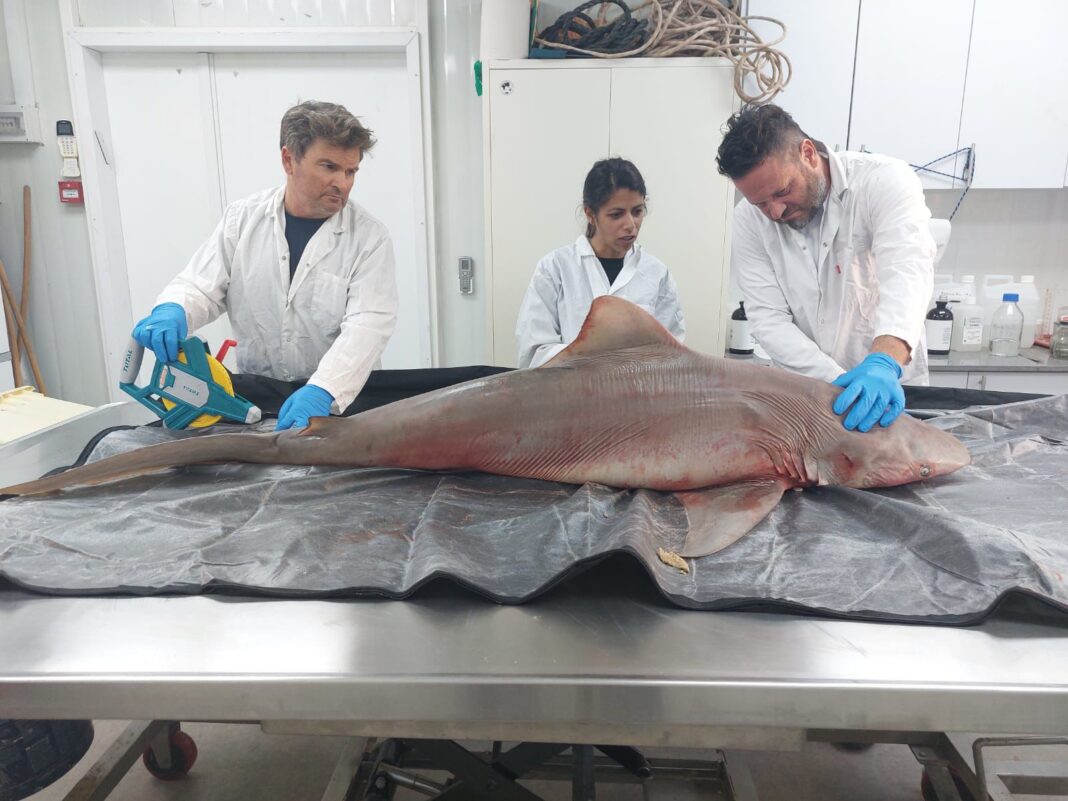


If you’ve ever picked up plastic on a beach cleanup, you may have held more than trash in your hands. A new study shows microplastics are rapidly colonized by pathogenic and antimicrobial-resistant bacteria — turning tiny plastic pellets, wrappers and bottles littering the beach into traveling vehicles for disease.
RELATED: microplastics in plastic orthodontics aligners
Microplastics — plastic fragments under 5 mm — now blanket every part of the planet. They are in plastic aligners used in orthodontics, and are in the air we breath. More than 125 trillion pieces drift through the ocean, with more found in rivers, soils, animals, and even the human body.
But scientists tell Green Prophet that the danger isn’t just the plastic itself: it’s the Plastisphere, the microbial biofilm that forms on each particle.
A team led by Dr. Emily Stevenson (Plymouth Marine Laboratory & University of Exeter) sent us a new study saying that they found that microplastics in real environmental conditions, from hospital wastewater to coastal waters, carry pathogens and antimicrobial-resistant (AMR) bacteria at every stage of their journey.
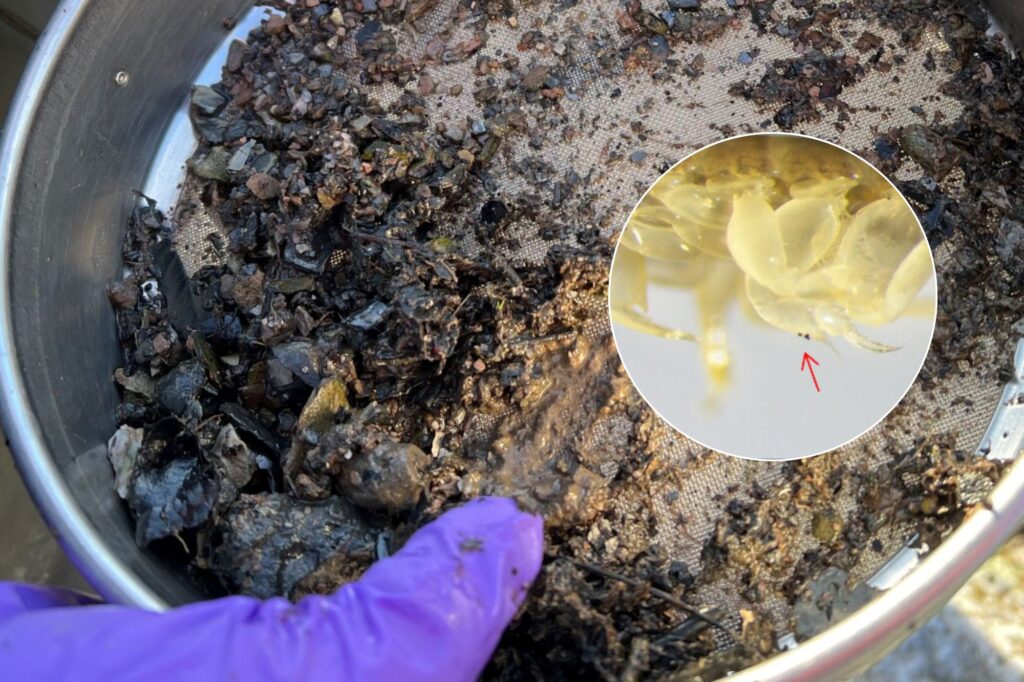
Their study, Sewers to Seas, tested five substrates — bio-beads, nurdles, polystyrene, wood, and glass — placed along a waterway flowing from high-pollution zones toward the sea. After two months, metagenomic analysis revealed: Pathogens and AMR bacteria were found on all plastics, at all sites.
What they found as data
- Polystyrene and nurdles posed the highest AMR risk, likely due to their ability to absorb antibiotics and promote biofilm growth.
- Over 100 unique AMR gene sequences were found on microplastic biofilms — far more than on natural materials like wood.
- Some pathogens became more abundant downstream, riding microplastics from sewage outflows toward beaches.
- Environmental conditions strongly shaped bacterial communities and AMR prevalence.
- Microplastics near aquaculture sites may pose biosecurity risks for shellfish and filter feeders.
Each microplastic particle can act as a miniature, mobile petri dish, transporting superbugs from hospital wastewater to swimming beaches and seafood beds.
“This study highlights the pathogenic and AMR risk posed by microplastics littering our oceans and coasts,” said Dr. Stevenson. “We strongly recommend volunteers wear gloves during beach cleanups and wash hands afterward.”
Prof. Pennie Lindeque added that microplastics “act as carriers for antimicrobial-resistant bacteria, enhancing their survival and spread… each particle becomes a tiny vehicle capable of transporting pathogens from sewage works to beaches, swimming areas and shellfish-growing sites.”
Senior Lecturer Dr. Aimee Murray concluded: “Microplastics aren’t just an environmental issue — they may be spreading antimicrobial resistance.”
The big picture
As microplastics continue to accumulate globally, researchers warn the Plastisphere could worsen the spread of superbugs. The study calls for: better waste management, stronger monitoring of microplastic pathways, urgent reductions in plastic discharge and an integrated strategies across wastewater, healthcare, and marine policy.