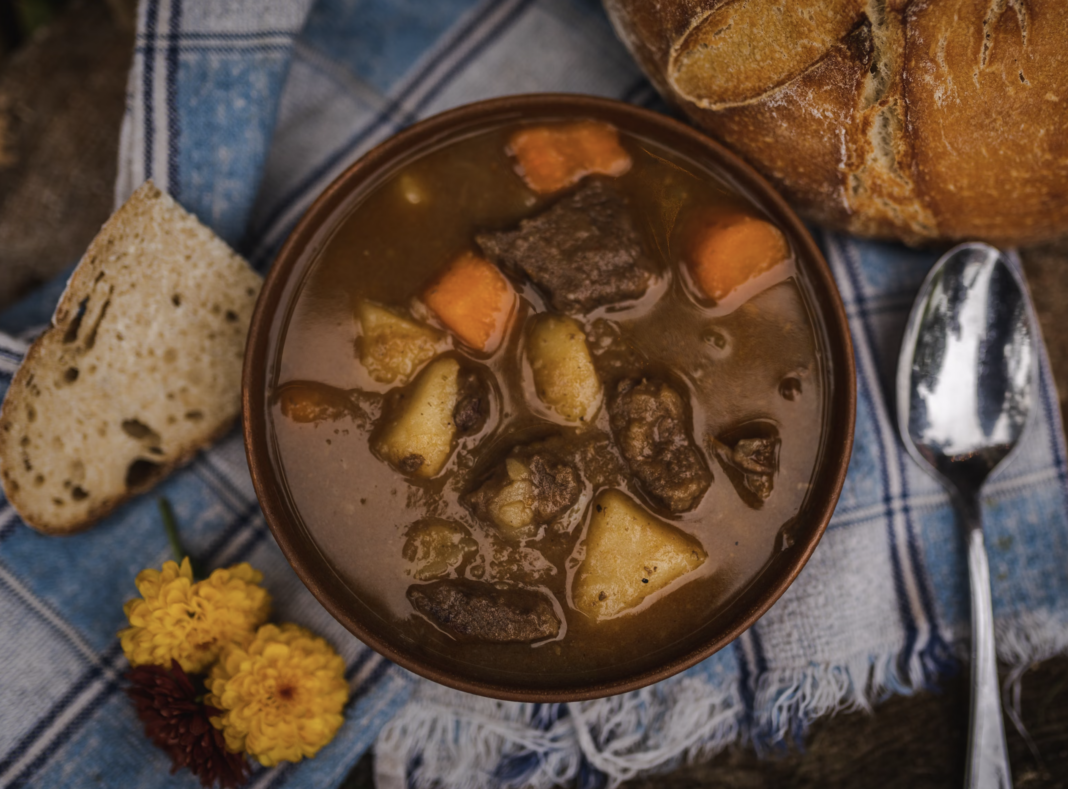

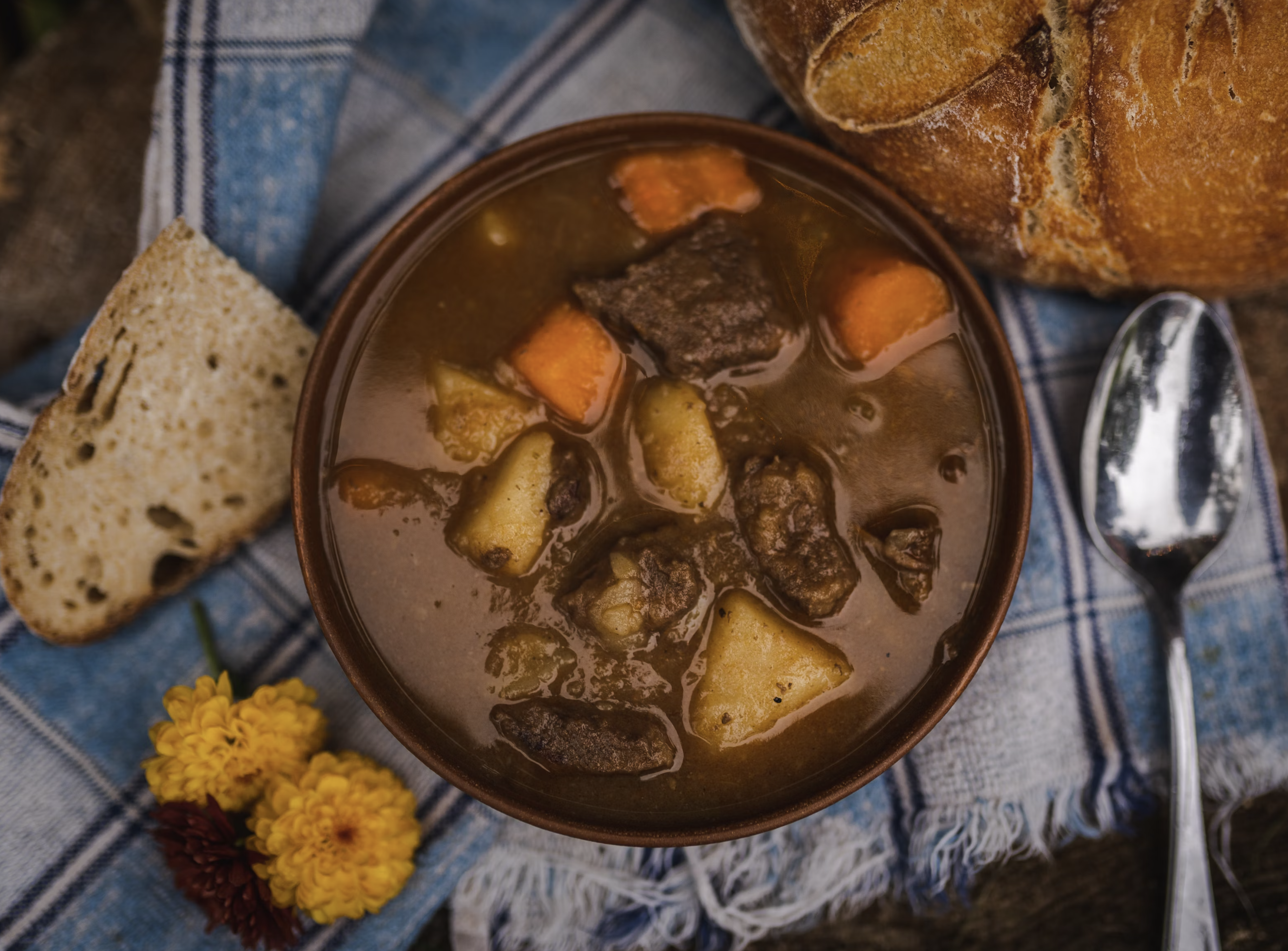
Could one pot of stew last for decades—or even a century? Cooks in several traditions say yes. The idea behind a perpetual stew is simple: a pot of broth or stew is served, replenished, and carefully maintained so that its base is never completely replaced. In Chinese kitchens, a related practice is the master stock used to braise meats; some restaurants claim to have maintained the same stock—continuously refreshed—for generations. The value isn’t mystical; it’s about disciplined food safety and the remarkable flavors that develop when a broth is nurtured over time.
Long-lived stews and master stocks depend on strict routines. The liquid is brought to a full rolling boil at least once every 24 hours, then strained to remove perishables that could spoil, topped up with fresh water or stock, and rapidly cooled. In modern kitchens the pot is refrigerated between boils. If the liquid is neglected, turns sour, or shows off odors, it must be discarded. When the cycle is respected, the result is a stable, intensely flavored broth that can be maintained for years.
Why this tradition is sustainable?
Perpetual stews minimize waste by turning bones, trimmings, and leftovers into nourishment instead of landfill. Energy use can also be efficient when the stock is heated alongside other cooking. The method encourages seasonal, local eating: whatever is fresh—greens, grains, legumes, or scraps from the day’s prep—can go in, keeping the pot aligned with what’s available and affordable.
Perpetual stews sit comfortably in the wider world of fermentation—another time-tested way to coax nutrition and flavor from simple ingredients. For deeper context, see our conversation with fermentation pioneer Sandor Katz, “a conversation about fermentation for the future”, and our early review of his classic, Wild Fermentation. Fermentation know-how pervades everyday foods: from homemade kombucha and the rise of hard kombucha to naturally leavened breads like the sourdough starter you can culture on your counter and the pragmatic schedule that keeps it alive.
In our region, bread and ferments are living heritage. Explore Levant and Persian traditions in Middle Eastern bread, meet bakers reviving landraces in ancient wheat sourdough, and geek out with archaeology in Egyptian yeast revived after 5,000 years. For the health angle, see how fermented foods can support your gut and how certain probiotics may even influence sleep. Curious about culture and faith? We’ve covered questions like whether kombucha is halal, and you can browse many more stories in our fermentation archive and the broader Food section.
Perpetual stew vs. fermented foods

But, perpetual stew isn’t fermentation; it’s a cooked, frequently reboiled system designed to remain safe through heat, hygiene, and refreshment. Fermentation relies on beneficial microbes to transform raw ingredients at cool temperatures. Both methods extend shelf life, reduce waste, and build flavor, but they operate on different principles. In a sustainable kitchen they complement each other: fermented vegetables, breads, and drinks provide live cultures and bright acidity, while a master stock adds savory depth and turns scraps into meals.
If you want to try this at home for a week or more, keep the process simple and consistent. Start with a clean pot and a base of bones or vegetable trimmings, simmer gently to extract flavor, strain, and cool. Each day, bring the stock to a rolling boil for several minutes, skim, add fresh aromatics and water to restore volume, strain if needed, and refrigerate promptly. Use the broth to poach beans and grains, braise vegetables, or fortify stews; return the remaining liquid to the pot and repeat. If anything smells off, don’t take chances—compost it and start over.
Century-old master stocks are best thought of as a continuous practice rather than a single unchanged liquid. The flavor “memory” persists because yesterday’s molecules mingle with today’s additions, but safety depends on today’s boil, today’s strain, and today’s cooling. The concept echoes fermentation’s long arc through food and even technology—think of early bioprocess breakthroughs like Chaim Weizmann’s acetone-butanol fermentation—reminding us that microbes and time are powerful allies when we work with them responsibly.