

I’m always floored when architecture transcends gimmicks and becomes a force for good—design that’s not just beautiful, but meaningful, sustainable, and deeply rooted in community. That’s exactly why the winners of the 2025 Aga Khan Award for Architecture deserve our applause and attention.
On September 2 in Bishkek, Kyrgyz Republic, the independent Master Jury unveiled seven inspiring winners from the 2023–2025 cycle. Spread across Bangladesh, China, Egypt, Iran, and Pakistan, these projects blend climate adaptation, cultural preservation, education, and inclusive design—all powered by architecture’s quiet optimism. Collectively, they share a $1 million prize, but each brings its own vision of resilience and sustainability.
Let’s dive in to meet a few projects we love
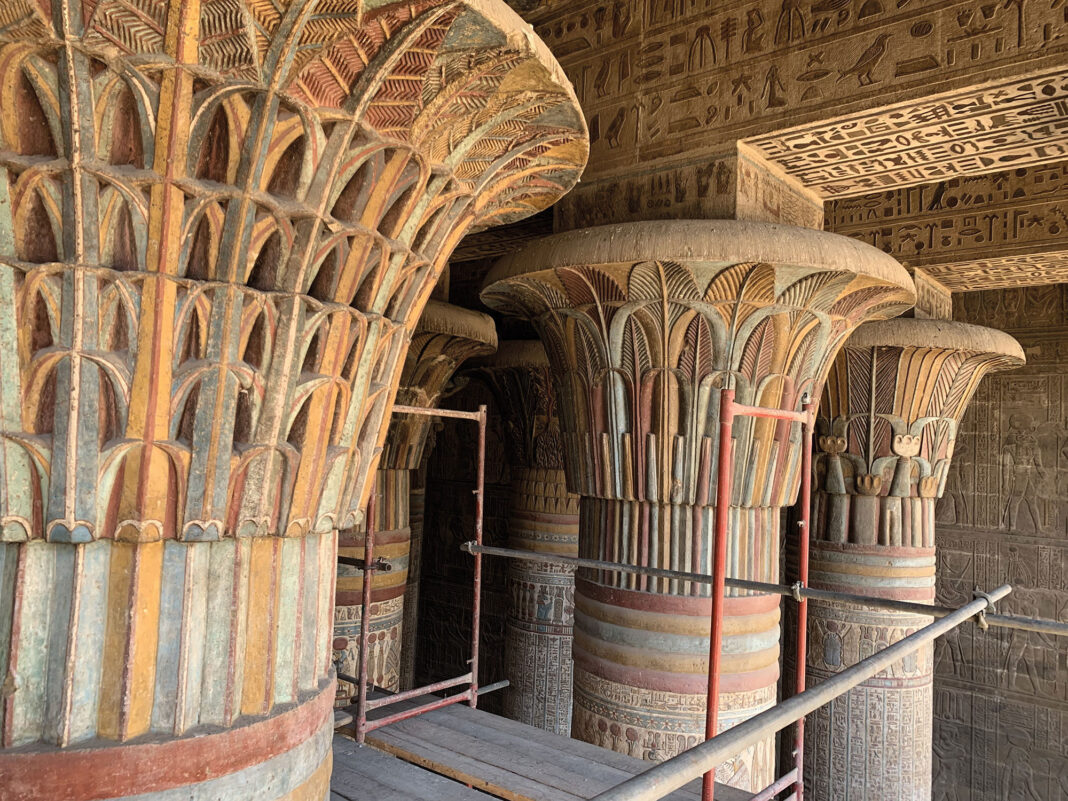
Egypt – Revitalisation of Historic Esna
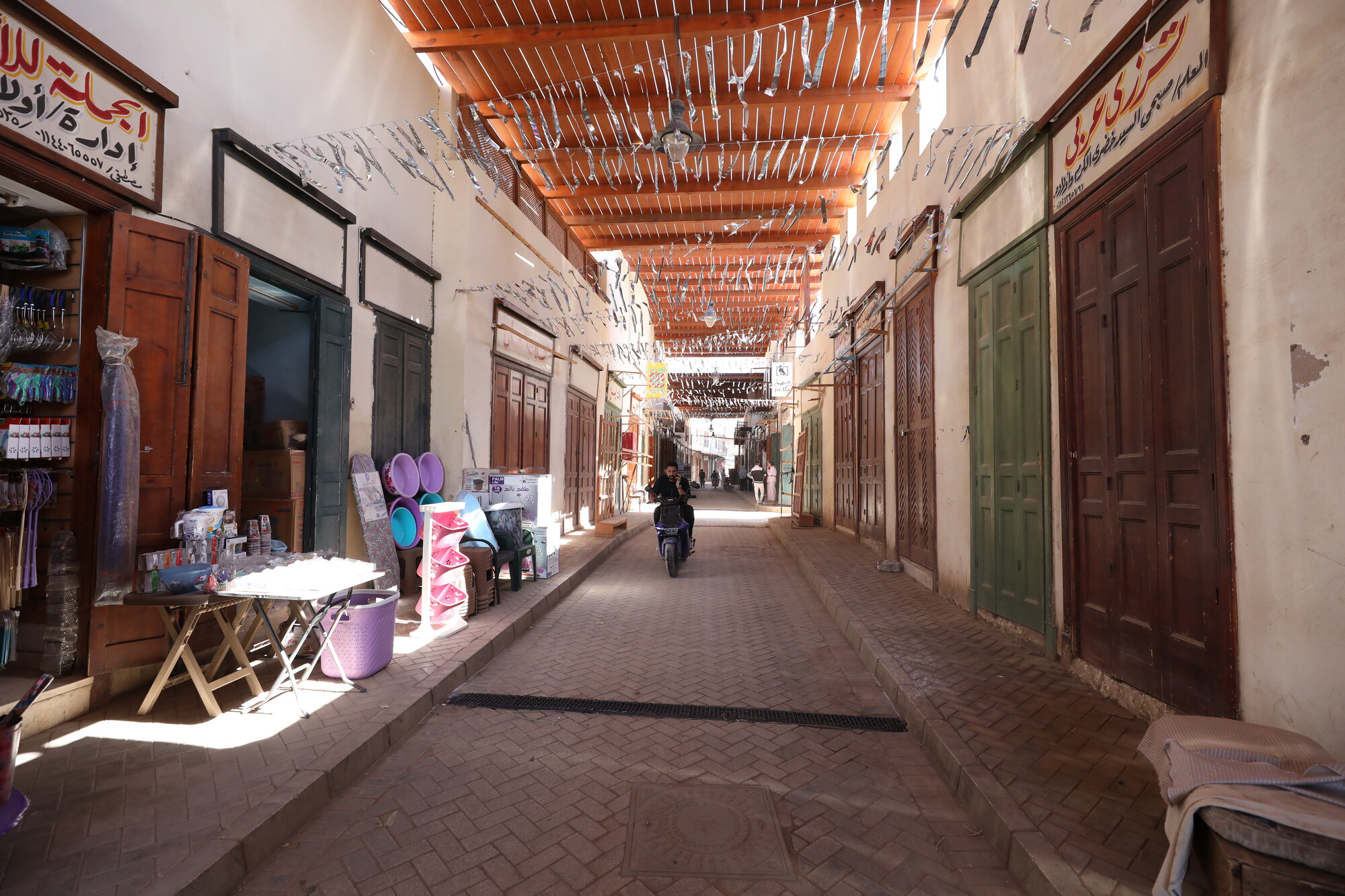
Once overlooked, Esna is now buzzing with restored architecture, cultural tourism, and grassroots economic life. A delicate balance of urban strategy and heritage preservation, showing how cities can heal through design.
Iran – Majara Residence & Community Redevelopment
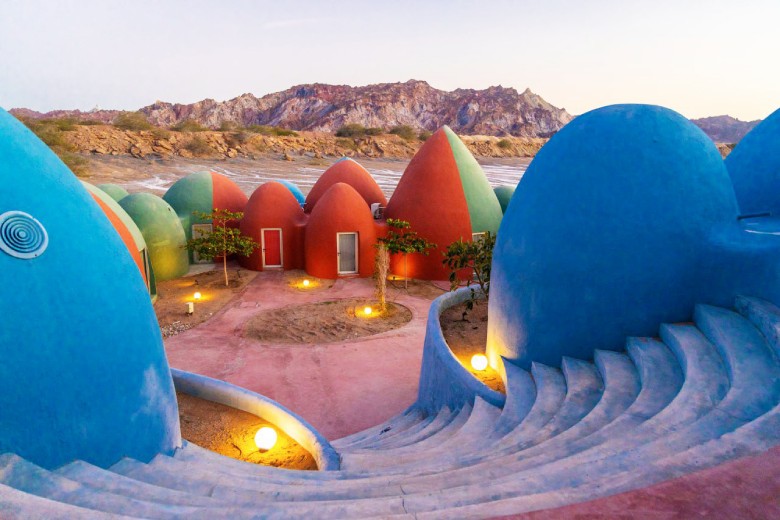
Hormuz Island’s distinctive ochre hills inspired domed lodgings that merge with the rainbow landscape. The playful, vibrant pods build local tourism sustainably—keeping architecture poetic and place-based. Green Prophet’s architect writer and architect says the award is not justified for the Majara Residence which was built without environmental oversight and too close to the shore.
Iran – Jahad Metro Plaza, Tehran
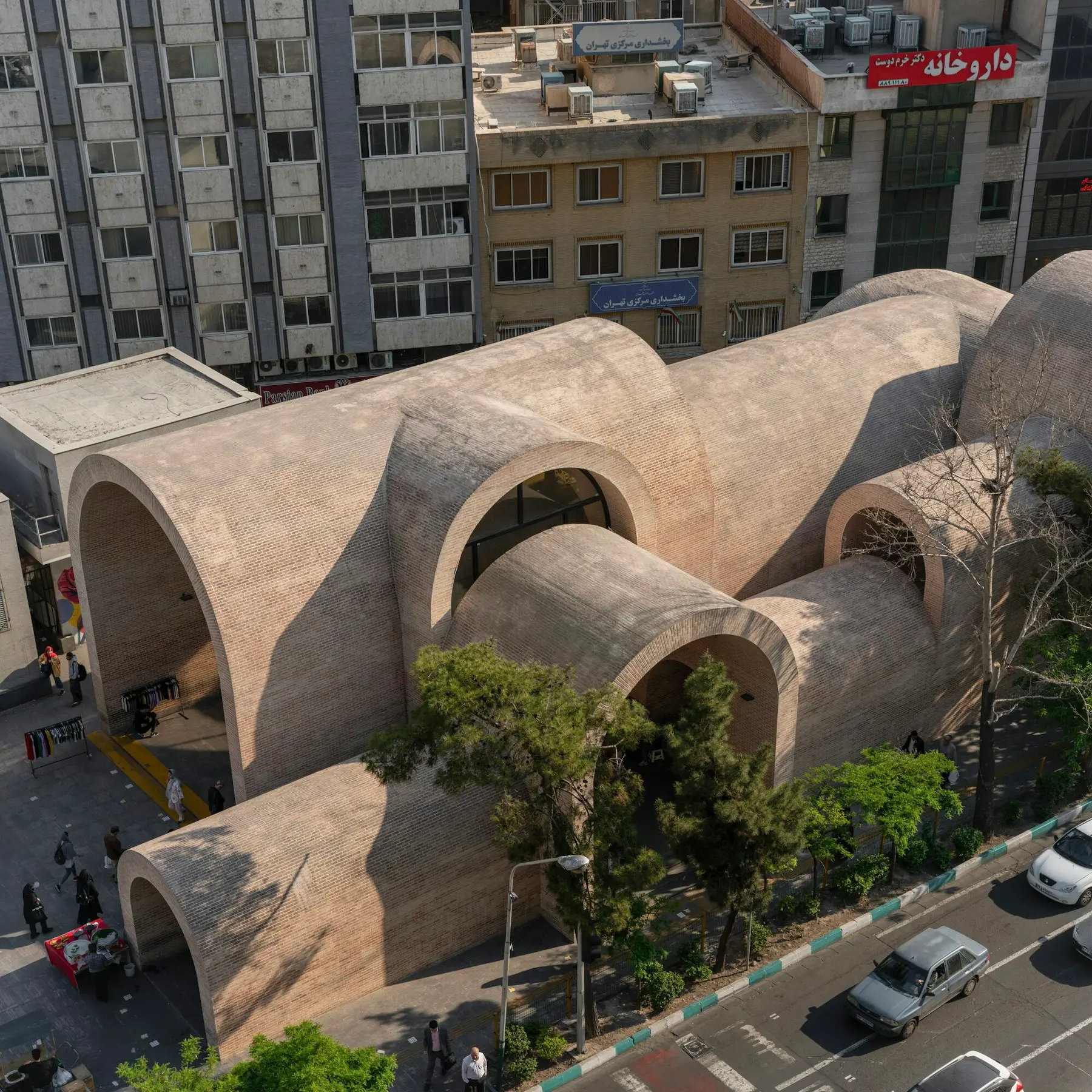
An old metro station has been reborn as a bustling pedestrian hub. The design honors Iran’s architectural DNA with handmade bricks, tying heritage and urban renewal into one warm, textural monument.
Why These Projects Matter for Sustainability
What unites these winners is more than materials and design—it’s a shared commitment to building systems that last, uplift, and connect. From modular flood-ready homes in Bangladesh to cultural revival in Esna, each project shows how architecture can foster resilience—socially, environmentally, and psychologically.
As Prince Rahim Aga Khan put it, the Award aims to “plant seeds of optimism—quiet acts of resilience that grow into spaces of belonging, where the future may thrive in dignity and hope.” And Farrokh Derakhshani reminds us: “Architecture … can—and must—be a catalyst for hope, shaping not only the spaces we inhabit but the futures we imagine.”
The Aga Khan is the hereditary title held by the spiritual leader, or Imam, of the Shia Imami Ismaili Muslims, a branch of Shia Islam. Today, the title is held by His Highness Prince Shah Karim al-Husseini, Aga Khan IV, who has led the Ismaili community since 1957. The position is both religious and philanthropic—the Aga Khan guides the faith of millions of Ismaili Muslims worldwide while also running one of the world’s largest private development networks: the Aga Khan Development Network (AKDN).