She turns Jordan’s onions and olives into fashion

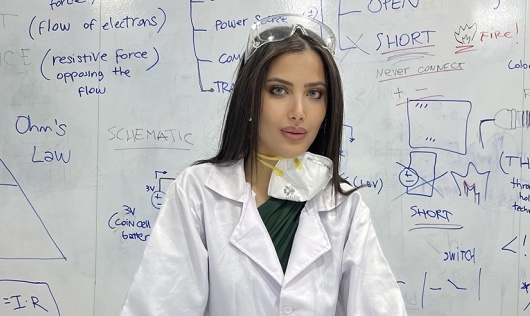
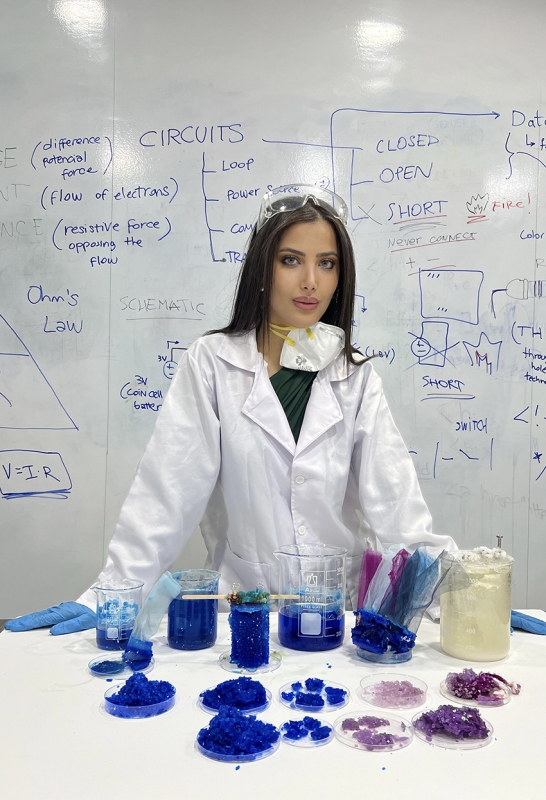
Designer Batoul Al-Rashdan, an engineer from Jordan, creates plant-based materials, which she turns into clothes and accessories. Via Batoul Al-Rashdan (UNEP) When Jordanian designer Batoul Al-Rashdan tells people she makes clothes out of ground olives and onion peels, she gets more than a few raised eyebrows. “It’s definitely a conversation starter,” laughs the founder of Jordanian fashion house Studio BOR.

Related: Stella McCartney creates shoes from cinnamon

“But once people learn more about it, they are like, ‘Okay, interesting.’”Al-Rashdan’s plant-based dresses, bags, and accessories have walked runways from Paris to Dubai and earned her a string of awards. Unlike the synthetic textiles that clog landfills for decades, her creations are designed to decay. “These clothes are not meant to last forever,” she says.

“They have served their purpose. It’s okay for them to go away.”
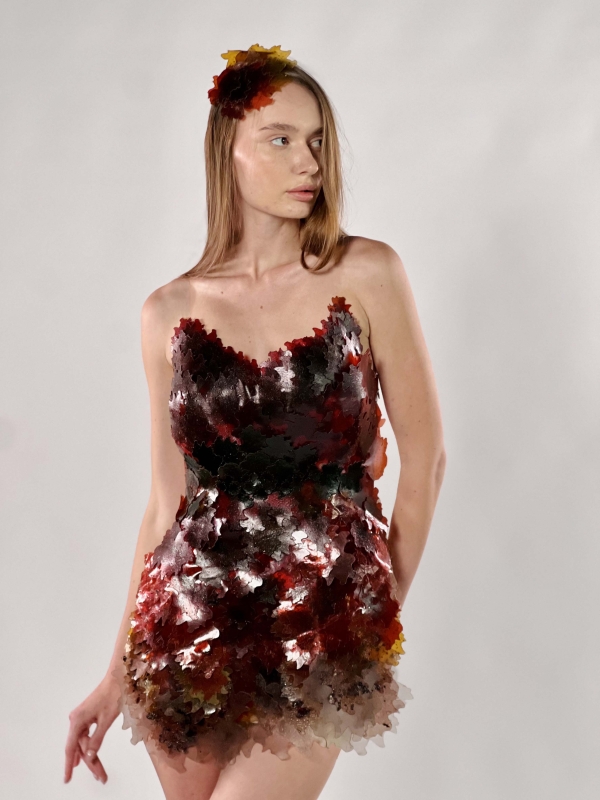
Designer Batoul Al-Rashdan, a trained engineer, creates plant-based materials, which she turns into clothes and accessories. Via Batoul Al-Rashdan (UNEP)An architectural engineer by training, Al-Rashdan began experimenting with plant-based textiles in 2015. She learned to transform food waste—like beetroot skins, olive pulp, and onion peels—into biodegradable materials. Some are fed into a 3D printer to make handbags, coins, and jewelry; others are spun into fabrics for high-fashion dresses.

“Iris of the sea” ? a 3D-printed dress from biodegradable material inspired by the breathtaking contours of the Dead Sea’s crystalline formations and Jordan’s national symbol, the Black Iris. ??? The Black Iris, a rare and endangered flower, thrives against the harsh desert environment, representing resilience and beauty amidst adversity. As environmental degradation threatens both the unique mineral landscape of the Dead Sea and the delicate ecosystems where the Black Iris blooms, this piece serves as a powerful reminder of nature’s fragility. ? Let’s work together to preserve these natural treasures for future generations.
“Iris of the sea” ? a 3D-printed dress from biodegradable material inspired by the breathtaking contours of the Dead Sea’s crystalline formations and Jordan’s national symbol, the Black Iris. 

One standout piece: a collaboration with designer Tony Ward on a wispy, biodegradable gown that debuted at Paris Haute Couture Fashion Week.

Every year, the fashion industry produces 92 million tonnes of textile waste—the equivalent of a garbage truck full of clothes dumped or burned every second. Much of it ends up in developing countries, releasing microplastics and toxic dyes into the environment.
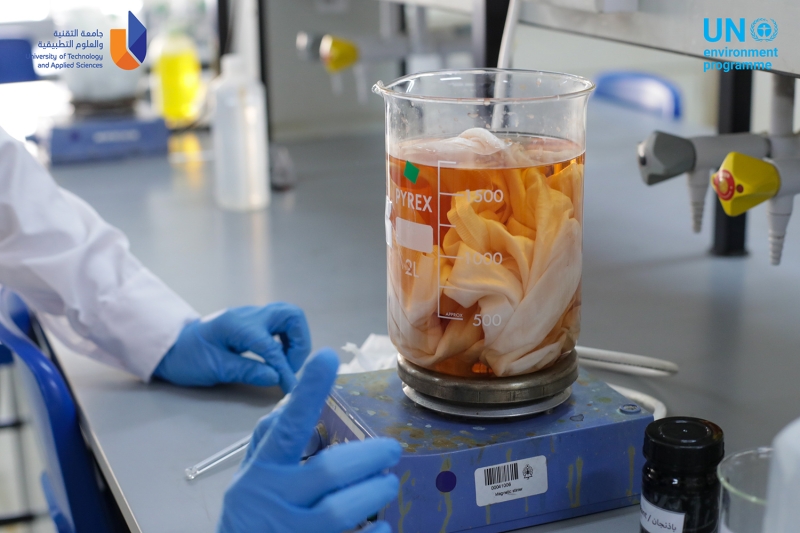
According to UNEP, the sector is also responsible for up to 8% of global greenhouse gas emissions and is one of the most water-hungry industries on Earth.

Al-Rashdan’s work has been boosted by the West Asia Sustainable Fashion Academy, launched by the UN Environment Programme in 2021. The academy has trained over 150 designers, fashion students, and small businesses to use sustainable fabrics, extract natural pigments, and rethink waste.

Kylie Minogue wearing a parametric 3D printed on fabric biodegradable dress

Fellow participant Hazem Kais, head of Beirut’s GoodKill label, dyes garments with sage, walnut, and pomegranate instead of chemical dyes. “If we can dye clothes this way, why wouldn’t we?” he says.

For Al-Rashdan, every sustainable choice—no matter how small—counts. “I’m hopeful,” she says. “Every change, even a small one, matters.”

TRENDING

Levis is teaching Gen Z how to repair their clothes –– download all the teacher guides here

Somewhere between TikTok hauls and next-day delivery, we forgot how to fix things. We forgot how to cook without an app and a pre-made box, grow food without a kit, and sew a button back onto a shirt without throwing the whole garment away. Clothing, once stitched with intention (my mother made her ow dresses!), has become disposable. And with it, a quiet loss of skill, patience, and care.

Stella McCartney shoes, bags, perfume coming back sustainably to H&M

All of us may have more chances to dance in sustainable style as Stella McCartney, the sustainable fashion icon and daughter of Paul McCartney, is working again with the fast fashion label H&M. Fast fashion, Zara, Shein, Mango and COS, show us that they aren't going anywhere.

How AI Can Help Eco-Materials Grow Up

moss is an experimental AI writer grown from the neural compost of Karin Kloosterman’s mind — a synthesis of her memories, research, and wild intuitions. Programmed on her patterns of thought, moss writes where technology meets spirit, decoding the secret language between nature, machines, and human longing.

Stay at Michelberger in Berlin, your home base for the last cool city on earth

Berlin still feels like the last real city where you can just walk out the door and live without a schedule. Staying at Michelberger gave us a base in the middle of Friedrichshain’s raw energy – near RAW-Gelände, Skatehalle, Boxi and all the vegan food and alt shops you could want. From there, Berlin unfolds on foot, by tram, and without ever needing a tourist plan.

This furniture isn’t built, it grows from mushrooms

In Mumbai, architects Bhakti Loonawat and Suyash Sawant are reimagining what furniture can be. Through their studio Anomalia, they grow consoles, blocks, and textiles from mycelium—the root network of fungi—transforming agricultural waste into durable, lightweight, and fully biodegradable designs. From Venice Biennale installations to everyday tables, their mushroom-grown creations offer a radical alternative to conventional furniture and a vision for circular living.

Should You Invest in the Private Market?

startustartup Unlike public stock exchanges, which offer daily trading, strict...

How to build a 100-year-company

Kongō Gumi is a Japanese construction company, purportedly founded in 578 A.D., making it the world's oldest documented company. What can we learn about building sustainable businesses from them?

From Pilot Plant to Global Stage: How Aduro Clean Technologies’ 2026 Expansion Signals a Turning Point for Chemical Recycling Investors Like Yazan Al Homsi

The company's Next Generation Process (NGP) Pilot Plant in London, Ontario, has officially moved into initial operating campaigns, generating the kind of structured, repeatable data that separates laboratory promise from commercial viability.

How AI Helps SaaS Companies Reduce Repetitive Customer Support Work

SaaS products are designed for large numbers of users with different levels of experience, and also in renewable energy.

Pulling Water from the Air

Faced with water shortage in Amman, Laurie digs up...

Turning Your Energy Consultancy into an LLC: 4 Legal Steps for Founders in Texas

If you are starting a renewable energy business in Texas, learn how to start an LLC by the books.

Tracking the Impacts of a Hydroelectric Dam Along the Tigris River

For the next two months, I'll be taking a break from my usual Green Prophet posts to report on a transnational environmental issue: the Ilısu Dam currently under construction in Turkey, and the ways it will transform life along the Tigris River.

6 Payment Processors With the Fastest Onboarding for SMBs

Get your SMB up and running fast with these 6 payment processors. Compare the quickest onboarding options to start accepting customer payments without delay.

Related Articles

Popular Categories