
Eastern Afghanistan was struck late on September 1, 2025 by a shallow magnitude-6.0 earthquake centered in the rugged Kunar region near the Pakistani border. Officials reported at least 800+ deaths—rising to 812 in some tallies—and thousands injured, with the worst destruction in Kunar and neighboring Nangarhar. The timing at night, the shallow focus (around 10 km), and the remoteness of mountain villages amplified the toll as whole clusters of homes failed.
Rescue teams faced blocked roads and difficult flying conditions after intense rainfall in the preceding 24 to 48 hours triggered landslides and rockfalls, cutting off communities and slowing evacuations by helicopter. An officer with the UN Office for the Coordination of Humanitarian Affairs noted that saturated slopes and debris left many routes impassable.
Why so many mud-brick homes failed
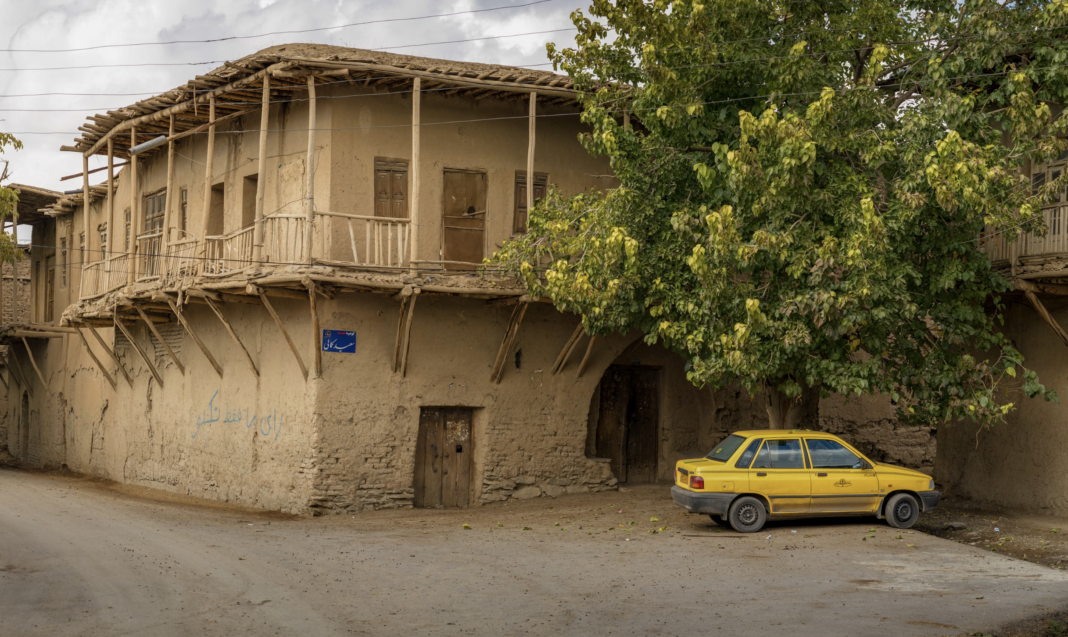
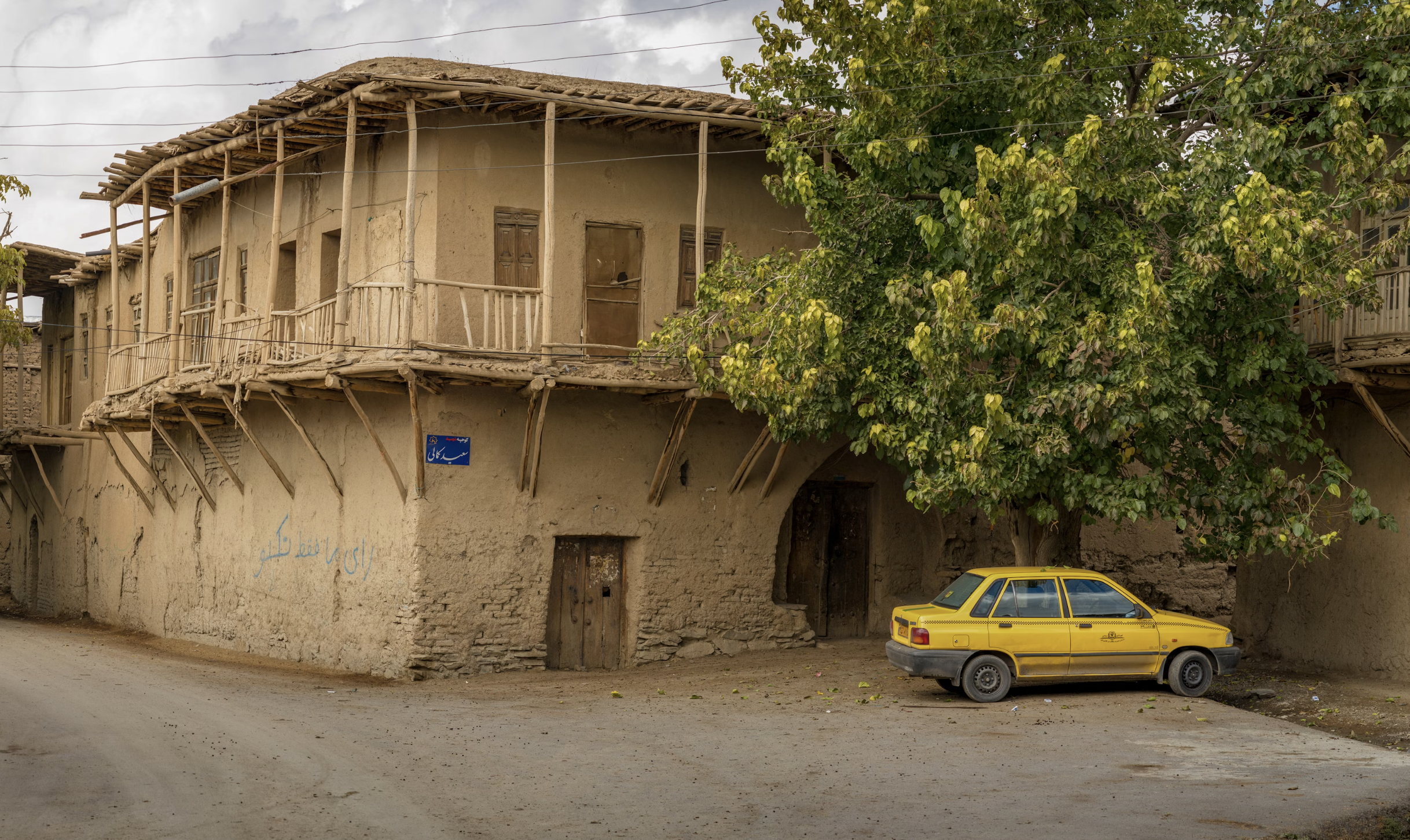
Mud-brick (adobe) is ubiquitous across Afghanistan because the materials are local, low-cost, and low-carbon. But unreinforced earthen walls are heavy and brittle; when shaken laterally they can crack and overturn suddenly, especially where construction lacks ring beams, vertical ties, or quality workmanship. Earthquake engineering guidance has long documented life-safety weaknesses in unreinforced adobe and the measures that improve performance.
Rainfall made matters worse. Raw earth loses strength when saturated; prolonged rain can erode foundations and soften wall toes, while shaking then pushes already weakened walls past failure. Where houses sit on steep slopes, the same rain that undermines walls also lubricates soil and colluvium, priming slopes to slide.
Quakes often trigger slides in mountainous terrain, but exposure and damage are magnified by land-use choices. Across Afghanistan, decades of conflict and poverty have driven deforestation, unmanaged road cutting, and settlement on unstable slopes—factors known to reduce slope stability and raise landslide risk. Reports and assessments highlight extensive forest loss in the northeast (including Kunar and Nuristan), widespread land degradation, and the role of road benches and slope undercutting in failures.
Earthen construction can be made significantly safer with well-known, low-tech improvements—without abandoning the sustainability advantages that make it attractive. International guidance specific to Afghanistan and to earthen buildings more broadly points to solutions that local masons and communities can apply with training and modest materials.
How to build back safer—while staying sustainable
Start with the site. Avoid active gullies, landslide scars, and steep toes of slopes; set houses back from cut slopes and stream banks; provide perimeter drains and raised plinths so foundations stay dry. Simple slope-stabilizing works (such as properly designed cut slopes and gabion retaining where essential) reduce local landslide risk.
Tie the structure together. A continuous bond (ring) beam at wall tops, laced to vertical elements, helps walls act as a unit. Buttresses or pilasters at corners and long wall runs, improved connections at wall intersections, and light, well-anchored roofs limit out-of-plane wall failures. Even cane, timber, or welded-wire mesh embedded in earthen walls can add crucial tensile capacity.
Stabilize the earth. Where budgets allow, stabilized earth mixes (with lime or other binders appropriate to local soils) improve moisture resistance and strength. Good soil selection and compaction, consistent lift heights, and high-quality plaster with fiber reinforcement limit cracking and water ingress.
Many at-risk homes can be upgraded in place: add ring beams and corner stitching; “wrap” walls with mesh and new plaster; stitch cracks; improve foundations and drainage; and strengthen openings with lintels and jambs. UN-Habitat’s post-disaster housing guidance emphasizes that staged, low-cost retrofitting can save lives quickly.
Learning from regional vernacular—without romanticizing risk
Responsible rebuilding can draw on the region’s deep lineage of climate-wise architecture while meeting seismic realities. Readers curious about earthen design lineages can explore our coverage of Hassan Fathy’s New Gourna, Fathy’s people-first design philosophy, and Nader Khalili’s earth-bag “Superadobe”, alongside contemporary examples like sandbag domes and Cal-Earth projects. Vernacular cooling methods—from Iran’s windcatchers (bādgir) to modern riffs on mashrabiya—demonstrate passive comfort strategies that also reduce operating carbon.
Across North Africa and the Middle East, long-lived earthen settlements like Ghadames in Libya, Syria’s beehive houses, and desert hospitality built around qanat water systems show how form, orientation, and thermal mass serve people and climate—knowledge that can be paired with seismic detailing rather than discarded.
For those exploring resilient off-grid typologies, see our primers on Earthships and this earlier guide on how they work, as well as practical accounts of earth-bag homes and concise principles of sustainable architecture. For a lighter take on low-tech cooling ingenuity, even Afghan taxi “windcatchers” have inspired DIY adaptations for heat resilience. Read that here.
The September 1 earthquake was a geologic shock compounded by saturated slopes and decades of environmental pressure. Unreinforced mud-brick failed catastrophically, but earthen homes do not have to be death traps. With careful site selection, drainage, ring beams and ties, better detailing around openings, and pragmatic retrofits, communities can keep the carbon savings of earth while gaining the life-safety benefits of modern seismic practice. The science and practical manuals exist; the challenge is organizing materials, training, and support to deploy them quickly and fairly in the mountains where they are most needed.