1,600-Year-Old Samaritan Farm Estate Found in Kafr Qasim Shows How Ancient Communities Lived Sustainably

Samaritan archaeological site, Kafr Qasim excavation, ancient mosaic Israel, olive oil press archaeology, sustainable farming history, Israel Antiquities Authority discovery, Byzantine period agriculture, ancient water management, Middle East heritage site, regenerative farming archaeology

Imagine finding a 1,600-year-old farm that’s still telling stories about how people grew their food, shared resources, and lived with the land. That’s exactly what happened in Kafr Qasim, central Israel, where archaeologists uncovered a huge agricultural estate belonging to the Samaritans—an ancient community related to the Jewish people, who followed the Torah but had their own traditions and worship sites.

Today, the Samaritans are a small group of a few hundred people living in Israel and the West Bank. But 1,500 years ago, they were a thriving community spread across the region. This discovery is exciting not just for history buffs—it also offers clues about how ancient farmers worked with nature, ideas we can still use for sustainable farming today.

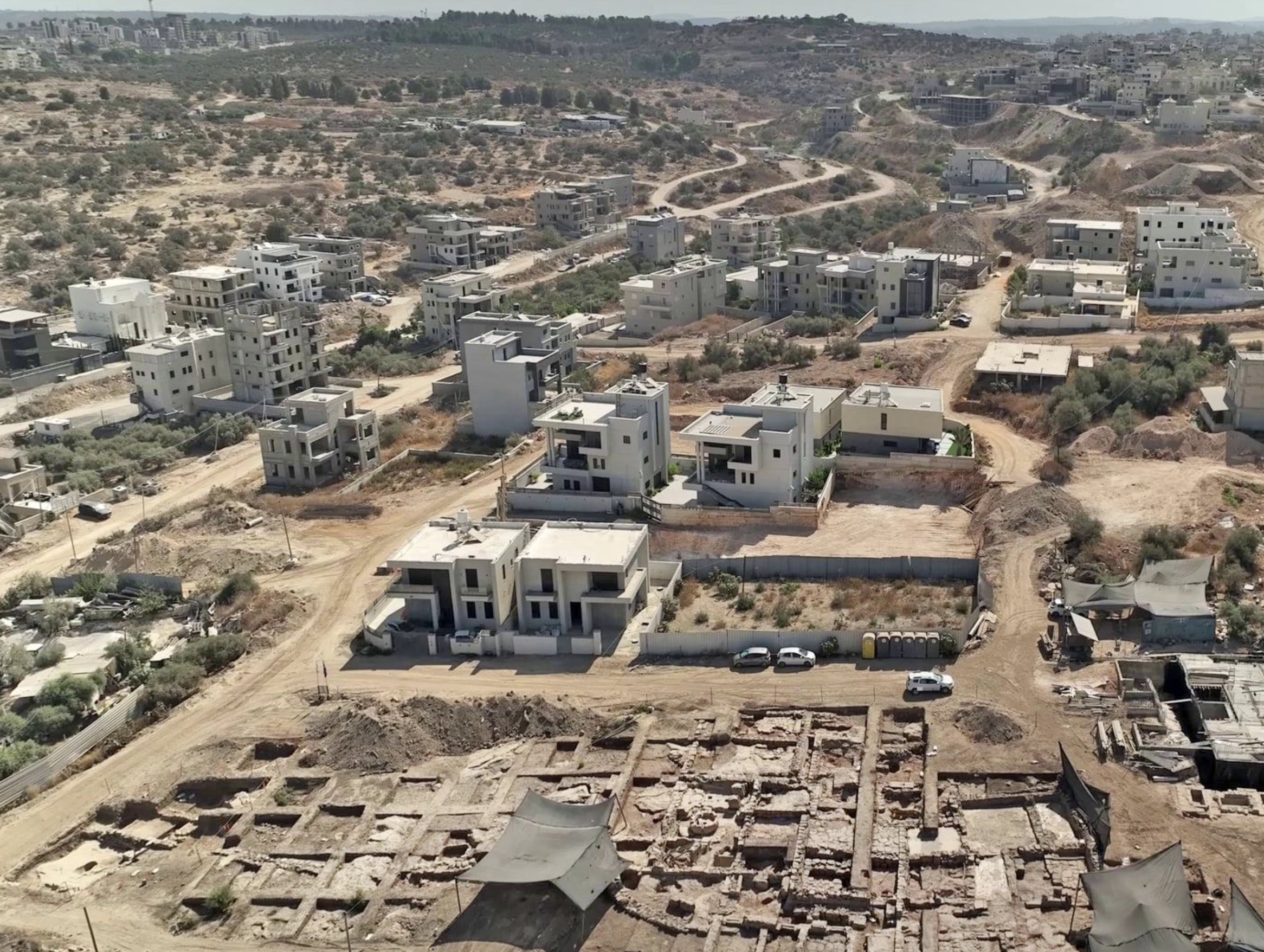
The excavation, carried out by the Israel Antiquities Authority (IAA) and funded by the Israel Ministry of Construction and Housing, revealed buildings decorated with colorful mosaics, an olive oil press, and even a public ritual bath known as a miqveh. The site is within Khirbet Kafr Ḥatta, a settlement that existed from the 4th to 7th centuries CE—spanning the end of the Roman Empire into the Byzantine period.
Samaritan archaeological site, Kafr Qasim excavation, ancient mosaic Israel, olive oil press archaeology, sustainable farming history, Israel Antiquities Authority discovery, Byzantine period agriculture, ancient water management, Middle East heritage site, regenerative farming archaeology

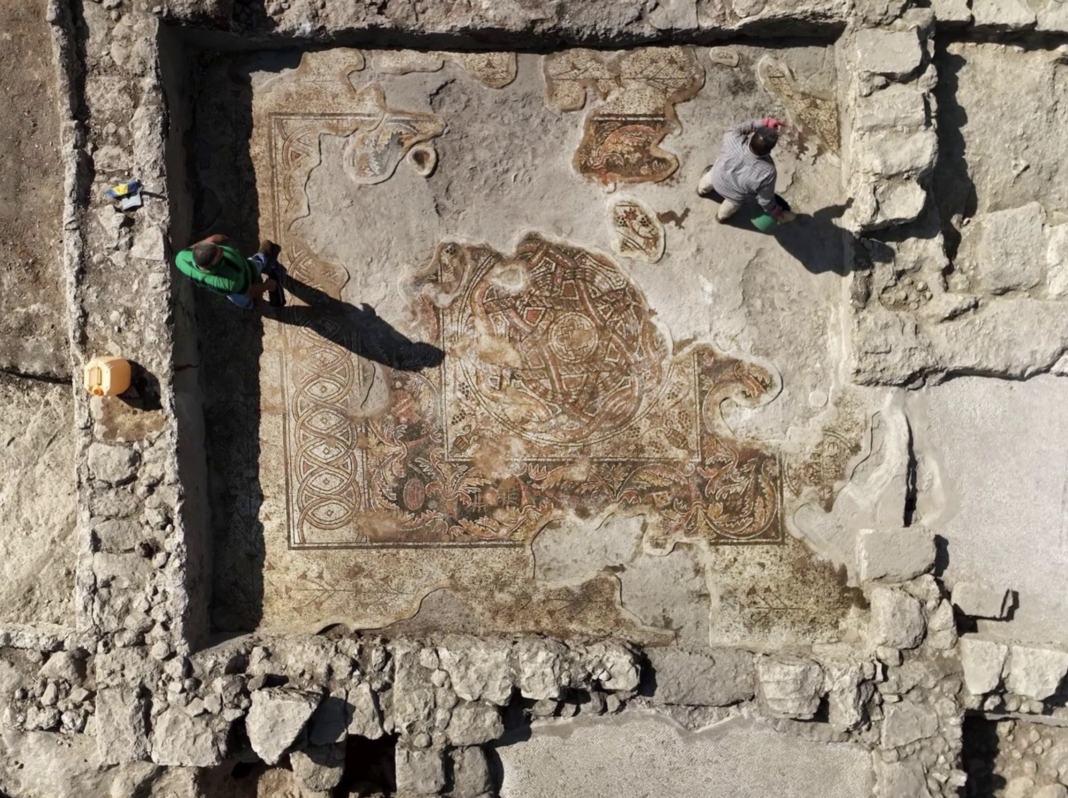
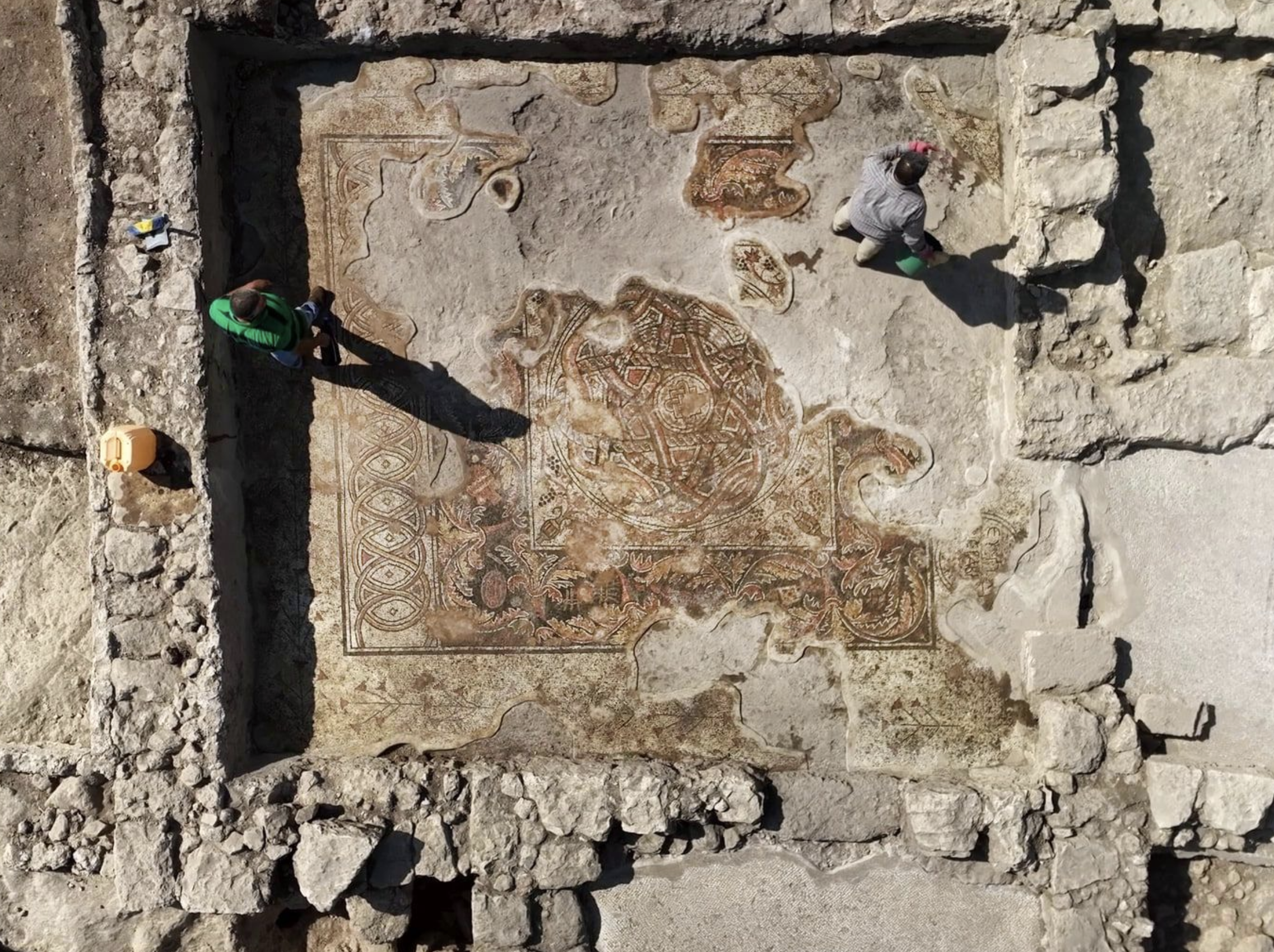
One of the most stunning finds was a large mosaic floor filled with patterns and pictures of plants and foods grown in the area—grapes, dates, watermelons, artichokes, and asparagus. At the entrance, a Greek inscription wished the homeowner “Good Luck!” It’s a personal touch that makes the past feel very close, like the people who lived there could walk back in at any moment.

Food, Faith, and Clean Production

North of the main house, archaeologists found a big olive press, a warehouse, and the miqveh. This layout suggests the Samaritans pressed their olives into oil while keeping the process religiously pure. The olive press had two wings—one for crushing and pressing, and another for storage and support rooms. This type of press was more common in Jerusalem and the Judean lowlands, meaning the Samaritans may have been borrowing ideas and technology from other regions.

Olive oil wasn’t just for cooking—it was used for lighting lamps, in medicine, and in religious rituals. Producing it locally, and with care for purity, meant the community could meet its needs without over-relying on outside trade. It’s a reminder that local, sustainable food systems are not a new idea—they’ve been around for thousands of years.

Over the years, the estate changed. Some of the fancy mosaic floors were damaged when new walls were built. Columns and capitals from older buildings were reused in new structures. The archaeologists think these changes may be linked to political unrest—specifically, Samaritan revolts against Byzantine rulers in the 5th and 6th centuries CE, when restrictive laws targeted religious minorities.
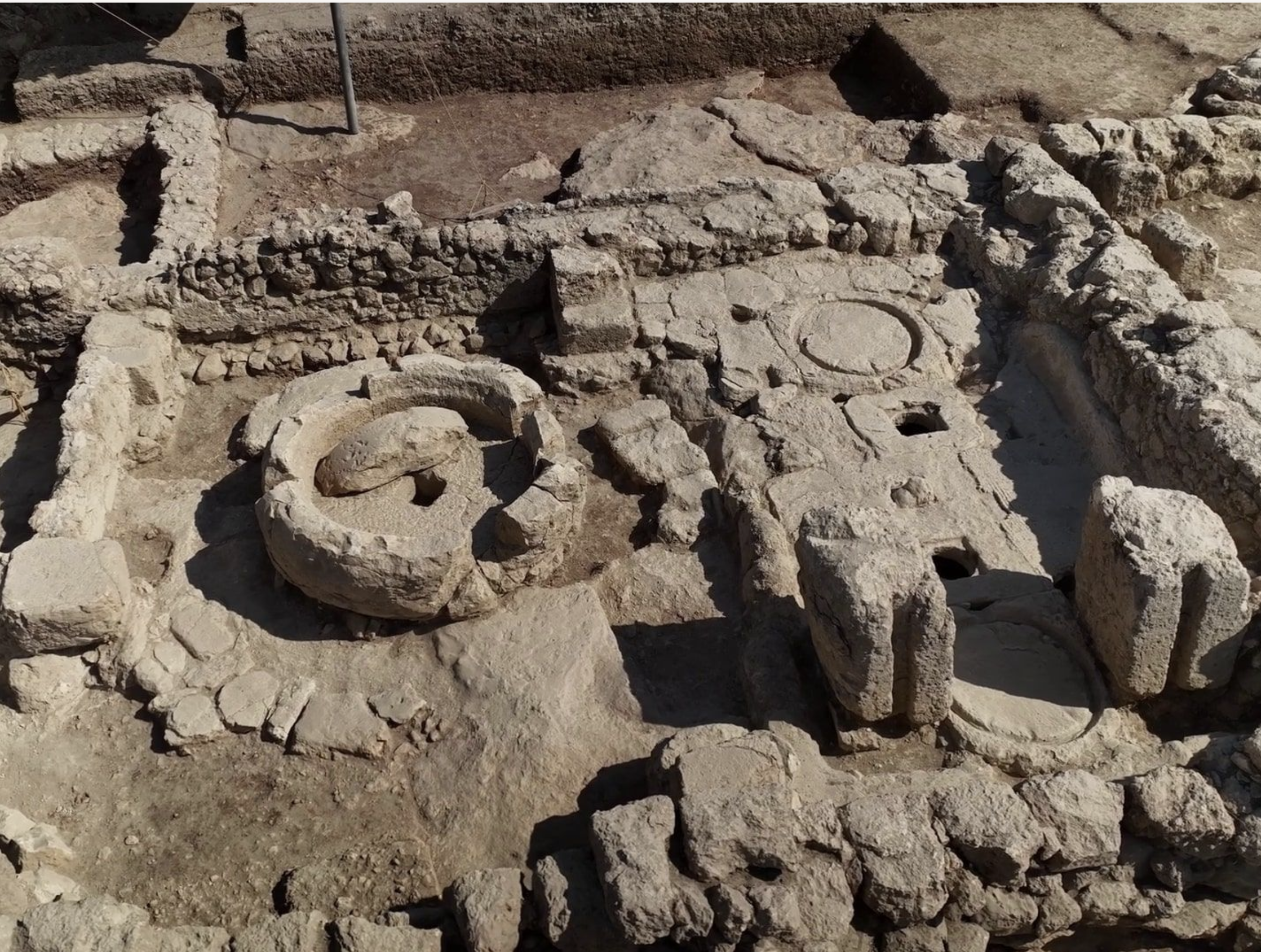
Samaritan archaeological site, Kafr Qasim excavation, ancient mosaic Israel, olive oil press archaeology, sustainable farming history, Israel Antiquities Authority discovery, Byzantine period agriculture, ancient water management, Middle East heritage site, regenerative farming archaeology

What’s remarkable is that, unlike other Samaritan sites destroyed in these uprisings, the Kafr Qasim estate survived and kept its Samaritan identity. Excavators even found ceramic oil lamps with Samaritan symbols, showing that the people stayed connected to their heritage despite outside pressures. That kind of resilience is something we still need in the face of modern challenges like climate change and food security.

Why It Matters for Sustainability

This site isn’t just about pretty mosaics or ancient artifacts—it’s about how people lived in balance with their environment. The Samaritans grew their own food, processed it locally, reused building materials, and built infrastructure to last generations. These are all practices that fit into modern ideas like the circular economy and permaculture.

By studying ancient estates like this, we can see what worked for communities over centuries—and what led to their decline. It’s a chance to learn from both the successes and mistakes of the past, whether it’s about farming techniques, water management, or adapting to political change.

According to Israel’s Minister of Heritage, Rabbi Amichai Eliyahu, the find tells “another chapter in the shared story of the Jews and the Samaritans… communities that lived by the Torah, shared common roots, and experienced similar hardships.” For archaeologists, it’s a chance to piece together centuries of history; for the rest of us, it’s a reminder that sustainability isn’t just a modern buzzword—it’s a way of life humans have practiced, and sometimes forgotten, for millennia.


 

LEAVE A REPLY

Please enter your comment!
Please enter your name here

TRENDING

Butter, Beef Tallow and Cancer Risk? New Study Finds Animal Fats May Accelerate Tumor Growth in Mice

Swapping out animal fats for plant fats might be a helpful dietary intervention for obese patients undergoing treatment for cancer

The UN builds an AI coalition to save the planet

Over 100 partners, including 37 tech companies, 11 countries and 5 international organizations, have joined forces with the UN under the Coalition for Environmentally Sustainable Artificial Intelligence, aiming to ramp up global momentum to place AI on a more environmentally sustainable path. 

How Satellite Technologies Reduce Costs for Agrochemicals and Fertilizers

Discover how satellite technology is revolutionizing agriculture by optimizing fertilizer use, cutting agrochemical costs, and boosting crop yields. Learn how precision farming, remote sensing, and AI-driven analytics enhance soil health, improve nutrient efficiency, and promote sustainable agriculture. ? #PrecisionFarming #SatelliteTech

How to help Gaza fishermen

The destruction of Gaza's two main aquaculture farms, along with the hatchery facility, has also left the sector unable to produce alternative aquatic foods through aquaculture. 

Sustainable rubber and latex production

America and the world sees a rubber shortage. A new plan to grow it in America, sustainably.

Qatar’s climate hypocrisy rides the London Underground

Qatar remains a master of doublethink—burning gas by the megaton while selling “sustainability” to a world desperate for clean air. Wake up from your slumber people.

How Quality of Hire Shapes Modern Recruitment

A 2024 survey by Deloitte found that 76% of talent leaders now consider long-term retention and workforce contribution among their most important hiring success metrics—far surpassing time-to-fill or cost-per-hire. As the expectations for new hires deepen, companies must also confront the inherent challenges in redefining and accurately measuring hiring quality.

8 Team-Building Exercises to Start the Week Off 

Team building to change the world! The best renewable energy companies are ones that function.

Thank you, LinkedIn — and what your Jobs on the Rise report means for sustainable careers

While “green jobs” aren’t always labeled as such, many of the fastest-growing roles are directly enabling the energy transition, climate resilience, and lower-carbon systems: Number one on their list is Artificial Intelligence engineers. But what does that mean? Vibe coding Claude? 

Somali pirates steal oil tankers

The pirates often stage their heists out of Somalia, a lawless country, with a weak central government that is grappling with a violent Islamist insurgency. Using speedboats that swarm the targets, the machine-gun-toting pirates take control of merchant ships and then hold the vessels, crew and cargo for ransom.

Leopoldo Alejandro Betancourt LĂłpez Turned Ocean Plastic Into Profitable Sunglasses

Few fashion accessories carry the environmental burden of sunglasses. Most frames are constructed from petroleum-based plastics and acrylic polymers that linger in landfills for centuries, shedding microplastics into soil and waterways long after they've been discarded. Leopoldo Alejandro Betancourt LĂłpez, president of the Spanish eyewear brand Hawkers, saw this problem differently than most industry executives.

Why Dr. Tony Jacob Sees Texas Business Egos as Warning Signs

Everything's bigger in Texas. Except business egos.  Dr. Tony Jacob figured...

Israel and America Sign Renewable Energy Cooperation Deal

Other announcements made at the conference include the Timna Renewable Energy Park, which will be a center for R&D, and the AORA Solar Thermal Module at Kibbutz Samar, the world's first commercial hybrid solar gas-turbine power plant that is already nearing completion. Solel Solar Systems announced it was beginning construction of a 50 MW solar field in Lebrija, Spain, and Brightsource Energy made a pre-conference announcement that it had inked the world's largest solar deal to date with Southern California Edison (SCE).

Related Articles

Popular Categories