
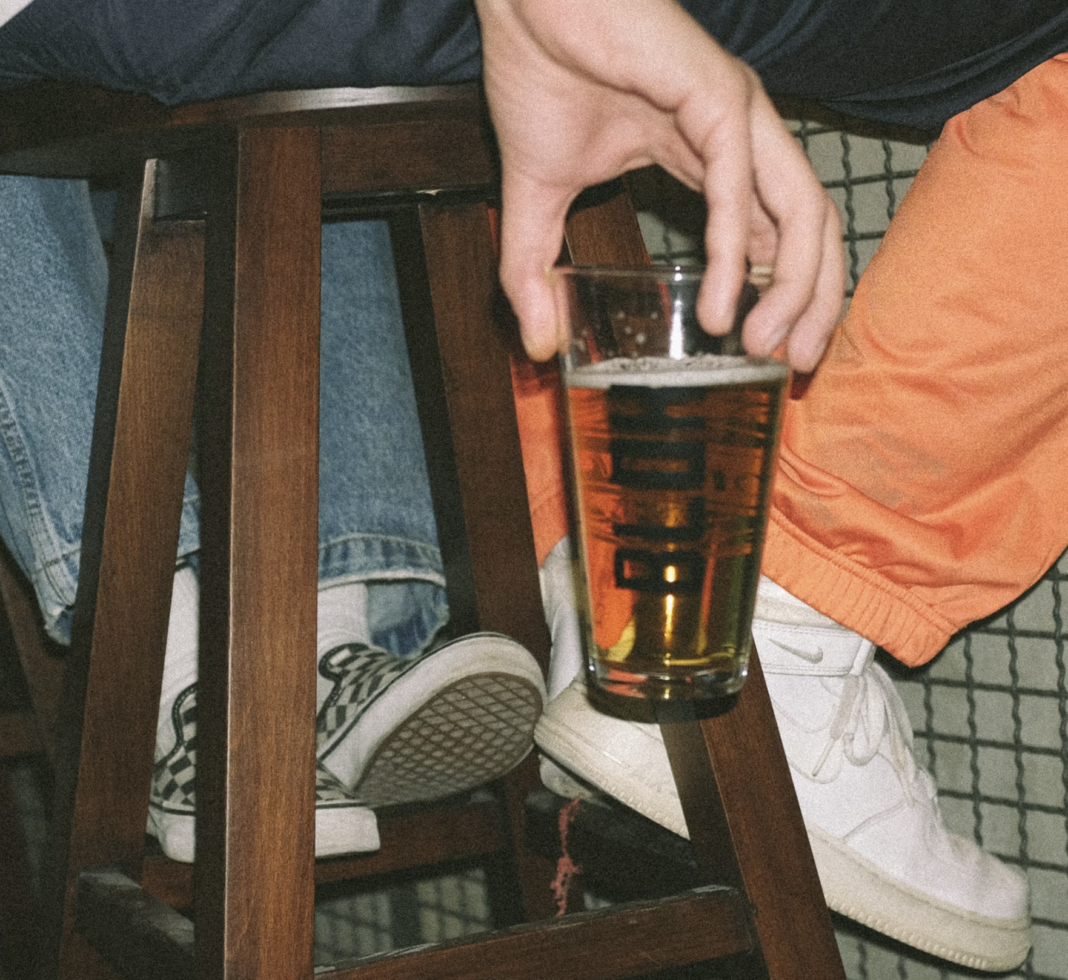

Green Prophet has covered the topic of alcohol—and specifically beer—from several angles over the years. Here’s a concise roundup of those articles, all grounded in Islamic teachings, cultural context, and contemporary nuances.
1. The Religious Foundation: Beer Is Prohibited
The core reason Muslims abstain from beer stems from explicit Quranic and hadith teachings. The Quran denounces intoxicants, stating: “Intoxicants … are but defilement from the work of Satan, so avoid it that you may be successful” (Surah Al-Ma’idah 5:90)
Additionally, Prophet Muhammad is quoted in hadiths saying, “Every intoxicant is khamr (wine) and every khamr is haram (forbidden),” emphasizing a zero-tolerance stance—even if a substance doesn’t intoxicate in small amounts.
Green Prophet’s article further explains that alcohol—including wine or anything fermented from grapes or dates—is considered impure (najis) and forbidden (haram), regardless of its form or concentration.
2. How Islam Separated From Pre-Islamic Drinking Culture
Alcohol was common in pre-Islamic Arabia, but with the emergence of Islam and its ethical reforms, usage significantly declined. Islamic scholars and historical records highlight how early teachings shifted the norm from daily intoxication to deliberate abstinence.
3. Variations in Practice—Not All Muslims Abstain
Green Prophet recognizes that real-world practices vary. In some regions—depending on legal systems, personal beliefs, and societal norms—some Muslims may still choose to consume alcohol. A Pew Research Survey (2013) found that in certain countries up to 10% of respondents considered alcohol morally acceptable. For example, Jordan, with a predominantly Muslim population, has seen Christian-owned craft breweries operate—such as Carakale Brewery in Amman—highlighting complexity in regional brewing traditions and religious contexts. The same is true in Israel where Arab Christians are a thriving part of society.
4. Negotiating Social Settings—Mocktails and Alcohol-Free Trends
While alcohol is forbidden, Muslims still participate in social gatherings—and often choose creative alternatives. Mocktails—or “virgin” versions of popular cocktails—are widely accepted as long as they contain no alcohol or derivatives.
Green Prophet’s “10 Alcohol-Free Mocktails for Summer” article presents a variety of flavorful, alcohol-free options perfect for parties or summer gatherings, underscoring that abstaining doesn’t mean missing the fun.
5. Fermented Yet Halal? The Case of Kombucha
Kombucha introduces an interesting caveat: a popular probiotic drink produced by fermentation, typically containing trace amounts of alcohol. Is it halal?
- For: Some scholars and halal certification bodies consider commercially produced kombucha with less than 0.5% ABV to be halal, as the alcohol is minimal and a byproduct—not the purpose of consumption.
- Against: Others argue that any amount of alcohol—even if from fermentation—is impermissible, placing the decision in personal or local scholarly jurisdiction.:
As Green Prophet advises: when in doubt, look for halal certification, especially if fermenting at home, where alcohol levels are harder to control.
6. Exceptions in Practice: Alcohol in Muslim-Majority Countries
Green Prophet reported that—despite strict Islamic laws—some Muslim-majority countries allow limited alcohol access to non-Muslims or foreign residents. For instance, Saudi Arabia recently opened its first alcohol shop in 70 years, servicing diplomats under tight regulation. However, these exceptions don’t change the religious ruling that for observant Muslims, alcohol remains strictly forbidden.
Want to know more? Explore the Green Prophet eco-Muslim archives:
- Why Muslims don’t drink alcohol
- Why Muslims don’t drink alcohol (2011)
- Islam’s ban on alcohol and how it’s applied
- Saudi Arabia opens first alcohol shop in 70 years
- 10 alcohol-free mocktails for summer
- Can Muslims drink mocktails?
- Can Muslims drink kombucha?
- Jordan gets its first craft brewery, causing ire among religious clerics


