How Satellite Technologies Reduce Costs for Agrochemicals and Fertilizers

Precision fertilization with satellite crop monitoring" title="Using satellite data for targeted fertilizer application

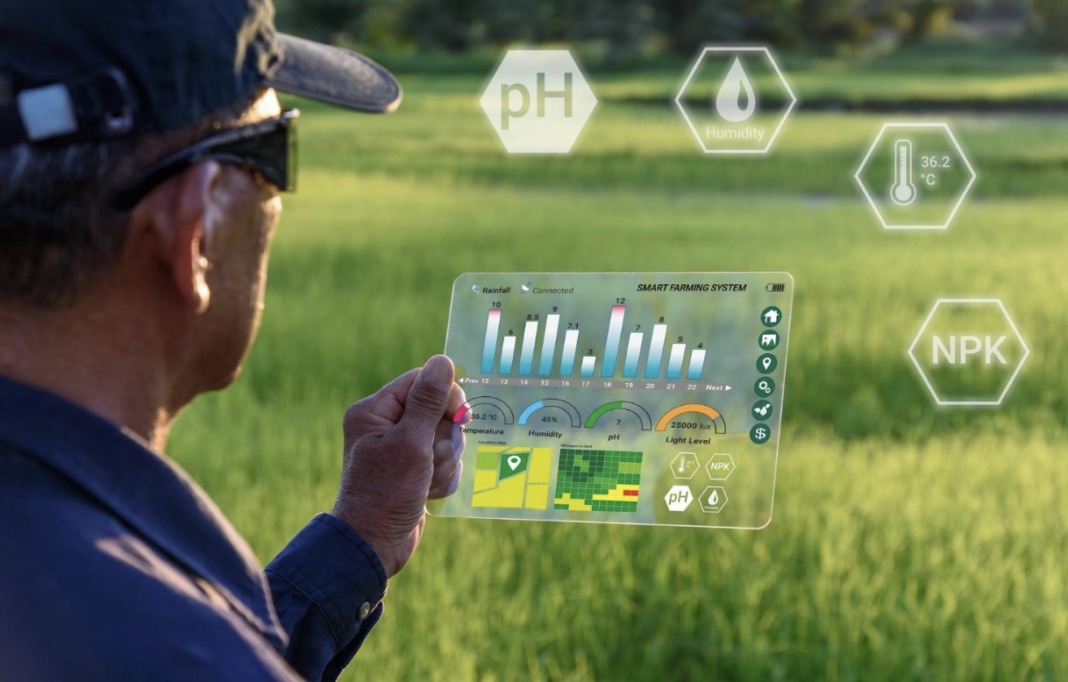
In today’s farming, using agrochemicals and fertilizers wisely is essential for cost savings and protecting the environment. Space technology is changing how farmers handle their resources by providing data that helps them use inputs more effectively and save money. With satellite images and remote sensing, agronomists can check soil health, evaluate crop condition, and identify nutrient shortages with great precision.

This up-to-date information allows for precise application of agrochemicals and fertilizers, making sure plants get the right care at the right time and location. Consequently, waste is reduced, crop yields increase, and farming becomes more eco-friendly. Satellite technology is more than just a tool for better efficiency and tracking crop growth; it leads to smarter and more sustainable agri practices. Let’s take a look at a case where a cutting-edge satellite crop monitoring technology company assisted in enhancing fertilizer application efficiency.

Case Study: Optimizing NPK Fertilizer Application with EOSDA’s Satellite Monitoring Technology

In Central and Eastern Europe, traditional crop cultivation practices have long relied on NPK fertilizers to enhance soil productivity and maximize yields. However, conventional application methods often achieve only 40-60% nutrient efficiency, with severe drought conditions further reducing this figure. Overuse of these fertilizers not only strains farmers’ budgets but also imposes heavy environmental costs, including nutrient runoff and water contamination. To address these challenges, innovative practices are emerging that enable growers to achieve higher yields with reduced chemical inputs.

A prime example is the collaboration between Agrinova Group and EOSDA Crop Monitoring. Since 2021, Agrinova Group, a consulting firm established in 2014 with a strong presence across Poland, Slovakia, and Ukraine, has integrated EOSDA’s satellite-based platform into its advisory services. Leveraging high-resolution space imagery, artificial intelligence, and machine learning, EOSDA Crop Monitoring provides near real-time insights into vegetation health and vegetation dynamics. This technology enables the creation of precise VRA maps for variable rate application of fertilizers and seeds, tailored to the specific needs of each field.

satellite technology, agrochemical cost reduction, precision agriculture, fertilizer efficiency, remote sensing, precision fertilization, satellite crop monitoring, targeted fertilizer application, smart farming, sustainable agriculture, NDVI vegetation index, crop health monitoring, satellite imagery, plant vigor analysis, Variable Rate Application, VRA map, optimized fertilizer use, precision farming, agriculture technology, soil moisture mapping, satellite data, nutrient uptake, smart irrigation, farm management, AI-driven agriculture, satellite analytics, agribusiness optimization, crop yield improvement, eco-friendly farming, NPK fertilizer optimization, nutrient management, remote sensing technology, efficient farming, farming innovation, crop monitoring, space technology in farming, remote sensing agriculture

A productivity map is useful for applying potassium and phosphorus.

By replacing traditional, labor-intensive soil testing with remote sensing, Agrinova Group has significantly reduced fertilizer inputs — optimizing nitrogen use by 50–130 kg/ha. This shift not only cuts chemical costs but also minimizes ecological impact. Moreover, remote management capabilities have slashed operational travel expenses by 80%, enhancing overall service efficiency. The successful implementation of EOSDA’s platform has reinforced Agrinova Group’s reputation as a leader in sustainable, tech-driven agricultural consultancy, driving both business growth and improved environmental stewardship. Let’s explore how agronomists can make the most of satellite data to improve their crop management strategies.

Using Satellite Data for Better Crop Management with Precision Fertilization

Satellite crop monitoring is revolutionizing fertilizer application by offering farmers a detailed, data-driven understanding of their fields. Utilizing vegetation indices like NDVI and MSAVI, space imagery provides critical insights into plant vigor and health. These indices reveal variations in plant biomass and chlorophyll content, allowing agronomists to identify areas that require more intensive fertilization versus those that need less.

In addition to vegetation indices, satellite data captures soil moisture levels, which play a vital role in nutrient uptake. By understanding moisture distribution, growers can fine-tune fertilizer applications to coincide with optimal soil conditions, thereby increasing the efficiency of nutrient absorption. Furthermore, nutrient distribution maps derived from space imagery highlight spatial variability within fields, enabling the creation of precise prescription maps for fertilizer application.

One of the most impactful innovations arising from this technology is Variable Rate Application (VRA). VRA empowers farm owners to adjust fertilizer doses on a granular level rather than applying even rates across entire fields. This targeted approach not only reduces the overall quantity of fertilizers used but also ensures that each section of a field receives the appropriate amount to maximize crop yield. The resulting efficiency not only cuts costs but also minimizes the environmental impact by reducing chemical runoff and preserving soil health.

In essence, the integration of satellite data into fertilizer management transforms conventional practices. It offers a robust toolset that enhances decision-making, drives cost savings, and sustains high yields. By embracing this technology, modern agriculture moves towards a more precise, sustainable, and economically viable future, demonstrating the powerful synergy between cutting-edge remote sensing and traditional farming techniques. Let’s take a closer look at how satellite-guided fertilization can benefit both the economy and the environment.

The Economic and Environmental Benefits of Satellite-Guided Fertilization

satellite technology, agrochemical cost reduction, precision agriculture, fertilizer efficiency, remote sensing, precision fertilization, satellite crop monitoring, targeted fertilizer application, smart farming, sustainable agriculture, NDVI vegetation index, crop health monitoring, satellite imagery, plant vigor analysis, Variable Rate Application, VRA map, optimized fertilizer use, precision farming, agriculture technology, soil moisture mapping, satellite data, nutrient uptake, smart irrigation, farm management, AI-driven agriculture, satellite analytics, agribusiness optimization, crop yield improvement, eco-friendly farming, NPK fertilizer optimization, nutrient management, remote sensing technology, efficient farming, farming innovation, crop monitoring, space technology in farming, remote sensing agriculture
Precision fertilization with satellite crop monitoring” title=”Using satellite data for targeted fertilizer application

Space-guided fertilization and crop monitoring systems are reshaping modern agriculture by offering a dual advantage: boosting farm productivity while reducing ecological harm. By precisely targeting fertilizer applications, farmers can significantly cut input costs. Detailed satellite data — encompassing vegetation indices, soil moisture levels, and nutrient maps — allows for pinpoint accuracy in fertilizer delivery, ensuring that each portion of the field receives just what it needs. This precision minimizes the excessive use of agrochemicals, curtailing unnecessary expenses and reducing the risk of nutrient runoff that can pollute water bodies and harm local ecosystems.

The economic benefits are multifaceted. Reduced fertilizer usage reduces production costs, while optimized nutrient management enhances vegetation vigor and yield. This leads to a healthier bottom line for farm owners and contributes to a more competitive agricultural sector. Moreover, the ecological benefits are equally compelling. Over-fertilization is a primary cause of soil degradation and water contamination. By adopting satellite crop monitoring software, farmers mitigate these issues, preserving soil fertility and promoting biodiversity. 

The integration of AI-driven satellite analytics, predictive modeling, and modern farm management tools is revolutionizing agrochemical use by boosting yields, cutting waste, and reducing ecological impact. This innovative approach supports sustainable farming practices, aligning economic growth with environmental stewardship and paving the way for a resilient, eco-friendly future in agriculture.


 

Bhok Thompson
Bhok Thompsonhttp://www.greenprophet.com
Bhok Thompson is an “eco-tinkerer” who thrives at the intersection of sustainability, business, and cutting-edge technology. With a background in mechanical engineering and a deep fascination with renewable energy, Bhok has dedicated his career to developing innovative solutions that bridge environmental consciousness with profitability. A frequent contributor to Green Prophet, Bhok writes about futuristic green tech, urban sustainability, and the latest trends in eco-friendly startups. His passion for engineering meets his love for business as he mentors young entrepreneurs looking to create scalable, impact-driven companies. Beyond his work, Bhok is an avid collector of vintage mechanical watches, believing they represent an era of precision and craftsmanship that modern technology often overlooks. Reach out: [email protected]

TRENDING

1,600-Year-Old Samaritan Farm Estate Found in Kafr Qasim Shows How Ancient Communities Lived Sustainably

Archaeologists in Kafr Qasim have uncovered a 1,600-year-old Samaritan agricultural estate with colorful mosaics, an olive oil press, and a ritual bath. This rare discovery reveals how ancient communities lived sustainably—growing food locally, reusing materials, and balancing faith with farming—offering lessons for modern climate resilience in the Middle East.

The hidden chatter beneath our feet – how trees, mushrooms, and microbes speak

Mushrooms, microbes, and machine learning? Why does this matter? The underground networks built by fungi and bacteria are essential for healthy ecosystems—and for our ability to grow resilient crops in a changing climate. Fungi, in particular, act as “middlemen”, connecting roots across distances and helping move nutrients, water, and even chemical signals between plants.

The Satellite That Sees Earth Breathe: How NISAR Could Transform Sustainability From Space

Critically, NISAR’s data will be publicly available. That means not only scientists and governments, but also nonprofits, local planners, and startups can build tools and services using the data.

New advances on making aquaponics a valid business

Researchers from a desert country, where food growing is limited due to lack of water, offer a new proof of concept for a new closed loop system called aquaponics that produces more fish and vegetables while using less energy than conventional systems.

The UN builds an AI coalition to save the planet

Over 100 partners, including 37 tech companies, 11 countries and 5 international organizations, have joined forces with the UN under the Coalition for Environmentally Sustainable Artificial Intelligence, aiming to ramp up global momentum to place AI on a more environmentally sustainable path. 

Turning Your Energy Consultancy into an LLC: 4 Legal Steps for Founders in Texas

If you are starting a renewable energy business in Texas, learn how to start an LLC by the books.

Tracking the Impacts of a Hydroelectric Dam Along the Tigris River

For the next two months, I'll be taking a break from my usual Green Prophet posts to report on a transnational environmental issue: the Ilısu Dam currently under construction in Turkey, and the ways it will transform life along the Tigris River.

6 Payment Processors With the Fastest Onboarding for SMBs

Get your SMB up and running fast with these 6 payment processors. Compare the quickest onboarding options to start accepting customer payments without delay.

Qatar’s climate hypocrisy rides the London Underground

Qatar remains a master of doublethink—burning gas by the megaton while selling “sustainability” to a world desperate for clean air. Wake up from your slumber people.

How Quality of Hire Shapes Modern Recruitment

A 2024 survey by Deloitte found that 76% of talent leaders now consider long-term retention and workforce contribution among their most important hiring success metrics—far surpassing time-to-fill or cost-per-hire. As the expectations for new hires deepen, companies must also confront the inherent challenges in redefining and accurately measuring hiring quality.

8 Team-Building Exercises to Start the Week Off 

Team building to change the world! The best renewable energy companies are ones that function.

Thank you, LinkedIn — and what your Jobs on the Rise report means for sustainable careers

While “green jobs” aren’t always labeled as such, many of the fastest-growing roles are directly enabling the energy transition, climate resilience, and lower-carbon systems: Number one on their list is Artificial Intelligence engineers. But what does that mean? Vibe coding Claude? 

Somali pirates steal oil tankers

The pirates often stage their heists out of Somalia, a lawless country, with a weak central government that is grappling with a violent Islamist insurgency. Using speedboats that swarm the targets, the machine-gun-toting pirates take control of merchant ships and then hold the vessels, crew and cargo for ransom.

Related Articles

Popular Categories