

Cocoa, coffee and tea push up global food import bill for wealthy countries

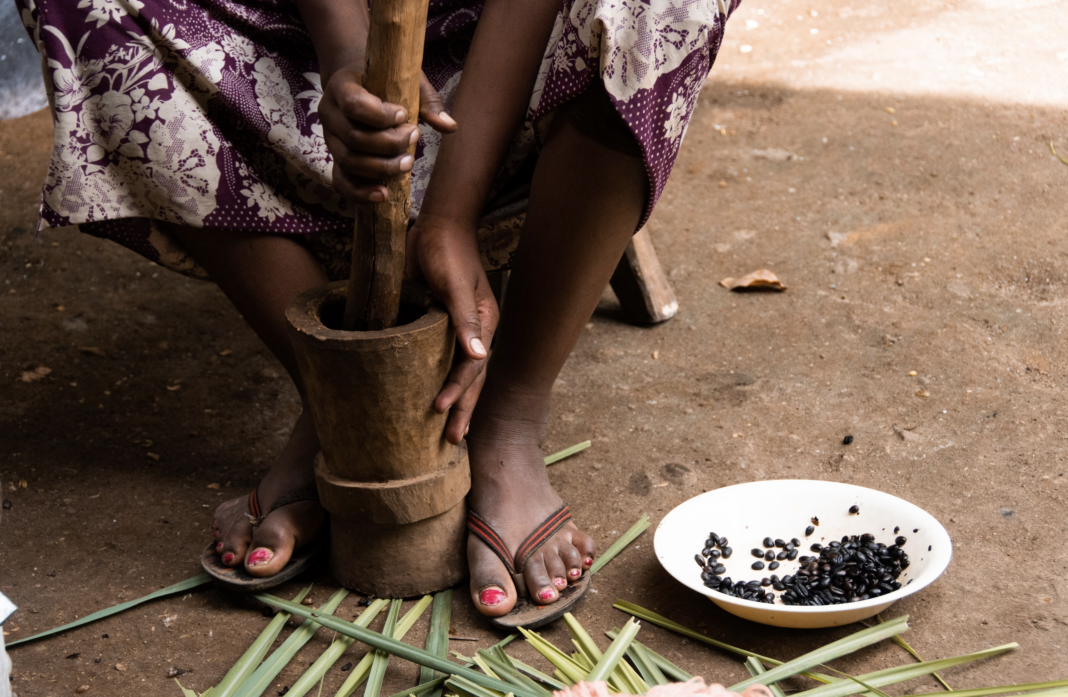
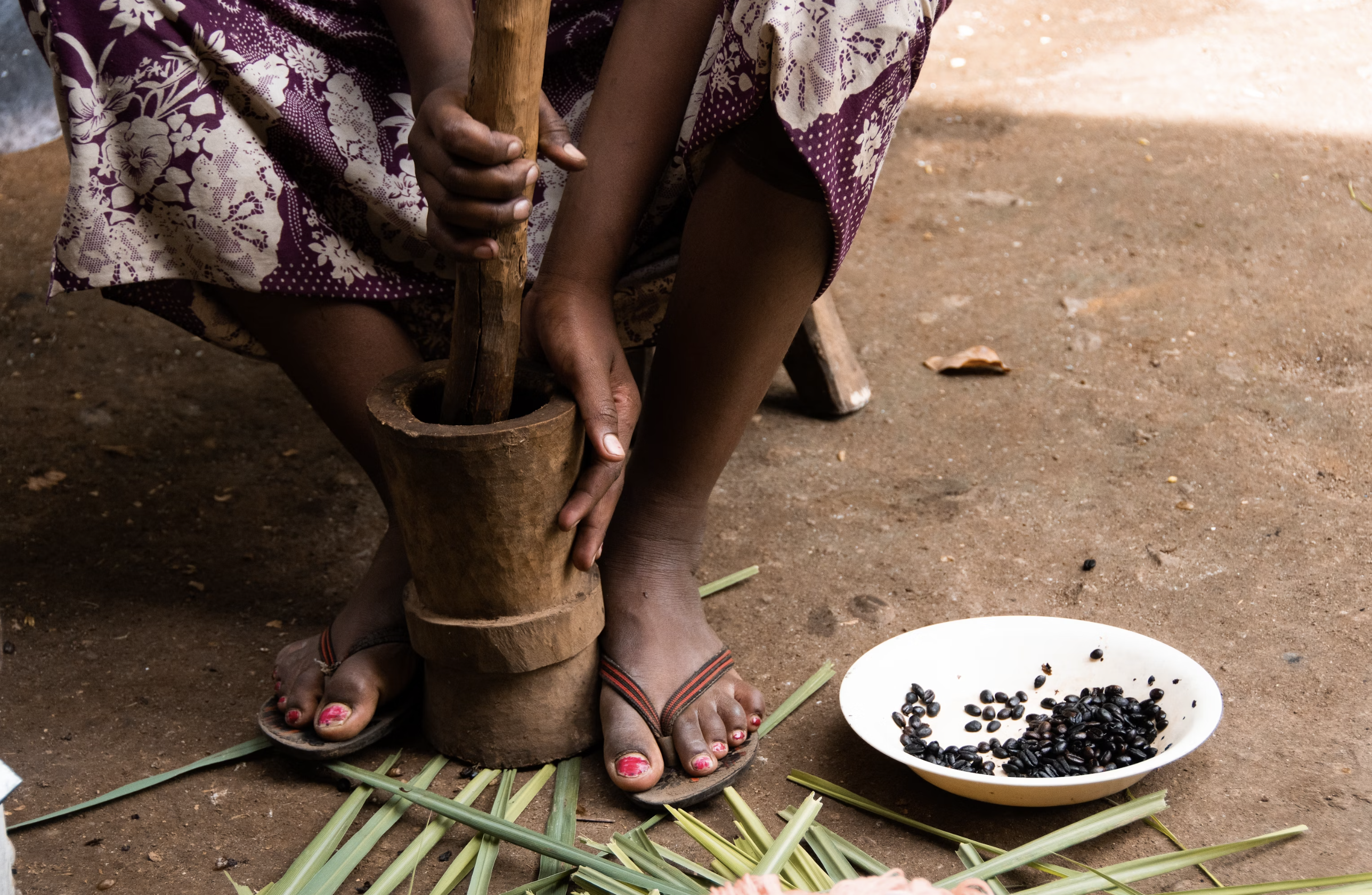
Grinding coffee in Ethiopia

The global import food import bill is expected to increase by 2.2 percent from the previous year to more than $2 trillion in 2024, pushed up by higher prices for cocoa, coffee and tea and also buoyed by higher import costs for fruits and vegetables, according to Food Outlook, a report from the UN’s Food and Agriculture Organization.

Import expenditures on cocoa, coffee and tea are anticipated to increase by 22.9 percent, accounting for more than half of the overall increase in value terms. That reflects soaring international prices for these commodities due mostly to weather conditions and logistics issues. Cocoa prices reached almost four times their ten-year average earlier this year, those for coffee nearly doubled, and those for tea rose 15 percent above their usual long-term levels.

Exports of these commodities play an important role in the economy of numerous countries, FAO economists noted. Coffee export earnings in Burundi and Ethiopia typically cover nearly 40 percent of their respective food import bills, tea does the same for more than half of Sri Lanka’s bill, and Côte d’Ivoire’s cocoa exports more than offset all of the country’s food import costs.

Meanwhile, declining import bills for cereals and oilseeds offer relief to lower-income countries. High-income countries account for two-thirds of the global food import bill and will face a 4.4 percent increase in 2024, while the bills for upper-middle-income, lower-middle-income and low-income countries are likely to contract.

The FAO Food Outlook, a biannual publication, offers updated forecasts for the production, trade, utilization and stocks of major food staples as well as explores a series of topical themes. In particular, olive oil and fertilizers are featured in the latest issue.

FAO’s latest forecasts point to favourable output outlooks across most basic foodstuffs, although global production systems remain vulnerable to risks from extreme weather events and rising geopolitical tensions and policy changes which could tip delicate demand-supply balances and dampen prospects for international trade in food commodities and global food security.

Wheat and coarse grains output is expected to decline in 2024 from high levels but remain above utilization rates. Rice, meanwhile, is a bright spot, with the 2024/25 season poised to mark a record-breaking harvest, which could enable global rice utilization, reserves and international trade to increase. Per capita food intake of wheat and coarse grains is expected to decline somewhat in Low-Income Food-Deficit Countries while that for rice is expected to increase by 1.5%.

Global meat and dairy production is forecast to increase moderately while that for sugar declines. Worldwide fisheries output is set to expand by 2.2 percent driven by aquaculture. Soybean and palm oil outputs are on course to expand while those for rapeseed and sunflower seeds contract. Global vegetable oil consumption could exceed production and lead to stock drawdowns for the second consecutive season, while robust crushings are expected to result in expanding global inventories for oilmeals.

TRENDING

Farm To Table Israel Connects People To The Land

Farm To Table Israel is transforming the traditional dining experience into a hands-on journey.

Mandi, Fragrant Yemenite Chicken With Golden Rice

This is a luxurious recipe that requires a taste...

Ethiopians are Looking to Somaliland for Red Sea Access as Global Powers Move In

Somaliland, for its part, has operated as a de facto independent state since 1991. It has its own government, elections, currency, and security forces. It’s often described as one of the more stable and democratic political systems in the region, despite never being formally recognized internationally. 

Dark chocolate benefits means slowing aging: make Italian hot chocolate with this recipe

Eating dark chocolate can keep you looking young. Make your own healthy hot chocolate mix

Simple Qatayef recipe makes fabulous nut-filled pancakes

Qatayef - also spelled katayif or qatya’if - is traditionally eaten at Ramadan (get our Ramadan vegetarian ideas here), but it’s a treat anytime. In fact, it’s a treat that’s gone through history. A recipe for qatayif appears in a tenth century Arabic cookbook by the writer Ibn Sayyar al-Warraq, who compiled recipes going back to the eighth and ninth centuries. People have been eating qatayif for a very long time.

Qatar’s climate hypocrisy rides the London Underground

Qatar remains a master of doublethink—burning gas by the megaton while selling “sustainability” to a world desperate for clean air. Wake up from your slumber people.

How Quality of Hire Shapes Modern Recruitment

A 2024 survey by Deloitte found that 76% of talent leaders now consider long-term retention and workforce contribution among their most important hiring success metrics—far surpassing time-to-fill or cost-per-hire. As the expectations for new hires deepen, companies must also confront the inherent challenges in redefining and accurately measuring hiring quality.

8 Team-Building Exercises to Start the Week Off 

Team building to change the world! The best renewable energy companies are ones that function.

Thank you, LinkedIn — and what your Jobs on the Rise report means for sustainable careers

While “green jobs” aren’t always labeled as such, many of the fastest-growing roles are directly enabling the energy transition, climate resilience, and lower-carbon systems: Number one on their list is Artificial Intelligence engineers. But what does that mean? Vibe coding Claude? 

Somali pirates steal oil tankers

The pirates often stage their heists out of Somalia, a lawless country, with a weak central government that is grappling with a violent Islamist insurgency. Using speedboats that swarm the targets, the machine-gun-toting pirates take control of merchant ships and then hold the vessels, crew and cargo for ransom.

Leopoldo Alejandro Betancourt López Turned Ocean Plastic Into Profitable Sunglasses

Few fashion accessories carry the environmental burden of sunglasses. Most frames are constructed from petroleum-based plastics and acrylic polymers that linger in landfills for centuries, shedding microplastics into soil and waterways long after they've been discarded. Leopoldo Alejandro Betancourt López, president of the Spanish eyewear brand Hawkers, saw this problem differently than most industry executives.

Why Dr. Tony Jacob Sees Texas Business Egos as Warning Signs

Everything's bigger in Texas. Except business egos.  Dr. Tony Jacob figured...

Israel and America Sign Renewable Energy Cooperation Deal

Other announcements made at the conference include the Timna Renewable Energy Park, which will be a center for R&D, and the AORA Solar Thermal Module at Kibbutz Samar, the world's first commercial hybrid solar gas-turbine power plant that is already nearing completion. Solel Solar Systems announced it was beginning construction of a 50 MW solar field in Lebrija, Spain, and Brightsource Energy made a pre-conference announcement that it had inked the world's largest solar deal to date with Southern California Edison (SCE).

Related Articles

Popular Categories