Rain and floods kill dozens in Afghanistan

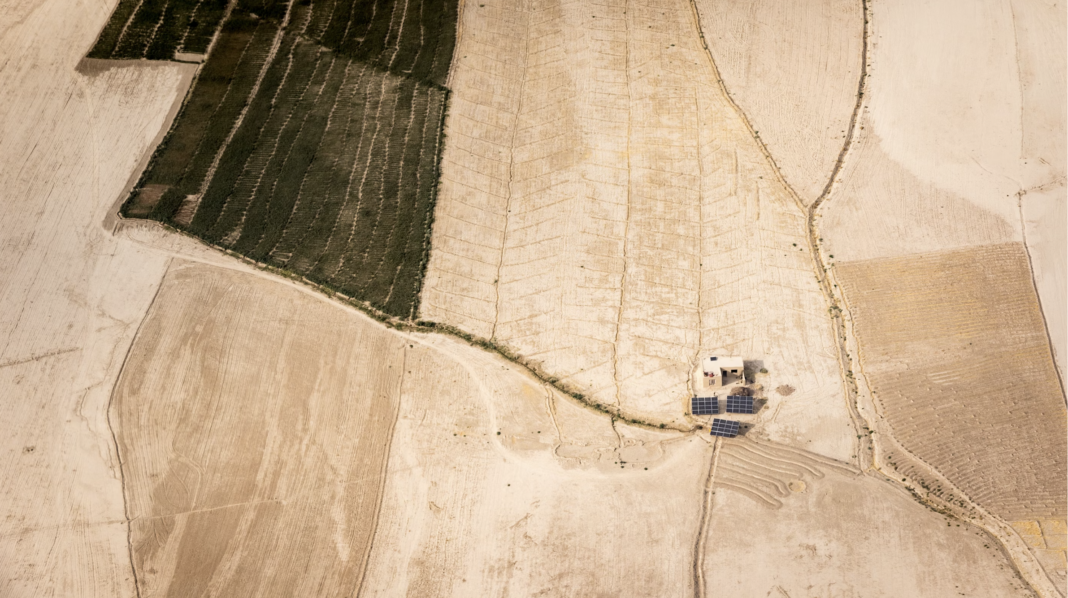
Afghanistan farm uses solar panels to pump water to the farm.
Afghanistan farm uses solar panels to pump water to the farm. Water management, climate change mitigation is needed to stop unrest, violence and conflict in the Middle East. The Taliban currently controls Afghanistan.

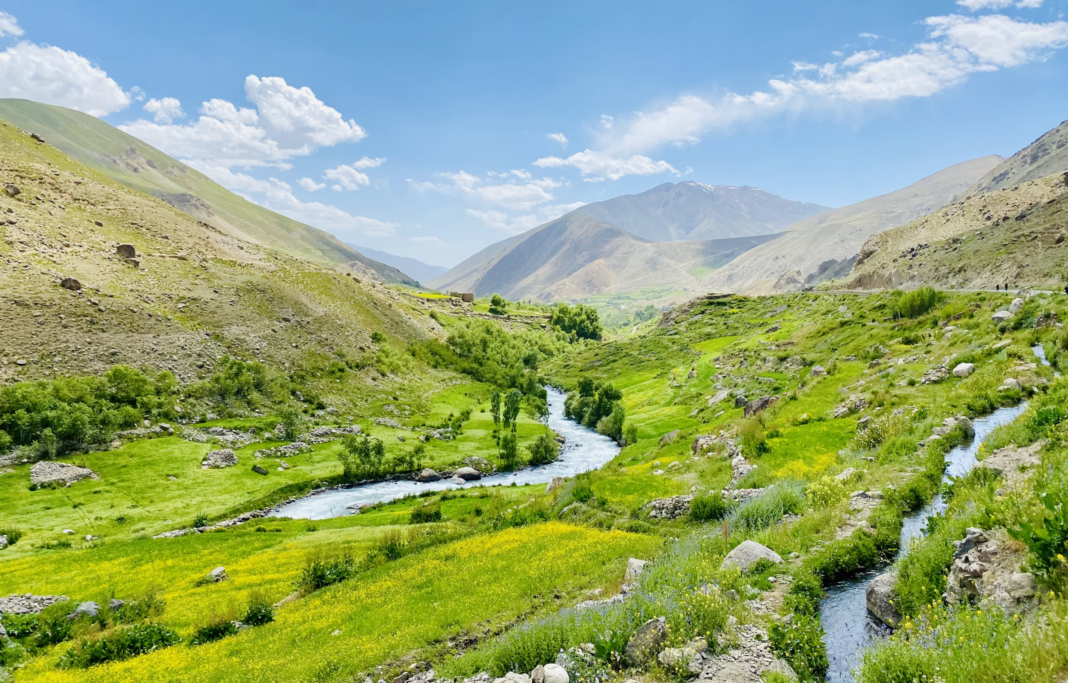
After a long dry spell last autumn and winter, Afghanistan and its neighboring Middle East countries have been witnessing unusually heavy rains and snowfall this year. In recent news, about 35 people are presumed dead from flooding in Afghanistan.

This comes less than a few weeks after the United Arab Emirates and Oman were flooded. According to the Emirati National Center for Meteorology, this April’s rain was the heaviest rainfall recorded in 75 years. Mid-April, more than a year’s worth of rain fell in a day on the Arabian Peninsula, one of the world’s driest regions.

Some suggest that ongoing experiments in cloud seeding is the reason for the freak weather. Others note that it’s a bigger experiment than that: human-made climate change.

From April 14 to 15 this year, the United Arab Emirates and northern parts of Oman say the rainfall accounted for at least 20 fatalities in Oman and four in the UAE.

Israel also clocked the hottest temperatures on record in April, at 40 degrees C beating a 30-year record. According to research from the University of Roehampton in England, the human body may lose the ability to rid of excessive heat and stop functioning optimally when outside temperatures reach beyond 40 degrees Celsius (104 F).

Afghanistan, run by the Taliban, is one of the most vulnerable countries to climate change. As climate change affects water, farming, food –– we will see more unrest and terror –– exactly what happened in Syria during its civil war period. About 580,000 people died in Syria as a result of water insecurity, food insecurity, with millions more as displaced as refugees in Lebanon, Turkey, Jordan, Europe and Canada.

Syrians are currently under the thumb of a cruel dictator Basher Al-Assad and his British-born private-school educated wife Asma Al-Assad. The Syrian economy runs on drug money.

Why Afghanistan is especially vulnerable to climate change

  1. Water Scarcity: Afghanistan heavily relies on snowmelt and rainfall for its water supply, particularly for irrigation in agriculture, which sustains the livelihoods of a significant portion of the population. However, changing precipitation patterns and the melting of glaciers due to rising temperatures are leading to reduced water availability, exacerbating existing water scarcity issues.
  2. Droughts and Floods: Erratic rainfall patterns have intensified the frequency and severity of droughts and floods in Afghanistan. Prolonged droughts devastate agricultural output, exacerbate food insecurity, and drive rural communities into poverty. Intense rainfall events trigger flash floods, destroying infrastructure, homes, and crops, and displacing thousands of people annually.
  3. Displacement and Conflict: The intersection of climate change impacts with existing socio-political challenges further compounds Afghanistan’s vulnerability. Displacement driven by climate-induced disasters strains already fragile social systems, exacerbates resource competition, and can fuel conflict over dwindling water and arable land, perpetuating a cycle of instability and insecurity.

If we don’t want to see more mass migrations from the Middle East to Europe and North America, we as people of the world need to help find solutions to those in vulnerable, dry lands in the Middle East and Africa. People will have no choice but to flee to cooler, more prosperous lands.

Hot this week

The Fitness App Revolution: Building the Future of Wellness Through Strategic Development

In an era where smartphones are ubiquitous and health consciousness is at an all-time high, the fitness industry has undergone a radical digital transformation. Fitness applications have moved far beyond simple pedometers, evolving into comprehensive wellness platforms that serve as personal trainers, nutritionists, and community hubs right in our pockets.

A Brief History of Basil From India to Italy

Beloved, fortunate, sweet, and royal; an herb with a long and storied history in Asia and across the world. Called by many names, basil has featured in previous Green Prophet articles, so enjoy another serving, a brief history of basil.

How Renewable Energy is Revolutionizing the Way We Power Our World

Solar has become the star of the transition thanks to modular hardware and straightforward installation. It fits dense cities and remote towns alike. Many companies are turning to rooftop arrays and carport systems - and exploring commercial solar installation as a practical way to lock in future savings.

How does one start prepping?

Faced with an extreme winter storm this year, Americans wonder how to be prepared for catastrophe. Miriam has lived through wars in the Middle East - so she's prepared on giving you a guide to prepping.

Fishermen sue tire manufacturers on behalf of the salmon

A federal trial in San Francisco has brought US tire manufacturers, fishing groups, and environmental scientists into court over a chemical most drivers have never heard of — but which scientists say may be silently reshaping aquatic ecosystems.

Topics

The Fitness App Revolution: Building the Future of Wellness Through Strategic Development

In an era where smartphones are ubiquitous and health consciousness is at an all-time high, the fitness industry has undergone a radical digital transformation. Fitness applications have moved far beyond simple pedometers, evolving into comprehensive wellness platforms that serve as personal trainers, nutritionists, and community hubs right in our pockets.

A Brief History of Basil From India to Italy

Beloved, fortunate, sweet, and royal; an herb with a long and storied history in Asia and across the world. Called by many names, basil has featured in previous Green Prophet articles, so enjoy another serving, a brief history of basil.

How Renewable Energy is Revolutionizing the Way We Power Our World

Solar has become the star of the transition thanks to modular hardware and straightforward installation. It fits dense cities and remote towns alike. Many companies are turning to rooftop arrays and carport systems - and exploring commercial solar installation as a practical way to lock in future savings.

How does one start prepping?

Faced with an extreme winter storm this year, Americans wonder how to be prepared for catastrophe. Miriam has lived through wars in the Middle East - so she's prepared on giving you a guide to prepping.

Fishermen sue tire manufacturers on behalf of the salmon

A federal trial in San Francisco has brought US tire manufacturers, fishing groups, and environmental scientists into court over a chemical most drivers have never heard of — but which scientists say may be silently reshaping aquatic ecosystems.

Listening to Water: Tarek Atoui’s Next Work for Tate Modern

Born in Beirut, Lebanon in 1980 and now living in Paris, Atoui has spent years building instruments that don’t sit comfortably in concert halls. Many of them involve water, glass, and ceramics — materials that react to sound instead of simply producing it.

Leading Through a Dual-Energy Transition: Balancing Decarbonisation with Energy Security

Experience in one area of the energy industry isn't enough to guarantee readiness across all the others. That's where a structured program like an MBA in energy can come in. Today's advanced curricula explore energy economics, finance, policy, and strategic management alongside the technical subjects. And when pursuing an energy MBA online, professionals can skill up and retrain without having to step out of the labor market -- an important perk at a time when skilled professionals are already in short supply.

From Green Energy to Healthy Societies: Why old systems thinking is becoming relevant again

Across the Middle East and North Africa, large investments are being made in green hydrogen, renewable energy, water infrastructure and sustainability. Most of these efforts are discussed in the context of climate change, decarbonization and economic diversification. That framing is important, but it may not capture their full value.

Related Articles

Popular Categories