Who was Daniel Hillel and how has he forever changed water’s relationship to food? He was an American who moved to Palestine in the 1940s. He then pioneered desert agriculture in Israel’s Negev Desert.
Daniel Hillel was born the youngest of five children in Los Angeles, California, at the beginning of the Great Depression. His father died in 1931 when Daniel was one year old, and shortly thereafter his mother moved the family to live with her parents in Palestine, a part of which eventually became the State of Israel in 1948.
At the age of nine, Daniel was sent to live in the countryside on a kibbutz. His experience in this dry, agrarian setting inspired his lifelong appreciation of the land and the need to protect its resources, leading him to pursue an academic and professional career in agriculture.
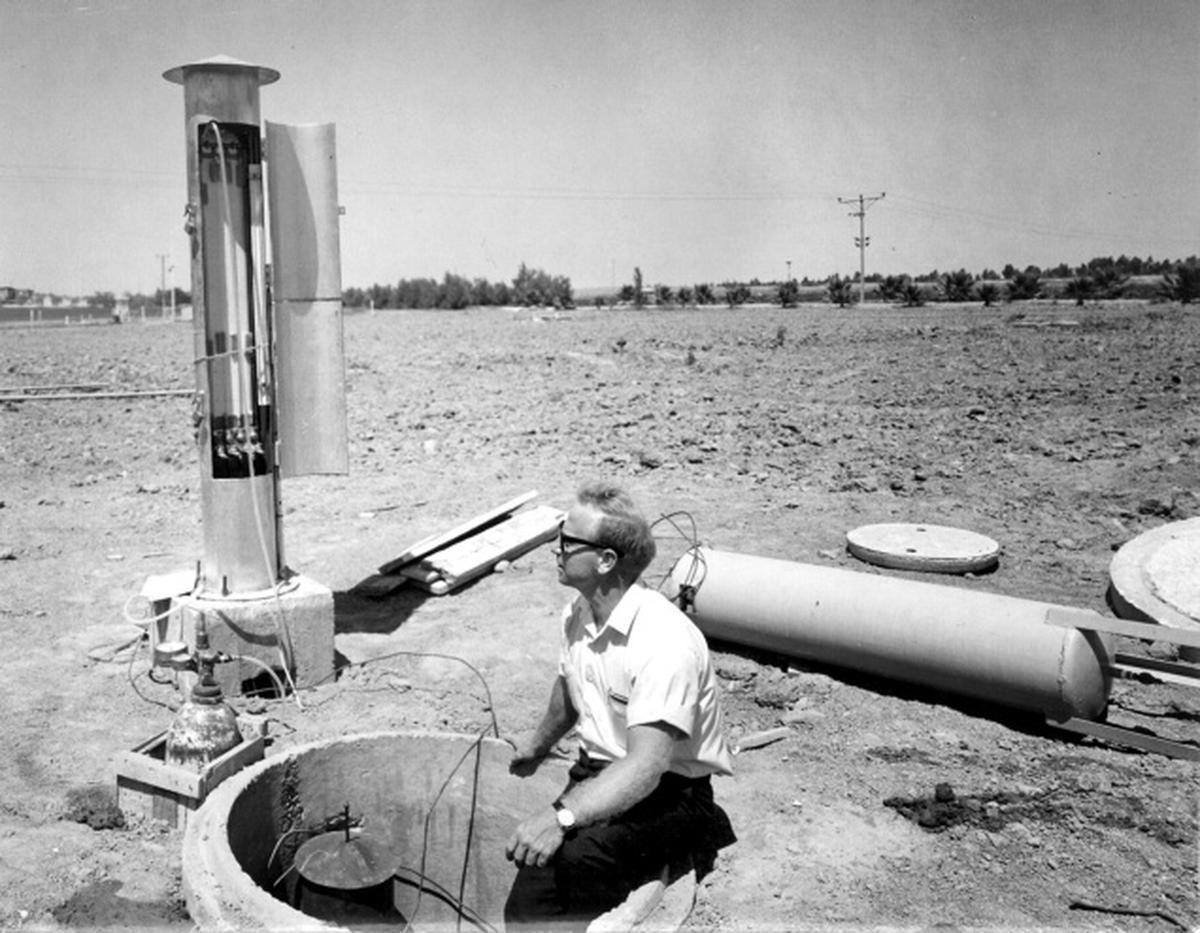
In 1946, the teenaged Hillel returned to the United States to attend high school in Charleston, South Carolina, the former hometown of his maternal grandparents. He earned a Bachelor of Science degree in agronomy from the University of Georgia in 1950, and a Master of Science degree in earth sciences from Rutgers University in 1951.
Hillel’s first posting upon returning to the nascent state of Israel in 1951 was with the Israeli Ministry of Agriculture, where he took part in the first mapping of the country’s soil and irrigation resources.
He soon left the Ministry to join a group of idealistic settlers dedicated to creating a viable agricultural community in the Negev Desert highlands by nurturing the region’s meager but vital resources.
In 1952, he took part in establishing the Negev settlement of Sde Boker. When the country’s first Prime Minister, David Ben Gurion, toured the area with his wife a year later, he was so impressed by that venture that he resigned from the government and became a member of Sde Boker.
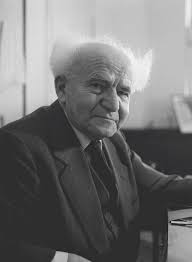
Ben Gurion and Hillel became close friends as they worked together on the kibbutz. Recognizing the young scientist’s exceptional capabilities, Ben Gurion sent him on goodwill missions to promote sustainable agricultural techniques in developing countries. In 1956, Hillel was sent to Burma on his first assignment to help develop the country’s frontier.
Later, in 1957, he earned a Ph.D. in soil physics and ecology at Hebrew University of Jerusalem, then did post-doctoral work at the University of California in soil physics and hydrology from 1959 to 1961.
He pioneered drip irrigation
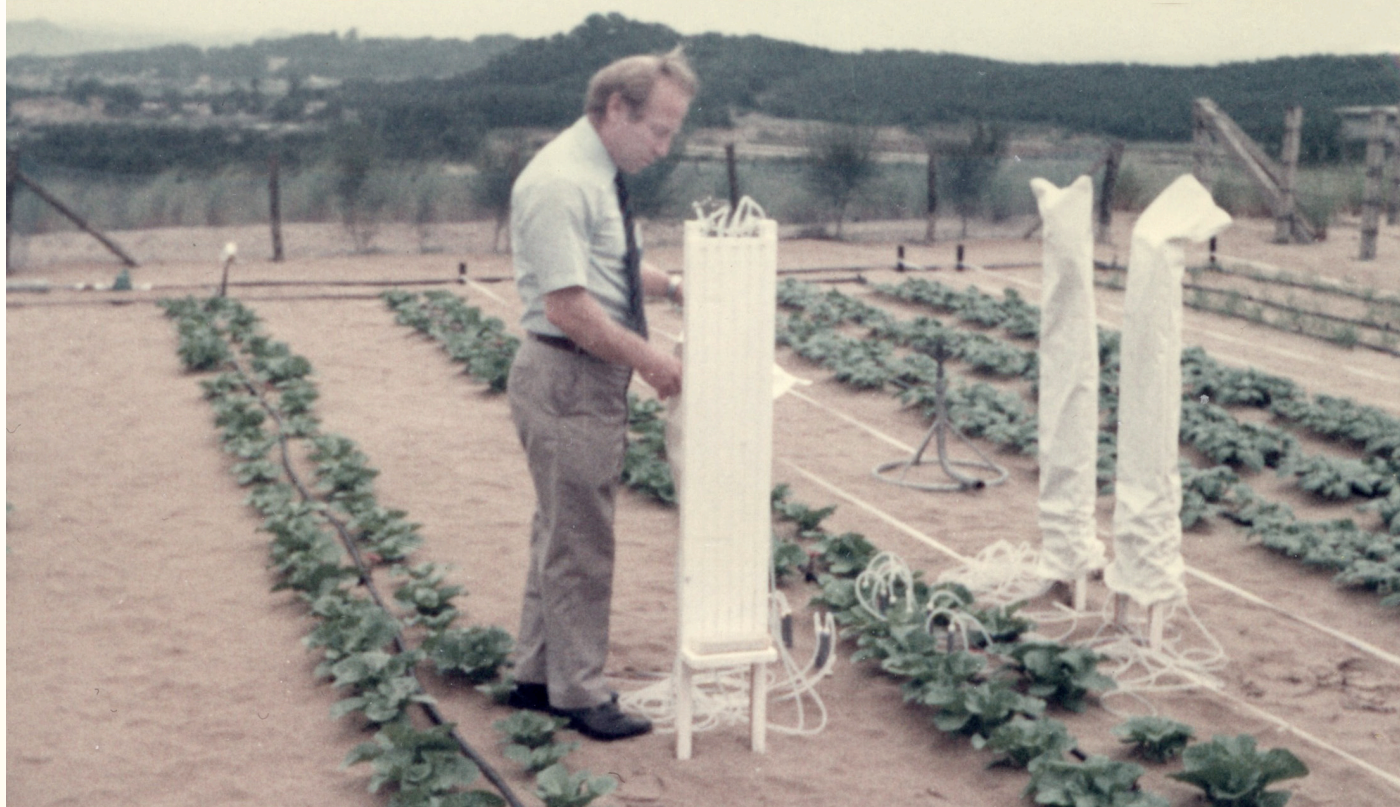
Throughout his work, Hillel pioneered a new approach to irrigation that led to a dramatic shift away from the prevailing method used in the first half of the 20th century, which applied water in brief periodic episodes of flooding to saturate the soil, followed by longer, drying out periods. The new, innovative method developed and disseminated by Hillel and others in Israel applied water continuously, in small amounts, directly to the plant roots, with dramatic results in plant production and water conservation.
Hillel is featured in the film Symphony of Soil
Hillel’s development and promotion of better land and water management clearly demonstrated that farmers no longer needed to depend on the soil’s ability to store water, as was the case when using the age-old method of high volume, low frequency irrigation.
The technology he advanced, including drip, trickle and continuous-feed irrigation, has improved the quality of life and livelihoods throughout the Middle East and around the world.
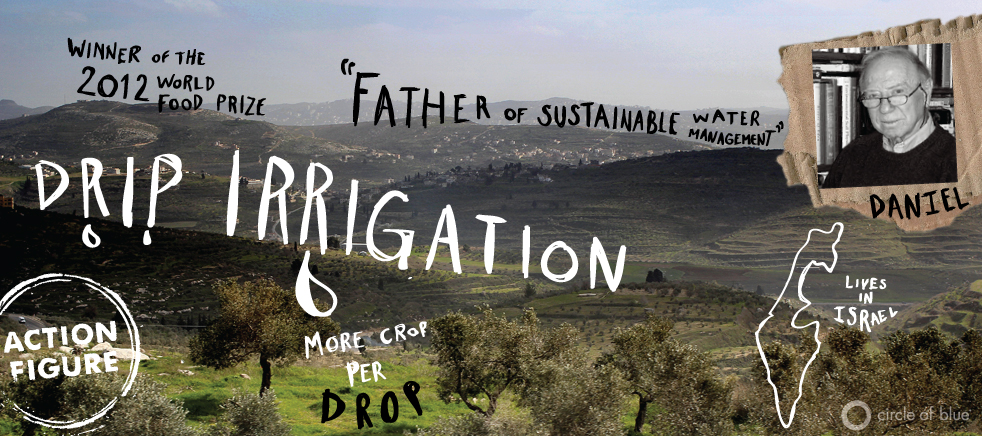
Hillel proved that plants grown in continuously moist soil, achieved through micro-irrigation, produce higher yields than plants grown under the old flooding or sprinkler irrigation methods. Using less water in agriculture per unit of land not only conserves a scarce resource in arid and semi-arid regions, but also results in significantly “more crop per drop,” with the successful cultivation of field crops and fruit trees – even in coarse sands and gravel.

By integrating complex scientific principles, designing practical applications, and achieving wide outreach to farmers, communities, researchers, and agricultural policymakers in more than 30 countries, Hillel has impacted the lives of millions.
His water management concepts—promoted by the UN Food and Agriculture Organization as HELPFUL (High-frequency, Efficient, Low-volume, Partial-area, Farm-unit, Low-cost)—have spread from Israel to Asia, Africa, Australia, and the Americas. HELPFUL irrigation technology is now used to produce high-yielding, nutritious food on more than six million hectares worldwide.
Harvesting rainwater
Hillel also helped devise a range of other adaptable, sustainable water management techniques for arid regions, specifically, harvesting rainwater by inducing and collecting runoff from sloping ground, which could allow farmers to grow crops on previously barren lands.
His innovative approaches to enhancing infiltration and reducing evaporation through soil surface treatments have enhanced agricultural productivity. He has defined ways to control the leaching of solutes, the water-logging of root zones, and the erosion of topsoil by precisely determining the supply of water required with only small increments of percolation and drainage needed to prevent salt accumulation.
Hillel participated in many missions around the world, working for and with international agencies and organizations such as the World Bank, the UN Food and Agriculture Organization (FAO), and the U.S. Agency for International Development to promote water-use efficiency in dozens of countries in Africa, Asia, and South America. He also worked with the International Food Policy Research Institute in Washington D.C. and the International Development Research Center of Canada.
He held positions as a Senior Research Scientist at the Center for Climate Systems Research, part of the Earth Institute of Columbia University, and with NASA/Goddard Institute for Space Studies.
Along with his international field and development work, Hillel embarked on a career in academia as a researcher and professor at the Hebrew University in Jerusalem, the University of Massachusetts, Columbia University, and other major research centers worldwide.
He wrote or edited more than 20 books on soil and water science; his seminal textbooks have been translated into 12 languages. He has published more than 300 scientific papers, research reports, and practical manuals, and authored books for the general public on the vital role of soil and water in healthy agro-ecosystems.
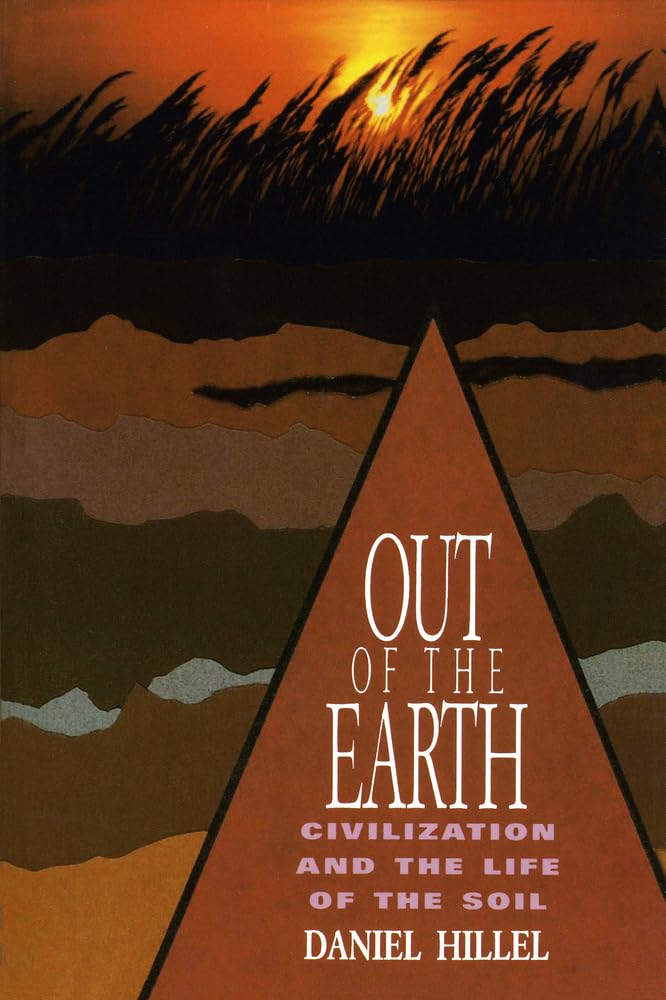
Hillel demonstrated the synergistic linkages across food production, water management, and soil science. His achievements have been and will continue to be essential to extending the Green Revolution and confronting the many global challenges in fighting hunger and poverty into the next century.
For his critical work in developing new micro-irrigation systems and disseminating this revolutionary approach to more than 30 countries, he was awarded The World Food Prize in 2012. Significantly, his nomination included letters of support from individuals from three Arab countries.

At the ceremony at which he received The World Food Prize, the Secretary General of the United Nations, H.E. Ban Ki-moon joined in presenting the sculpture to him, and Princess Haya bint Al Hussein and Sheikh Hamad Bin Ali Bin Jassim Al-Thani of Qatar were also in the audience.
“Water has been a very big topic of concern here in the State Department,” said then Secretary of State Hillary Rodham Clinton. “We have tried to focus our government’s attention and the world’s attention on the importance of getting ahead of what will be a devastating water crisis if we are not smarter and more purposeful in addressing the problems now. It’s especially fitting that we honor today someone who has made such contributions because he understood the critical role that water plays in agriculture and the importance of getting every last drop used efficiently.”
Hillel said in a statement on winning the award: “My joy and gratitude at being granted the World Food Prize this year is tempered by the realization that the work this award recognizes is far from complete. The task of improving the sustainable management of the Earth’s finite and vulnerable soil, water, and energy resources for the benefit of humanity while sustaining the natural biotic community and its overall environmental integrity is an ongoing and increasingly urgent challenge for our generation and for future generations.
“Meeting this challenge will require enhanced global cooperation and integrated scientific research. It is a task, indeed a collective responsibility, that we cannot shirk and must indeed broaden and intensify.”
Daniel, sadly, passed away in 2021 and was given a tribute by World Scientific Publishing, where he published a number of books. Using less water in agriculture per unit of land not only conserves a scarce resource in arid and semi-arid regions, but also results in significantly “more crop per drop”.
Hillel was also a dedicated teacher who, through his signature textbooks, literally taught thousands of students the fundamentals (or as he would say, “Da Mental Fun”) of soil and water processes.
We wish we could have met this incredible man.