What’s a food desert and how can we solve them?

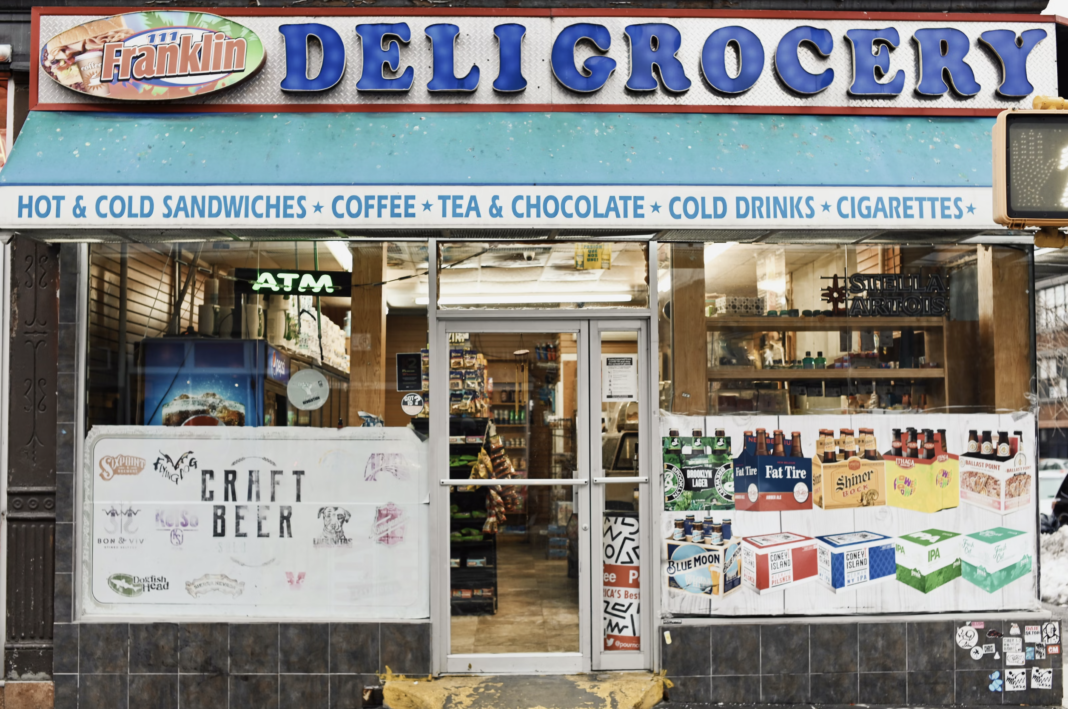
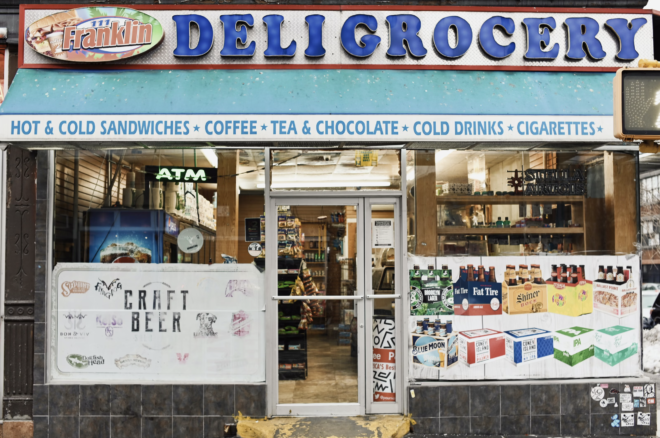
Bodegas in New York advertise food but they are part of the problem
Bodegas in New York advertise food but they are part of the problem. Fresh, healthy food is hard to come by in cities. It’s easier to grab a bar of chocolate and candy than a fresh fruit.

What is a food desert?

A food desert is where there is limited to no access to affordable, fresh, and nutritious food. In these regions, the availability of grocery stores, supermarkets, and other sources of healthy food options is scarce. Instead, residents often rely on convenience stores or fast-food outlets that offer mainly processed and unhealthy food choices.

Characteristics of a food desert include:

  • Limited Access to healthy food
  • Low-Income Population
  • Lack of Fresh Produce
  • Health Impacts
  • Food Security Concerns
  • Socioeconomic Factors

Two in five people cannot afford healthy food. Over 3.1 billion people, 42% of the global population, could not afford a nutritious diet in 2021, nearly half of the world’s population. The cost of a healthy diet has risen by almost 7% compared to pre-pandemic levels. 

Low-income households are facing a difficult situation because they would need to spend more than twice their current food budget to afford a healthy diet, as reported. 
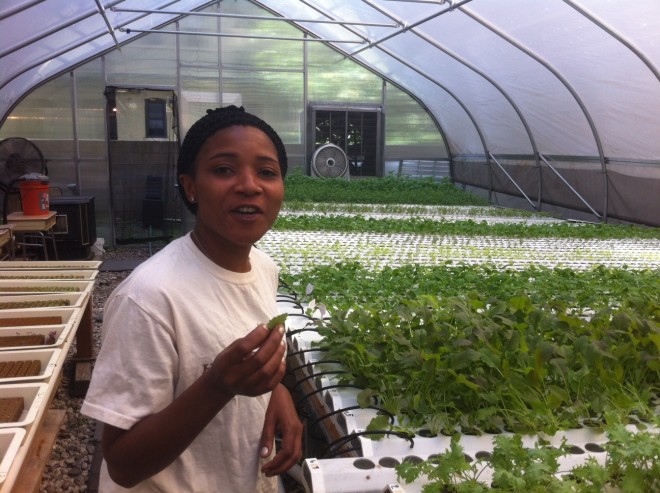
Harlem Grown is a hydroponic farm solving food deserts.

Food insecurity is a growing challenge for the Middle East and North Africa (MENA). Before the Covid-19 pandemic, UN agencies found that more than 55 million people out of a total population of 456.7 million were experiencing undernourishment. In 2020, MENA accounted for 20% of the world’s acutely food-insecure population, disproportionately high compared to its 6% share of the global population. 

The region faces significant structural challenges in feeding its growing population. The first major challenge is climate change, with extreme weather and rising temperatures affecting local agriculture. Half of the MENA population already lives under water stress and with a projected population increase to nearly 700 million by 2050, per capita. Additionally, the region experienced a severe desert locust outbreak in 2020, impacting livelihoods and food security for millions.

The second challenge is the rapid population growth, which is the highest worldwide, coupled with the expansion of urban areas. Agricultural productivity is struggling to keep up with the population increase, except in Egypt, where productivity gains are above the global average.

The third challenge relates to diet and nutrition. The region heavily relies on food imports, mainly wheat and staple grains. MENA imports around half of its food, rising to 90% in Gulf Cooperation Countries. Many people’s caloric intake comes from wheat products subsidized by governments. Additionally, between a quarter and one-third of the adult population in the region is obese.

The current food system needs to nourish people’s health adequately. While it provides calories, it lacks sufficient nutrition. As a result, many individuals face the dual challenges of malnutrition, experiencing both stunting and obesity.

In Yemen, almost half of the children are underweight for their age. In Djibouti, one-third suffer from the same condition, causing long-term effects on their cognitive development and can impact the economic progress of their nations.

How to address food deserts?
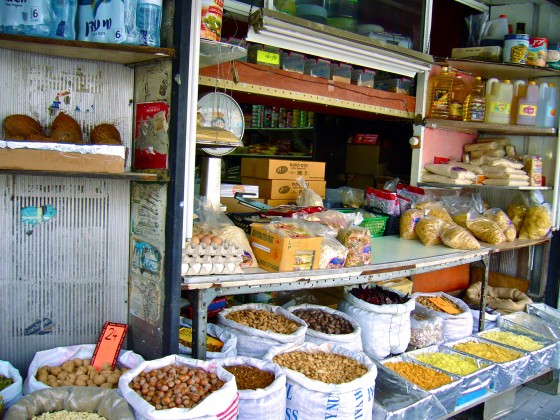
  • Reducing the heavy reliance on food imports to combat fluctuating food prices.
  • Support local food markets, small businesses and healthy existing traditional food culture
  • Invest in agricultural practices and technologies that adapt to climate change, such as hydroponics, conservation agriculture, and safe water usage. 
  • Digital technology and innovative financial models can attract private investment in agriculture and hydroponics.
  • Development interventions that support farmers in adopting more productive and sustainable systems resilient to climate-related risks like droughts and floods.
  • Improving agricultural job quality and making the agri-food sector more attractive
  • Implementing initiatives like entrepreneurship training and climate-smart practices
  • Implementing social protection measures such as safety nets and targeted food aid programs 
  • Improve the efficiency of food imports and storage.
  • Show the world that grandma’s cooking is smart and healthy


LEAVE A REPLY

Please enter your comment!
Please enter your name here

TRENDING

Farm To Table Israel Connects People To The Land

Farm To Table Israel is transforming the traditional dining experience into a hands-on journey.

Lion’s Mane Mushroom Recipe

Eyeing the mushrooms for sale in the local supermarket,...

Slow food market Souk el Tayeb in Lebanon celebrates food and Eid El Barbara

What makes Souk El Tayeb in Lebanon remarkable is not only its insistence on local, seasonal produce, but its belief that dignity and sustainability must go hand in hand. Farmers are paid fairly. Villages are uplifted. Traditional recipes are kept alive not as nostalgia but as knowledge systems: real food is carbon-light, waste-free, and is adapted to the land.

Best cheese made without cow milk

Sheep, goat, and buffalo milk create some of the world’s most flavorful cheeses. And if you are going an extra step and can find it, camel milk cheese might be one to try.

Qatar’s climate hypocrisy rides the London Underground

Qatar remains a master of doublethink—burning gas by the megaton while selling “sustainability” to a world desperate for clean air. Wake up from your slumber people.

How Quality of Hire Shapes Modern Recruitment

A 2024 survey by Deloitte found that 76% of talent leaders now consider long-term retention and workforce contribution among their most important hiring success metrics—far surpassing time-to-fill or cost-per-hire. As the expectations for new hires deepen, companies must also confront the inherent challenges in redefining and accurately measuring hiring quality.

8 Team-Building Exercises to Start the Week Off 

Team building to change the world! The best renewable energy companies are ones that function.

Thank you, LinkedIn — and what your Jobs on the Rise report means for sustainable careers

While “green jobs” aren’t always labeled as such, many of the fastest-growing roles are directly enabling the energy transition, climate resilience, and lower-carbon systems: Number one on their list is Artificial Intelligence engineers. But what does that mean? Vibe coding Claude? 

Somali pirates steal oil tankers

The pirates often stage their heists out of Somalia, a lawless country, with a weak central government that is grappling with a violent Islamist insurgency. Using speedboats that swarm the targets, the machine-gun-toting pirates take control of merchant ships and then hold the vessels, crew and cargo for ransom.

Leopoldo Alejandro Betancourt López Turned Ocean Plastic Into Profitable Sunglasses

Few fashion accessories carry the environmental burden of sunglasses. Most frames are constructed from petroleum-based plastics and acrylic polymers that linger in landfills for centuries, shedding microplastics into soil and waterways long after they've been discarded. Leopoldo Alejandro Betancourt López, president of the Spanish eyewear brand Hawkers, saw this problem differently than most industry executives.

Why Dr. Tony Jacob Sees Texas Business Egos as Warning Signs

Everything's bigger in Texas. Except business egos.  Dr. Tony Jacob figured...

Israel and America Sign Renewable Energy Cooperation Deal

Other announcements made at the conference include the Timna Renewable Energy Park, which will be a center for R&D, and the AORA Solar Thermal Module at Kibbutz Samar, the world's first commercial hybrid solar gas-turbine power plant that is already nearing completion. Solel Solar Systems announced it was beginning construction of a 50 MW solar field in Lebrija, Spain, and Brightsource Energy made a pre-conference announcement that it had inked the world's largest solar deal to date with Southern California Edison (SCE).

Related Articles

Popular Categories