
The warming of our climate has triggered many consumers to want to do their part to make sustainable changes for our environment. However, it can be tricky to know where to begin, especially when it comes to food.
If you are looking to start making more sustainable food choices, check out these 5 tips below to help get you started.
1. Shop Local
Choosing to purchase foods from local farmers markets and vendors can help reduce pollution from transportation emissions and habitat loss from congested roadways. Local farms often make local purchases which means less transportation.
Additionally, choosing to purchase produce from local farmers can cut down significantly on plastic use as many of these items are not packaged or wrapped whereas many grocery stores wrap pre-cut or pre-portioned produce items in plastic wraps that are single use.
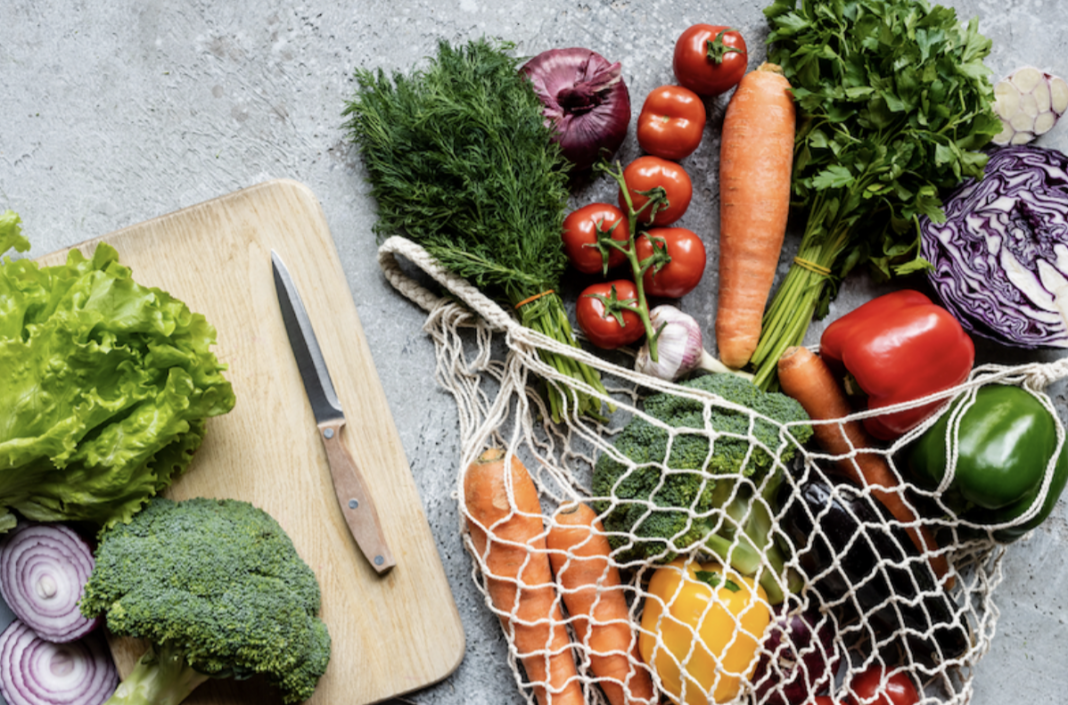
Reducing plastic wraps by buying local can help to reduce your carbon footprint, especially if you choose to bring your own reusable bags.
Another advantage of buying local is more options for organic, in-season produce at a better price than at traditional grocery stores. This allows you to make more sustainable choices on a budget.
2. Try Out Meatless Mondays

Choosing to eat more plants and less animal products can help to reduce greenhouse gas emissions. Traditional farming practices for livestock require a large amount of space, water, and feed and generate nearly 15% of all man-made greenhouse gas emissions.
Choosing to incorporate more plants and less meat can help to reduce these emissions while also helping to bring more variety to your diet with fruits and vegetables.
An easy way to start incorporating this in is by doing things like Meatless Mondays. Choose a day and get the whole family involved in creating a meatless meal to enjoy together. You’ll feel better about the health of your family as well as the planet.
3. Bring Your Own Bags
Cut down on plastic items by bringing your own reusable grocery bags to the store. You can also bring reusable produce bags and ziploc bags for storing your food items at home.
Single-use plastic items such as grocery bags litter our landfills and pollute our oceans, negatively affecting the health and wellbeing of our valuable marine life. In fact, over 400 million tons of plastic are produced yearly and of that nearly 14 million tons end up in the ocean.
Reusable bags aren’t limited to grocery stores either. Consider keeping a reusable bag in your car or in your purse whenever you go out to cut down on plastic waste.
4. Grow Your Own
Another great way to reduce your carbon footprint and create a fun and healthy hobby is to grow your own food. Creating a garden with a variety of fruits, vegetables, and herbs can not only fill you with pride but it also helps to reduce carbon emissions from burning fossil fuels, similar to purchasing from a local farmers market.
Additionally, no plastic packaging is needed and there is no concern for potentially harmful pesticides and herbicides. Not to mention, having home-grown food means less trips to the grocery store and more time outside in the sunshine.
5. Choose Supplements Wisely

Lastly, be sure to choose eco-friendly supplements. This means choosing products with minimal and sustainably grown and sourced ingredients.
For example, choose the pea protein powder from Naked Nutrition to encourage better farming practices (pea protein is an ideal alternative to whey for those on a plant based diet due to its superior amino acid profile).
You also want to look for supplements that include clean and pure ingredients that were sourced in the jurisdictions with stringent standards of clean manufacturing practices.
Choosing items that come in larger containers with a longer shelf life can help to avoid frequently purchasing items using single-use packaging. Bonus, buying bulk is typically easier on the budget while being friendlier towards Mother Earth.
6. Bottom Line
There are many easy ways you can incorporate sustainable food choices into your daily routine. If you aren’t sure where to start, consider one of the 5 options listed above.
While it may take some time to work yourself up to big, eco-friendly changes in your routine, even the smallest steps can make a big difference on the environment.