


Since the UN’s dire climate change report was published, it’s safe to say that many of us have found ourselves taking a closer look at our daily habits. Of course, we all know that fossil fuel companies shoulder most of the blame for the current state of our planet. But when you sit down and think about how your own choices impact the environment, chances are you’ll realize that your personal carbon footprint is bigger than you might think.
If you want to do your part to help the planet, making a few simple changes to your daily routine is a great place to start. Here’s how you can reduce your personal carbon footprint and make sustainability a part of your everyday life.
Shop with reusable bags.
Plastic bags are ubiquitous at most supermarkets. The sad part is these single-use bags are typically used for about 15 minutes before they’re tossed in the trash and eventually buried in a landfill where they never truly degrade. Make your next shopping trip a plastic-free one by using cotton mesh produce bags in lieu of single-use plastics. Reusable mesh produce bags are durable, washable and come with the added bonus of keeping your produce fresher for longer, which means less food waste and plastic waste!
Eat low on the food chain.

Food production is responsible for one-quarter of all greenhouse gas emissions, and an overconsumption of animal products is a big reason why. Meat, dairy and other food sources that are high on the food chain require a gobsmacking number of resources in the form of feed, water and land. To lower your carbon footprint, try to eat low on the food chain. Start filling your plate with more fruits, veggies, beans and grains and less meat. We’re living in a golden age of plant-based foods, so take advantage by experimenting with delicious plant-based recipes!
Replace liquid products with solid bars.
Another super simple way to cut back on plastic waste is by replacing your liquid products with solid bars. For example, switching to solid dish soap can divert two to three bottles of dishwashing liquid from a landfill. Plus, solid dish soap is often made with plant-based ingredients, which means the ingredients going down the drain will be better for the environment as well.
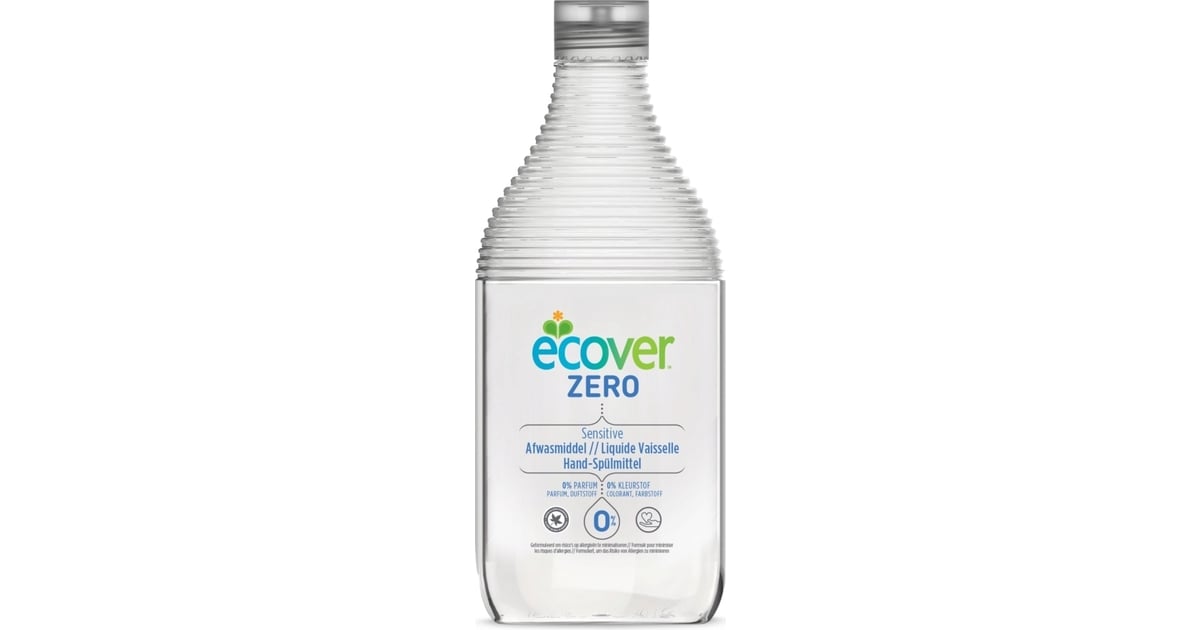
You don’t have to stop at dish soap, though. These days, you can find waterless alternatives to all kinds of products, from shampoo and conditioner to lotion and serums. Every swap can make a small but important difference to the planet.
Get serious about recycling.
Visit your city’s website and find your local recycling program. Then, take the time to learn the ins and outs of recycling. If recycling feels overwhelming, try to focus on one new material at a time. For example, maybe you go through a lot of canned food. Getting in the habit of recycling aluminum is a small but impactful step you can take to lower your environmental impact.
Tackle food waste in the kitchen.
The average American family wastes almost a third of the food they buy, amounting to an aggregate value of $240 billion annually. All that wasted food gets buried in an oxygen-deprived landfill, where it emits greenhouse gas emissions as it breaks down. The good news is there are many easy steps you can take to reduce your food waste.
- Plan your meals ahead of time and avoid buying more than your family can eat.
- Get creative with your leftovers! Use leftover ingredients to make delicious soups, burritos, frittatas and more.
- Learn how to compost at home to turn your food waste into nutrient-rich fertilizer. (Bonus points if you use your fertilizer to grow your own food!)
- Store your food correctly to avoid spoilage.
- Freeze your leftovers before they go bad.
Bonus tip: Ditch the plastic wrap and store your leftovers smartly with silicone food covers. You can use these reusable food covers on bowls, cups, cans, fruit and more.
Consider alternative modes of transportation.
Unless you drive an electric vehicle, getting behind the wheel means emitting harmful greenhouse gas emissions. If you’re serious about reducing your carbon footprint, giving up your vehicle is an excellent way to do it. According to one study, going carless for a year could save approximately 2.4 tons of CO2.

Of course, going carless isn’t a feasible option for everyone. If you can’t part with your car, commit to driving it less. Here are a few tips to reduce your driving time:
- Ride a bike or walk to your destination when possible
- Take public transit
- Carpool with coworkers and friends
- Take advantage of telemedicine and other virtual technologies
Build a timeless wardrobe.
Buying trendy but cheaply-made clothing is hard on both your wallet and the environment. Rather than waste your money on clothing that won’t last the season (let alone the entire year), focus on building a timeless wardrobe that you can enjoy for years to come. Look for well-made pieces from second-hand stores and online consignment shops, such as Poshmark and ThredUp. If you must buy new clothing, spend your dollars wisely by supporting sustainable clothing brands. Reformation makes the suits below.

Watch your water usage.
Water is a far more valuable resource than most people realize. Although water covers approximately 70 percent of our planet, only 1.2 percent of it is drinkable.
Being smart with our water usage is essential to keeping our water pure and readily available while also protecting our planet. Here are a few tips to help you curb excessive water usage:
- Install low-flow showerheads, faucets and toilets.
- Turn off the faucet while washing your face or brushing your teeth.
- Fix leaks as soon as possible.
- Consider alternatives to grass lawns.
- Keep tabs on your water usage and consider a home water audit.
- Put a bucket in the shower to catch greywater and reuse it for other purposes.
Your Drop in the Bucket Counts
When you think about climate change on a global scale, it’s easy to feel like your personal habits are insignificant. But every small step counts! Collectively, our actions can and do make a difference.