
When you are managing a restaurant, food waste is a common issue that needs immediate attention. Every day, restaurants naturally waste food due to over-purchasing and over-serving. When customers over-order, all leftovers are thrown out unless the customer takes it home.
Since food waste reduction in your restaurant is beneficial for the environment, it also makes for good practice for your business. So, how do you get started? Let us take a look at the most effective ways to reduce food waste in your restaurant.
Conduct a Waste Audit
Conducting a waste audit gives you an estimate on future cost savings. Here are the steps for initiating a waste audit.
Gather a team on a specified date. Ask at least four to five people on your staff to do the audit. You need to specify a date for at least five to seven days by calling it your “Waste Audit Week.” During this week, you can get a clear estimate of the daily trash output on a weekly basis.
Determine waste categories. Make a list of waste categories before your “Waste Audit Week” starts. These are the most common waste categories: aluminum cans, cardboard, display materials, food waste, glass, material packaging, meat, paper, plastic bottles, produce, other plastic items, and signage. Feel free to add your miscellaneous categories as you conduct the waste audit.
Prepare tools. Stock up on the following supplies for your team to use during the waste audit: face masks, rubber gloves, labelled boxes with each waste category name, a scale for weighing each box, tongs, rash bags, compost bags, and clipboards for writing down the results. You also need an open space for sorting all the waste.
Sort trash. At the end of the “Waste Audit Week,” gather all recycling and trash from your restaurant. Place the trash in garbage bags and then weigh all the bags. Record the weights of each bag; this will give you an estimate of how much waste you throw out on a weekly basis. Repeat the same steps with recyclables to establish how much you recycle each week.
Analyze the results. Once you have your figures from recyclables and waste, use this data for your waste stream analysis. This is the formula to determine your waste diversion rate: Weight of trash + Weight of recyclables = Amount of both weights. Then, multiply the weight by 100. The final number you get is the percentage of the waste you dispose of into a landfill weekly.
After you have completed the audit, start executing improvements such as menu changes, serving less food, or substitutions. Once you have implemented the changes, continue to monitor your progress and don’t be afraid to schedule another food waste audit in three to six months.
Train Your Staff
Ask your kitchen staff for their input on creative ways to reduce food waste. Then, train your staff, particularly the food handlers with these specific practices. By educating your employees about food waste reduction, everyone can do their part.
Avoid Overbuying
By determining exactly what you need, you reduce overbuying. To avoid overbuying, go through your kitchen and make a list of items that you need at all times. Then, purchase those items in bulk and ensure you use them before their expiration date. Finally, go through your list of secondary items and try reducing those items by replenishing them before they run out.
Store Food Properly
To prevent contamination of your food items, ensure that your staff knows how to store food properly. When it comes to food items that spoil quickly, each food handler should know the protocol for storing high-risk food in refrigerators. If they for some reason don’t know that, definitely enroll them in another food handling course. To improve efficiency, label all perishable food containers with the date received, the expiration date, and the amount of servings.
To avoid bacteria growth, store high-risk food in refrigerators at 1-4°C and freezers set at below -18°C. The optimum temperatures for hot/cold holding are 63°C and below 8°C.
Use the FIFO method
The FIFO method stands for first-in/first-out. It is an efficient approach whereby the oldest items in your kitchen are used first, while simultaneously replacing the previous food items with the new fresh stock. For instance, if you receive meat patties on a Monday and a second batch on Friday, then the Monday meat patties should be used before serving the batch that arrived on Friday.
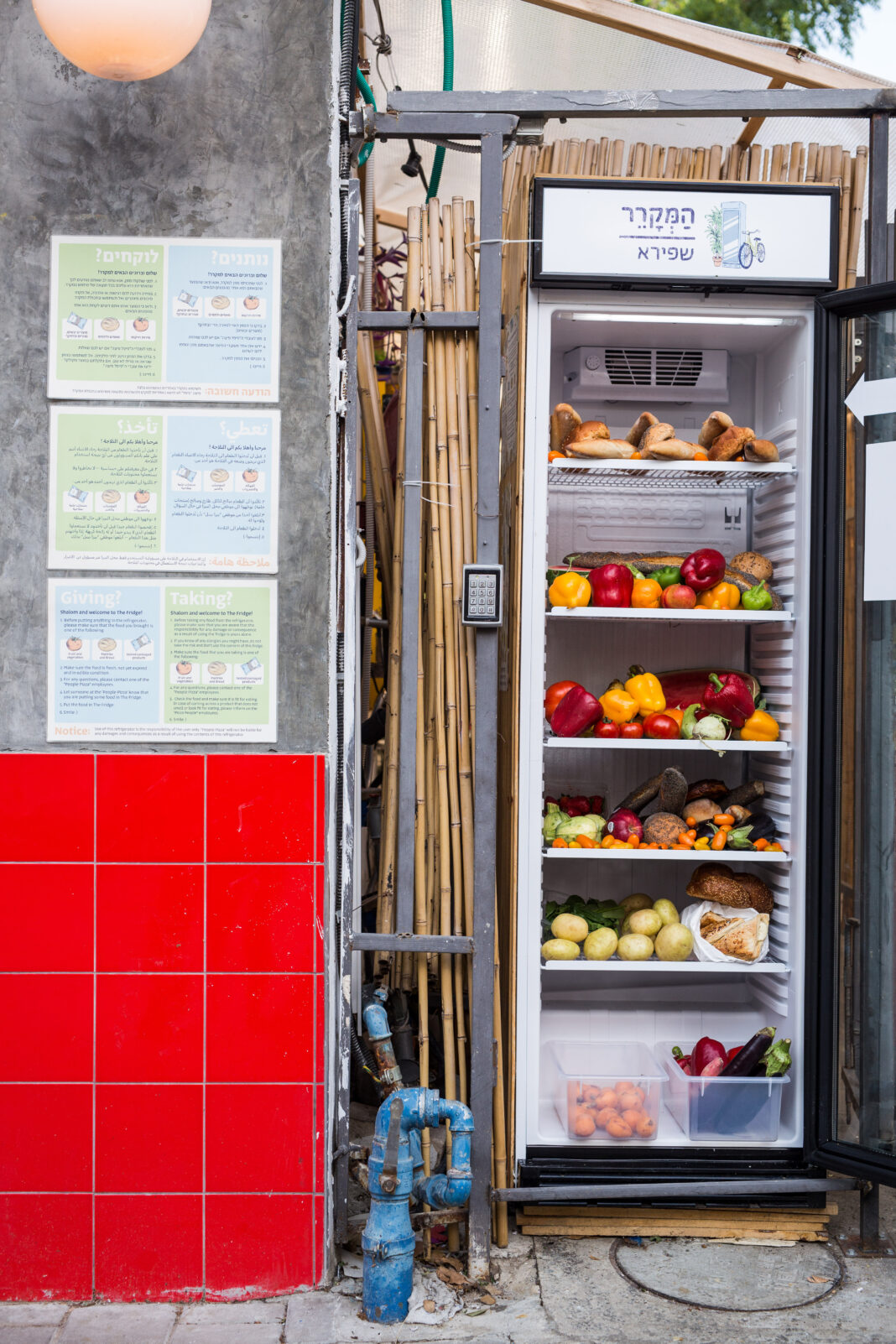
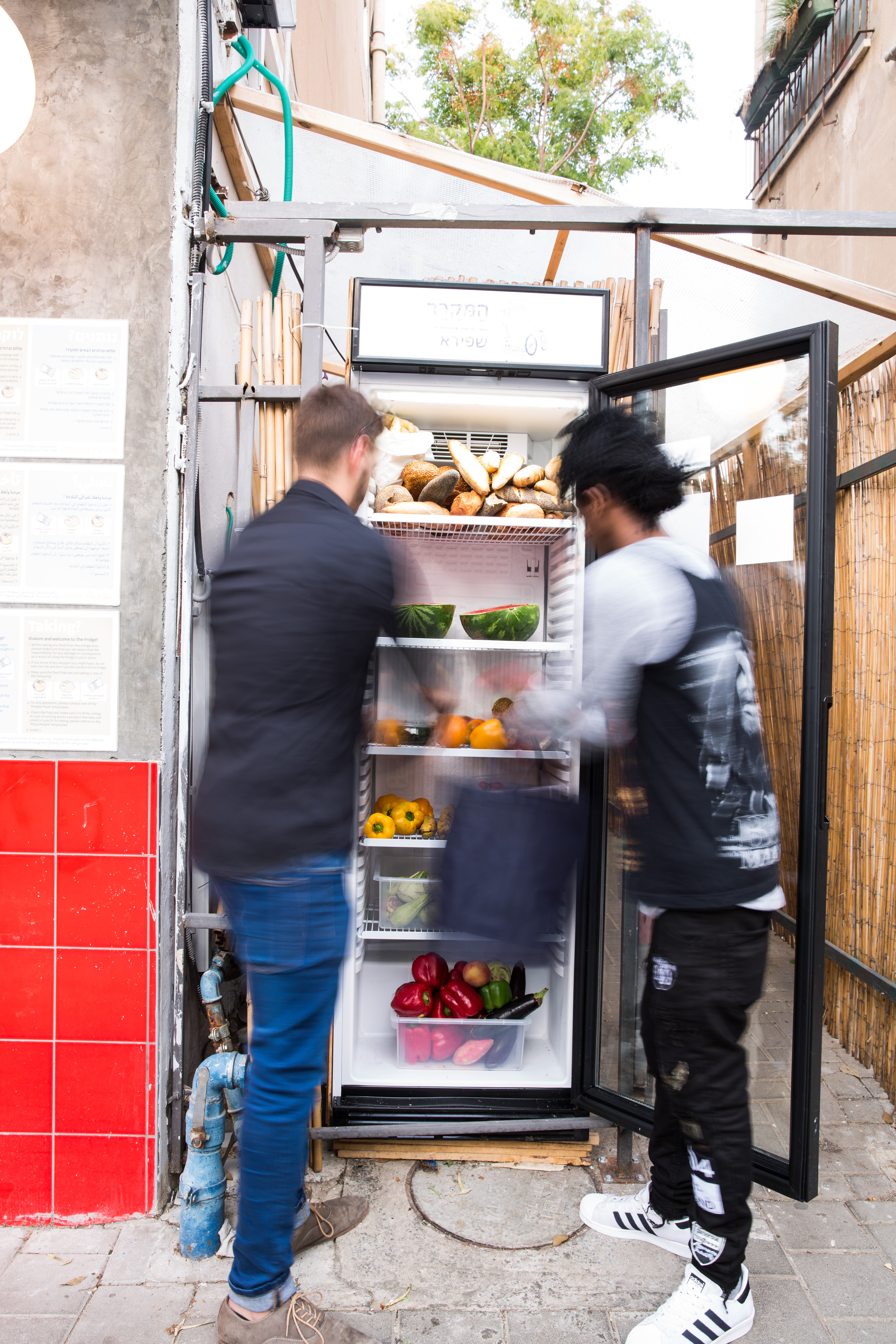
Donate Unused Food
If you want to help out your community, consider labelling food items with a “serve before” and “donate before” date. At the end of the week, ask your staff members to go through the items that are donatable, have them put those aside, and happily deliver the items to your chosen shelters with kitchens.
Compost
Many restaurants take food scraps and use compost as a natural fertilizer for landscaping. The benefits of composting food scraps is good for the environment because it reduces food waste by preventing it from being disposed of in landfills.
Final Thoughts
Managing a restaurant involves reducing as much food waste as you can. Not only can a food waste audit give you clarity on how much waste is being produced, but it can also save you on operational costs in the future. Try taking some of these quick steps to track and reduce your waste production in order to help the environment and improve your restaurant’s efficiency.