

Local, real food (#realfood) is more than a rage. It’s the new everything in food. After decades of eating shipped-in waxy veggies, greens and fruits, consumers and chefs are demanding a new kind of food. Vegetables and fruits that are local, and full of flavor. We want food with high oil and vitamin content that looks out of this world. Food that is pesticide-free.
The problem with these demands is checking all the boxes. How in the world do you grow local, fresh, tasty and diverse foods in cities like New York City where good food is more than in demand, it’s a way of life?
Going big by growing small
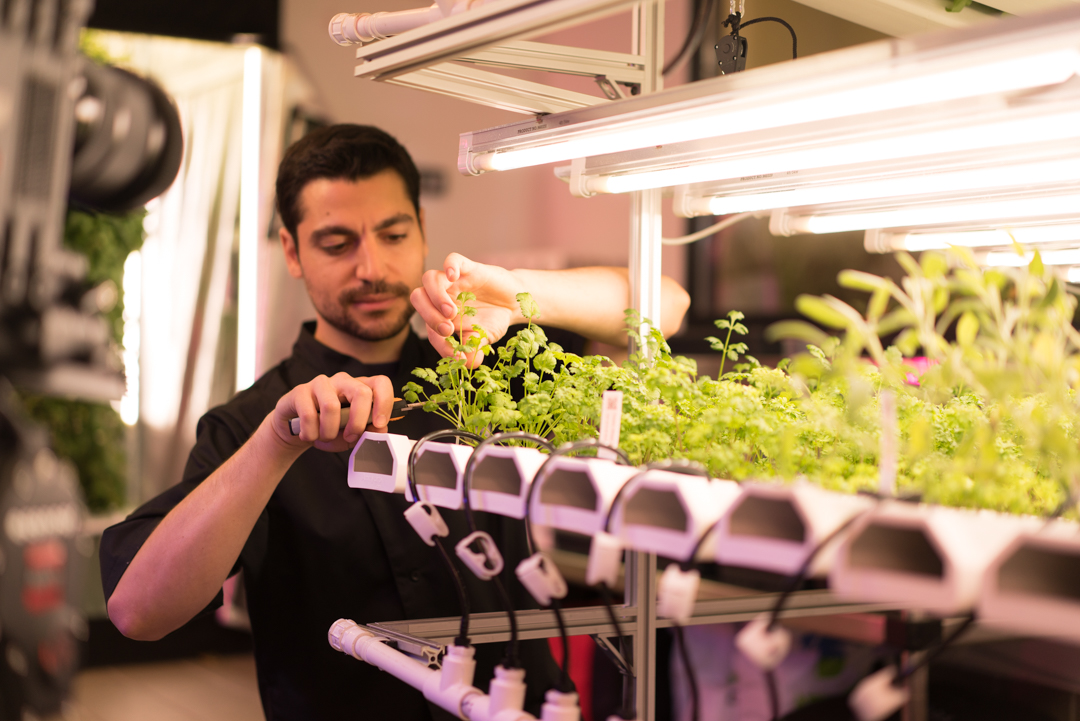
Farm.One a new urban farm startup located inside the Institute of Culinary Education in Manhattan, has a bold new idea. Instead of going “big” as its predecessors have done, this vertical farming company has done the opposite by growing small.
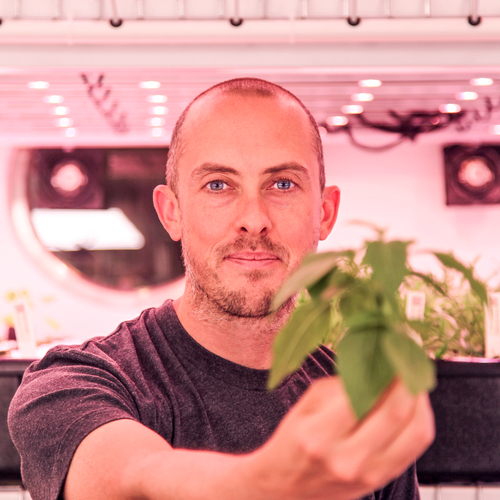
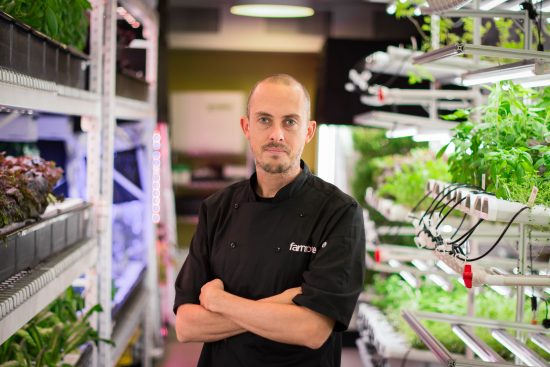
Farm.One CEO and founder Rob Laing (pictured below, and very top) came from the startup world “merry-go-round”. After founding a successful VC-backed startup, he wanted to change gears. While taking chefs classes in LA Laing discovered on outings to the farmer’s markets that new flavors are transitory. No chef in the world can build a menu around a herb, spice, flower or microgreen that has a season of only 2 weeks: Laing’s idea? Build chefs dream gardens near their restaurants so unique, fresh food can be available year round.
How do they do it? With technology: Farm.One uses a special space age cultivation technique called hydroponics to grow unusual fresh herbs and plants indoors, using highly controlled processes to perfect flavors and indulge what their local chef customers desire. The company is working with a dozen local restaurants already on private orders, and offers home chefs a weekly herb and flower discovery box for only $15 a week.
Hydroponics means growing plants on water, with added nutrients and lighting. It’s also called controlled environment agriculture, greenhouse ag, or vertical or urban farming. There are lots of ways you can do it, with larger farms like Brightfarms, Gotham Greens, Farmed Here, and Aerofarms gaining notoriety for their plant factories that grow monocrops like lettuce or spinach.
Farm.One takes another angle: “we want to grow interesting crops, stuff you can’t get anywhere else –- for chefs,” Laing says.
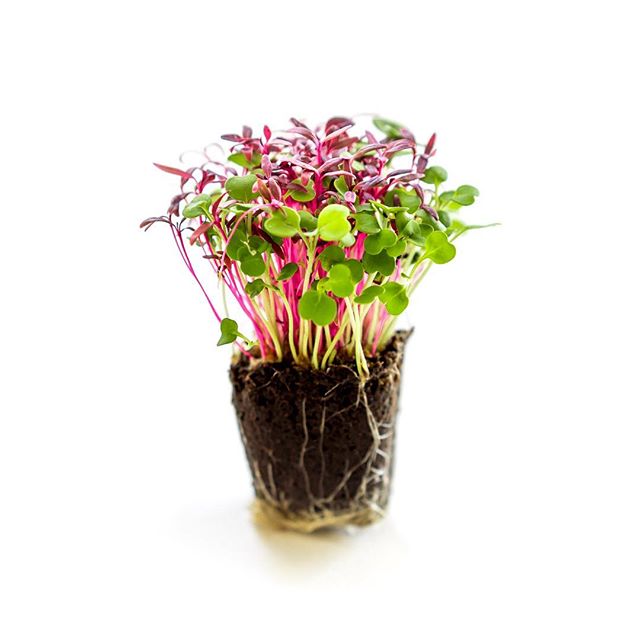
He explains: “If you’re a farmer and you’ve got something good like a unique herb that you grow for 2 weeks of the year, you can’t share it with chefs because they build menus around special ingredients and recipe development. Sometimes chefs take months perfecting a texture and flavor.
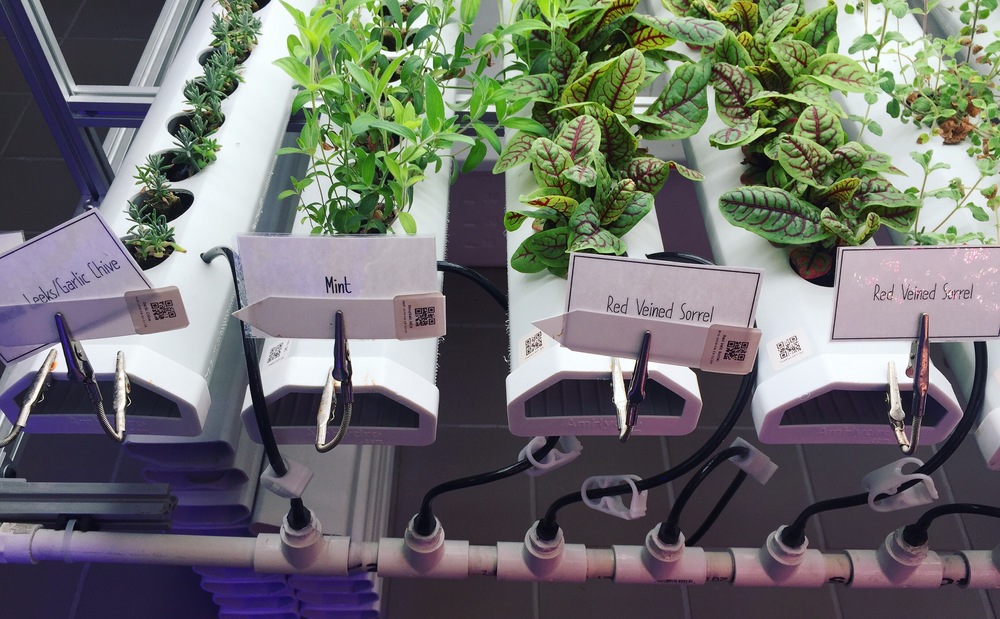
“New York has a crazy climate and then it’s hot. Its lack of local farmland and dense population means chefs end up buying basil from Israel, which is crazy. I decided that there could be an interesting niche. I don’t want to be the biggest and I don’t want to buy commodity crops.”
How does Farm.One work?
Like renting server space on a server farm: chefs work with Farm.One to determine what they want on the menu, and pay a set fee for regular deliveries, always within a hyper local 15-minute bike ride to their restaurant. Or direct orders can be placed via the website where 150 herbs, greens and flowers, some rare, can be grown to order.
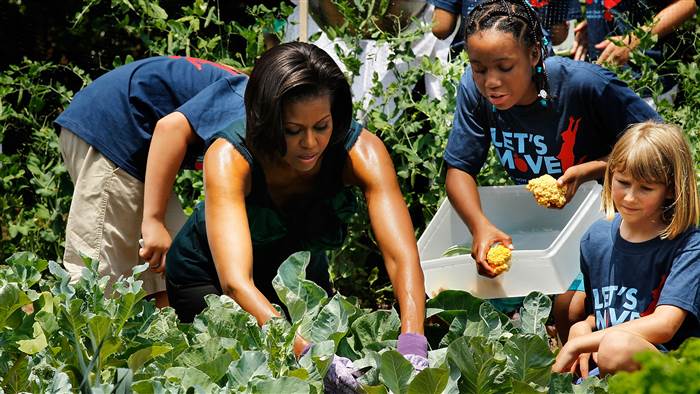
Laing wants every chef in Manhattan to have a kitchen garden (like the White House!), but most “probably don’t have space or expertise on how to grow themselves. They can rent space with us and we will manage the garden for them,” he tells Green Prophet.
Yield and variety will be determined by the restaurant.

“Some chefs,” Laing notes, “want to have secrecy and I am happy to go down that route. We can keep it ninja for these chefs. We could grow something unique to them, in a particular size or in a particular flavor. And introduce new tastes to people, like wasabi arugula,” he points out.
If you want in on the new flavors, but are still an aspiring chef (at home) Farm.One also has a fresh herb subscription box which will provide you weekly flavors of pesticide-free herbs and greens –– among 150 varieties grown. All cycled to your Manhattan-based home.
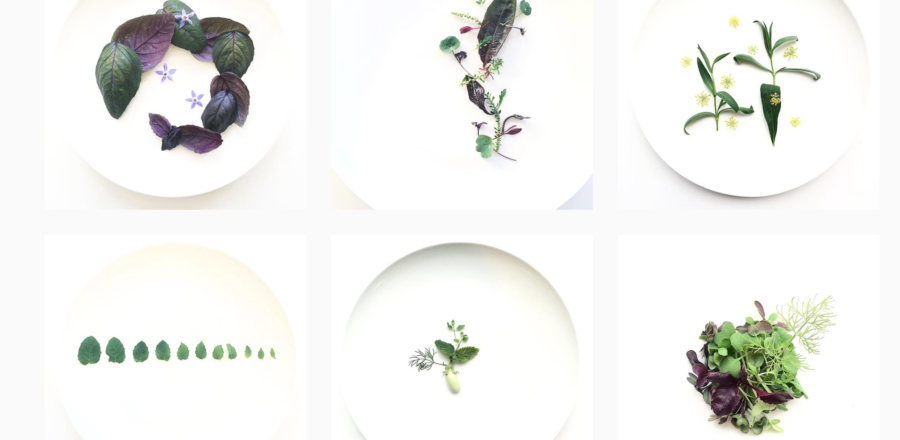
While most of us don’t have a Manhattan zip code and can’t enjoy the benefits of Farm.One, we can be inspired and start growing our own at home. A trip to the local hydroponics shop for growing equipment and some heirloom seeds should satisfy some basic urges.
For more inspiration on what New York chefs want? Look to Farm.One’s catalog.
Laing’s top 7 pics of new herbs and plants for chefs to grow are:
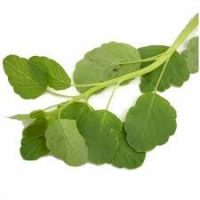
1. Papalo – Central Mexican herb, used in sandwiches known as cemitas in central Mexico.
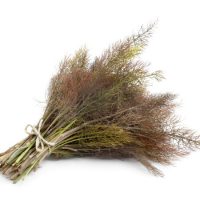
2. Bronze fennel – At a young age has a sweetness to it. Not rubbery or chewy.
 3. Purple Ruffles Basil – Ruffled and jagged purple leaves, with a strong aroma of anise.
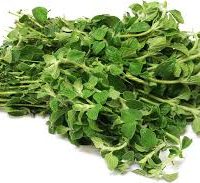
4. Nepitella – a Tuscan herb which has disappeared from a lot of recipes. Has beautiful tiny pink flowers.
 5. Sheep’s sorrel – Sour and intriguing herb, very hard to find
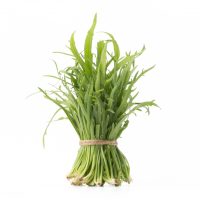
6. Minutina (Erba Stella) – Italian salad leaf, shaped like grass but succulent and crunchy.
 7. Pluto Basil – small, highly-fragrant leaves, perfect for garnish
Check out subscription options at Farm.One


[…] Source: Green Prophet […]