
Subsides Jeopardize Renewable Energy Projects In The Middle East

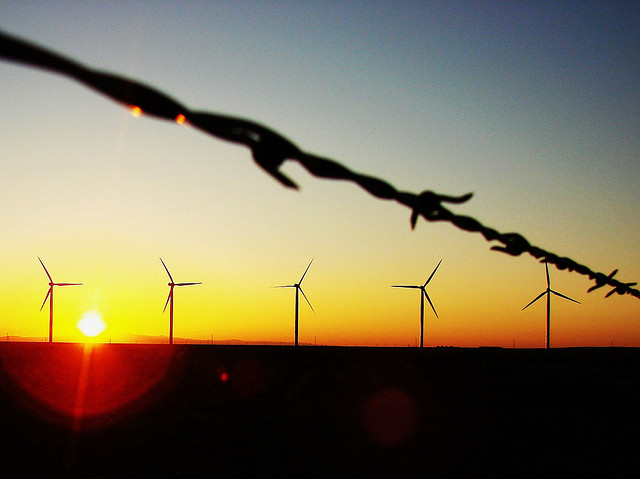
energy-subsidies-middle-east-petrol-oil-renewables-efficiency-petrol-oil-windEnergy subsidies keeping petrol and electricity prices low in the Middle East are jeopardizing the chances of renewable energy projects

The Middle East may be unique for many reason- the stunning souks, the hospitality of the people and explosive political mentality- but they are probably known for just one thing: oil. Indeed, Gulf nations have emerged from the wilderness and built entire economies and industries around their oil wells. The steady supply of cheap energy also means that petrol prices in Gulf nations are some of the lowest in the world, with many paying under $0.2 per litre at the pump. However, according to a new report by Carboun, these low prices are negatively impacting energy efficiency in the region and undermining the commercial viability of renewable energy projects.

More Subsidies = More Inefficiency

Carboun’s report and visual guide to energy and carbon emissions in the Arab world highlights the fact that after sub-Saharan Africa, the Arab world’s economy has the lowest energy efficiency record of any region in the world. Karim Elgendy, one of the founders of Carboun which is a sustainability consultancy, told GreenProphet: “Our research found that increased energy use in resource-rich countries of the Arab world is not a result of growing economic activity. In fact it represents a wasteful use of energy that is driven by energy subsidies. As energy subsidies increase in the region, its energy use per capita tends to increase, while its economic energy efficiency tends to decrease.”

Low Costs Encourage Excessive Consumption

For example, the report found that the Arab region generates $4.6 GDP per unit of energy consumed whilst the more energy efficient European Union generates $8.1 from the same unit of energy. Oil-rich nations including Qatar, Kuwait, UAE, Bahrain, Oman, Saudi Arabia and Libya generate even less at $3.7 GDP per unit of energy. This low efficiency is partly attributed to the energy subsidies which are widespread in oil-rich nations as they keep energy prices low and encourage increased consumption by cushioning consumers from the real cost of using more energy.

Renewables Can’t Compete With Cheap Energy

Another impact of these energy subsidies is that they make renewables less attractive to businesses and consumers. Compared to the artificially low costs of electricity and petrol, renewable projects just can’t compete and that shows in the renewable energy targets in various countries in the region. As Elgendy explains, “Countries with less energy subsidies tend to have higher renewable energy targets than those with higher subsidies…”

On average, oil-rich nations such as Qatar and Kuwait plan to generate just over 3% of their energy from renewables by 2020. Other more resource-poor nations in the Arab world such as Tunisia and Algeria, however, have a more ambitious target of creating 16% of their total energy via renewables by 2020.

So not only are energy subsidies creating more inefficiency by encouraging excessive consumption, they are also jeopardizing the Middle East’s chances of embracing cleaner energy such as wind and solar. And this diversion from a more sustainable and resilient energy path is the real problem with cheap energy subsides.

For Carboun’s visual guide to energy and carbon emissions in the Arab world, please see Carboun’s latest infographic.

:: Image via Crishna/Flickr.

For more on energy use in the Middle East see:

Carbon Emissions In MENA Double Over 30 Years

Masdar’s Carbon Capture Programme Could Lead To Mass Delirium & Comas

Despite Best Intentions, Gulf Countries Can’t Quit C02

80% of Middle East and Africa Concerned About Climate Change
Arwa Aburawa
Arwa Aburawahttp://www.greenprophet.com
Arwa is a Muslim freelance writer who is interested in everything climate change related and how Islam can inspire more people to care for their planet and take active steps to save it while we can. She is endlessly suspicious of all politicians and their ceaseless meetings, especially as they make normal people believe that they are not part of the solution when they are the ONLY solution. Her Indian auntie is her model eco-warrier, and when Arwa is not busy helping out in the neighborhood alleyway garden, swap shopping or attempting fusion vegetarian dishes- with mixed success, she’d like to add- she can be found sipping on foraged nettle tea.

LEAVE A REPLY

Please enter your comment!
Please enter your name here

TRENDING

How you create green steel on a blockchain

The thing about raw materials is that once they are melted down, you can't prove the source of the material. Same is true with gold, cucumbers and even forged products that look the same as the real thing. When it comes to steel, and how we produce it, it has a massive carbon problem. What's happening in Japan right now could change how we think about heavy industry and climate action.

Oil pollution in Basrah’s soil is 1,200% higher than it should be

Soil pollution levels in parts of Basra are 1,200% to 3,300% higher than those typically measured in cities like Toronto or New York, according to new comparative soil data. It's getting into water.

Inflatable concrete homes: a California and Ontario case study

Across Ontario and California, builders are rethinking concrete housing through inflatable-shell design—an approach that replaces wooden formwork with air and innovation. A 1,000-square-foot low-carbon concrete shell, insulated with hempcrete, can be erected in a day and cost far less than conventional construction. Over time, the savings in energy, materials, and mortgage costs make this model a realistic response to rising living expenses and climate stress. With low-carbon cement, hempcrete walls, and renewable energy, inflatable concrete homes show how even the world’s most carbon-heavy material can become part of a sustainable future—if built smartly, and within local building codes.

EPA May Repeal Key Climate Health Ruling — But Scientists Warn of Dire Consequences

The endangerment finding has been the scientific and legal backbone of US climate policy for more than a decade. Without it, the EPA loses its authority to regulate carbon emissions under the Clean Air Act.

Sustainable Banking: Dame Alison Rose’s Approach to Climate Change and Corporate Responsibility

When Dame Alison Rose assumed leadership of NatWest Group in 2019, she recognised that climate change represented not just an environmental challenge but "probably the biggest existential threat that we will face as a society." Her response was to position the bank at the forefront of sustainable finance, implementing what she describes as "a very clear strategy on climate" that would fundamentally reshape how NatWest operates and lends.

6 Payment Processors With the Fastest Onboarding for SMBs

Get your SMB up and running fast with these 6 payment processors. Compare the quickest onboarding options to start accepting customer payments without delay.

Qatar’s climate hypocrisy rides the London Underground

Qatar remains a master of doublethink—burning gas by the megaton while selling “sustainability” to a world desperate for clean air. Wake up from your slumber people.

How Quality of Hire Shapes Modern Recruitment

A 2024 survey by Deloitte found that 76% of talent leaders now consider long-term retention and workforce contribution among their most important hiring success metrics—far surpassing time-to-fill or cost-per-hire. As the expectations for new hires deepen, companies must also confront the inherent challenges in redefining and accurately measuring hiring quality.

8 Team-Building Exercises to Start the Week Off 

Team building to change the world! The best renewable energy companies are ones that function.

Thank you, LinkedIn — and what your Jobs on the Rise report means for sustainable careers

While “green jobs” aren’t always labeled as such, many of the fastest-growing roles are directly enabling the energy transition, climate resilience, and lower-carbon systems: Number one on their list is Artificial Intelligence engineers. But what does that mean? Vibe coding Claude? 

Somali pirates steal oil tankers

The pirates often stage their heists out of Somalia, a lawless country, with a weak central government that is grappling with a violent Islamist insurgency. Using speedboats that swarm the targets, the machine-gun-toting pirates take control of merchant ships and then hold the vessels, crew and cargo for ransom.

Leopoldo Alejandro Betancourt López Turned Ocean Plastic Into Profitable Sunglasses

Few fashion accessories carry the environmental burden of sunglasses. Most frames are constructed from petroleum-based plastics and acrylic polymers that linger in landfills for centuries, shedding microplastics into soil and waterways long after they've been discarded. Leopoldo Alejandro Betancourt López, president of the Spanish eyewear brand Hawkers, saw this problem differently than most industry executives.

Why Dr. Tony Jacob Sees Texas Business Egos as Warning Signs

Everything's bigger in Texas. Except business egos.  Dr. Tony Jacob figured...

Related Articles

Popular Categories