
3 Wild Edibles And How to Eat Them

edible weeds photoMiriam suggests ways to cook free wind-sown vegetables.

At this time of year, you may find free vegetables growing in your own backyard (like Karin did), or in your windowbox. Springing up from wind-sown seeds and roots that slept underground through last summer, the newly green landscape is actually full of green vegetables. The first thing is to identify what’s growing out there. Take a reliable local field guide with you – or a reliable local grandma who’s foraged and eaten wild greens since childhood – and pick the plants they say are safe. Chicory is coming up around now – read this post on how to cook it with onions. Then take your bounty to the kitchen and cook it up.

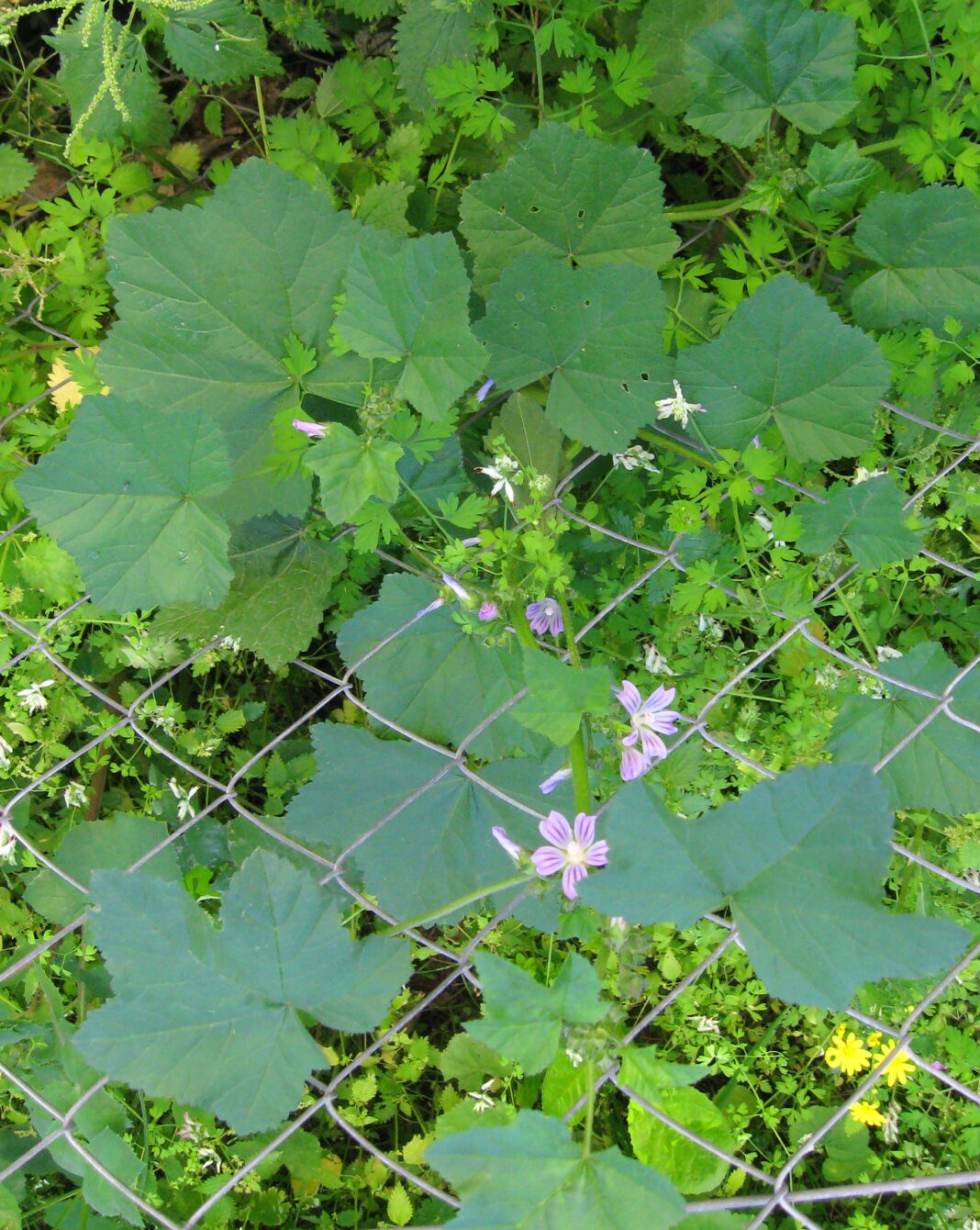
Mallows. The youngest, tenderest leaves of the mallows, make a fine addition to the salad bowl. The taste is mild and just sort of green – you’d never guess how rich in vitamin C mallows are. Stuff bigger leaves with rice and pine nuts just like grape leaves. Roll them up and cook them in a lemony, tomatoey, olive oily sauce. In early summer when mallows flower, eat the flowers in salad or dry them to add to winter teas.

Nettles (photo below). Yes, they sting. But they’re full of iron and other good minerals that protect your kidneys and adrenals. Nettles have a taste slightly like seaweed. They’re good rinsed, shaken dry, and dropped into soup 10 minutes before serving. Or try a cup of chopped nettles instead of spinach in a souffle.They’re particularly good paired with sharp cheese.

Hint: either wear gloves or use scissors to cut them in the field. Use the scissors or a pair of tongs to handle them.  Nettles lose their sting when cooked or dried. And once their light-green seeds have matured and are brown, nettles are best left alone until next year.
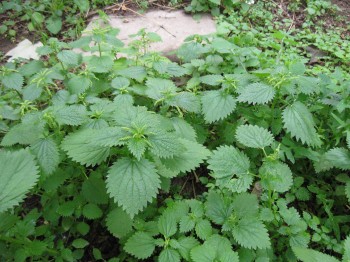
image-nettles

Cape Sorrel. Just ask the neighborhood kids what “hamzutzim” are. They’ll know how best to eat the fresh, sour-tasting leaves and flowers – raw. But don’t make an entire salad out of them, because their oxalic acid, like rhubarb’s, is only OK up to a point. Just toss a small handful into the salad bowl, along with other greens, or line a sandwich with the leaves instead of lettuce.
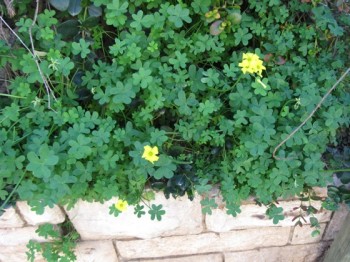
image-cape-sorrel

More on wild edibles from Green Prophet:

Go Wild With Two Winter Salads

Edible Weeds in Your Middle Eastern Garden

Photos of nettles, and Cape sorrel by Miriam Kresh.
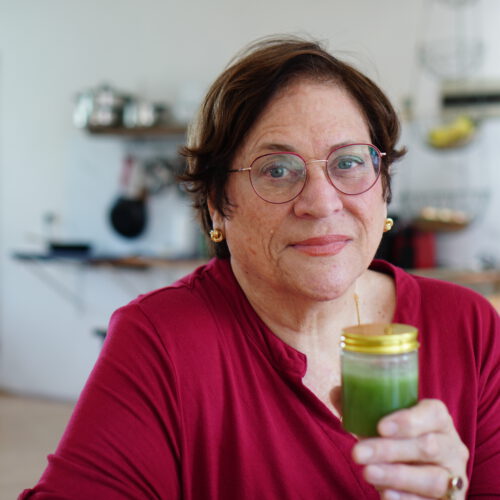
Miriam Kresh
Miriam Kreshhttps://www.greenprophet.com/
Miriam Kresh is an American ex-pat living in Israel. Her love of Middle Eastern food evolved from close friendships with enthusiastic Moroccan, Tunisian and Turkish home cooks. She owns too many cookbooks and is always planning the next meal. Miriam can be reached at miriam (at) greenprophet (dot) com.
2 COMMENTS
  1. Thank you for this cheerful, informative post. But was confused about the bit about young, tender leaves of mallow as in ‘photo above’. the lady seems to be nibbling on dandelion or something rather than a mallow. Isn’t the leaf or mallow circular-lobed?

    Thanks again for the post.

Comments are closed.

TRENDING

Farm To Table Israel Connects People To The Land

Farm To Table Israel is transforming the traditional dining experience into a hands-on journey.

Greenhouse agriculture in Kazakhstan

A story of greenhouse agriculture in Kazakhstan

Make Jerusalem artichoke soup

Here's a great vegetarian recipe with in season Jerusalem artichoke to help you cut some meat out of your diet: What I particularly like about this soup is that the usual potato for making it "hearty" is absent. Instead, ground almonds thicken it slightly, leaving room for the chokes to shine through with lightly spicy flavors.

Artichokes and Oranges: December’s Seasonal Produce

It's officially winter in the Middle East. We'd hoped...

November’s Seasonal Produce

November in the Middle East offers a colorful spread of fruit and veg, including some heritage varieties.

Should You Invest in the Private Market?

startustartup Unlike public stock exchanges, which offer daily trading, strict...

How to build a 100-year-company

Kongō Gumi is a Japanese construction company, purportedly founded in 578 A.D., making it the world's oldest documented company. What can we learn about building sustainable businesses from them?

From Pilot Plant to Global Stage: How Aduro Clean Technologies’ 2026 Expansion Signals a Turning Point for Chemical Recycling Investors Like Yazan Al Homsi

The company's Next Generation Process (NGP) Pilot Plant in London, Ontario, has officially moved into initial operating campaigns, generating the kind of structured, repeatable data that separates laboratory promise from commercial viability.

How AI Helps SaaS Companies Reduce Repetitive Customer Support Work

SaaS products are designed for large numbers of users with different levels of experience, and also in renewable energy.

Pulling Water from the Air

Faced with water shortage in Amman, Laurie digs up...

Turning Your Energy Consultancy into an LLC: 4 Legal Steps for Founders in Texas

If you are starting a renewable energy business in Texas, learn how to start an LLC by the books.

Tracking the Impacts of a Hydroelectric Dam Along the Tigris River

For the next two months, I'll be taking a break from my usual Green Prophet posts to report on a transnational environmental issue: the Ilısu Dam currently under construction in Turkey, and the ways it will transform life along the Tigris River.

6 Payment Processors With the Fastest Onboarding for SMBs

Get your SMB up and running fast with these 6 payment processors. Compare the quickest onboarding options to start accepting customer payments without delay.

Related Articles

Popular Categories