
Solutions to Sewage Sludge – energy and wetlands

Any place that has wastewater treatment plants, must deal with the issue of sludge – all of the solids left over after the sewage is treated. Sewage treatment consists of a number of stages.
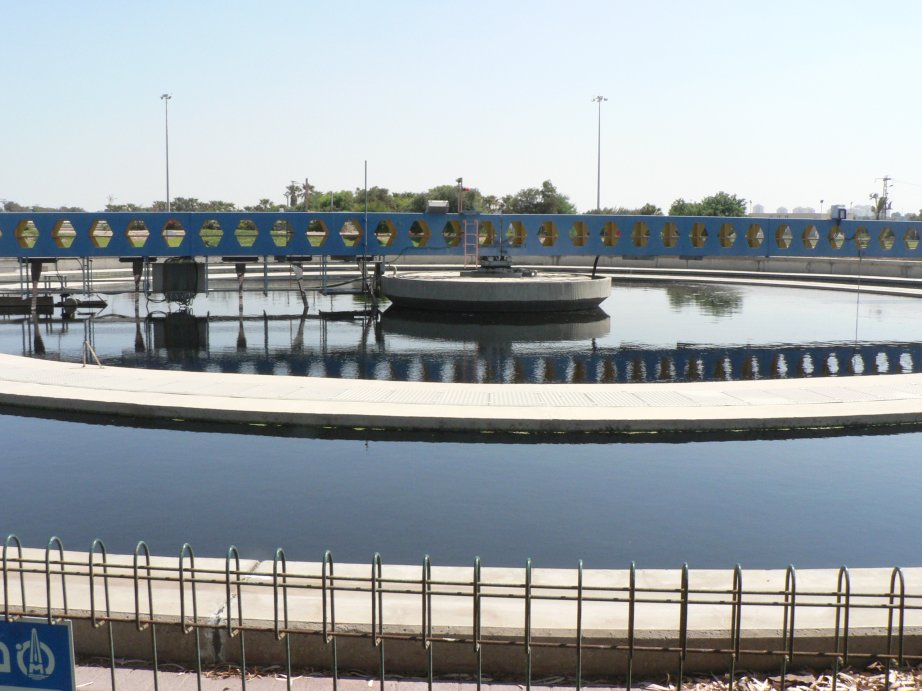
Stage I, where the solids are flocculated (encouraged to glom together) and settled out of the stream.

Stage II, where the organic content is removed. This step is important because the organic matter serves as a source of nutrients in the water, and if it is released into open bodies of water, it will promote the growth of algae, leading to oxygen deprivation and problems for the aquatic populations. The most common method these days is to bubble air through holding tanks that contain bacteria which consume the nutrients. At the end of this stage, the solids containing the bacteria – the sludge – are removed. Previous technology trickled water over a bed of gravel where a bio-film grew.

Stage III, where the water is disinfected using chlorine or UV light, to kill all of the pathogens in the sewage and the bacteria used for the water treatment.

So after we have fairly clean water that flows into the sea or lakes or rivers, we are still left with an entire pile of biosolids to dispose of. Up until recently, most of the sludge in Israel was dumped into the sea through a pipe a few km long at the outlet of the Gush Dan (Tel Aviv Metro area) water treatment plant, the SHAFDAN (acronym for Dan Wastewater).

A recent law discontinued this process, and now the sludge is treated (we hope) and sold as fertilizer. This is much better than pouring it into the sea, and also better than the SHAFDAN’s original solution of burning it for energy, which would have raised air pollution concerns. Spreading the sludge as fertilizer also runs the risk of groundwater contamination with nitrates, as well as any hazardous materials that might be present in the wastewater stream (even though they aren’t supposed to be there. The Law says so!)

There is an increasing trend to use sludge – or by its cleaner name, biosolids – for generating energy in a much cleaner way. The city of San Antonio, Texas, which generates 140,000 tons of biosolids a year, will convert the sludge into methane gas, which can be burned cleanly to generate energy, receiving up to $250,000 a year for the more than one million cubic feet of methane it expects to generate every day.

Bio-Petrol, an Israeli company, follows a different strategy, and converts the biosolids into a hydrocarbon fuel in a process very similar to the extraction of oil from petroleum shales. Bio-Petrol’s website claims that their business plan is “a commercially viable global solution for turning sewage sludge into oil, saving enormous sums in disposal and saving the earth from the destructive sewage dumping which is ruining the environment.”

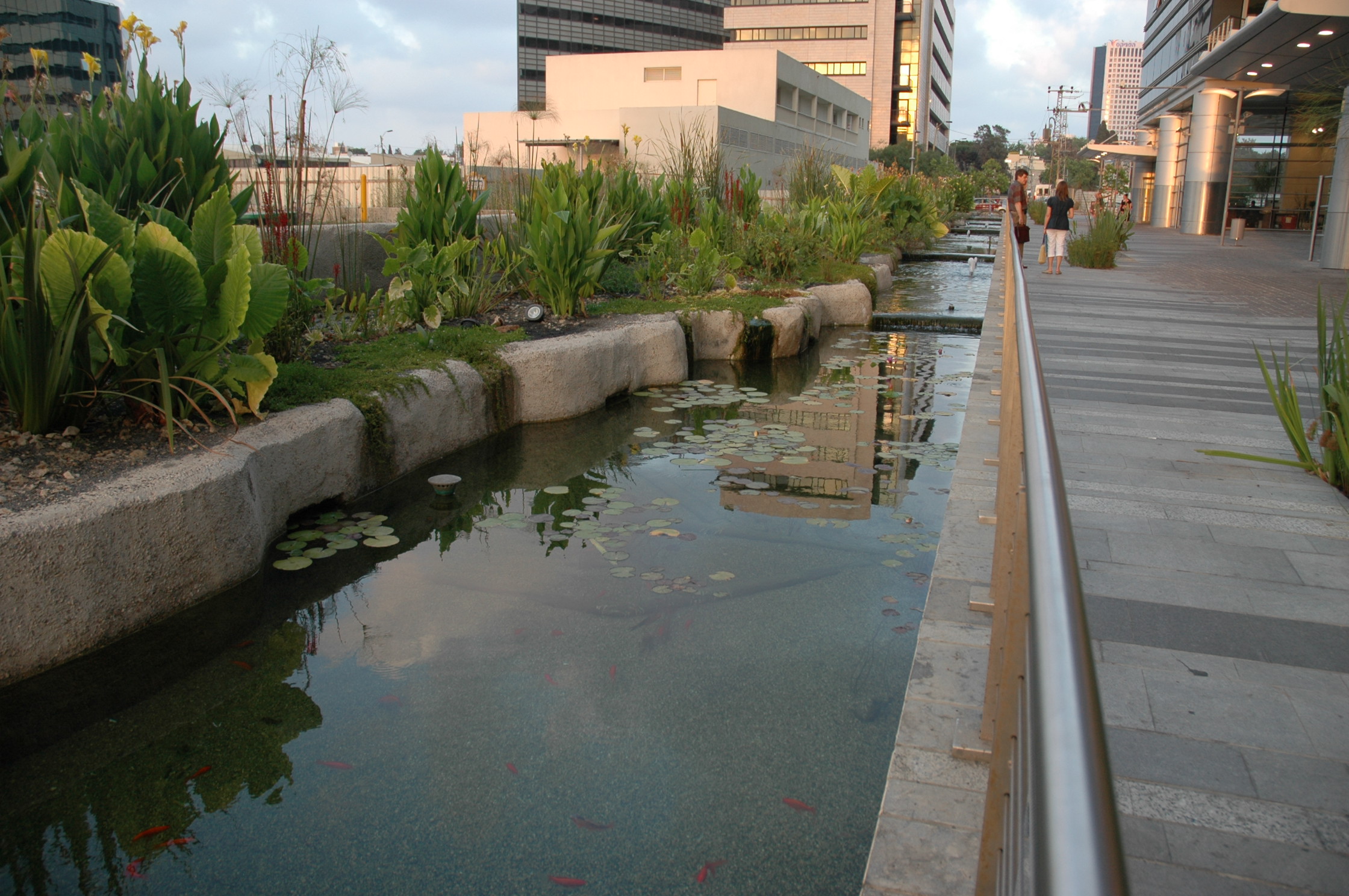
Another alternative to conventional water treatment is the solution proposed by Ayala Water and Ecology, who construct wetlands to treat wastewater.  The plants are selected to grow in the water and remove the contaminants.  Their wetlands have been installed to treat effluent at the Hiriya landfill site, gasoline stations, city buildings and parks, including the 7 stations park at the Yarkon River.  Although they require more land than a conventional water treatment facility, they are certainly more atractive and pleasant.

Daniel Pedersen
Daniel Pedersenhttp://www.greenprophet.com
Having spent my Jerusalem childhood ear-deep in science fiction stories, I’m still waiting for clean and abundant fusion power. On the way, I dabbled in solar-powered desalination and alternative building technologies at Swarthmore College, and studied the chemistry and mutagenic effects of particulate air pollution at MIT for a PhD in environmental engineering. Since returning to Jerusalem in 2002, I’ve directed air quality research campaigns from Rosh Hanikrah to Eilat & Aqaba for Hebrew University. I’ve led cooperative regional projects, wrote a successful proposal for the largest air-quality study in the history of the Middle East, and established the first monitoring network in Palestinian cities. Last year I edited a weekly TV environmental spot on Channel 2 and wrote a companion blog. At Hadassah College I train the next generation of environmental science professionals, audit Israel’s chemical and environmental laboratories for the Israel Laboratory Accreditation Authority, and provide environmental consulting services to diverse clients. Daniel can be reached at daniel (at) greenprophet.com.
1 COMMENT

Comments are closed.

TRENDING

Is your groundwater too young? New study finds risks for Parkinson’s and type of water you drink

People whose drinking water came from newer groundwater had a higher risk of developing Parkinson’s disease than those whose drinking water came from older groundwater, according to a preliminary study released March 2, 2026, that will be presented at the American Academy of Neurology’s 78th Annual Meeting taking place April 18–22, 2026, in Chicago and online.

The Saudi Startup Turning Desalination’s Toxic Waste Into Its Own Disinfectant

For millennia, the Middle East's water crisis seemed an immutable fact of geography — a region defined as much by what it lacked as by what lay beneath its sands. Today, a convergence of plummeting solar costs, advancing membrane technology, and hard-won engineering expertise is rewriting that story.

Forever chemicals banned from Europe’s drinking water

The EU is taking a bold step in making sure all European Union member states worked to monitor and reduce PFAS levels in drinking water.

Elon Musk to create Mars base station on the Moon

For those unaware, SpaceX has already shifted focus to building a self-growing city on the Moon, as we can potentially achieve that in less than 10 years, whereas Mars would take 20+ years.

Astro uses AI to help procure land for renewable energy

For oil-rich, environmentally vigilant Gulf states, Astro isn’t just another startup story. It is a blueprint for accelerating an energy transition that is now existential, not optional.

Should You Invest in the Private Market?

startustartup Unlike public stock exchanges, which offer daily trading, strict...

How to build a 100-year-company

Kongō Gumi is a Japanese construction company, purportedly founded in 578 A.D., making it the world's oldest documented company. What can we learn about building sustainable businesses from them?

From Pilot Plant to Global Stage: How Aduro Clean Technologies’ 2026 Expansion Signals a Turning Point for Chemical Recycling Investors Like Yazan Al Homsi

The company's Next Generation Process (NGP) Pilot Plant in London, Ontario, has officially moved into initial operating campaigns, generating the kind of structured, repeatable data that separates laboratory promise from commercial viability.

How AI Helps SaaS Companies Reduce Repetitive Customer Support Work

SaaS products are designed for large numbers of users with different levels of experience, and also in renewable energy.

Pulling Water from the Air

Faced with water shortage in Amman, Laurie digs up...

Turning Your Energy Consultancy into an LLC: 4 Legal Steps for Founders in Texas

If you are starting a renewable energy business in Texas, learn how to start an LLC by the books.

Tracking the Impacts of a Hydroelectric Dam Along the Tigris River

For the next two months, I'll be taking a break from my usual Green Prophet posts to report on a transnational environmental issue: the Ilısu Dam currently under construction in Turkey, and the ways it will transform life along the Tigris River.

6 Payment Processors With the Fastest Onboarding for SMBs

Get your SMB up and running fast with these 6 payment processors. Compare the quickest onboarding options to start accepting customer payments without delay.

Related Articles

Popular Categories