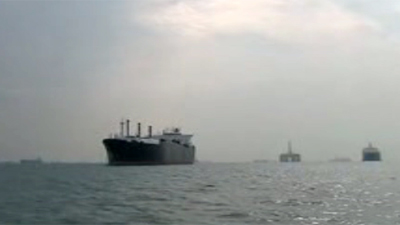
They sit anchored off the sea ports of Singapore and southern Malaysia; virtual “ghost ships” with no crews or cargos, and nowhere to sail. The ships, all kinds of merchant cargo vessels, come in all sizes, including mammoth tankers and other bulk carrier vessels, container vessels without their usual number of 40 foot “high cube” cargo containers on board, and many other types as well.
These ships, all victims of the ongoing world economic slump, were once plying the high seas between ports in Europe and the U.K., to and from the Far East when world trade was still good – compared to now anyway.
But what makes this present situation even more serious is not the huge losses that international shipping companies like P &O Ned Lloyd and Maersk are now stuck with, but the great amount of environmental damage that these ships are causing to the sea and marine life .

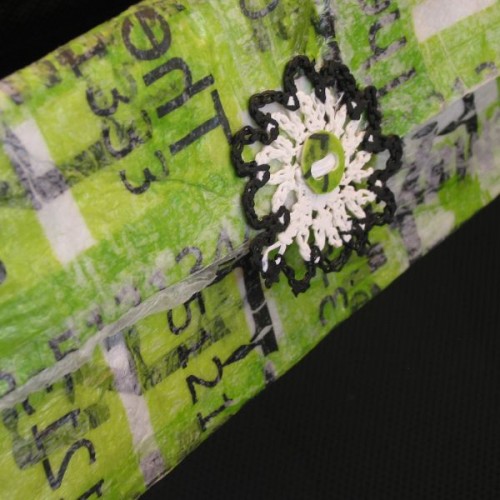
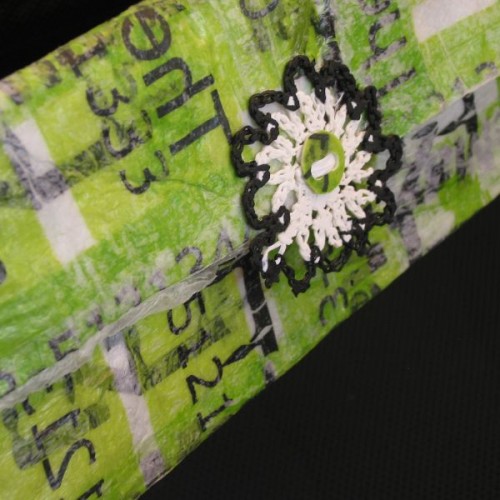 Tel Aviv based designer, Limor Matityahoo, has been involved with crafts for as long as she can remember. Among her many skills, Limor is a textile designer, a makeup artist, a cake decorator, and an interactive product manager. Most recently her curiosity, playfulness and skill have brought her to upcycled and recycled crafts made from plastic bags. And we’re very glad that they did.
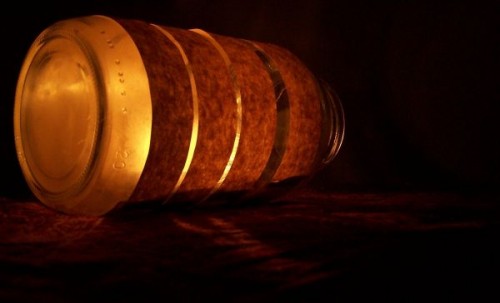
 Think Again is a series that provides fun ideas for how to reuse items in your home that you would normally throw out or recycle. Reusing is higher on the “green” food chain than recycling, because getting another use out of an object is always more effective than spending the energy to recycle it. Plus, trying to reuse can force us to be creative!
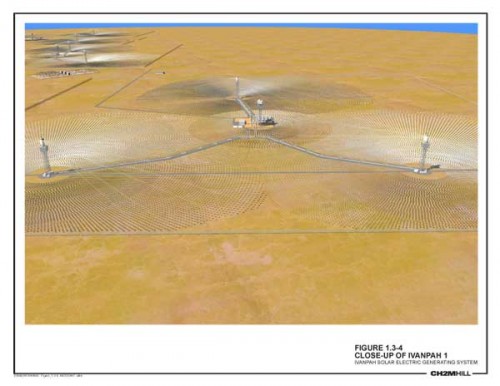
![ivanpah_simulation[1]](https://www.greenprophet.com/wp-content/uploads/2009/09/ivanpah_simulation1-500x386.jpg)

 Future investors in Israeli businesses may be able to judge a company by its green record. According to the

 If asked whether the glass is half empty or half full, we’re pretty sure that Israeli artist Cecilia Cohen would say full. Full of possibilities.