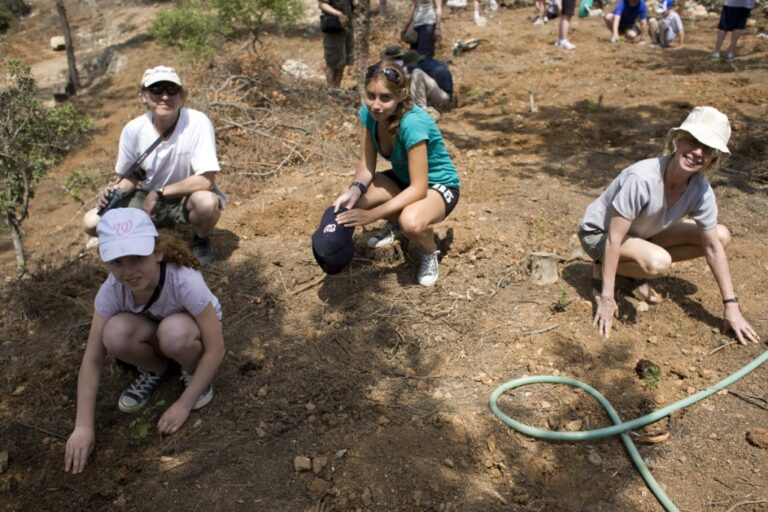
 Tevel b’Tzedek, an Israeli-based non-governmental organization, defines itself as being “dedicated to creating a new generation of Israeli and international Jews engaged in social and environmental justice by offering them a direct experience of the developing world through study and service internships.”
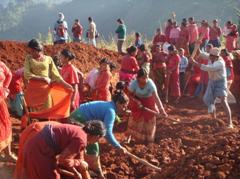
One of their most recent service internships, in the Dunwa Rai fishermen’s community in Nepal, brought 6 young Israeli and American Jews to help 30 local men and women rectify a polluted river situation. The ecology of the river that the community had fished in for generations was disrupted, and so together all the volunteers dug a pool.
The Tevel b’Tzedek volunteers included a former officer in the Israeli army, an artist from Tel Aviv, and a recent graduate of UC Berkeley in Anthropology.
The project also developed an agricultural education center, and is bringing irrigation, fish farming (aquaculture), a vegetable nursery, greenhouses, bio-gas toilets and more to “a population whose struggle to improve their agricultural yield will mean the difference between whether they will be able to stay on their ancient lands or be forced to migrate to inner city slums.” The project, then, achieves social improvement through environmental sustainability.







 On a recent trip to Istanbul, Turkey I found myself in a tree-hugger’s wonderland amidst the bustling labyrinth of the Grand Bazaar.

 More western countries are banning circuses with animals, and allow only humans to perform. Can Lebanon and the Middle East change their passion for this cruel form of entertainment?