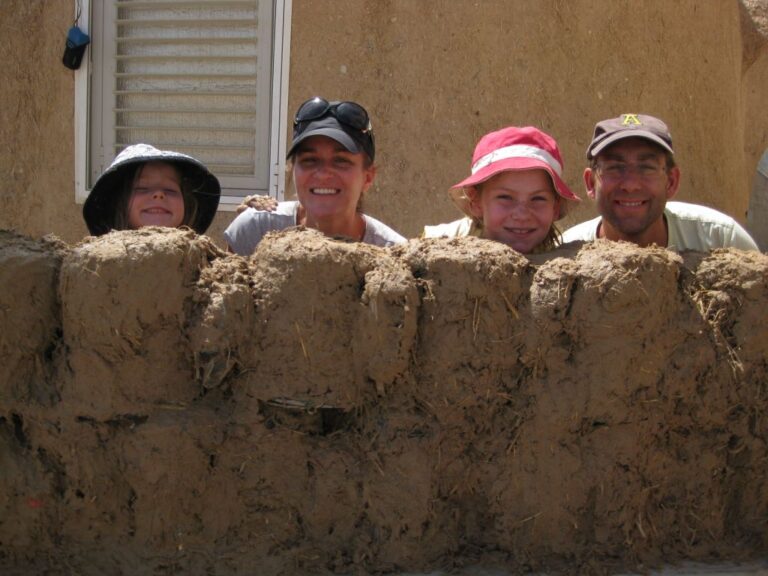
An Australian family of five goes on a 5-month worldwide eco-tour. Their adventure begins at Kibbutz Lotan in Israel as GoEco volunteers for 5 weeks. Read about the Wood-Auster family experience, told by dad Arron.
My wife Amy and I (Arron) made a decision to pull our family out of the day-to-day suburban world in Australia and venture on 5-month world trip. We wanted an experience that would expose our family of 5 to new cultures, languages, foods and most importantly different ways in which other families and societies co-exist in a less consumption-oriented way.
But was this possible? One month at Kibbutz Lotan in the Arava Desert in Israel ticked all the boxes and – as we were to discover – many more.
Barn owls as biological control. Arab farmers in the Levant use nesting boxes to encourage the owls to move in. This means much less pesticide to control rodents.
Known for his work with birds and other feathery friends Prof. Yossi Leshem of Tel Aviv University is showing how nature can provide the best medicine — not only for pest problems, but also for diplomacy. For decades, Prof. Leshem has been pioneering environmentally-friendly techniques in pest control, using owls and birds to keep populations of predatory mice at bay in farmer’s fields in Israel.
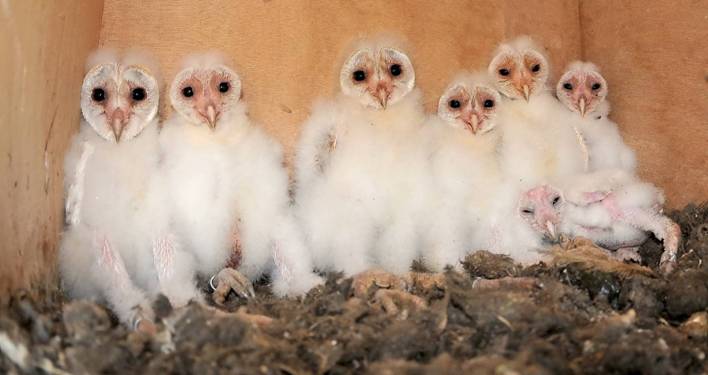
Over the years, his projects have extended to Europe, North America and more locally in the Middle East. This year, farmers from Jordan and the Palestinian Authority were joined in the project by 50 Israeli-Arab farmers — showing that natural pesticide control is not just good for the environment, it’s good for peace as well. (Warning: ridiculously cute owlet picture below)
Today, through Webcams trained on owl nests, thousands of nature enthusiasts can track the progress of owl and predatory bird nesting boxes Prof. Leshem and his colleagues have set up in various locations, tools to reduce the use of dangerous pesticides. Owls, if given good homes and the right conditions, can control the damage caused by mice and other small mammals to farmer’s fields, he says.
Baby barn owls. Are these faces only a mother could love?
“We were pleasantly surprised by the birds at the Tirat Tzvi kibbutz. The barn owls that nested in the water tower successfully raised four nestlings,” he says. “We noted the abundance of rodents in the kibbutz fields and decided to raise another brood. They can be seen on the Internet site, where the nestlings can be seen with their first feathers.
“This has been an exceptionally successful year for the barn owls,” Prof. Leshem concludes.
Almost 1,900 nesting boxes have been placed all over the country, about 600 of them in the Bet Shean Valley and the Jezreel Valley in Israel. Barn owls have occupied almost 80% of the nesting boxes, and many farmers are now enjoying the services of these “unique pest controllers,” he says.
On another note, owls have a mixed rap depending on the country. They are considered unclean in Islam, and a bad omen in the Middle East. Iran legends suggest they bring illness to children. So getting this project off the ground required some cultural sensitivity, Prof. Leshem said.
Some Aloe Vera gelato I saw in Milan…but I wasn’t brave enough to taste it!
You’ve heard of aloe vera gel, aloe vera cream, but have you ever head of aloe vera ice cream? Well maybe the Italians have got it right with this uniquely flavoured gelato, since the health benefits and general uses of this plant go beyond what you might think. It may seem like a strange addition to your diet, but like all natural supplements it is important to make it a part of your daily routine in order to feel the benefits. Once you do you will be able to notice that the aloe acts as a natural cleanser for your digestive tract, improving your bowel regularity.
The plot thickens: The Egypt Government says Red Sea oil spill is not a rig spill. The warmer weather has just released old oil, now surfacing. Or it’s come from passing tanker. Image via wikipedia
BP’s oil spill is a disaster with no end in sight. It only illuminates the alleged Red Sea oil spill, rife with controversy. As BP oil pumps into the Gulf, Egypt’s got its own spill to contend with, replete with accusations of cover-ups. Environmentalists and news reports said that the oil spill has been caused by a rig in the Red Sea, but the government says otherwise. Egypt authorities say the oil is just from old spills now surfacing.
Engineering students from Israel’s Technion have developed an anaerobic digester to help solve fuel and pollution problems in Nepal.
Inspired by a lecture from Bernard Amadei, a US engineer from Colombia University who founded Engineers Without Borders, a group of 30 Israeli engineering students decided to open a chapter and a goodwill project of their own last year. They are now working through Engineers Without Borders to reduce greenhouse gas emissions and pollution in Nepal, while providing a much-needed source of energy.
A kibbutz company in Israel leases 100 acres of land off of Bedouins in the Negev Desert to plant new solar panel project. Image via dlisbona
Israel’s Bedouin population may not be the most impoverished among the Bedouin clans in the Middle East, but they are very much marginalized people in need of some good opprtunities. And what could be better than a green ones? A new sunny land deal connects a local kibbutz and two clans, and it is expected to inject monetary resources into the Bedouin community.
Last week the Israeli business newspaper Globes reported that the Arava Power Company has signed contracts to build three solar power fields on land owned by the Tarabin and Abu Karinath Bedouin clans near Lehavim in the Negev.
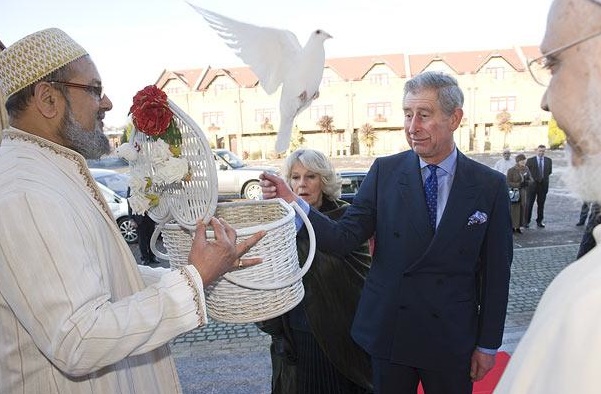
Prince Charles delivers a speech targeted to Muslim population and how it mobilize to quell environmental problems, such as over-population in the developing world. Image via the Telegraph
Known as an ardent environmentalist – he’s even got his own line of organic food Duchy Originals – the United Kingdom’s Prince of Wales, heir to the throne, calls on Islam to save the environment. On June 9, His Royal Highness Prince Charles delivered a speech on “Islam and the Environment” at the Oxford Centre for Islamic Studies (OXCIS). He was invited as Patron of the center to give a talk at the celebration of the Centre’s 25th anniversary. It’s advice that applies to the Muslim world everywhere, even in the Middle East.
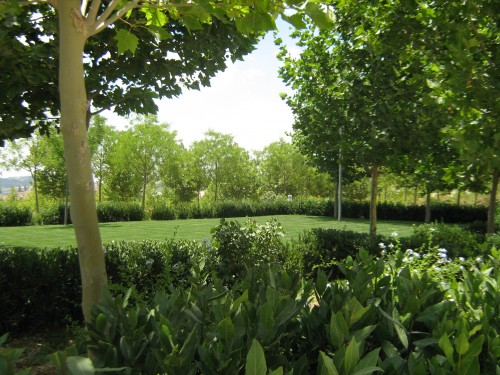
A green oasis in Amman – the King Hussein Park, Jordan.
Greetings from Amman, where I’m representing the Green Prophet at the URI MENA 8th annual conference. What’s URI MENA? It’s the Middle East – North Africa (MENA) region of the global United Religions Initiative (URI), dedicated to promoting interfaith cooperation. About 50 representatives of URI MENA member organizations (called CCs – Cooperation Circles) are gathered here for a three-day conference, including CCs from Jordan, Egypt, Iraq, Iran, Israel, Morocco, Palestine, Tunisia and the United Arab Emirates.
Why is the Green Prophet, an environmental website, involved in this interfaith initiative?
A birth control for men is in the works. It complies with strict religious traditions in Judaism, and it could control population growth in the Middle East and developing nations.
Most western environmentalists would agree that population control is one of the most important measures humanity can take to stop the over-consumption of Earth’s limited resources. While the west has already self-ajusted to having less babies, in favor of a career or pure environmental reasons (as this curious Grist editor points out); the same baby birth controls don’t seem to be in place in most regions of the Middle East.
Yes, the lifestyle in the Middle East is becoming more petroleum dependent and modern (see our post on a gold plated mercedes for proof), but people are still having lots of babies. To combat the growing population of the region Prince Charles, father of 2 – an heir and a spare – has recently advocated that followers of Islam adhere to the religion’s environment principles and practice population control. He called on religion in general to help save the environment.
With mostly all the onus on women, how about a birth control pill for men? If more responsibility is put on the man in developing or in-transition countries, maybe there will be better population control. I recently interviewed Prof. Haim Breitbart who is hot on the trail for developing a male version of the birth control pill. Tested on mice, the effects are reversible, and the molecule he has invented causes no adverse effects on the male mouse’s performance.
Once you could lose your life if you fell in. Rowing in cleaner waters? The Yarkon River has been upgraded – so they say!
This installment of articles on Israel’s coastal waterways, deals with the Yarkon River, one of the country’s shortest, as well as one of the most publicized. It begins at Tel Afek, also known by its Greek name Antipatris near the suburban community of Rosh HaAyin, just outside Tel Aviv; where we noted recently that signs of oil were discovered here.
OnePure’s halal products are gelatin-free, and feel good on women who live in the Middle East.
Finally, here is a beauty range that is not only ethical but halal (permissible to use in Islam) and therefore aimed specifically at the growing Muslim beauty market: OnePure Halal Beauty, created by Canadian-born Layla Mandi, is a unique skincare line containing only halal ingredients.
All the forecasts about water causing the next major Middle East conflict has started. An Iraqi government employee in the irrigation department, along with his family, are murdered – over water.
In the early hours of 18 June, gunmen broke into Faisal Hassan’s west Baghdad home killing him, his wife and their two young children. The motive was not sectarian, political or even economic – but water-related.
Forty-year-old Hasan was an employee of a local irrigation department in Abu Ghraib city – 32km west of Baghdad and famed in recent times for scandals surrounding its prison. The department he worked for supervised government water distribution to farmland in and around Abu Ghraib.
His death brings the number of irrigation department employees killed in this city to three in the past three months, Mohammed Khudhair, a police investigator, said. “All these employees had nothing to do with politics or anti-militant activities, but instead were victims of the nature of their work, which has become a risky one,” he said.
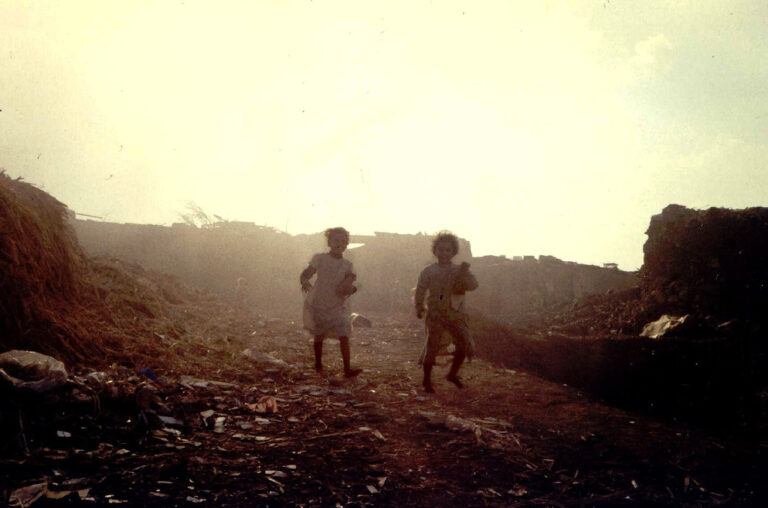
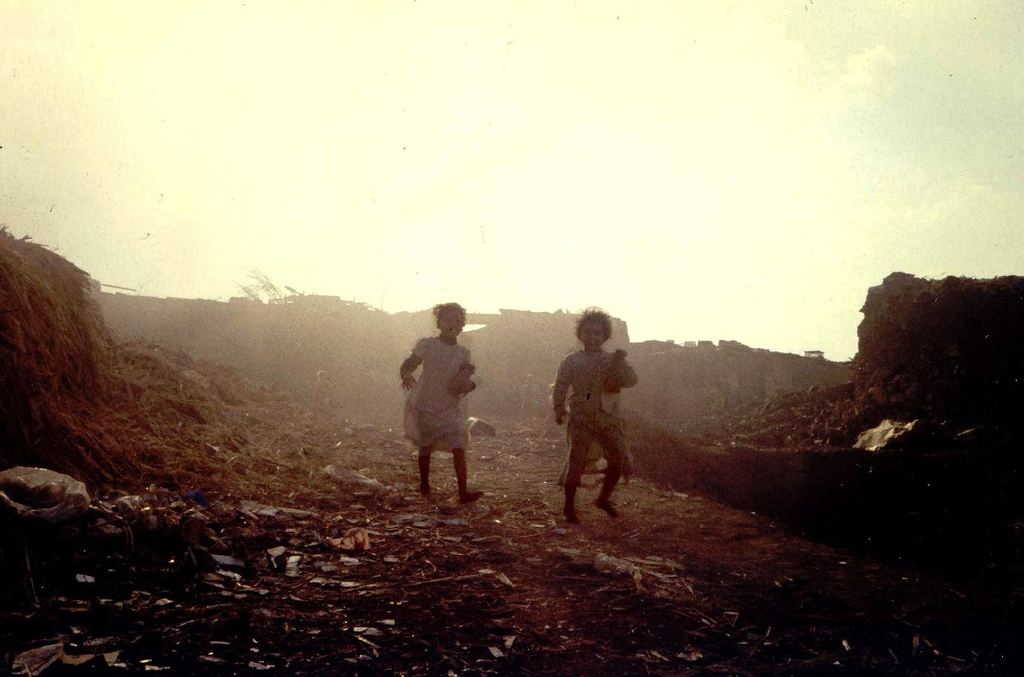
It’s hard to think green, when you’re thinking about your next dinner. A UN story documents the lack of protein in Egyptian children, and that a whopping 16% of all kids living there are malnourished.
For seven-year-old Ahmed Yasser, it is normal to have just a crust of bread to munch on throughout the afternoon as he plays with other children in a narrow alley in the sprawling slum of Arab al-Maasarah, 20 km south of Cairo. “What else can the children eat?” Yasser Ali, Ahmed’s father, told IRIN (the United Nations news source). “The last time we ate protein was a month ago when a charity sent us a kilo of beef.”
Bread and other carbohydrate- and calorie-rich meals are common in Cairo’s informal settlements. Fruit, vegetables and protein-rich foods are hard to come by given high unemployment and rising food prices. Most slum-dwellers fail to give their children a balanced diet, which adversely affects both their growth and their educational progress, Mona Sadek, a researcher at the state-run National Centre for Educational Research, said.
Green Prophet is in touch with HEPCA, the eco group in Egypt, working on cleaning up and containing the oil spill in the Red Sea that started last week. We hope to bring you more updates by the end of the day. Meanwhile, the eco group in the region of the spill – the Hurghada Environmental Protection and Conservation Association (HEPCA) issued this report (released yesterday, June 23):
Like the BP oil spill disaster that’s gripping the world, the delicate eco-system of the Red Sea, home to some of the most important coral reefs of the world, may be in peril.
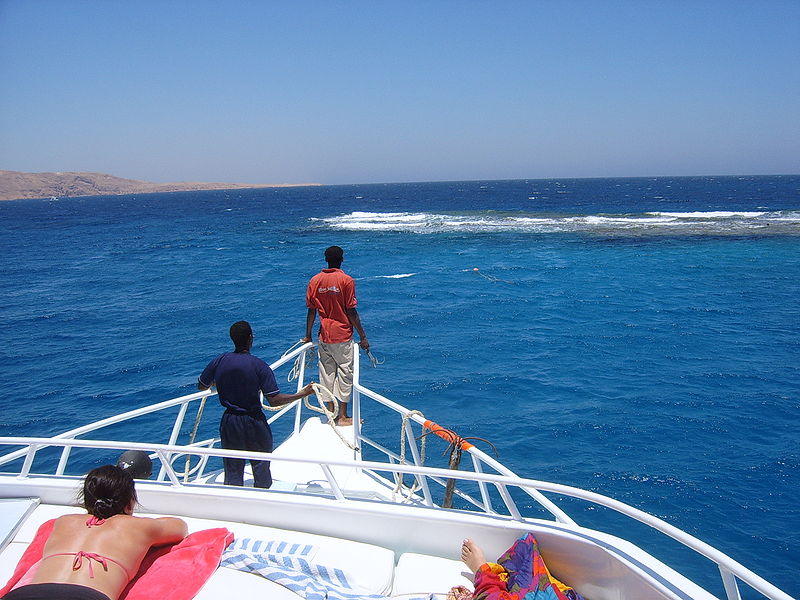
Bordering Israel, Jordan, Egypt, and Saudi Arabia, the Red Sea is a living wonder of the world. It’s also a major fairway for shipping cargo ships laden with oil.
Now, environmental activists in Jordan say they want answers to the spill now being touted as a big cover-up. According to the Jordan Times, they are now assessing if and how the spill will impact the Gulf of Aqaba’s unique coral reefs and ecosystems.

 An Australian family of five goes on a 5-month worldwide eco-tour. Their adventure begins at Kibbutz Lotan in Israel as GoEco volunteers for 5 weeks. Read about the Wood-Auster family experience, told by dad Arron.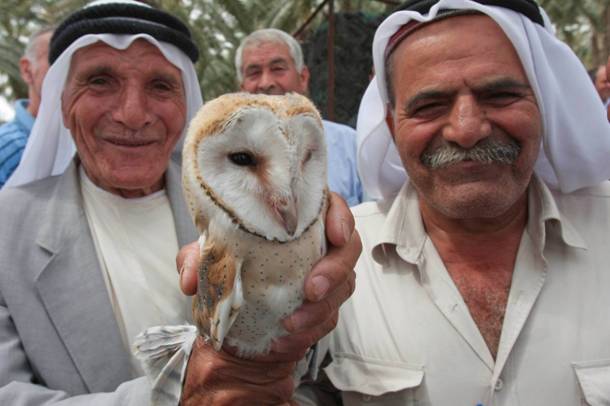

 Baby barn owls. Are these faces only a mother could love?
 Some Aloe Vera gelato I saw in Milan…but I wasn’t brave enough to taste it!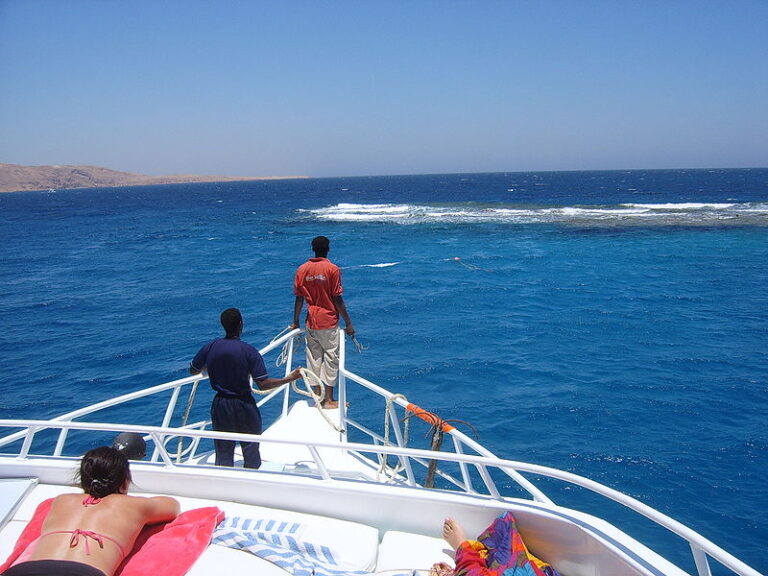
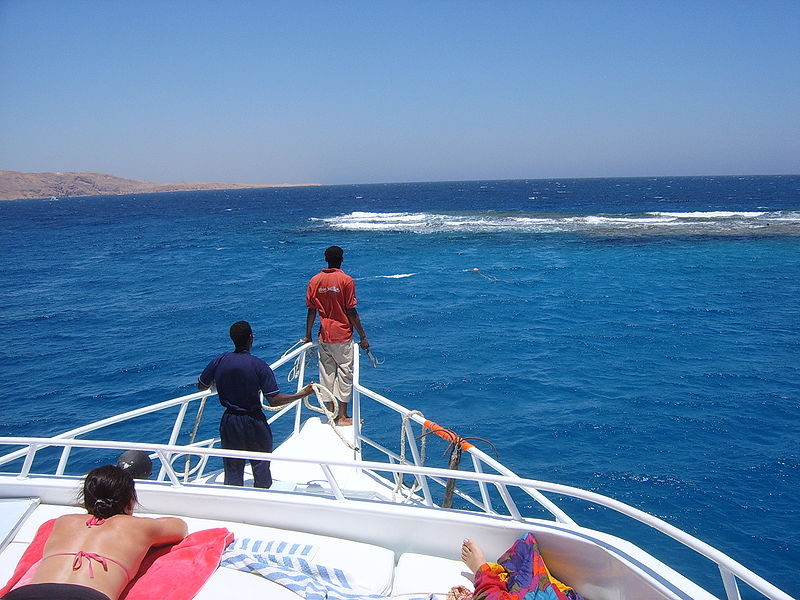 The plot thickens: The Egypt Government says Red Sea oil spill is not a rig spill. The warmer weather has just released old oil, now surfacing. Or it’s come from passing tanker. Image via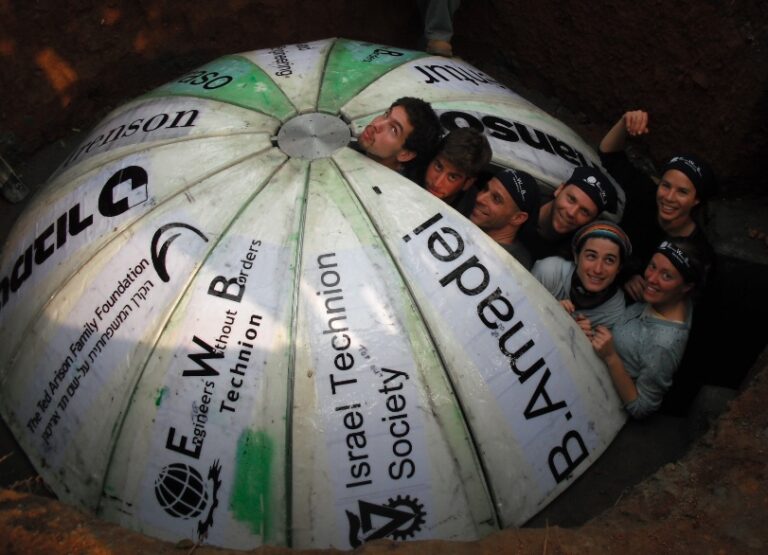
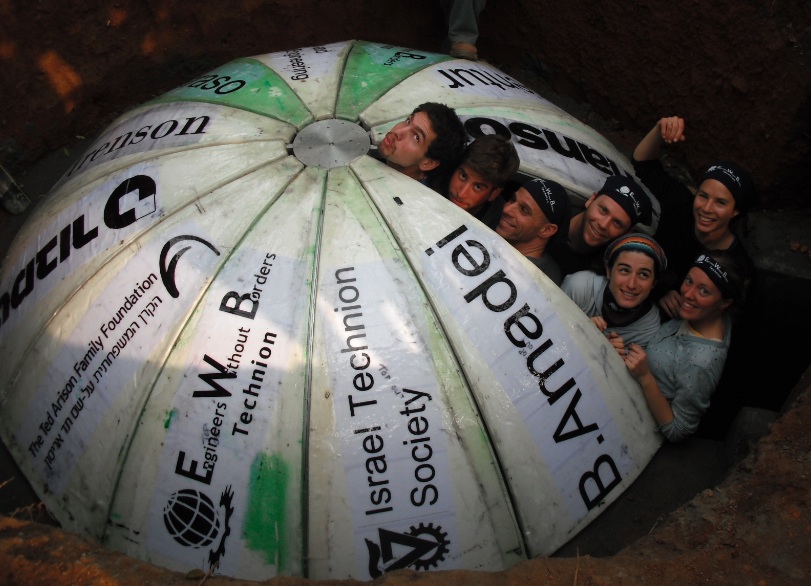 Engineering students from Israel’s Technion have developed an anaerobic digester to help solve fuel and pollution problems in Nepal.
 A kibbutz company in Israel leases 100 acres of land off of Bedouins in the Negev Desert to plant new solar panel project. Image via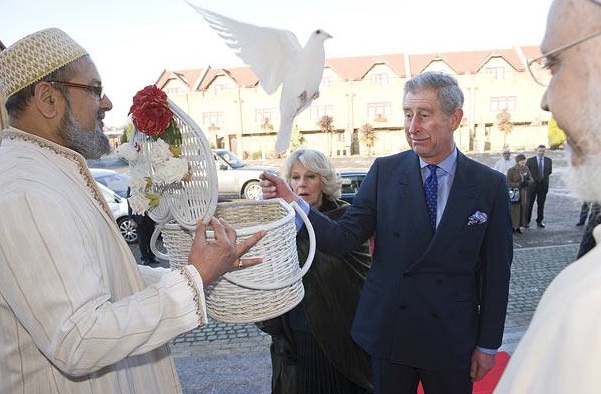
 Prince Charles delivers a speech targeted to Muslim population and how it mobilize to quell environmental problems, such as over-population in the developing world. Image via the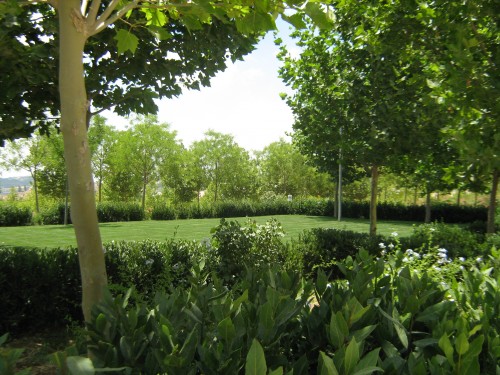
 A green oasis in Amman – the King Hussein Park, Jordan.
 A birth control for men is in the works. It complies with strict religious traditions in Judaism, and it could control population growth in the Middle East and developing nations.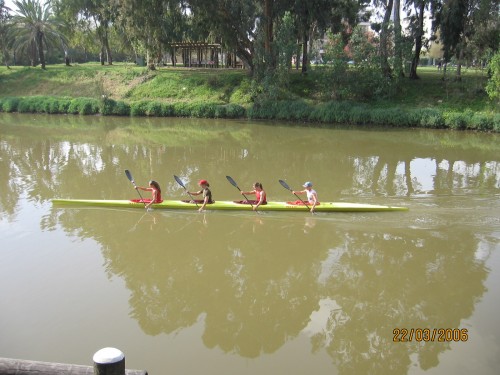
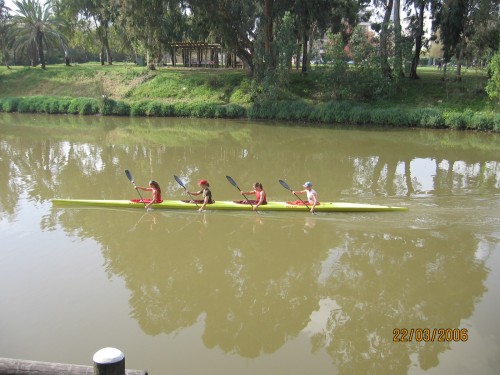 Once you could lose your life if you fell in. Rowing in cleaner waters? The Yarkon River has been upgraded – so they say!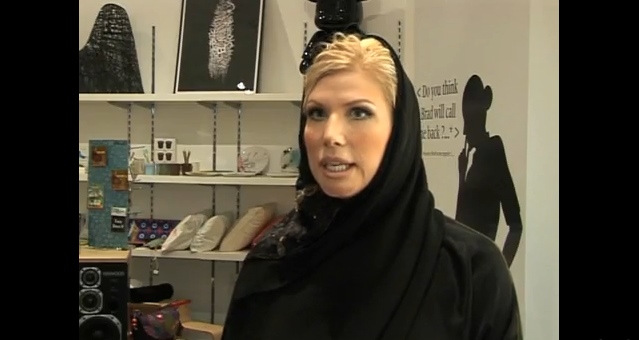
 OnePure’s halal products are gelatin-free, and feel good on women who live in the Middle East.