Home Blog Page 63

Invasive jellyfish aren’t just drifting in chaos

invasive jellyfish in Lebanon
Invasive jellyfish in Lebanon

Just as the weather heats up in the Mediterranean a nasty surprise makes it uncomfortable to surf and swim. After Egypt created the man-made Suez Canal to link the Red Sea to the Mediterranean Sea a nightmare of invasive animal, plant and bacterial species have overtook the Mediterranean Sea.

They compete with fish and habitat, causing harm to natural ecosystems. It’s been over 150 years since the canal was created and there is little evidence that Egypt has done anything to protect habitats on either side of the canal. Toxic jellyfish and invasive lionfish are two of the more well known invaders. Most worrisome has been the arrival of the Lagocephalus Sceleratus, an extremely poisonous bony fish commonly known as the silver-cheeked toadfish.

Desalination plants could create a salinity barrier that would slow the invaders from traveling back and forth but meanwhile research continues on the expansion and behavior of the newcomers.

The phenomenon of migrating from the Red to Med Sea is called the Lessepsian migration (or the Erythrean invasion). It is more rare for the migration to happen in the opposite direction.

One jellyfish, the invasive Rhopilema nomadica, is a nomad jellyfish indigenous to tropical warm waters of the Indian and Pacific Oceans. Since the 70’s it has been also found in Mediterranean Sea, where it entered via the Suez Canal. It is now the the commonest jellyfish in the southeastern Mediterranean, and they actually direct themselves and “swim” to the west while swimming, according to researchers who studied them.

“Until now, it was assumed that jellyfish aggregations swim in a random manner, so that their direction is dictated solely by water currents…We discovered that along the coast of Israel, jellyfish swim toward the west, i.e., against the direction of the waves,” said Dr. Yoav Lehahn of the Department of Marine Geosciences at the University of Haifa, the editor of the study.

Jellyfish belong to the phylum Cnidaria and have existed for around 500 million years without any morphological changes. Researchers’ knowledge about jellyfish is still very limited in many respects. One of the biggest unknowns  about jellyfish aggregations is the nature of their movement and migration patterns.

The lack of understanding of this aspect impairs the ability to prepare for the arrival of jellyfish at various facilities, such as power stations and desalination plants. “If the jellyfish were passive – in other words, if they were not able to move independently and simply drifted along in sea currents, we could predict the arrival of aggregations. We cannot do so, and this suggests that jellyfish have swimming capabilities that we do not yet understand,” the researchers explained.

The data collection stage in the study was complex: a light airplane flew along the coastline from Ashkelon in the south to Nahariya in the north, mapping the distribution of aggregations and identifying the largest ones. Next, the researchers monitored and photographed the direction of progress of the aggregations using drones operated from a nearby research boat.

The researchers examined the direction in which the aggregations swam relative to the sea currents and waves and found they swim collectively at a speed of around 10cm a second, moving to the west in a counter-wave direction. By so doing, they distance themselves from the coast and increase their chances of survival. The researchers added that the swimming patterns may vary between different jellyfish species and different maritime environments:

“When the strong tidal currents are dominant, it is possible that the jellyfish would swim against the current rather than against the waves, in order to reduce the risk of being swept onto the beach. In other cases, jellyfish may prefer to stay close to the coast, in inlets or estuaries. Swimming toward the open sea may not always be the first choice – the underlying objective is to reach a place where they have the best chances of survival.”

After storms, for example, large numbers of jellyfish are swept onto the beach, because they were unable to overcome the undertow created by the waves, the researchers note. The study advances our understanding of their movements, and in the future may allow us to predict when accumulations will arrive on coasts and when they will depart.

During the 2022 to 2023 fiscal year, the Suez Canal revenues hit a record-breaking $9.4 billion. Canal revenues are a key source of foreign currency for Egypt alongside tourism. Egypt should be earmarking a significant amount of these profits to helping protect the ecosystems that have been devastated. Why is no one holding Egypt accountable?

Walmart invests in the last place on earth

0

Rainforest indonesia

The Walmart Foundation has provided the Wildlife Conservation Society (WCS) a four-year grant that will significantly boost its work in Indonesia. The grant will support a landscape initiative in southern Aceh Province: a key region for forests and biodiversity and for smallholder farming communities.

Aceh is home to the highly biodiverse Leuser Ecosystem, frequently referred to as the “Last Place on Earth.” It is indeed the last place on Earth where orangutans, tigers, elephants, and rhinoceros are found to coexist.

The grant will enable WCS to support the Government of Indonesia in protecting and restoring this valuable forest and peatland landscape and improving the livelihoods of rural communities living at the forest edge.

Home to the Sumatran Orang-utan, the Aceh forest is considered the last place on earth.

Aceh Province has 3.5 million hectares of forest, which play a key role for biodiversity and in mitigating climate change but are threatened by the expansion of agricultural and industrial activities. Meanwhile, communities bordering important forest areas often experience poverty and have limited options for sustainable livelihoods.

These challenges play out in southern Aceh where the province’s last remaining intact peatland ecosystem—Rawa Singkil Wildlife Reserve—meets Gunung Leuser National Park, which makes up part of Southeast Asia’s largest intact rainforest. This area is also the only place where Sumatran elephant, orangutan, tiger, and rhino co-exist in the wild.

“Specifically, the grant will enable WCS to strengthen support for the government and a multi-stakeholder collaboration to translate national and provincial plans and conservation targets to the local level, supporting livelihoods and ecosystem integrity at scale,” said Joe Walston, Executive Vice President for WCS Global. “We are grateful for the Walmart Foundation’s commitment to help advance an inclusive multi-stakeholder platform for the landscape, ensuring the most vulnerable are part of developing sound management plans for the region.”

Field-based ‘SMART’ patrols and conservation area management plans will enhance the protection of key areas, including the Rawa Singkil Wildlife Reserve and other management units that serve as crucial habitat and wildlife corridors for endangered species.

Capacity building with 500 smallholder oil palm farmers will improve on-farm productivity and, along with broader community engagement and support for Forest Farmer Groups, will help to foster improved and more sustainable livelihoods, and reduce encroachment pressures facing the forest.

Related: how palm oil is destroying rainforests 

Said Julie Gehrki, VP and Chief Operating Officer, Walmart Foundation: “The rainforests and peatland ecosystems of southern Aceh are critically important for wildlife, people, and palm oil production. These are critical contributors to our global ecosystem and supply chain and we look forward to seeing how this work helps advance a more sustainable and inclusive landscape approach in the region.

“We’ve made a commitment to help protect, restore, or more sustainable manage at least 50 million acres of land by 2030—and the conservation efforts catalyzed by this work can act as an important contributor.”

::Walmart Foundation

Dung beetle billion-star navigation applied to drones

0
dung beetles navigate by the stars.
Dung beetles navigate by the stars.

An insect species that evolved 130 million years ago is the inspiration for a new research study to improve navigation systems in drones, robots, and orbiting satellites. The dung beetle is the first known species to use the Milky Way at night to navigate, focusing on the constellation of stars as a reference point to roll balls of dung in a straight line away from their competitors.

Related: how dung beetles navigate by the stars

Swedish researchers made this discovery in 2013 and a decade later, Australian engineers are modelling the same technique used by the dung beetle to develop an AI sensor that can accurately measure the orientation of the Milky Way in low light. This advance could be used to create better navigational technology for drones.

University of South Australia remote sensing engineer Professor Javaan Chahl and his team of PhD students have used computer vision to demonstrate that the  large stripe of light that forms the Milky Way is not affected by motion blur, unlike individual stars.

“Nocturnal dung beetles move their head and body extensively when rolling balls of manure across a field, needing a fixed orientation point in the night sky to help them steer in a straight line,” Prof Chahl says. “Their tiny compound eyes make it difficult to distinguish individual stars, particularly while in motion, whereas the Milky Way is highly visible.”

In a series of experiments using a camera mounted to the roof of a vehicle, the UniSA researchers captured images of the Milky Way while the vehicle was both stationery and moving. Using information from those images they have developed a computer vision system that reliably measures the orientation of the Milky Way, which is the first step towards building a navigation system.

Their findings have been published in the journal Biomimetics.

Lead author UniSA PhD candidate Yiting Tao says the orientation sensor could be a backup method to stabilise satellites and help drones and robots to navigate in low light, even when there is a lot of blur caused by movement and vibration: “For the next step I want to put the algorithm on a drone and allow it to control the aircraft in flight during the night,” Tao says.

Related: how artificial lights at night harm dung beetles and insects

The sun helps many insects to navigate during the day, including wasps, dragonflies, honeybees, and desert ants. At night, the moon also provides a reference point for nocturnal insects, but it is not always visible, hence why dung beetles and some moths use the Milky Way for orientation.

Prof Chahl says insect vision has long inspired engineers where navigation systems are concerned.

“Insects have been solving navigational problems for millions of years, including those that even the most advanced machines struggle with. And they’ve done it in a tiny little package. Their brains consist of tens of thousands of neurons compared to billions of neurons in humans, yet they still manage to find solutions from the natural world.”

A new wet-waste to biofuel advance

0

biofuel research

An innovative development by researchers allows for the conversion of the wet raw waste that we throw in the trash into liquid and solid biofuels, without the need to dry the waste. The researchers assess that at the national level, fuels produced from organic waste can, among other things, can create a significant amount of fuel for consumers.

The study was done in the small country of Israel but serves as a pilot for American states and regions in Europe and Canada that would like to challenge reusing bio-organic waste – some already collected and separated at the household level like in York Region, Ontario.

Israel’s waste problem, like most countries in the world, is escalating. In 2019, the country generated approximately 5.8 million tons of municipal waste, averaging about 1.76 kg of waste per person per day — about 30 percent more than the European average.

wet biofuel waste

This figure increases every year by about 2.6 percent. Currently, about 80 percent of household waste in Israel ends up in landfills. Organic waste presents a significant challenge, harming the environment through greenhouse gas emissions, leachate formation, and the pollution of air, water, and soil, often accompanied by unpleasant odors.

“Organic waste emits methane, which is a greenhouse gas, and also contaminates groundwater,” explains Prof. Alexander Golberg, a study leader at Tel Aviv University. “The treatment of waste is a critical issue. Landfill sites in Israel are reaching capacity, and despite the desire to reduce landfill to a minimum, we are forced to open new sites, because there is no other solution. The major advantage of our proposal is that we will reduce the need for so many landfill sites. Municipalities invest considerable funds on waste transportation and treatment, and this solution has the potential to significantly cut those expenses.”

In order to assess the potential of municipal waste in Israel, the researchers analyzed the results of a groundbreaking 2018 survey conducted by E. Elimelech et al. from the University of Haifa. The survey examined the composition of the garbage produced by 190 households in the city of Haifa over the course of a week. The findings revealed that measurable organic waste constitutes about 36.4 percent of food waste and about 16.4 percent of total household waste. The category of measured organic waste was further analyzed, showing that it comprised 67 percent fruits and vegetables, 14 percent breads, pastas and cereals, 8 percent eggs and dairy products, 5 percent by-products such as peels and skins, 3 percent meat, fish and poultry, 2 percent sweets and cookies, and 1percent soft drinks. In general this organic waste contains around 80% water.

“The results of this survey formed the basis for the waste model in our study,” says Prof. Golberg. “We built a continuous reactor — which will eventually be adaptable for solar energy usage — to heat the waste to 280 degrees Celsius, and we were able to significantly reduce the amount of water and oxygen in the biofuel. We found cost-effective catalysts that make it possible to control the ratio between the liquid and solid fuel products.

“Solid fuel can be used as biochar, effectively sequestering carbon dioxide for extended periods. The biochar can be burned in power plants like regular coal, and liquid biofuels, after upgrading, can power planes, trucks, and ships.”

Using the representative model of the measured organic waste, the TAU researchers successfully produced liquid biofuel with a yield of up to 29.3 percent by weight and solid fuel with a yield of up to 40.7 percent based on dry raw material. This process is versatile and suitable for treating any wet organic waste or residue, for example, organic waste from food factories, institutional kitchens, and hospitals.

The researchers conclude: “The production of biofuels from organic waste components can significantly reduce the volume of municipal waste sent to landfills, thereby decreasing environmental pollution of soil, water, and air. Moreover, reducing landfilling will lower greenhouse gas emissions and decrease reliance on oil and coal. Converting waste into energy also offers a local solution for Israel’s energy independence and security.”

A map of where love lives in your brain

0
A map of love in your brain
This is a map of love in your brain. Love for children activates the brain the deepest ways. Then romantic love.

All we need now is an Elon Musk Neurolink to stimulate the desired center and we can be forever in love with our partners: a new study has mapped out various love centers in the brain, leading to new ways we can stimulate love on a path to being more productive and satisfied beings.

We all have used the word ‘love’ in a bewildering range of contexts — from sexual adoration to parental love or the love of nature.

New imaging of the brain may shed light on why we use the same word for such a diverse collection of human experiences, called love:

You see your newborn child for the first time. The baby is soft, healthy and hearty — your life’s greatest wonder. You feel love for the little one.

Baby smart food, baby in stroller at supermarket
Love for your child is the deepest

The above statement was one of many simple scenarios presented to fifty-five parents, self-described as being in a loving relationship. Researchers from Aalto University in Finland applied functional magnetic resonance imaging (fMRI) to measure brain activity while subjects mulled brief stories related to six different types of love.

Love for children is the deepest

“We now provide a more comprehensive picture of the brain activity associated with different types of love than previous research,” says Pärttyli Rinne, the researcher who coordinated the study: “The activation pattern of love is generated in social situations in the basal ganglia, the midline of the forehead, the precuneus and the temporoparietal junction at the sides of the back of the head.”

Love for one’s children generated the most intense brain activity, closely followed by romantic love. “In parental love, there was activation deep in the brain’s reward system in the striatum area while imagining love, and this was not seen for any other kind of love,” says Rinne.

Love for romantic partners, friends, strangers, pets and nature were also part of the study, which was published this week in the Cerebral Cortex journal, Oxford University Press.

According to the research, brain activity is influenced not only by the closeness of the object of love, but also by whether it is a human being, another species or nature.

Unsurprisingly, compassionate love for strangers was less rewarding and caused less brain activation than love in close relationships. Meanwhile, love of nature activated the reward system and visual areas of the brain, but not the social brain areas.

Pet-owners identifiable by brain activity

dead sea salt is gentler on animal paws in winter

The biggest surprise for the researchers was that the brain areas associated with love between people ended up being very similar, with differences lying primarily in the intensity of activation. All types of interpersonal love activated areas of the brain associated with social cognition, in contrast to love for pets or nature — with one exception.

CBD is a love drug, couples
CBD is often turned into an oil but it can be delivered in beverages and edibles for pain relief, romance

Subjects’ brain responses to a statement like the following, on average, revealed whether or not they shared their life with a furry friend:

‘You are home lolling on the couch and your pet cat pads over to you. The cat curls up next to you and purrs sleepily. You love your pet.’

Related: Making love with the 5% rule

“When looking at love for pets and the brain activity associated with it, brain areas associated with sociality statistically reveal whether or not the person is a pet owner. When it comes to the pet owners, these areas are more activated than with non-pet owners,” says Rinne.

Not only can understanding the neural mechanisms of love help guide philosophical discussions about the nature of love, consciousness, and human connection, but also, the researchers hope that their work will enhance mental health interventions in conditions like attachment disorders, depression or relationship issues.

The bees of Azerbaijan go hightech

0
Beekeeper from Azerbaijan
Isgandar Shiralizada’s passion for all things related to bees and honey began as a child at his family home in Bilasuvar, a town in the southern region of Azerbaijan. His mother made a delicious variety of honey-based desserts, especially the popular, local sweet pakhlava, with its honey-soaked layers. These delectables sparked Isgandar’s curiosity about the creatures that produced the honey.
“Every spoonful of honey was a mystery to me, making me wonder about the bees and their world,” he recalls.
Isgandar fondly remembers when every winter, his mother would buy three kilograms of honey from a neighbor, and he would tell her, “One day, I will keep bees, and we will have our own honey.”
This childhood dream set the foundation for his future in the honey sector.
Starting in his early twenties, Isgandar and his mother invested in their first bee colony. This modest start gradually expanded, with both his beehives and skills growing year by year.
He received mentoring by Hikmat Aliyev, a renowned beekeeper in this area of Azerbaijan, who taught him the art and the hidden secrets of beekeeping. He also attended several training courses in the country and abroad. In Türkiye, Isgandar joined local beekeepers for sessions on market access and the formation of cooperatives, and there he also gained practical experience in innovative beekeeping techniques.
Isgandar’s career truly flourished after he joined a course offered by the UN’s FAO, funded by the Government of Azerbaijan. This initiative, part of the “Increasing Youth Employment in Agriculture” project, equips young men and women in rural areas with the skills necessary for careers in agriculture, focusing on agribusiness and entrepreneurship development.
In a country where over a quarter of the population is aged between 14 and 29, youth employment presents a major challenge in rural areas. Agriculture is a vital sector for Azerbaijan, employing 36.3 percent of the workforce and providing significant household income in rural areas.
One of the major reasons for youth unemployment in rural areas is limited education or professional skills, coupled with restricted access to entrepreneurship opportunities and services.
“Enhancing employment for rural youth and women through training and agricultural support is vital in Azerbaijan, helping to combat intergenerational poverty and promoting social and gender inclusion,” said Nasar Hayat, an FAO Representative in Azerbaijan.
 
For Isgandar, FAO’s support was a catalyst that transformed him from a local beekeeper into an innovator in the field.
He devised the “Smart Bee Houses” that he presented at TechnoFest, a prestigious technology festival held in Türkiye. These bee houses are innovative devices that are designed to combat bee diseases and optimize honey production. Through sensors placed inside the bee house, beekeepers can monitor for varroa mites, humidity and hive weight through an application that alerts them of issues without the need for physical intervention, setting a new standard in beekeeping practices.
The FAO project also equipped Isgandar with essential agricultural tools to enhance his business, including a water tank and pump to ensure a steady water supply for his bee gardens. This setup contributed to the health of his gardens, significantly improving both the quality and quantity of his honey production.
With the increased earnings, Isgandar expanded his number of beehives to 60.
“Before the project, I could only produce up to one ton of honey each year, but now, my production has doubled to two tons annually,” Isgandar proudly shared.
With the backing from FAO, he has not only become economically independent, but in turn, FAO found in Isgandar the perfect ambassador to engage youth and share his passion for beekeeping with the next generations.
With a wealth of international experience, Isgandar wished to teach others what he learned.
“I want to become a mentor; I can’t keep this all to myself,” he exclaims.
He found an opportunity to share his knowledge through a beekeeping training programme at the Bilasuvar Vocational Lyceum.
Isgandar currently gives a course for aspiring young beekeepers, where he imparts everything from the essentials of beekeeping to the use of innovative technologies to combat bee diseases.
“The excitement of young people about beekeeping makes me really happy, and I see it as my job to help them love and appreciate this work,” Isgandar says.
“Every day I’m equipping students with vital skills, preparing them to be the next generation of beekeepers who can contribute to enhancing the agricultural sector in Azerbaijan,” shares Isgandar, who sees vast potential in his country and is committed to ensuring that young people see it too.
After teaching, he spends time at his farm checking on his bees or assisting other beekeepers in the area with their hives.
Isgandar sees his own children’s enthusiasm for apiculture as evidence of its appeal as a career for youth.
“My daughter Asmanur and my son Ismail love bees and bee products. They get excited every time I put on my protective suit,” he says. Though at age two and three, they are too young to join him now, their interest is undeniable. “They always ask when they can come with me to the apiary. Especially my daughter, she’s really eager to start.”
Isgandar believes introducing young people to beekeeping not only connects them with nature but also opens the door to sustainable and profitable career opportunities.
For ambitious young individuals, like Isgandar’s children and students, the beekeeping sector offers a viable and rewarding career in a field ripe for innovation and growth.

Why sunflowers dance: the code is cracked

sunflowers dance like we do

During growth sunflowers “dance” so as not to block the sun from each other. A recent study sheds light on a scientific puzzle that has occupied researchers since Darwin

Sunflowers shift around rapidly in a form of dance that has perplexed scientists since the times of Darwin. A new study discovers that plants that grow in dense environments, where each plant casts a shadow on its neighbor, find a collective solution with the help of random movements that help them find optimal growth directions. In this way, the study sheds light on a scientific puzzle that has occupied researchers since Darwin, namely the functional role of these inherent movements called “circumnutations”.

The research was conducted under the leadership of Prof. Yasmine Meroz from Tel Aviv University, in collaboration with Prof. Orit Peleg from the University of Colorado Boulder in the USA.

Related: Chewing sunflower seeds for peace

“Previous studies have shown that if sunflowers are densely planted in a field where they shade each other they grow in a zigzag pattern – one forward and one back – so as not to be in each other’s shadow,” says Prof. Meroz.

“This way they grow side by side to maximize illumination from the sun, and therefore photosynthesis, on a collective level. In fact, plants know how to distinguish between the shadow of a building and the green shadow of a leaf. If they sense the shadow of a building – they usually don’t change their growth direction, because they “know” that will have no effect. But if they sense the shadow of a plant, they will grow in a direction away from the shadow.”

The research was published in the prestigious journal Physical Review X.

sunflowers dance so they don't block each other's light

In the current study the researchers examined the question of how sunflowers “know” to grow in an optimal way to maximize capture of sunlight for the collective, and analyzed the growth dynamics of the sunflowers in the laboratory, where they exhibit a zig-zag pattern.

Meroz and her team grew sunflowers in a high density environment and photographed them during growth, taking pictures every few minutes. The photographs were then combined to create a time-lapse movie. By following the movement of each individual sunflower, the researchers observed that the flowers were “dancing” a lot.

According to the researchers (from Israel and the US), Darwin was the first to recognize that all plants grow while exhibiting a kind of cyclical movement (“circumnutation”) – both stems and roots show this behavior. But until today, – except for a few cases such as climbing plants, which grow in huge circular movements to look for something to grab onto – it was not clear whether it was an artifact or a critical feature of growth.

Why would a plant invest energy to grow in random directions?

Prof. Meroz: “Sunflowers ‘dance’ to find the best angle so each flower would not block the sunlight of their neighbor. We quantified this movement statistically and showed through computer simulations that these random movements are used collectively to minimize the amount of shadow.

“It was also very surprising to find that the distribution of the sunflower’s “steps” was very wide, ranging over three orders of magnitude, from close to zero displacement to a movement of two centimeters every few minutes in one direction or another,” she explains.

The sunflower plant takes advantage of the fact that it can use both small and slow steps as well as large and fast ones to find the optimum arrangement for the collective. That is, if the range of steps was smaller or larger the arrangement would result in more mutual shading and less photosynthesis.

This is somewhat like a crowded dance party, says Meroz, where individuals dance around to get more space: if they move too much they will interfere with the other dancers, but if they move too little the crowding problem will not be solved, as it will be very crowded in one corner of the square and empty on the other side. Sunflowers show a similar communication dynamic – a combination of response to the shade of neighboring plants, along with random movements regardless of external stimuli.

Discovering the Magic of Dead Sea Magnesium Chloride

0
dead sea salt is gentler on animal paws in winter
Dead Sea salt is gentler on animal paws in winter

Manufacturers are always in the market for new solutions that are environmentally conscious and have minimal impact on the environment. Ideally, these materials should also be potent and effective solutions to many problems. Dead Sea magnesium chloride has already been proving its worth and increasing its impact many times over. There are numerous different ways that companies are using Dead Sea magnesium chloride. This presents a unique opportunity for manufacturers looking to make a splash in their industry and move towards a better ecological footprint.

What is Dead Sea Magnesium Chloride?

blond woman at Dead Sea

Dead Sea magnesium chloride is a compound that stands out in the pack due to how soluble it is as well as its absorption rate, plus it is easy to get. This makes it something that a bucketload of industries are going after from natural cosmetic companies to agriculture! As the name hints, it comes from the Dead Sea, which is extremely salty, thus making it a pretty bountiful resource for the brine that ends up becoming magnesium chloride.

Changing the Industry for the Better

Dead Sea magnesium chloride gives manufacturers the great ability to go green and swap out some of their less-than-friendly methods for this salty but green one instead. Here are some industries that can definitely benefit from going for Dead Sea Magnesium Chloride.

  • Agriculture: Including dead sea magnesium chloride in fertilizers improves soil health, enriches crop-zapping plants with additional nutrients, and promotes eco-friendly farming. Plants that are given a boost of the mineral are better equipped to ward off pesky pests and diseases, which means less synthetic pesticides from the big bad chemical companies.
  • Cosmetics: The beauty industry is no stranger to the oh-so magical powers of Dead Sea magnesium chloride. Across the world, formulators are tuning in to this miracle ingredient to create calm, cool, and collected skin care solutions. Ditching synthetic add-ins in favor of natural alternatives is great for your customer’s skin and your brand reputation.
  • Water Treatment: Dead Sea magnesium chloride, as part of a water treatment process, can be a healthy alternative to cruel chemical treatments. This can help neutralize and or ‘soften’ hard water without endangering any humans! Making the planet happy AND salty!
  • De-Icing Agent: Want a de-icer sans those pesky chemicals that might affect your pets or you? Then go for Dead Sea magnesium chloride!
  • Bath Products: Hailing back to its health and wellness roots, magnesium chloride is a wonder ingredient that makes bath salts and other spa treatments that much more fab. The ingredient helps your muscles to relax and soak away the stress of life––a sure sign of a scienced-up holistic hero.

Sourcing Dead Sea Magnesium Chloride from ICL Industrial Products

If you want to get your hands on Dead Sea Magnesium chloride, then ICL Industrial Products is the place you want to go! ICL’s advanced extraction technique allows them to take already stellar magnesium chloride (as extracted from the Dead Sea) and turn a great ingredient into an even better one. Also, this is the sort of company that puts people and the planet first.

Dead Sea Magnesium For The Future

All in all, Dead Sea magnesium chloride is a smart, new ingredient to consider for long-term sustainability. From elevating your product line to lowering your overall impact, Dead Sea magnesium chloride can help you grow consumer trust by aligning yourself with a growing community of industry leaders who are turning intentions into action. Use Dead Sea magnesium chloride and experience the positive spillover effect!

Morocco pardons 5,000 cannabis farmer convicts

0
Kif sebsi
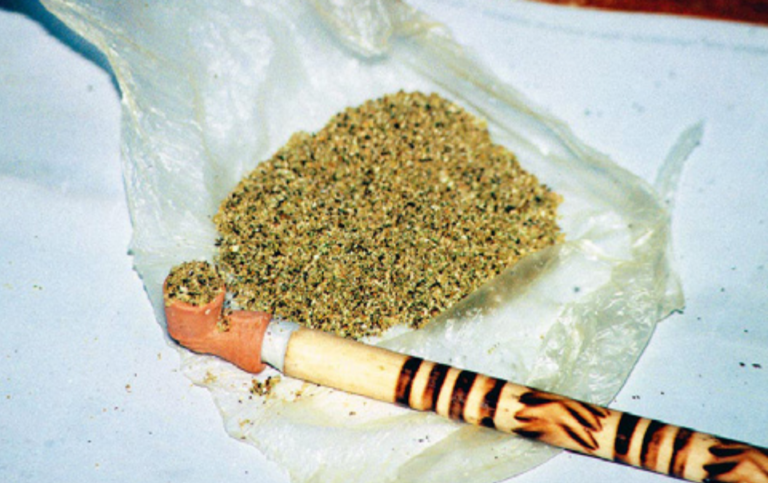
Kif and a sebsi pipe in Morocco via the TNI.

The king of Morocco has decided to pardon 5,000 farmers convicted of illegal cannabis cultivation, the justice ministry said in a statement on Monday.

Morocco is now a major cannabis producer and has legislated the cultivation, export and use of the drug for medicine or in industry since 2021, but it does not allow it to be used for recreational purposes. Cannabis extracts such as CBD has been found to be helpful to treat autism and epilepsy.

The latest pardon by King Mohammed VI would encourage farmers “to engage in the legal process of cannabis cultivation to improve their revenue and living conditions,” Mohammed El Guerrouj, the head of Moroccan cannabis regulator ANRAC, told Reuters.

Morocco’s first legal cannabis harvest weighed 294 metric tons back in 2023, according to officials.

This year it is expected to be higher as the number of farming permits increases officials allow farmers to cultivate a local strain called Beldia.

About a million people live in northern Morocco where cannabis is now the main economic activity. People have been growing and smoking it for generations, along with tobacco in long-stemmed pipes.

Legalization was meant to stop trafficking and improve the farmers’ income. It has awarded 54 export permits last year. Here is a great research article on the history and challenges of cannabis and medical marijuana in Morocco from 2017.

Cannabis company starts testing CBD drug for autism in children

0
cannabis oil, CBD drops, medical marijuana drops
CBD is a natural medicine that can have a profound affect on mediating pain and anxiety. It is now being tested to help kids with autism, in Israel

SciSparc  (NASDAQ:SPRC), a clinical-stage pharmaceutical company that uses cannabis for various treatment modalities, has started a clinical trial for cannabis-based drug SCI-210 aimed at treating symptoms of autism spectrum disorder (ASD) or autism spectrum disorder in children. The trial, which is currently underway at Soroka Medical Center in Israel, has enrolled and dosed the first five patients.

The study is a double-blind, randomized, and placebo-controlled trial that will include 60 subjects between the ages of 5 and 18 over a period of 20 weeks. The aim is to evaluate the efficacy of SCI-210, a combination of cannabidiol (CBD) and CannAmide, against standard CBD monotherapy in managing ASD symptoms.

CBD does not contain the psychotropic elements found in the cannabis plant.

The trial’s design was developed in consultation with the National Autism Research Center, Israel’s leading autism research institution.

SciSparc’s CEO, Oz Adler, expressed satisfaction with the enrollment pace and anticipates that the trial will contribute new scientific data to aid those affected by ASD. ASD is a neurological and developmental disorder that influences social interaction and communication skills, with symptoms and severity varying widely across the spectrum.

The company’s strategic plan is to first commercialize SCI-210 in the Israeli market, followed by other countries, subject to regulatory approvals.

SciSparc specializes in cannabinoid-based pharmaceuticals and has other drug development programs targeting conditions such as Tourette Syndrome, Alzheimer’s disease, pain, and status epilepticus.

The company is publicly traded in the US on the NASDAQ.

Israel is a world-leader in cannabis research largely thanks to the chemist Raphael Mechoulam who isolated THC and CBD from cannabis decades ago. There is also the work of Israeli-American Alan Shackelford.

Australia to build world’s largest solar hub

0
Suncable link energy solar power between Australia and Singapore
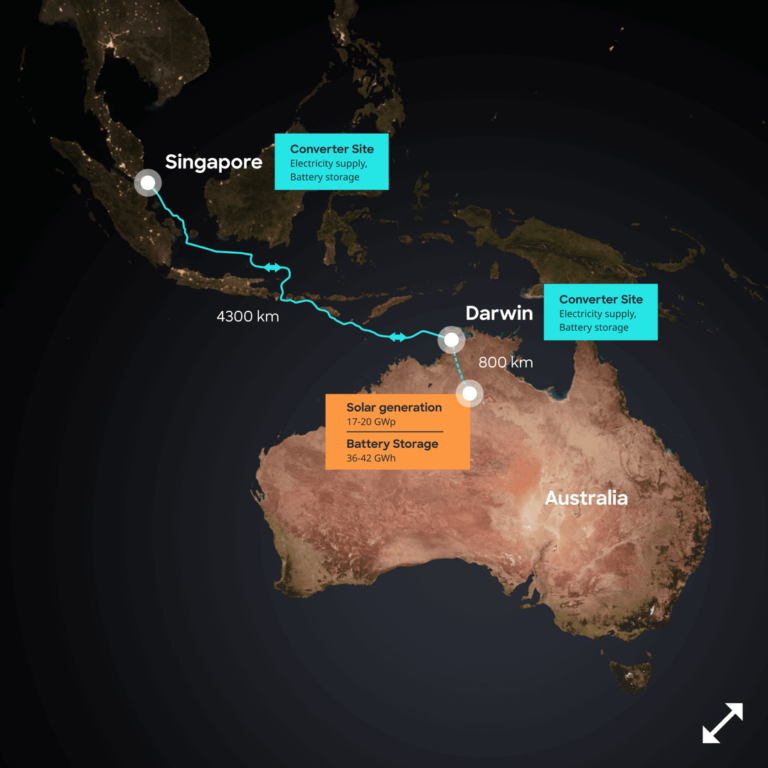
Suncable links solar power between Australia and Singapore

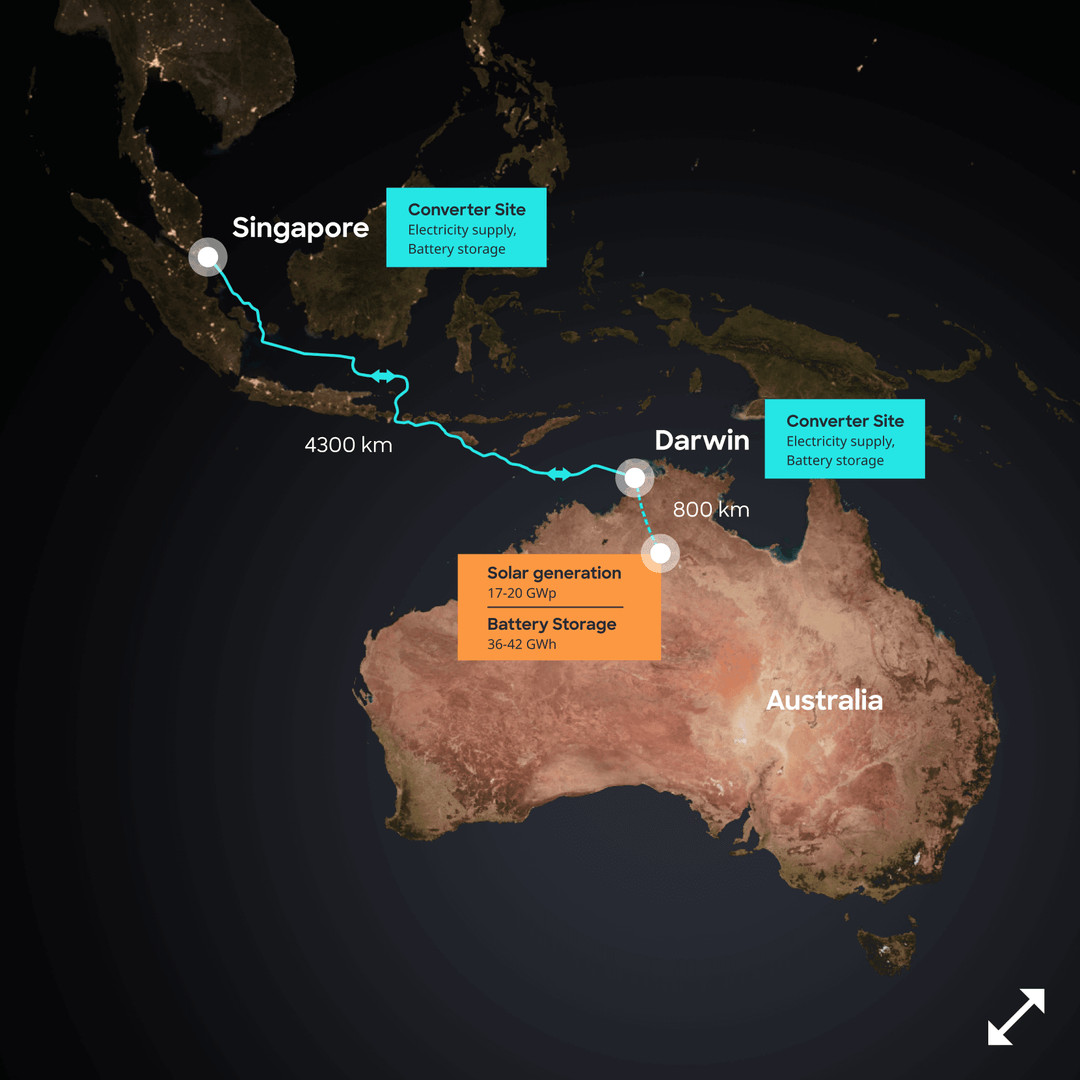
Australia has just approved to build the world’s largest solar energy and battery farm in order to export energy to Singapore. The project, which will include an array of panels, batteries and, over time an undersea cable linking Australia with Singapore, is backed by tech billionaire and eco activist Mike Cannon-Brookes.

SunCable‘s US$24 billion project is slated for Australia’s remote north and will power three million homes in the first stage of deployment.

“It will be the largest solar precinct in the world –- and heralds Australia as the world leader in green energy,” said Environment Minister Tanya Plibersek. Energy production is expected to start in 2030 with four gigawatts of energy for domestic use.

Two extra gigawatts would be sent to Singapore via an undersea cable, supplying about 15 percent of the city-state’s needs.

SunCable Australia’s managing director Cameron Garnsworthy said the approval was “a landmark moment in the project’s journey”.

SunCable’s first project, AAPowerLink, will harness and store renewable energy from one of the most reliably sunny and windy places – Australia’s Northern Territory –for 24/7 transmission to Darwin and Singapore.

This new project is a sign of the times as countries around the world move away from oil-based and polluting fossil fuels. Germany, for instance, decommissioned its last nuclear reactor last year in 2023 as nuclear is very problematic due to the radioactive energy it emits. Even oil-leaders such as Saudi Arabia says it wants to transition away from fossil fuels.


Turkey’s 4 million dog cull begins

0

turkey culls 4 million dogs

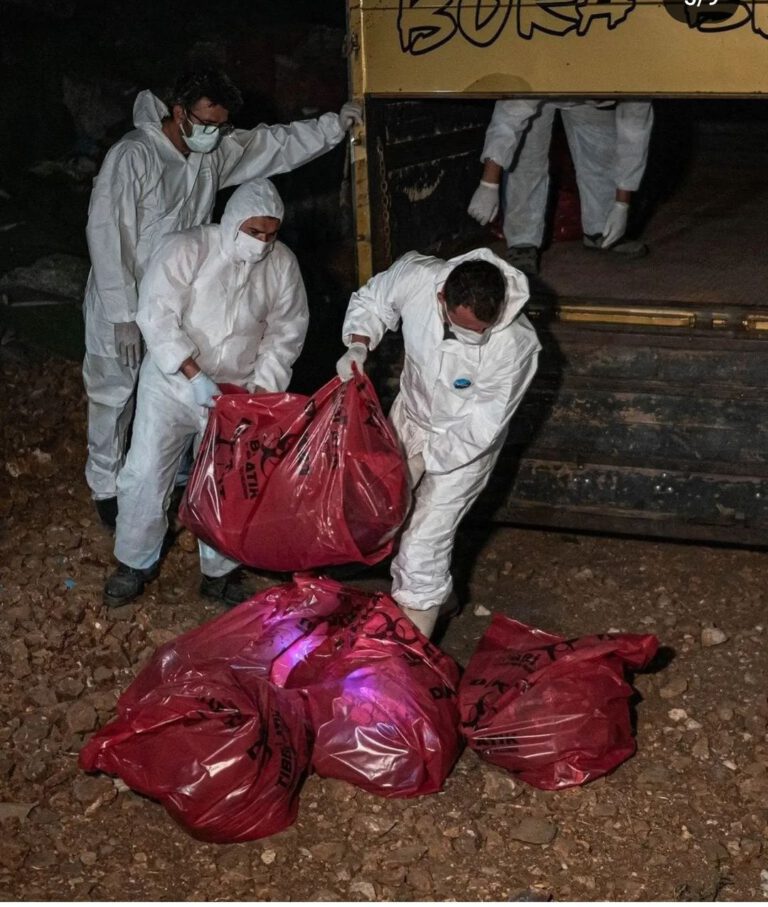
It’s not being picked up on mainstream media but X users are reporting that the Turkish dog cull has begun.

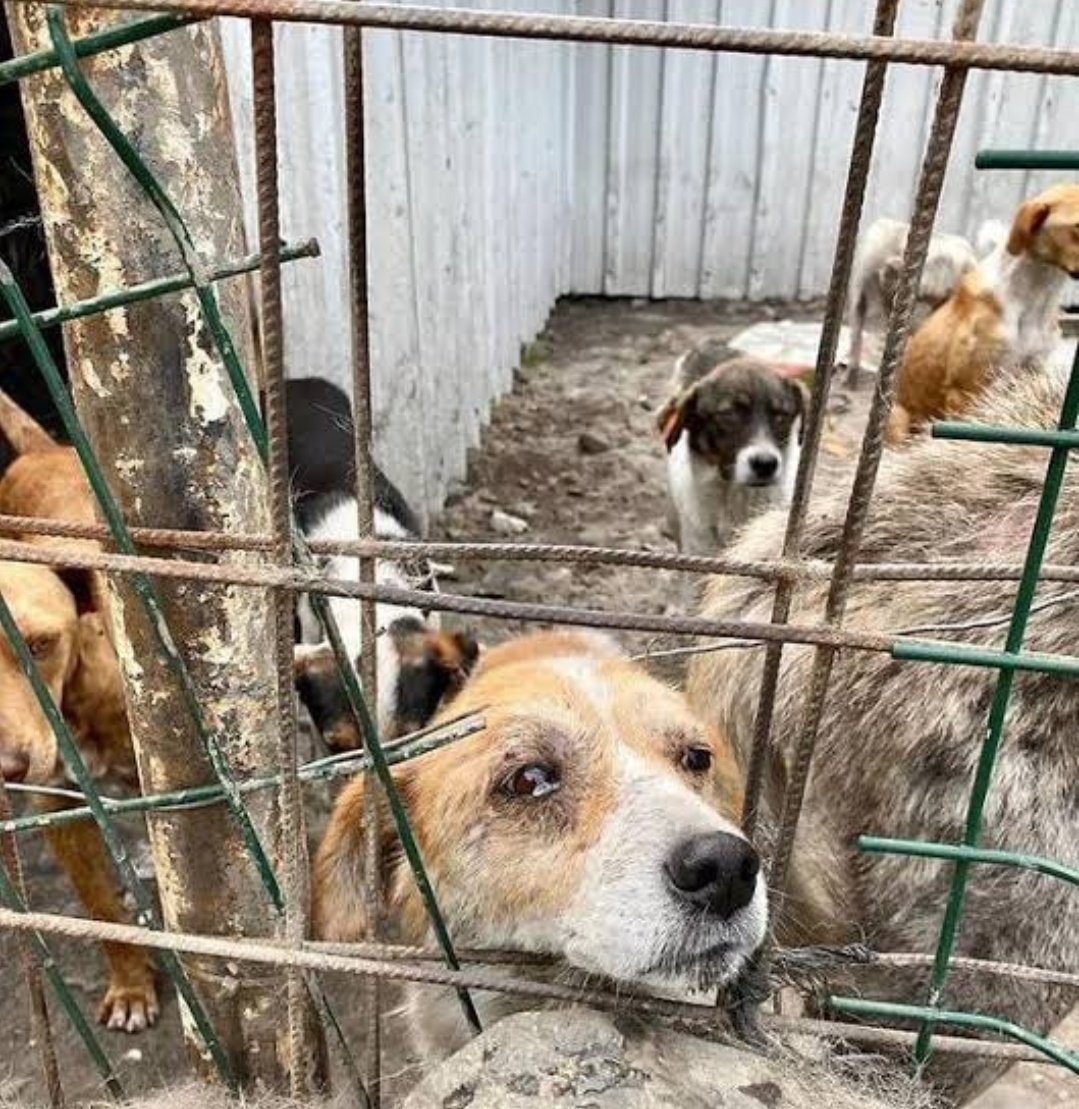
Earlier this summer President Erdogan announced he’d start culling 4 million stray dogs from the streets of Turkey. The dogs are becoming a nuisance after a failed sterilization program didn’t work. Locals say it was due to lack of enforcement — the same reason why so many new earthquake-proof buildings in Turkey crumbled after the last earthquake

Turkish animal activist Insane Huseyin posts thousands of images of abused animals in Turkey. Locals and governments turn a blind eye.

dog cull
Dog cull begins via Dom Dyer, on X.

“Has the photo become a poster of the evil that kills innocent animals by injecting them with laundry drugs?” writes Huseyin. “The world is angry and cursing.”

Abused dogs in Turkey

“A man was arrested in Istanbul for trying to stop dog catchers from illegally darting stray dogs without a vet in attendance. People will now end up in prison for trying to stop Presidents Erdogan’s dog genocide,” writes Dominic Dyer.

Man, identity unknown, arrested for trying to stop dog darts.

On Sunday, September 1, 2024, at 15:00 PM, animal rights activists in Turkey will demonstrate to demand justice for Turkish strays and stand in solidarity with Turkish activists risking their lives and liberty to oppose the bloodshed.

Demonstration against killing dogs in Istanbul, via Dom Dyer on X.

They invite all people to join us to call on the Turkish government to repeal the massacre law. This demonstration is hosted by Animal Save Movement and In Defense of Animals. An event will also be hosted in London outside the Turkish Embassy.

dead dog Turkey

“Do not visit Turkey. Go to Greece instead,” says Nioh Berg on X.

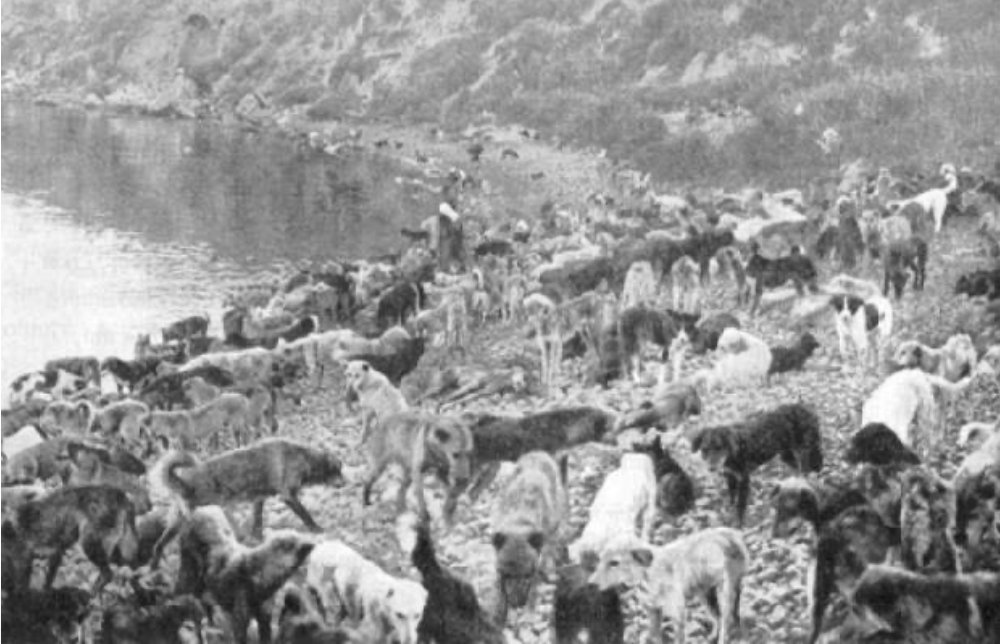
It’s not the first time Turkey murdered its stray dogs. In 1910 80,000 strays were sent to a barren island to die. The massacre left a scar on the local psyche and many believed was to blame for the Ottoman defeat in the Balkan Wars & WWI.

Turkish dogs die
Photo of Turkish dogs on barren island

Not long ago a Palestinian mayor called for the killing of dogs in Hebron, offering the equivalent of $20 for a truck load of dead dogs. This was until animal rights activist from Bethlehem stepped in – Diana Babish.

Animal abuse is rampant in the Middle East. We have plenty of horror stories from Jordan in our archives on abuse of dogs. Pets are abandoned as people flee climate change and the heat of the UAE.

But it doesn’t have to be this way. Read here about Islam’s teachings on animals for inspiration.

Why Experience Gifts are the Perfect Sustainable Choice for the Eco-Conscious

eco gifts
Sustainable, experience gifts like a spa day are simple and natural

Giving a gift doesn’t necessarily mean giving a product that will end up increasing waste, it can also mean a delightful yet eco-friendly gift. But how? Experience gifts, like the ones from sites like Giftory, are great for the eco-conscious. Why? Unlike buying physical, material goods, what you’re giving can be a great experience with a very low environmental impact.

The Problem with Traditional Gifts

Traditional gifts have a high environmental cost. Everything from manufacturing, packaging, and transportation is contributing to pollution and waste. With experience gifts, nothing needs to be shipped, flown, or even delivered. So, in a lot of ways, they are a lot more eco-friendly. Give the gift of an experience and you’re giving something that isn’t going to end up in a landfill.

The Joy of Giving Experiences

If you’re giving someone a high-flying helicopter tour or a pampering spa day—these gifts last a lot longer than that cute and cuddly stuffed bear. They leave lasting memories and that is the real gift. Giftory’s gift collection includes driving experiences, food and drink tours, sports and adventure activities, and sightseeing tours. These kinds of green gifts an eco-conscious person is sure to love!

Reducing Environmental Impact

The impact of an experience gift is minimal. You’re not using up resources to make the physical product. Many of the experiences at Giftory are eco-friendly ones. Things like sustainable workshops and eco-tours have little impact. With an eco-conscious type of mindset, experiences from Giftory are a good present to give a loved one.

Supporting Local and Sustainable Businesses

Besides being better for the environment, giving an experience gift is also better for local businesses. Many of the Giftory experiences are put on by local businesses. In some cases, it’s an eco-friendly, small business. For example, a farm-to-table dining experience serves up sustainably grown, local produce, and supporting local businesses can encourage them to expand their offerings.

Creating Lasting Memories

The best part about a gift is the memories that are created. Experience gifts for the receiver are to keep and cherish. Look around Giftory’s fantastic selection of experiences and you can find the best options for anyone. So, if you want to find the perfect experience for your loved one, look no further.

The Sustainable Choice for Thoughtful Giving

Experience gifts are the perfect gift to give. They take the guesswork out of what to get a loved one, and they can be used for any occasion- a birthday, an anniversary, or just because. Now you can rest almost all assurances that every experience that you gift will be an eco-friendly one.

Real-life Moana “Shiny” sponge collects glitter to stop from being eaten

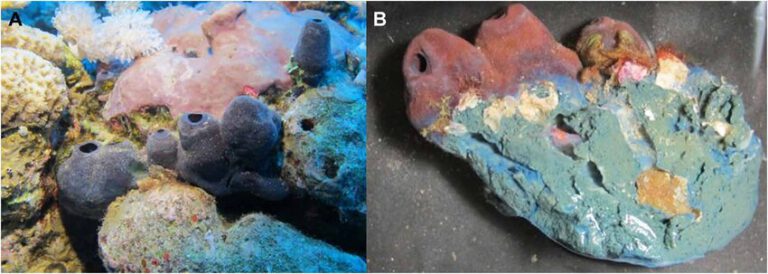
T. conica from the Red Sea. (A) the sponge seen in the Gulf of Aqaba at 30 m in depth before sampling. (B) image showing the sponge's external maroon (ectosome) and interior blue (endosome) parts following sample removal.
T. conica from the Red Sea. (A) the sponge seen in the Gulf of Aqaba at 30 m in depth before sampling. (B) image showing the sponge’s external maroon (ectosome) and interior blue (endosome) parts following sample removal.

We know the giant clam from the Disney film Moana. He collects diamonds and pearls. But in a new real life discovery, scientists working at the Red Sea have found sea sponges use glittery metal to ward off predation.

The study found that sponges in the Gulf of Eilat on the Red Sea have developed an original way to keep predators away. The researchers found that the sponges contain an unprecedented concentration of the highly toxic mineral molybdenum (Mo). In addition, they identified the bacterium that enables sponges to store such high concentrations of this precious metal and unraveled the symbiosis between the two organisms.

The study was led by PhD student Shani Shoham and Prof. Micha Ilan from TAU’s School of Zoology. The paper was published in the leading journal Science Advances.

The researchers explain that sponges are the earliest multicellular organisms known to science. They live in marine environments and play an important role in the earth’s carbon, nitrogen, and silicon cycles. A sponge can process and filter seawater 50,000 times its body weight every day.

With such enormous quantities of water flowing through them, they can accumulate various trace elements – and scientists try to understand how they cope with toxic amounts of materials like arsenic and molybdenum.

Twenty to 30 years ago, researchers from a lab collected samples of a rare sponge called Theonella conica from the coral reef of Zanzibar in the Indian Ocean and found in them a high concentration of molybdenum. Molybdenum is a trace element, important for metabolism in the cells of all animals including humans, and widely used in industry.

“In my research, I wanted to test whether such high concentrations are also found in this sponge species in the Gulf of Eilat, where it grows at depths of more than 27 meters,” says PhD student Shani Shoham: “Finding the sponge and analyzing its composition I discovered that it contained more molybdenum than any other organism on earth: 46,793 micrograms per gram of dry weight.”

She notes: “Like all trace elements, molybdenum is toxic when its concentration is higher than its solubility in water. But we must remember that a sponge is essentially a hollow mass of cells with no organs or tissues. Specifically in Theonella conica, up to 40% of the body volume is a microbial society – bacteria, viruses, and fungi living in symbiosis with the sponge.

One of the most dominant bacteria, called Entotheonella sp.serves as a ‘detoxifying organ’ for accumulating metals inside the body of its sponge hosts. Hoarding more and more molybdenum, the bacteria convert it from its toxic soluble state into a mineral. We are not sure why they do this. Perhaps the molybdenum protects the sponge, by announcing: “I’m toxic! Don’t eat me!”, and in return for this service the sponge does not eat the bacteria and serves as their host.”

No sponge farming for rare metals

Molybdenum is in high demand, mostly for alloys (for example, to make high-strength steel), but according to Shoham, it would be impracticable to retrieve it from sponges: “The concentration is very high, but when translated into weight we could only get a few grams from every sponge, and the sponge itself is relatively rare.

“Sponges are grown in marine agriculture, mostly for the pharmaceutical industry, but this is quite a challenging endeavor. Sponges are very delicate creatures that need specific conditions.

“On the other hand, future research should focus on the ability of Entotheonella sp. bacteria to accumulate toxic metals. A few years ago, our lab discovered huge concentrations of other toxic metals, arsenic (As) and barium (Ba), in a close relative of Theonella conica, called Theonella swinhoei, which is common in the Gulf of Eilat.

“In this case, too, Entotheonella was found to be largely responsible for hoarding the metals and turning them into minerals, thereby neutralizing their toxicity. Continued research on the bacteria can prove useful for treating water sources polluted with arsenic, a serious hazard which directly affects the health of 200 million people worldwide.”

Transform Your Restaurant with Eco- Friendly Food Packaging: The Benefits of Going Compostable

sustainable packaging

Switching to ecological food packaging is one of the most effective steps restaurants can take towards sustainability. As the environmental movement rises, more and more conscious consumers look to do business with companies that reflect their values through ethical means.

Many consumers seek packaging options that help reduce physical waste. Compostable packaging checks all the boxes—enticing new patrons could also give you an edge over competitors.

Due to the petroleum-based material that traditional plastic and foam serving ware are constructed from, these items have been polluting our oceans, lands, and, ultimately, the planet for centuries as they NEVER biodegrade.

Yet, as numerous brands are now manufacturing compostable alternatives, there is no excuse for any more establishments in the food industry to destroy our environment further. With more sustainable offerings to restaurants, they can operate more ethically and reach an electorally responsible market as well.

Why Choose Eco-Friendly Food Packaging?

Environmental Benefits

Swapping to compostable food packaging comes with substantial environmental benefits. These are often made out of traditional, nonrenewable plastics that take millions of years to break down and pollute wildlife and habitats.

Compostable containers are made of a plant-based source, such as sugarcane, bamboo-or even paper or bagasse-and completely biodegrade within 3 months when disposed of correctly.

Yet, for true decay to occur and for the material to be utilized in an environmentally friendly manner, a commercial composting facility would be needed to help it decompose properly.

When the Earth is kept clean from plastic/foam litter, it prevents dustbins from building up with foam/plastic waste for endless decades or spreading into oceans/lakes/waterways and the wilderness of forests and lands beyond.

Restaurants can take a hint and reduce their footprint by choosing eco-friendly options like sturdy, water-resistant, and sustainable kraft paper, which offers the greenest solution for saving our forests.

Cost-Effectiveness

Restaurant owners may find it daunting to consider retiring existing packaging and transitioning to more sustainable choices. They worry that swapping out one thing for another will hike up costs in the long term. Recyclable materials like glass, kraft paper, metal, and cardboard can also be cost-effective and eco-friendly, offering potential energy savings from recycling processes.

However, compostable products can frequently cost the same or actually less than their traditional plastic and foam counterparts, as many communities have reduced expensive trash disposal costs.

As an illustration, published landfill dumping fees suffice to make a 32-oz compostable cup price the very same or moderately less than a 32-ounce foam disposable cup.

Some state and county financial incentive programs encouraging eco-innovation may provide energy subsidies, which can lead to even further savings on compostable supplies. Green Paper Products enables customers to go green without losing out on profit margins thanks to cost-wise packaging front-of-back switching.

Customer Appeal

Data from a 2019 investigation into how companies use sustainable practices to care for their environment showed that Americans consider it more important than food quality to patronize higher-end eating places with eco-friendly packaging and policies.

As diners, this is indicative of a high enough percentage of thoughtful consumers who were willing to pay more for the brands they support to preach their social responsibility loudly.

Compostable packaging, which resonates with this fraction of Earth’s inhabitants, allows restaurants to attract these eco-friendly consumers and cultivate goodwill in communities. The utilization of green choices supplies services with a competitive benefit and also awards existing customers for supporting companies that straighten with their wish to lower waste.

Sustainability also plays well with a growing cohort of Gen Z and millennial consumers who are demanding that brands align themselves, if not entirely, then at least in part, around their values. Shifting operations allow restaurants to target conscientious consumers who influence them from liberal patrons.

Read More: The Easiest Ways For Businesses To Improve Their Reputation For Sustainability

How to Transition to Compostable Packaging

Assess Your Current Packaging

First and foremost, the process should start by evaluating whatever items are used to ensure they comply with environmental standards. It is also important to assess the use of recyclable materials to enhance sustainability.

Review what types of disposables you have and how many containers, wrappers, cutlery, or other disposables you have.

Record the brand and which part of the restaurant uses each item. Identify a process for substituting plastic or foam offerings that perform the same function with certified compostable alternatives.

This will prove useful later on when you need to switch over. Record the findings clearly! Conducting a holistic evaluation, which identifies savings throughout the operations, makes it easier to adopt sustainable alternatives.

Selecting the Right Compostable Products

Then, check out the options of packaging suppliers that deal with food-related items. These include authentic plant-based containers, plates, cups, wraps, utensils, and so on. They are made from Sugarcane bagasse, bamboo paper, and bioplastic renewable sources.

Plant-based packaging is made from renewable resources and is biodegradable using sources like corn and cornstarch, which in turn make them cost-effective and earth-friendly for food companies.

Do your research on compostability certifications (Ex, ASTM D6400) and BPI-endorsed products, which say items will break down completely in 180 days. Ask for free sample packs to fondle quality and judge the value before paying in bulk.

For fast-casual restaurants and catering events, renewable materials like bagasse molded fiber food containers are a must to reduce their environmental impact.

Always verify compostability by reviewing materials, logos, and specifications to ensure that they can be processed at your local facility- regional standards vary. Prescribe with reps for best eco-products costs and inventory requirements. Ensure that selected products can be processed at a commercial composting facility to maximize their environmental benefits.

Implementing the Change

Once they have researched and selected eco-friendly packaging options, restaurants must then effectively transition by educating their entire staff about why making more sustainable choices is important, as well as instructing them on how to use them correctly.

Increased in-store visibility through clear signage, leveraged social media campaigns and communicated new commitments with team members through community outreach newsletters or flyers. This, in turn, required customers to be educated to explain how packaging changes lead to less waste and land pollution.

Think about temporary menu markdowns encouraging customers to use refillable containers, which will result in more savings on food costs over the long term. Switching to these green operations is not easy; the transition stage often feels a bit painful initially, but if tried persistently, its results are worth all the trouble.

Read More: 4 Simple Swaps You Can Make to Live a More Eco-Friendly Life

Using Social Media to Get the Word Out

Social platforms constantly have free tools to help you tell your sustainability story far and wide. Highlight your use of eco-friendly packaging by posting significant milestone transitions on Facebook, BTS images from the changeover, and visually appealing graphics in support of eco-values on Instagram & Twitter.

Show happy reactions from customers about your change and ask followers how exactly you can green up next. Incentivize preferred sustainable choices by geo-targeting social ads for picturesque locations and promoting special discounts.

Collaborate with influencers, feeding them comp items that lead to organic posts from local figures. Then, demonstrate your commitment to those areas you feel most strongly about to cultivate loyalty among followers.

Read More: What is meant by the decarbonization of industry?

Benefits Beyond Packaging

Containers do not need to be the end of a sea change complete rewrite. Think beyond solar and other efficiency-boosting technologies, low-flow fixtures, bulk condiment dispensers, or digital menus (say goodbye to laminated Petri dishes a menu). Embrace sustainable packaging to support food service operators in creating successful businesses while contributing positively to the environment.

Conduct a carpool promotion on employee greening, put reusable dishware in break rooms, and put it in waste to make it worthwhile: conduct donation drives that keep usable items out of landfills.

Work with local farms to compost food waste and join consortia purchasing networks for the lowest natural cleaners prices. Globally, a 360 Vision of being fully Sustainable affects Triple Bottom Lines; environmental, social, and financial returns at a large scale.

Conclusion and Insights

These practical examples present a good case as to why eco-friendly packaging is advantageous for the environment and business. In doing so, compostable products reduce waste and attract environmentally-conscious modern consumers with community-minded choices.

This will only reinforce the call for all industries to ‘green up’ from consumer demand, competition, and tougher laws. For now, restaurants adopting sustainability are seeing a first-mover lift to break from larger competitors dragging their feet on progress.

By packing up with notorious suppliers, the process of flipping to certified offerings is sped up and more efficiently compasses brands stewardly. Transform your operations today and make a significant impact on goodwill in the community with Green Paper Products. The future seems bleak, but we can always build it to be brighter, one takeout container at a time.

Read More: Microplastics from brushing your teeth and wearing plastic aligners?

Green Paper Products a Greener Future

More customers, especially young diners, prefer indulging in restaurants that act purposefully regarding the environmental choices that they make during operations, including the use of sustainable packaging. Early adopters moving to compostable solutions are dominant over the laggards, thus placing them ahead in environmental position.

Transitioning operations takes some tweaks in the short term, but working with an experienced supplier makes the process easier. Green Paper Products has years of experience helping the food industry switch over to certified compostable products.

All their containers, cutlery, and plates are fully tested to be compliant with the ASTM compostability standard. Their products provide an alternative to traditional plastic and foam items, as sustainability properties along with a cost efficiency benchmark against comparable performance.

When staging your restaurant for eco-packaging solutions, contact Green Paper Products. Find out more about your needs and book a free consultation today! Their in-house packaging expert can assess your current supplies, offer compostable options or sustainable paper alternatives, and create a made-to-measure switch plan.

Take advantage of this – sign up now to receive exclusive, introductory pricing for your first order. Green Paper Products is here to help bring your business closer than ever to sustainability.