Today, Britain is attempting something that would have seemed unthinkable back then. Lawmakers have passed legislation designed to create a “smoke-free generation,” meaning that people who are currently children will never legally be able to purchase tobacco if the policy remains in place. They have started by promoting that sales of tobacco will be banned to anyone born after 2008.
Unlike solar power on Earth, which is limited by night cycles, weather, and seasons, the Moon offers something close to uninterrupted exposure to the Sun. By placing solar infrastructure in orbit or along the lunar surface, engineers could generate continuous clean energy at a scale that may exceed global electricity demand, the Japanese scientists say.
What the Star Home demonstrates is something bigger: that health can be built into infrastructure. Instead of relying only on healthcare systems, communities can reduce disease at the source—through smarter design.
Oman is returning to the Venice Biennale with Zīnah, an immersive installation by artist and curator Haitham Al Busafi that transforms a traditional form of horse adornment into a large-scale sensory experience.
Professor Ji-Soo Jang, in collaboration with Professor Taekwang Yoon of Ajou University and Professor Hansel Kim of Chungbuk National University, has developed a novel energy device that generates electricity during the process of capturing greenhouse gases.
Today, Britain is attempting something that would have seemed unthinkable back then. Lawmakers have passed legislation designed to create a “smoke-free generation,” meaning that people who are currently children will never legally be able to purchase tobacco if the policy remains in place. They have started by promoting that sales of tobacco will be banned to anyone born after 2008.
Unlike solar power on Earth, which is limited by night cycles, weather, and seasons, the Moon offers something close to uninterrupted exposure to the Sun. By placing solar infrastructure in orbit or along the lunar surface, engineers could generate continuous clean energy at a scale that may exceed global electricity demand, the Japanese scientists say.
What the Star Home demonstrates is something bigger: that health can be built into infrastructure. Instead of relying only on healthcare systems, communities can reduce disease at the source—through smarter design.
Oman is returning to the Venice Biennale with Zīnah, an immersive installation by artist and curator Haitham Al Busafi that transforms a traditional form of horse adornment into a large-scale sensory experience.
Professor Ji-Soo Jang, in collaboration with Professor Taekwang Yoon of Ajou University and Professor Hansel Kim of Chungbuk National University, has developed a novel energy device that generates electricity during the process of capturing greenhouse gases.
Today, Britain is attempting something that would have seemed unthinkable back then. Lawmakers have passed legislation designed to create a “smoke-free generation,” meaning that people who are currently children will never legally be able to purchase tobacco if the policy remains in place. They have started by promoting that sales of tobacco will be banned to anyone born after 2008.
Unlike solar power on Earth, which is limited by night cycles, weather, and seasons, the Moon offers something close to uninterrupted exposure to the Sun. By placing solar infrastructure in orbit or along the lunar surface, engineers could generate continuous clean energy at a scale that may exceed global electricity demand, the Japanese scientists say.
What the Star Home demonstrates is something bigger: that health can be built into infrastructure. Instead of relying only on healthcare systems, communities can reduce disease at the source—through smarter design.
Oman is returning to the Venice Biennale with Zīnah, an immersive installation by artist and curator Haitham Al Busafi that transforms a traditional form of horse adornment into a large-scale sensory experience.
Professor Ji-Soo Jang, in collaboration with Professor Taekwang Yoon of Ajou University and Professor Hansel Kim of Chungbuk National University, has developed a novel energy device that generates electricity during the process of capturing greenhouse gases.
Today, Britain is attempting something that would have seemed unthinkable back then. Lawmakers have passed legislation designed to create a “smoke-free generation,” meaning that people who are currently children will never legally be able to purchase tobacco if the policy remains in place. They have started by promoting that sales of tobacco will be banned to anyone born after 2008.
Unlike solar power on Earth, which is limited by night cycles, weather, and seasons, the Moon offers something close to uninterrupted exposure to the Sun. By placing solar infrastructure in orbit or along the lunar surface, engineers could generate continuous clean energy at a scale that may exceed global electricity demand, the Japanese scientists say.
What the Star Home demonstrates is something bigger: that health can be built into infrastructure. Instead of relying only on healthcare systems, communities can reduce disease at the source—through smarter design.
Oman is returning to the Venice Biennale with Zīnah, an immersive installation by artist and curator Haitham Al Busafi that transforms a traditional form of horse adornment into a large-scale sensory experience.
Professor Ji-Soo Jang, in collaboration with Professor Taekwang Yoon of Ajou University and Professor Hansel Kim of Chungbuk National University, has developed a novel energy device that generates electricity during the process of capturing greenhouse gases.
Today, Britain is attempting something that would have seemed unthinkable back then. Lawmakers have passed legislation designed to create a “smoke-free generation,” meaning that people who are currently children will never legally be able to purchase tobacco if the policy remains in place. They have started by promoting that sales of tobacco will be banned to anyone born after 2008.
Unlike solar power on Earth, which is limited by night cycles, weather, and seasons, the Moon offers something close to uninterrupted exposure to the Sun. By placing solar infrastructure in orbit or along the lunar surface, engineers could generate continuous clean energy at a scale that may exceed global electricity demand, the Japanese scientists say.
What the Star Home demonstrates is something bigger: that health can be built into infrastructure. Instead of relying only on healthcare systems, communities can reduce disease at the source—through smarter design.
Oman is returning to the Venice Biennale with Zīnah, an immersive installation by artist and curator Haitham Al Busafi that transforms a traditional form of horse adornment into a large-scale sensory experience.
Professor Ji-Soo Jang, in collaboration with Professor Taekwang Yoon of Ajou University and Professor Hansel Kim of Chungbuk National University, has developed a novel energy device that generates electricity during the process of capturing greenhouse gases.
Today, Britain is attempting something that would have seemed unthinkable back then. Lawmakers have passed legislation designed to create a “smoke-free generation,” meaning that people who are currently children will never legally be able to purchase tobacco if the policy remains in place. They have started by promoting that sales of tobacco will be banned to anyone born after 2008.
Unlike solar power on Earth, which is limited by night cycles, weather, and seasons, the Moon offers something close to uninterrupted exposure to the Sun. By placing solar infrastructure in orbit or along the lunar surface, engineers could generate continuous clean energy at a scale that may exceed global electricity demand, the Japanese scientists say.
What the Star Home demonstrates is something bigger: that health can be built into infrastructure. Instead of relying only on healthcare systems, communities can reduce disease at the source—through smarter design.
Oman is returning to the Venice Biennale with Zīnah, an immersive installation by artist and curator Haitham Al Busafi that transforms a traditional form of horse adornment into a large-scale sensory experience.
Professor Ji-Soo Jang, in collaboration with Professor Taekwang Yoon of Ajou University and Professor Hansel Kim of Chungbuk National University, has developed a novel energy device that generates electricity during the process of capturing greenhouse gases.
Today, Britain is attempting something that would have seemed unthinkable back then. Lawmakers have passed legislation designed to create a “smoke-free generation,” meaning that people who are currently children will never legally be able to purchase tobacco if the policy remains in place. They have started by promoting that sales of tobacco will be banned to anyone born after 2008.
Unlike solar power on Earth, which is limited by night cycles, weather, and seasons, the Moon offers something close to uninterrupted exposure to the Sun. By placing solar infrastructure in orbit or along the lunar surface, engineers could generate continuous clean energy at a scale that may exceed global electricity demand, the Japanese scientists say.
What the Star Home demonstrates is something bigger: that health can be built into infrastructure. Instead of relying only on healthcare systems, communities can reduce disease at the source—through smarter design.
Oman is returning to the Venice Biennale with Zīnah, an immersive installation by artist and curator Haitham Al Busafi that transforms a traditional form of horse adornment into a large-scale sensory experience.
Professor Ji-Soo Jang, in collaboration with Professor Taekwang Yoon of Ajou University and Professor Hansel Kim of Chungbuk National University, has developed a novel energy device that generates electricity during the process of capturing greenhouse gases.
Today, Britain is attempting something that would have seemed unthinkable back then. Lawmakers have passed legislation designed to create a “smoke-free generation,” meaning that people who are currently children will never legally be able to purchase tobacco if the policy remains in place. They have started by promoting that sales of tobacco will be banned to anyone born after 2008.
Unlike solar power on Earth, which is limited by night cycles, weather, and seasons, the Moon offers something close to uninterrupted exposure to the Sun. By placing solar infrastructure in orbit or along the lunar surface, engineers could generate continuous clean energy at a scale that may exceed global electricity demand, the Japanese scientists say.
What the Star Home demonstrates is something bigger: that health can be built into infrastructure. Instead of relying only on healthcare systems, communities can reduce disease at the source—through smarter design.
Oman is returning to the Venice Biennale with Zīnah, an immersive installation by artist and curator Haitham Al Busafi that transforms a traditional form of horse adornment into a large-scale sensory experience.
Professor Ji-Soo Jang, in collaboration with Professor Taekwang Yoon of Ajou University and Professor Hansel Kim of Chungbuk National University, has developed a novel energy device that generates electricity during the process of capturing greenhouse gases.
We have often lamented that people from Dubai and other Arabian Gulf countries walk around with wild cats the way Hollywood stars carry Chihuahuas. But now one of the world’s leading Cheetah experts says these people can actually help to save the species from extinction.
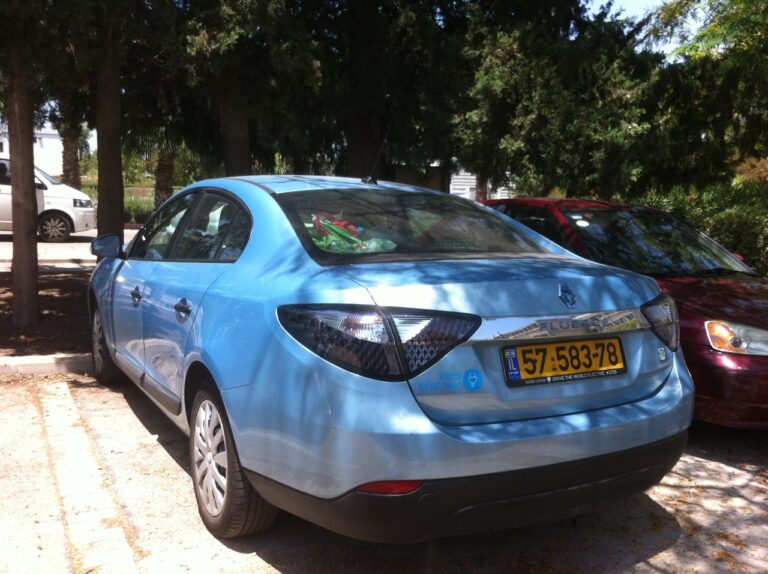
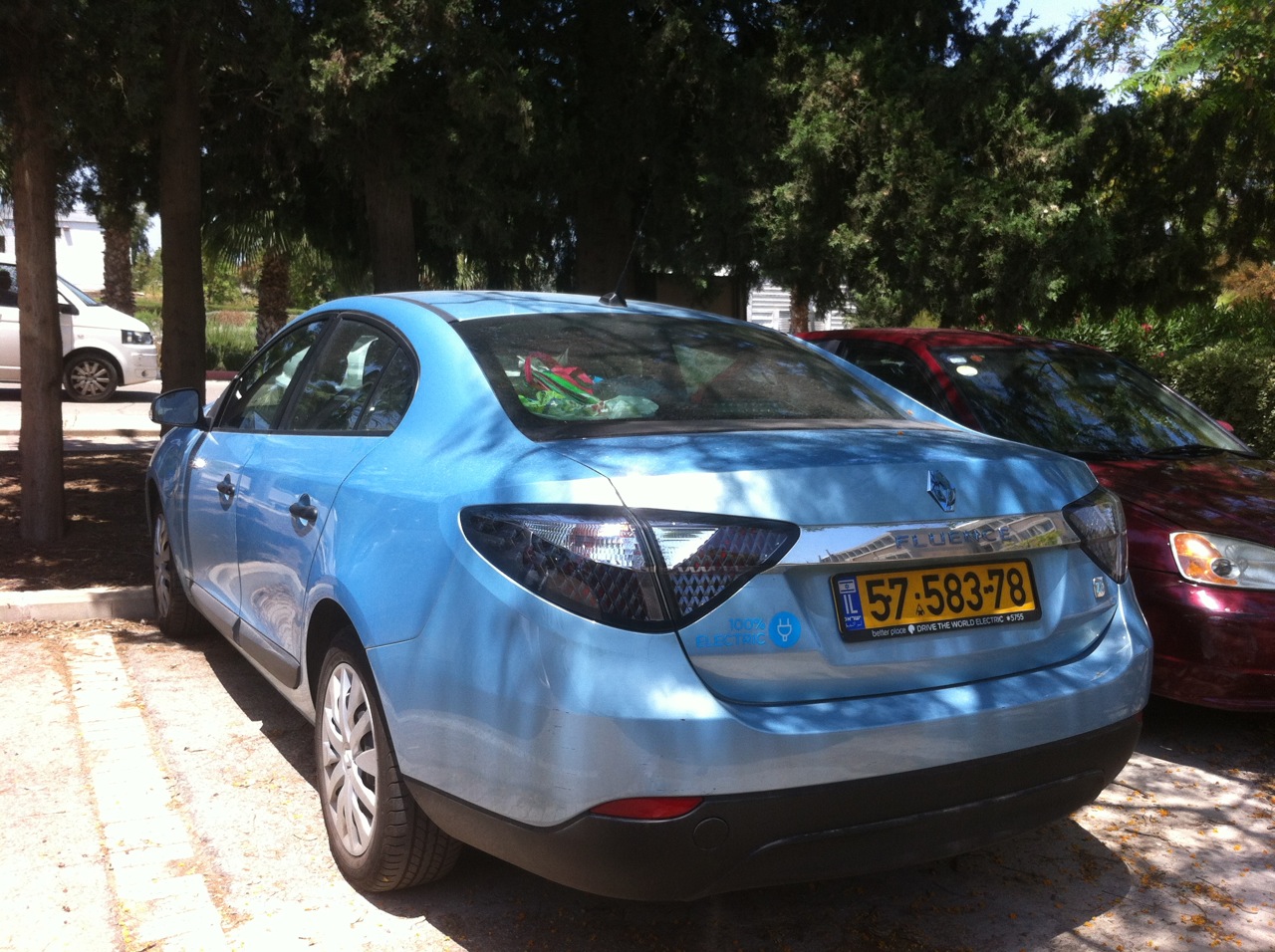
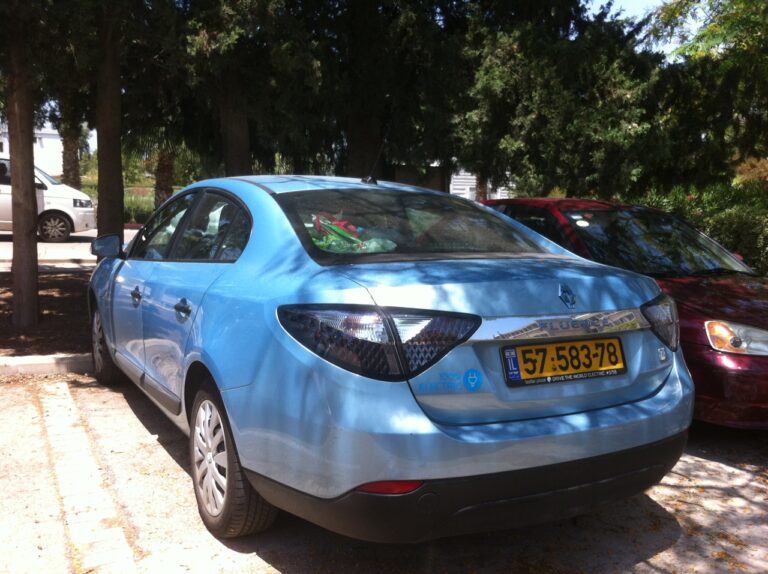
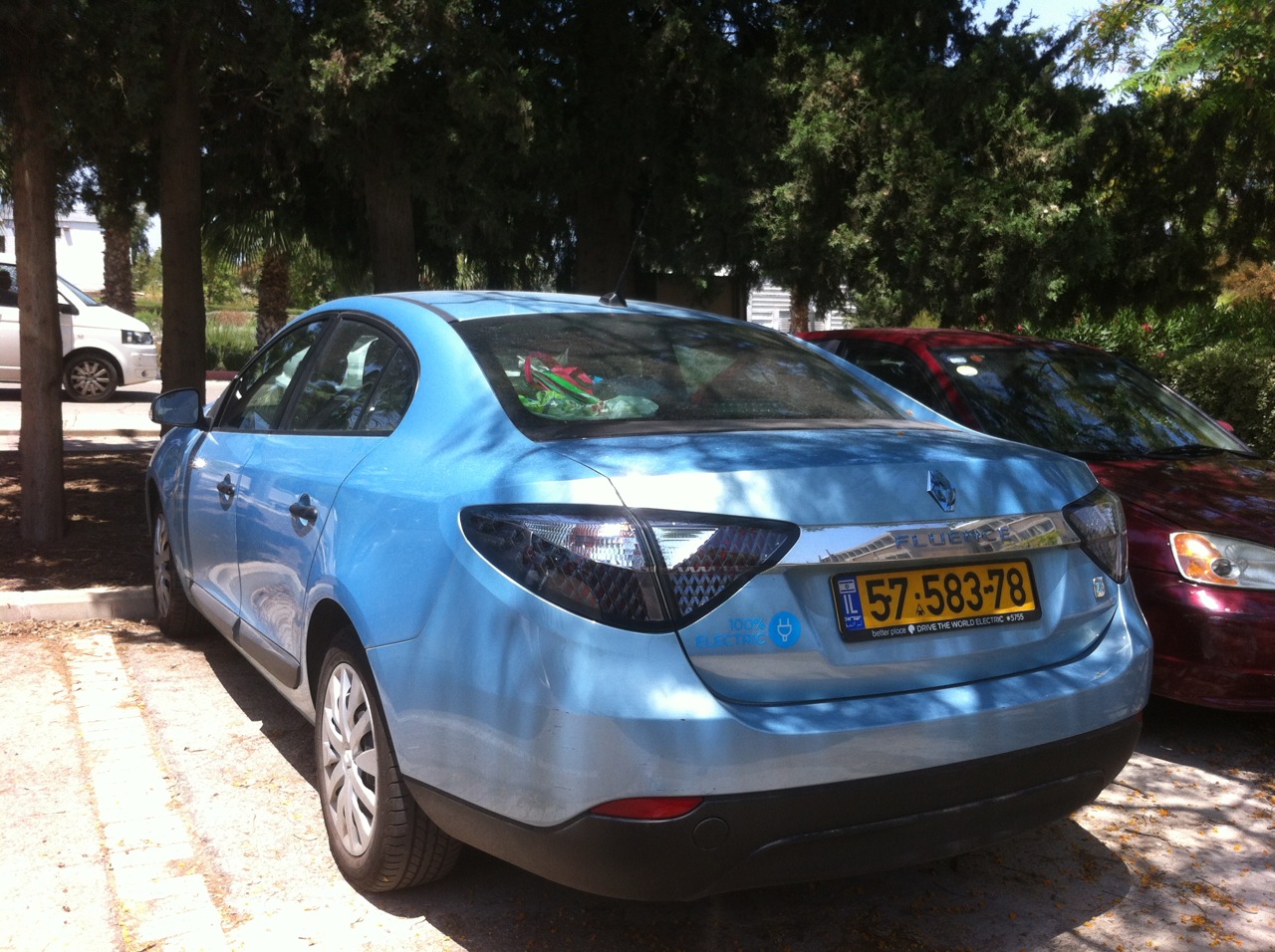
It is a sad day. Better Place’s battery swap technology is an obvious and practical technological solution to a basic problem of physics and electrochemistry, it is both dangerous and difficult to rapidly charge a chemical battery.
Three Emirati men were booted from Saudi Arabia because of their smoldering good looks. If you swallow that, then you’ll also believe top scientists are scrambling to determine if heat emanating from the handsome trio may be at the center of global warming.
From a €17 pad in Sharm Sheikh to a €61 room on Gaza Beach and a cave home in Israel, AirBnB is used widely across the Middle East, but the San Francisco-based startup ran into a glitch recently which could mean trouble for the rest of the world.
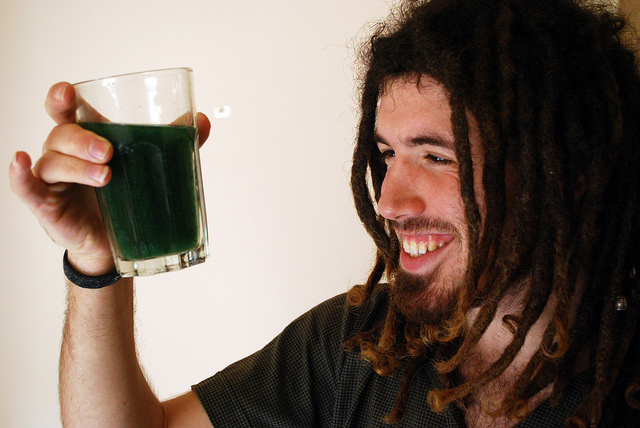
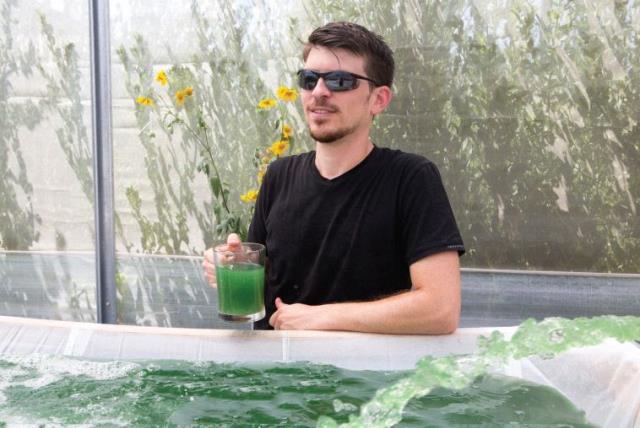
Give a microscopic vegetable the right conditions of sunshine and water, and you can home-farm what some say is the world’s most nutritious food: spirulina.
While limiting children, or not having them at all, is a good way to fight global warming and the demise of our poor planet, there is nothing more inhumane in being told how many children you can have.
It seemed like a sure thing five years ago, but today Israel’s Better Place electric car company has pulled the plug on its electric car network in Israel as it files for bankruptcy today.
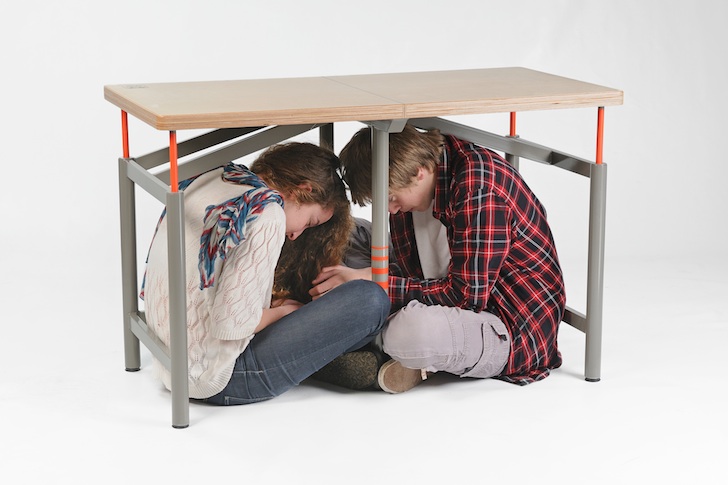
Students are typically advised to crawl under their desks when an earthquake strikes, but then they often become trapped when the table collapses. Israeli designers Arthur Brutter and Ido Bruno designed a solution to this problem called “the Earthquake Proof Table”. It’s able to withstand one tonne of weight, and meets the needs in developing nations.
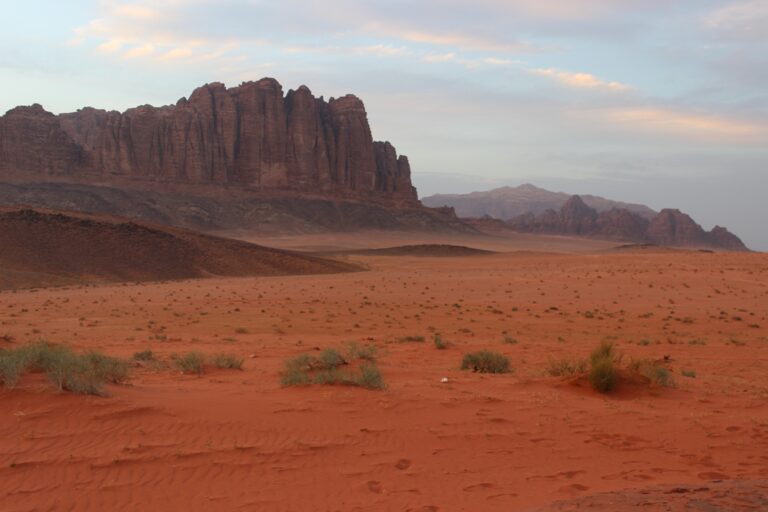
Jordan’s magical red dessert is short on plastic bags, throwaway bottles, and paper litter. Begs the question, does raw nature shame us into better environmental behavior? If so, a stay in Wadi Rum nature reserve should be a national obligation.
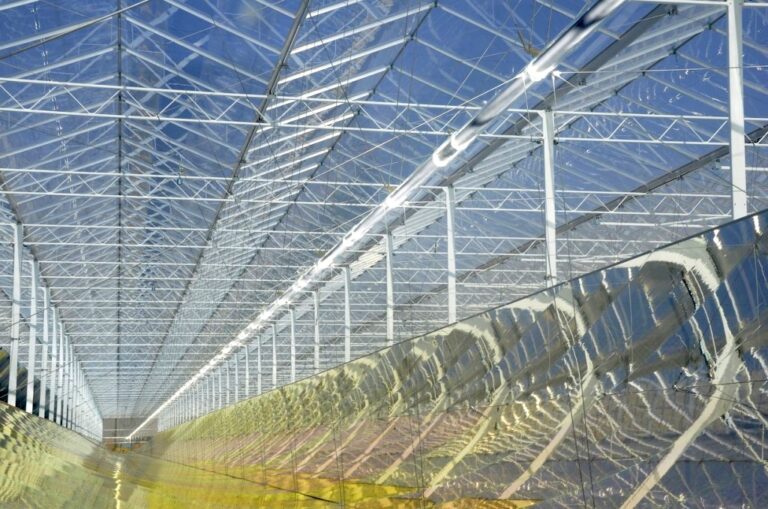
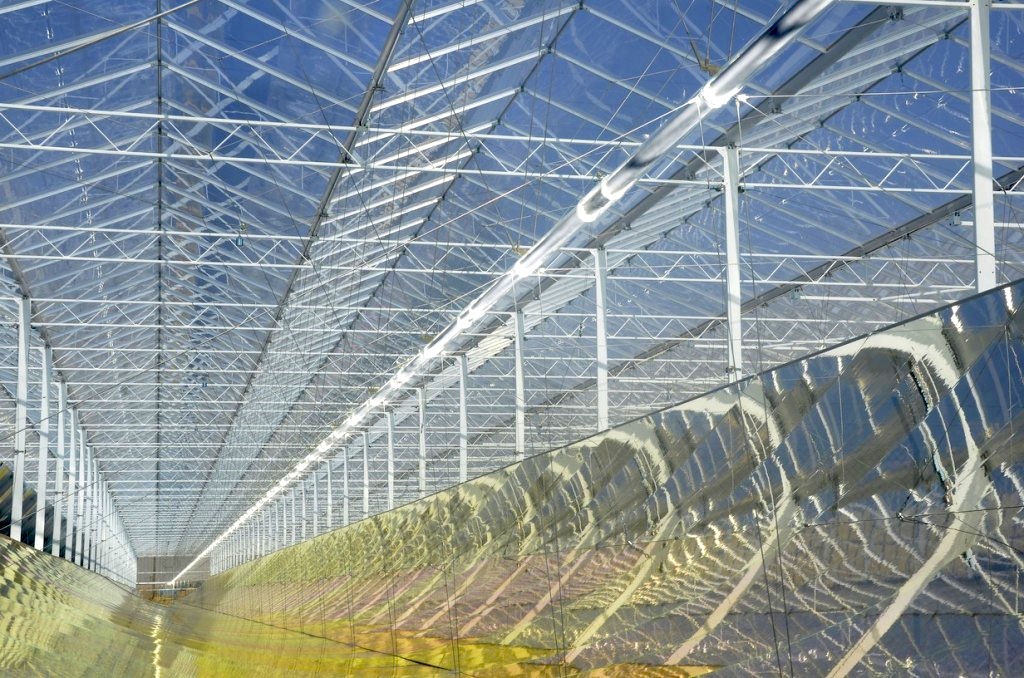
New life for old oil fields? Last year Oman inaugurated a 7MW solar pilot plant that produces steam to loosen thick, stubborn oil. Petroleum Development Oman has since hailed the four acre complex of glass houses a scorching success, and the supplier GlassPoint is preparing to become the “Ikea of solar,” Forbes reports.
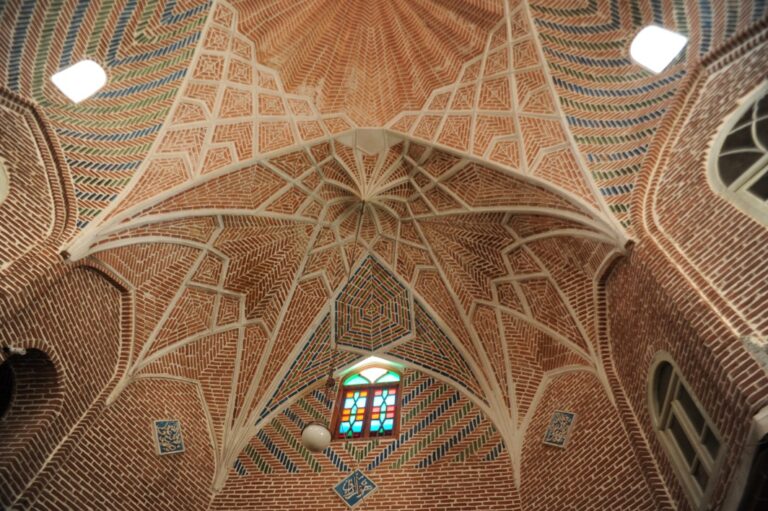
Head to the heart of any Middle Eastern city and find a vibrant commercial hub, usually in the shadow of a major mosque – the bazaar. An Iranian bazaar with incredible history (Marco Polo shopped there!) may now win the 2013 Aga Khan Award for Architecture.
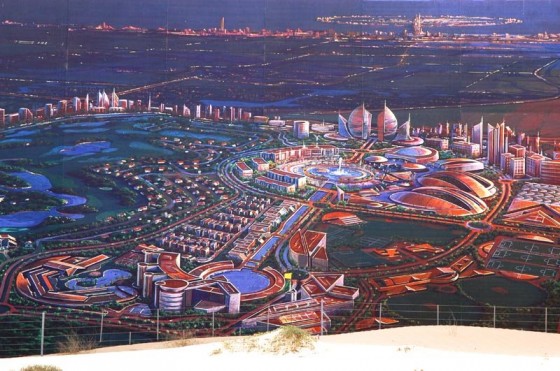
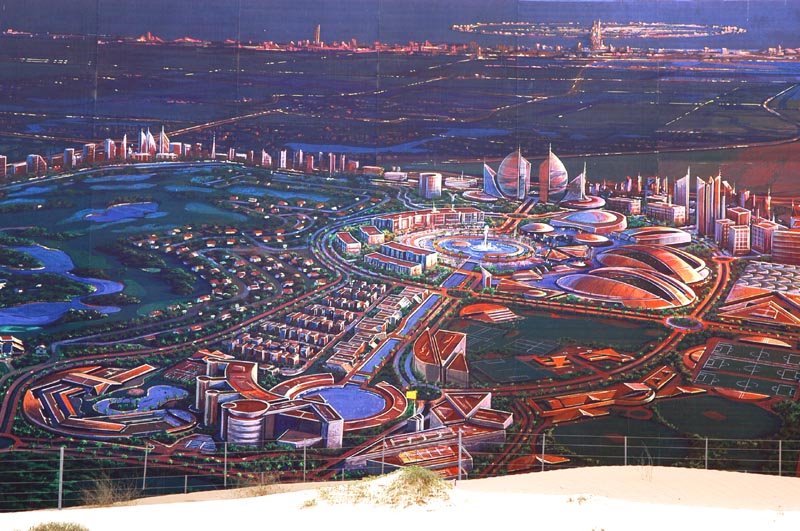
It’s a fact that Disneyland fits inside Disney World’s parking lot. Now double up Disney World and you almost match the planned footprint of Dubaiworld. That’s unimaginable, and sure to haunt my dreams.
In October 2010, the World Wildlife Fund (WWF) called out oil-producing Abu Dhabi for being one of the world’s highest emitters of carbon dioxide per capita. Now, less than three years later, the government’s environmental arm has turned the emirate into the eco-police.
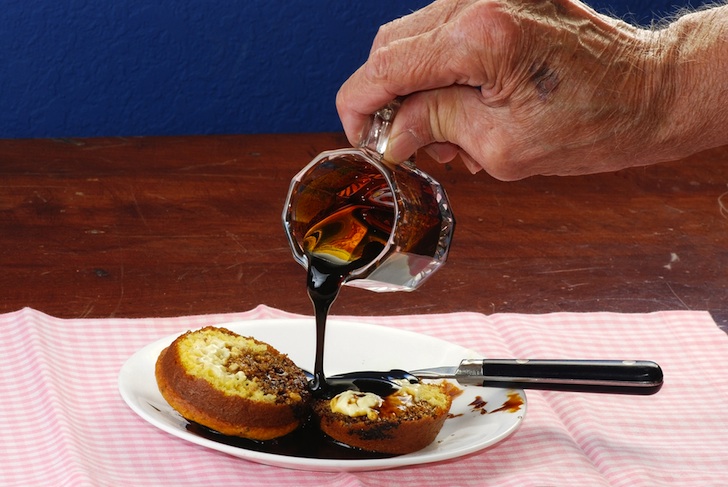
It is hard to find a house anywhere in the world that doesn’t have sugar in the pantry, but in Egypt, molasses is the number one sweet treat. This is particularly true of Upper Egypt (the southern half of the country), the site of many sugar cane plantations.
Also referred to as black treacle, molasses is formed as a byproduct of refining sugar cane, according to Raef Abdul Salam, who discusses his family business in a recent interview.
Abdul Salam’s father ran a plantation and sugar cane mill in Upper Egypt, and when he died, the family decided to split up the business. One son runs the plantation, another oversees operations at the mill, and Abdul Salam is the salesman.
He packs ceramic jars filled with a mix of sesame paste and black treacle and rides around Cairo on a motorbike. One jar fetches just $1.07.
Cheaper than honey, according to Abdul Salam, but packed with calories, the sticky sweet molasses is a staple for Egyptian families. But it is also has other applications.
Cleopatra’s beauty secret?
Egyptians love sugar cane molasses, referred to in Arabic as asal eswed (“black honey”), for its sweet taste, and also its perceived health benefits. These are believed to include strengthening a person’s immune system and helping to treat anemia.
Used in beauty products, such as hair strengtheners, and in pastries and sweets, such as jallab, molasses is said to be a natural cough suppressant, and also wards off anemia and indigestion.At least, that is what his father used to say.
What is Jallab concentrate?
Jallab is a syrup that is sugar and molasses based and rose flavored. This Levant born drink is a perfect sweet treat on Arabic nights. Sadly, sugar cane production has declined in recent years as more farmers are using their land for more profitable crops, says the salesman, yet molasses remains in rich demand.
While regular refined sugar has repeatedly shown itself to be a natural enemy of the body, black treacle is one of the few sweeteners that have nutritional benefits. It is a source of iron and calcium and also contains potassium, magnesium, vitamin B6 and selenium.
There is an old piece of wisdom, says Abdul Salam. “If you want to live a long life, you should take four spoonfuls of black treacle a day.”
Update to 2023, a Nature study shows that are health risks from consuming molasses, which potentially increases epileptic seizures. Folk wisdom may be true when we had a very different unprocessed diet and non-GMO food and less meat. Taking bits of the best research to confirm why you eat a lot of meat, drink red wine and eat molasses may be a foolish thing to do.


 We have often lamented that people from Dubai and other Arabian Gulf countries walk around with wild cats the way Hollywood stars carry Chihuahuas. But now one of the world’s leading Cheetah experts says these people can actually help to save the species from extinction.