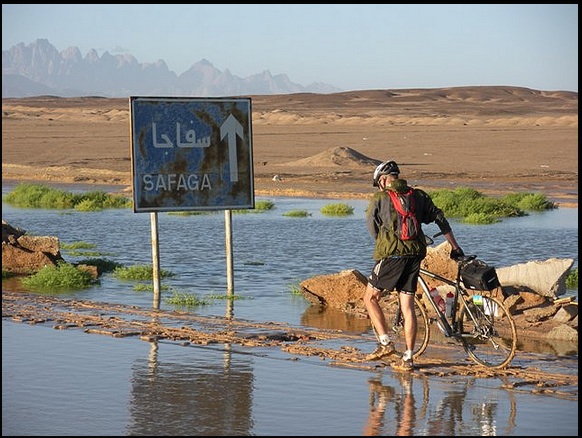
New scientific reports suggests that coastal flooding for Middle East and North African countries will be much worse than estimated six years ago. What countries are bracing for the severe effects of climate change? Egypt sets the stage.
New scientific reports suggests that coastal flooding for Middle East and North African countries will be much worse than estimated six years ago. What countries are bracing for the severe effects of climate change? Egypt sets the stage.
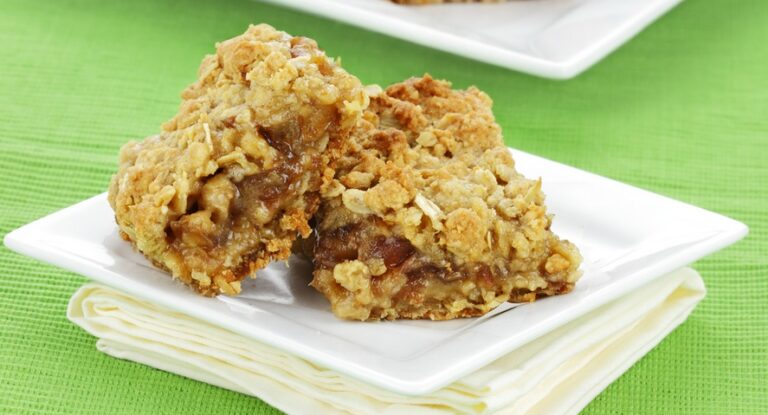
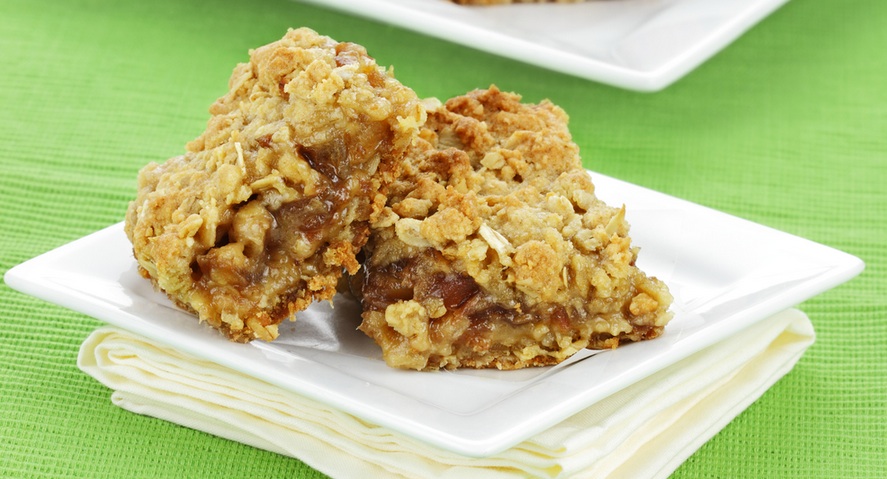
Wouldn’t it be great if recipes for high-energy, healthy snacks required no cooking or baking? Well, I’ll let you in on a little secret: date squares are made with neither a stove nor an oven. The lesson I’ve learned after watching the video demo: Never underestimate the power of a food processor.
And what’s more, these squares (triangles or stars…really, whatever your cutting preference) are the product of just two ingredients: dates and oats, both of which can readily be found in organic form.
Dates are probably the sweetest staple food of the Middle East, but that doesn’t mean they’re not healthy. Dates are rich in such minerals as iron, potassium, calcium, and manganese. They’re also an excellent source of dietary fiber and antioxidants. Suffice it to say that, combined with oats, they’re a great choice for breakfast, snack time, or pre-exercise routines, especially for endurance sports like running and biking.
Date trees are also under threat, as a newly introduced beetle from Far East Asia, the red palm weevil is decimating date trees around the Middle East.
So eating dates may be able to support the industry which may need to fight to survive.Making these date squares is a no-fuss ordeal.
Here’s how to to make no bake date squares:
No offense to Chewy bars, but these date-oat bars are hard to beat for the health factor, convenience, and “homemade” label. The pseudo-cooking or -baking process is short, and so sweet.

The Middle East and North Africa region is going to need 120 gigawatts of energy by 2017, according to a leading figure at the Masdar Institute of Science and Technology (MIST) and board member of the Emirates Solar Industry Association (ESIA).

 Earlier this year I got up before dawn one morning to photograph the Dubai marathon and 10k race. It was a foggy morning which added to the surreal spectacle of thousands of people putting themselves, voluntarily, through the trials of the long distance run.
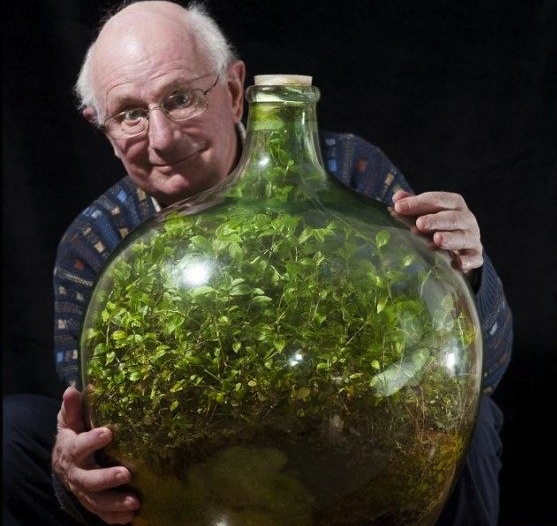
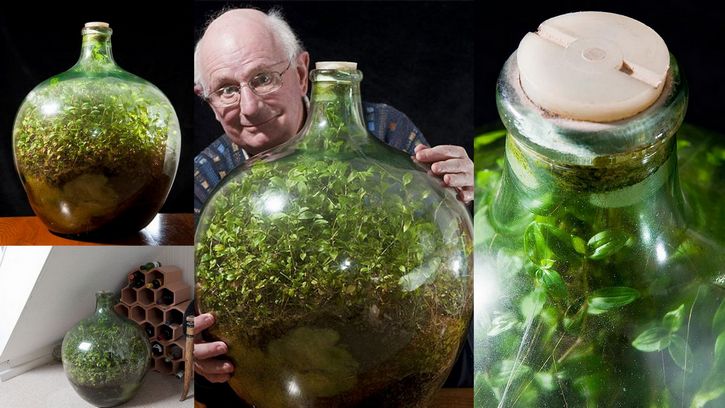
Plants sealed inside a large glass jug a half century ago are self-sustained inside a perfect ecosystem. Is there a message in this bottle for the parched Middle East?
In 1960, a heyday for macramé, bell bottoms and terrariums, amateur gardener David Latimer planted four seedlings in a 10 gallon carboy – an enormous glass jug from the pre-plastics era used in chemical manufacturing. He couldn’t imagine that 50 years later the plants would still be growing, with zero input from the outside world except sun and a small water in 1972.
“Bottle gardens were a bit of a craze and I wanted to see what happened if you bunged (corked) the thing up,” he told The Daily Mail.
He popped plants into a soil base, added a splash of water, and tightly closed the top with a greased stopper. Then he waited a dozen years before giving it another drink. The last time Latimer watered the garden was in 1972: Nixon was in the White House and Elvis was still recording.
His garden created its own miniature ecosystem, but only one of the original four species survived.
The spiderworts seedling, or tradescantia, filled the jar with foliage despite being cut off from fresh air and added moisture. Because the plant absorbs light, it can photosynthesize, recycling nutrients and converting sunlight into all the energy needed for growth.
Photosynthesis creates oxygen and water. It’s the opposite of cellular respiration that occurs in other organisms, including humans, where energy-containing carbohydrates react with oxygen to produce carbon dioxide and water and release chemical energy.
This ecosystem uses cellular respiration too. Bacteria in the soil breaks down dead leaves and absorbs the plant’s waste oxygen, releasing carbon dioxide which the growing plant can reuse. Water absorbed by roots is released into the air during transpiration. It condenses – effectively “raining” down into the potting mixture, and the cycle begins again.
The bottle stands beneath the stairs in his front hallway.
“It’s 6 feet from a window so gets a bit of sunlight. It grows towards the light and gets turned round every so often so it grows evenly,” the 80-year old Englishman said, “It’s the definition of low-maintenance. I’ve never pruned it; it just seems to have grown to the limits of the bottle.”
Latimer sent a photo in to a gardening program inquiring if his special garden held “scientific or horticultural interest”. Are there lessons to learn, specific to growing in water-starved regions? Perhaps some insight to advance xeriscaping for decorative planting or crops?
You can’t smell, touch or eat this garden, but it fascinates.
The New York Botanical Garden blogged a bit of history behind this story:

“Latimer’s amazing bottle garden is phenomenal, and it has a rich heritage. The Wardian case, precursor to today’s terrarium, was invented in 1829 by Dr. Nathaniel Ward. Originally created to provide a habitat for moths, the Wardian case became a worldwide phenomenon and one of the keys to bringing new plant species home from explorations in far off lands.

Wardian cases, bottle gardens, and terrariums are very easy to create, and even easier to care for. Need some tips? We have those. They make a lovely alternative to flower bouquets for your plant-loving sweetie.”
Doubt I could score a carboy here in Jaffa, where I live today but there are plastic bottles everywhere I turn. I’m tempted to try growing one in an old juice bottle. But because I was in love with the idea of a vivarium, I created one on my rooftop, then my backyard on a bigger scale, using hydroponic tools. I desired to live inside my own terrarium, to be the life inside my terrarium, and then I had to find out I was working inside a vivarium. See the pictures below. But I guess you could also call it a greenhouse.
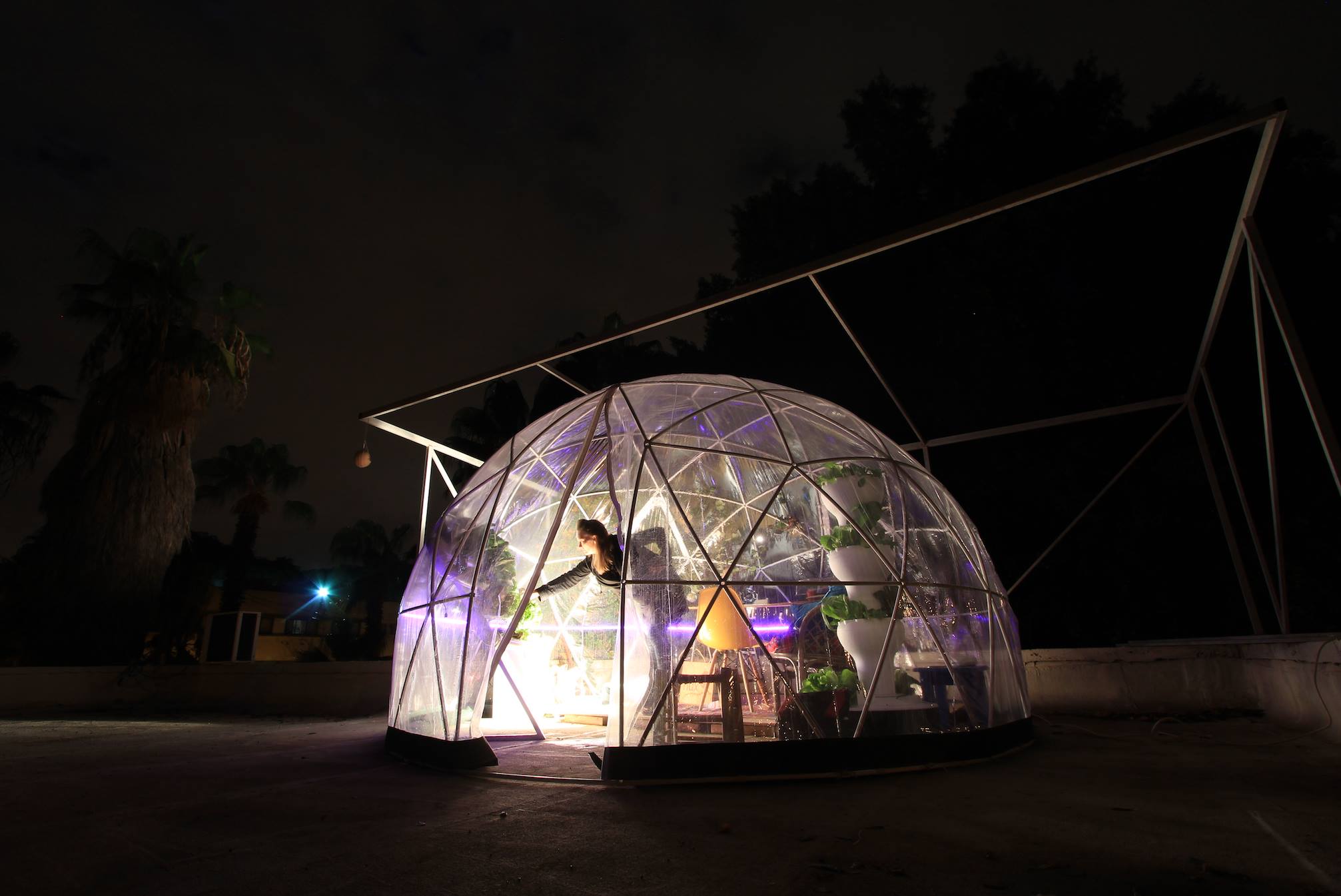
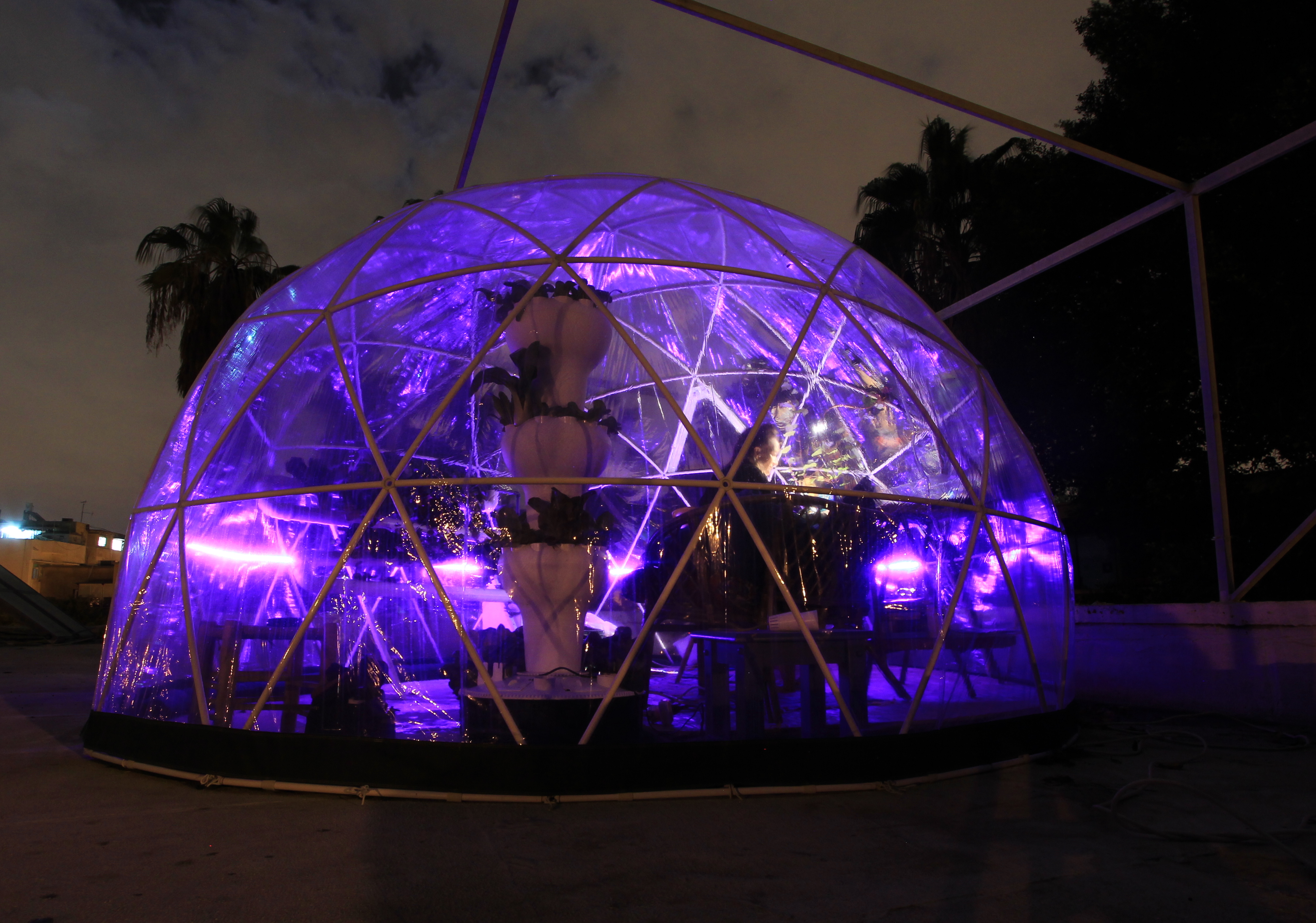
Both words use the Latin arium meaning “container”, but the different prefixes tell us what they’re designed to contain; terra contains “earth” and vivere means “life”.
In my vivarium I was the life that my biodome contained, along with my hydroponically grown plants. Normal people make mini-tropical rainforests in their vivariums and add spiders and lizards. I had spiders in mine, along with me.
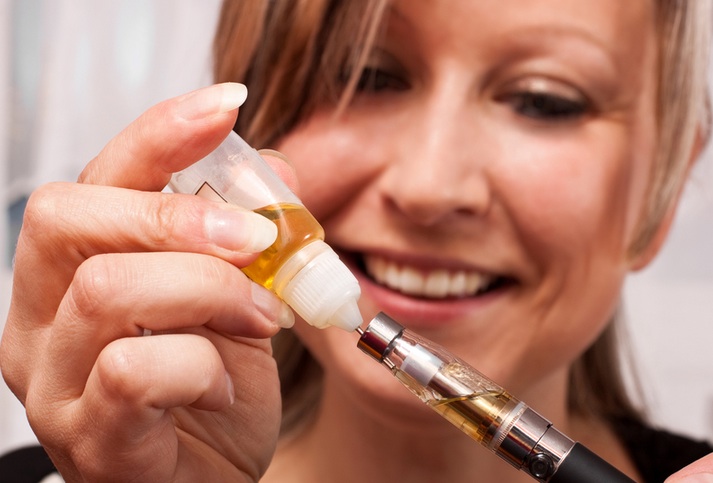
The Israeli ministries are urging people to give up smoking and a recent government report has found that both the heavy smokers in the Jewish and Muslim populations in Israel are cutting down, if only by a few percentages. But methods for quitting can be fatal for some.
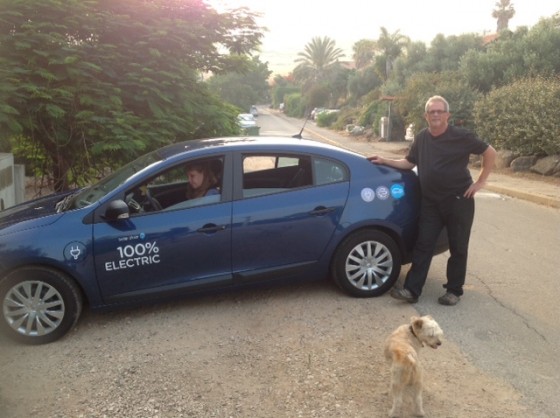

Following Sunday’s news that Israel’s Better Place has declared bankruptcy we have to ask: what is going to happen to the 900+ car owners who signed on for the electric deal, one that promised switchable batteries at 37 stations throughout Israel? We speak to one car owner to find out.
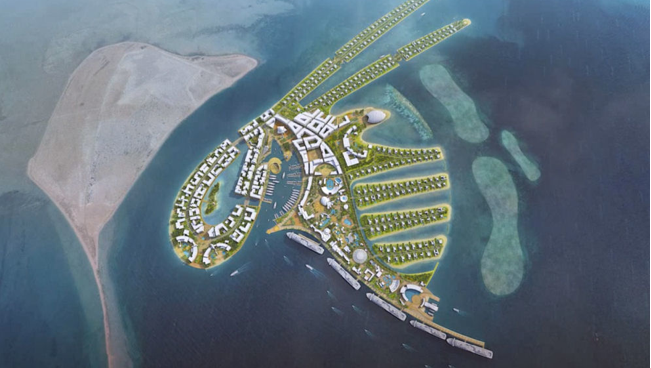
When football enthusiasts flock to a World Cup venue, they expect more than a tent out in the desert to rest their weary heads, but that’s about all Qatar has to offer right now. In preparation for 2022, Barwa Real Estate plans to scrape together a massive artificial island to offer a luxurious temporary solution for up to 25,000 visitors.
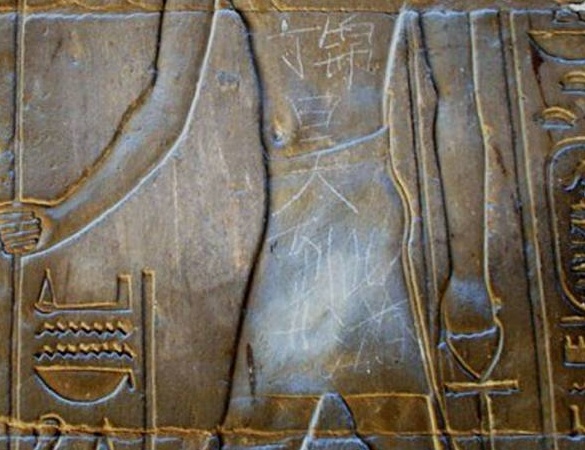
A young tourist from Nanjing, China scrawled his name Ding Jinhao onto a 3500 year-old relief in a Luxor, Egypt temple. Big mistake.

The round Freedom Farm house in Egypt reminds us why a world without AirBnB’s (mostly) affordable nightly rentals around the globe would be so much less wonderful. And who will be the next administrative target? Couchsurfing? Will it be illegal to let a gal crash in your cave for less than 29 days?


Hail hail to the genius who decided it was time to cut the greenwash from the eco marketplace in Israel. Every product and its neighbor on the supermarket shelf is calling itself green. A new Israeli-made guide is calling out cheats.
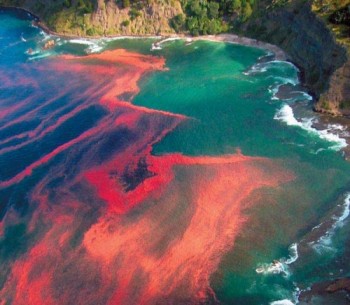
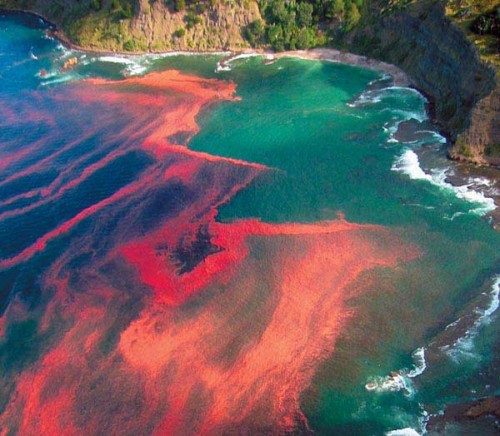
A condition of child blindness called retinitis pigmentosis afflicts about one in every 3000 births. A new treatment pulled out of a Sinai lake is now an orange algae powder pill: it can quadruple the vision improvement in some people, finds new research from Israel.
Algae in its various forms and colors is not only a superfood (read here about a DIY kit for spirulina), it is also lauded as a great potential for algae-based biofuel.
Now researchers at the Sheba Medical Center in Tel Hashomer Hospital in Israel have found that orange algae, fed to people with retinitis pigmentosis, can improve vision loss, according to Haaretz.
Retinitis pigmentosa is a hereditary disease which leads to a breakdown of photoreceptor cells in the eye’s retina. Over time the sufferer faces a narrowing field of vision, then eventual loss of night vision and colors. Sight may be totally lost. It is considered incurable but treated with vitamins.
Prof. Ami Ben Amotz from Sheba discovered the orange algae dunaliella bardawil when he was on reserve military duty on Lake Bardawil on the northern coast of the Sinai Peninsula at about 50 Km, near El-Arish City, when it was under Israel control. The lake is actually a shallow lagoon. He noticed a strange orange hue covering the lake, and brought some samples back to the lab. The single-celled plants he found were very rich in the anti-oxidant 9-cis beta-carotene. Over the years it has been studied for its high lipid content.
Eventually the idea was raised to use it to treat the eye disorder.
Sheba’s Dr. Yigal Rotenstreich turned the slimy orange algae into a powdered-based pill and gave it to seven people suffering from night blindness. Their vision improved.
“A test known as ERG checks the electrical function of retinal cells that are stimulated by light, and serve as an objective measure of improvement,” Rotenstreich said to Haaretz.
Recently the study was expanded to 30 people who took the pills over 90 days using the algae pill and a placebo. Thirty-four percent of the patients significantly improved their vision with the pill, and in some there was as much as a quadrupling effect in their field of vision.
No effects were found in the placebo group. A placebo looks like the drug but in fact contains no active ingredient.
Algae is full of fats, so intake of the pills may cause loose stools. There are no other side-effects, and it is likely that no big drug company can seize this research for its own, since it is based on something that can be grown in algae ponds. Companies could invest money in refining the algae and improving its lipid content.
For those interested to replicate the research, the results were published in the May issue of JAMA Ophthalmology, by the American Medical Association.
“The results of the study are encouraging, because until now there was no known treatment that improved the vision of those suffering from retinitis pigmentosa,” said Rotenstreich.
Dunaliella bardawil is applied in other directions at Sheba: for psoriasis, diabetes, and in helping to raise the HDL (good) cholesterol in the blood.
A Japanese firm is growing the specific strain of algae in Eilat, Israel to increase fat content, but perhaps a trip to Sinai is in order for scientists around the world to collect orange algae samples to start their own grow ponds.
How to get there? Lake Bardawil (Arabic: بحيرة البردويل Buhayrat al Bardawil or سبخة البردويل Sabkhat al Bardawil) is a large, very saline lake in Egypt on the north coast of the Sinai Peninsula. The lagoon is shallow (reaching a depth of about 3 metres) and is separated from the Mediterranean Sea by a narrow sandbar.
There have been other papers published on the fatty content of this algae, as well of reports on the diversity of species including algae in this highly-saline lagoon.
No one company can own the rights to develop this algae into a neutraceutical, so come on Egyptians – now is the right time to get your acts together and start cultivating a home grown algae-based product! If you look to your neighbours in the north, this can easily be done in otherwise “useless” desert land.
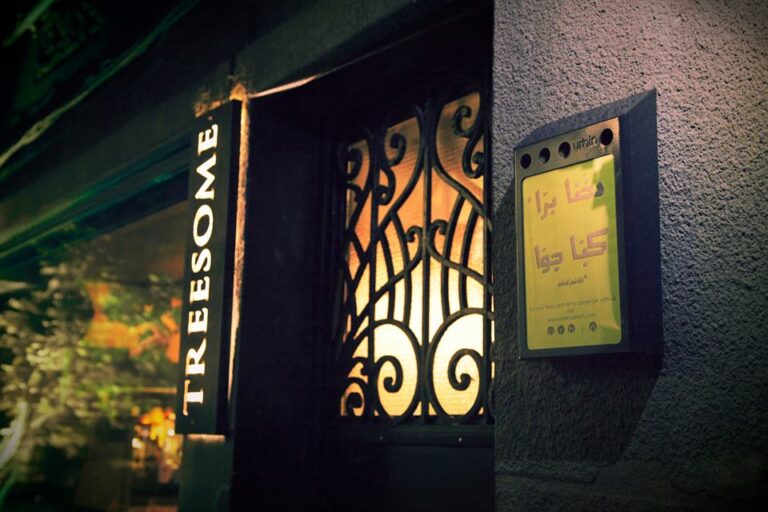
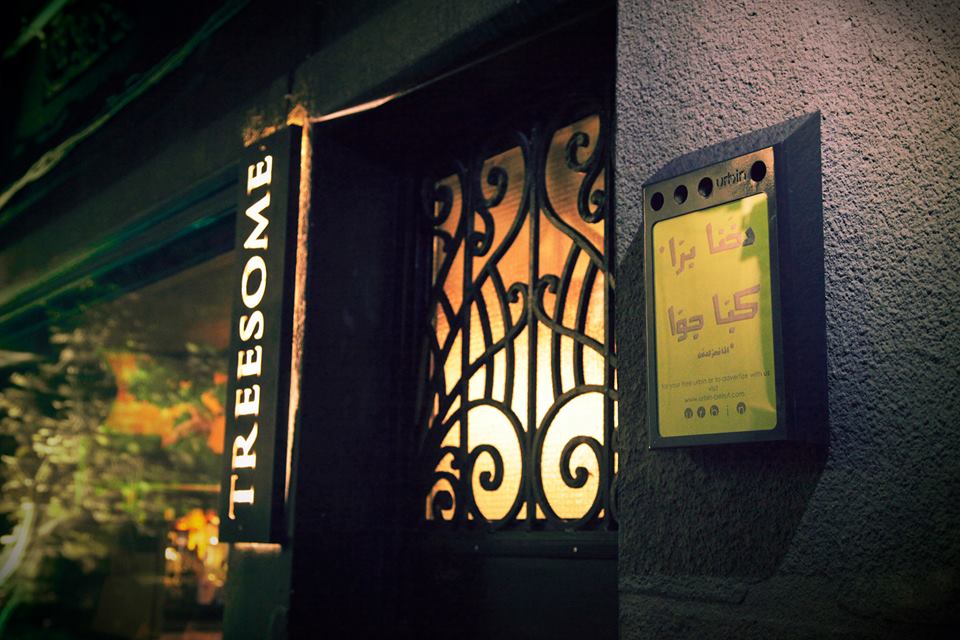 Cigarette butts are gross – whether they drift onto beaches, pollute our waterways, or endanger wildlife. But many cities in the Middle East, where smoking remains common, neglect to provide outlets for residents to discard their stinky stubs. That’s why three Lebanese electrical engineering students designed Urbin – a sleek disposal unit.

 We have often lamented that people from Dubai and other Arabian Gulf countries walk around with wild cats the way Hollywood stars carry Chihuahuas. But now one of the world’s leading Cheetah experts says these people can actually help to save the species from extinction.

Have news to share? Renewable energy news, architectural, artificial intelligence, biotech, sustainable design ideas, eco-architecture, green travel?
Email us: [email protected]
Get important news delivered directly to your inbox and stay connected!
© 2007 to 2026 Green Prophet, All Rights Reserved