
 Salima Naji has been recognized by the Aga Khan Development Network for her efforts to revive a series of earth buildings in the lesser Atlas Mountains, Morocco.
Ancient Moroccan Granaries Revived as Thriving Civic Centers
Oman’s Sustainable GU Tech Campus Scoops Coveted Construction Prize
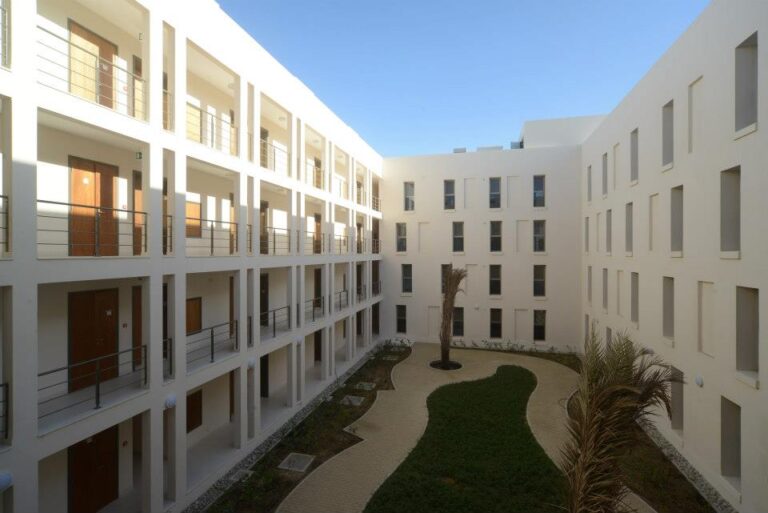
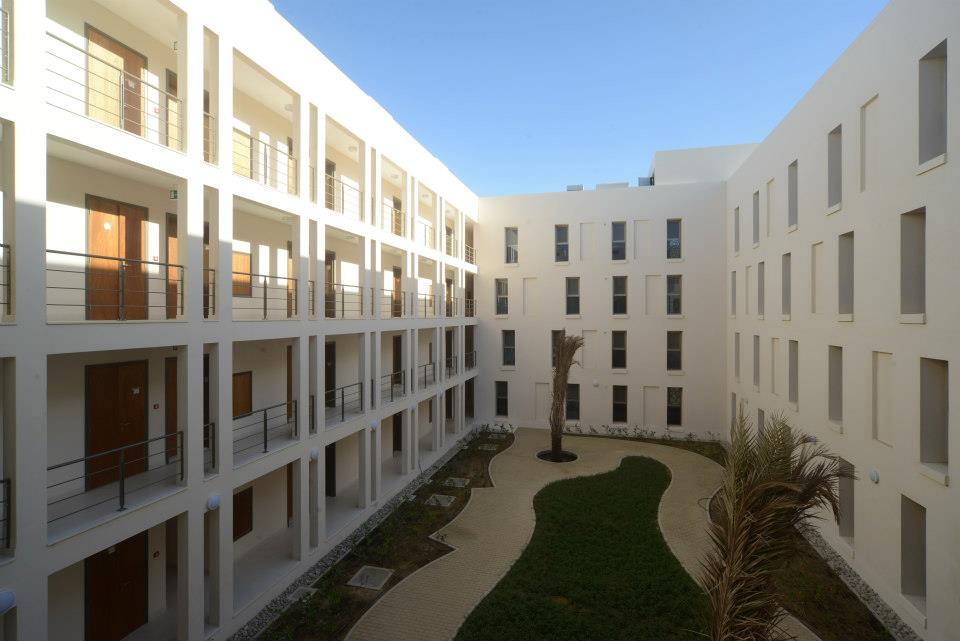 Oman is a small nation bordering Abu Dhabi on the Arabian peninsula; it has a long coastline and one of the largest populations of endangered Loggerhead turtles on earth. It also subsidizes energy and water, essentially arresting any kind of sustainable development. There’s no incentive to conserve something that comes for free – until now.
There’s a new architectural firm in town and they are laying the groundwork for a more responsible future and it starts now with the new GU Tech in Halban. The first German university on the peninsula, the new campus recently scooped Commercial Construction Project of the Year at Oman’s 2013 Construction Week Awards.
Ernst Hoehler and Muhammad Al Salmy are the progressive brains behind Hoehler & Partner LLC in Oman’s capital Muscat. A team of committed architects, planners and engineers, the firm came to being in 2008 largely as a result of winning the award to design the GU Tech Campus.
Although Oman is not really equipped to incorporate renewable energy into the national grid and has focused very little attention on ecological urban planning, the US and German-educated team are deeply concerned about the nation’s future. After all, one day fossil fuel resources will run out, and future generations will be left to deal with it.
It hasn’t always been this way. As Al Salmy explains to The Times of Oman, Omanis were well versed in sustainable design about 600-700 years ago – as evidenced in various villages carefully constructed to make optimum use of prevailing winds and water resources.

GU Tech comprises the best of ancient Islamic design and contemporary materials to deliver an attractive, energy-efficient space with a decent amount of green space.
A state of the art air-conditioning system redirects cool air to an inner courtyard area, which is chilled a further five degrees by a curious system of sails – perhaps inspired by dhows, and grey water is purified and then used to irrigate the vegetation.
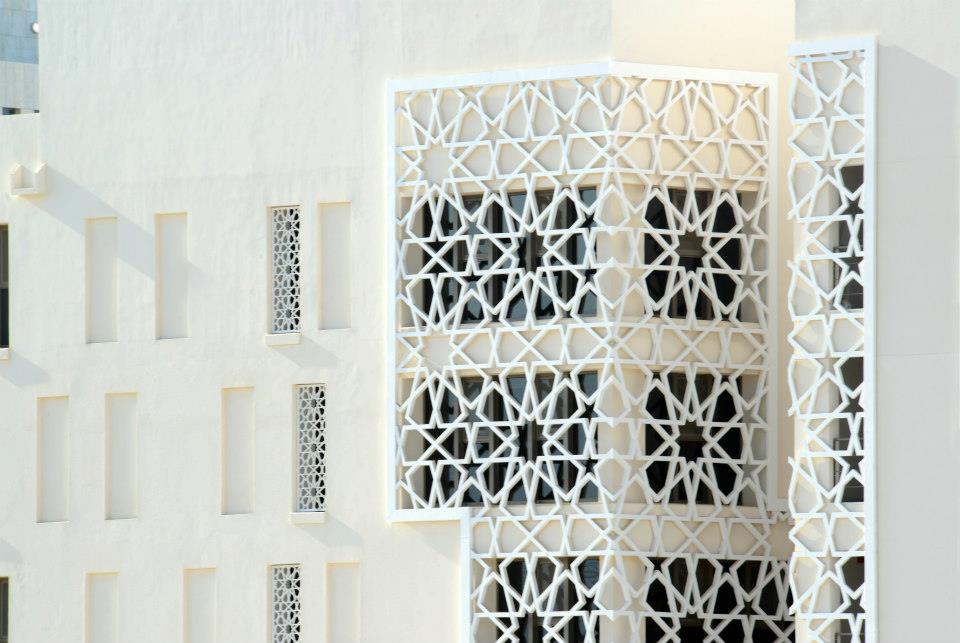
The facade resembles a mashrabiya screen which further mitigates solar gain, and energy efficient lighting conserves energy as well.

In all of their projects Al Salmy Hoehler & Partner LLC strives to make buildings “solar-ready” so that when Oman does implement a national grid that can handle renewable energy generation, these projects can simply plug and go without requiring a major retrofit.
“The nine jurors emphasized in particular the pioneering role of the project in the Sultanate in terms of overtopping the usual local standards with a modern, sustainable and state-of-the-art equipment and design,” according to the German Emirati Joint Council for Industry & Commerce (AHK).
“They highlighted as well the exemplary implementation of a modern architecture in a design which conveys successfully between traditional Omani architecture and a modern, clear and functional architecture.”
A fine design indeed. More please.
Images via Hoehler & Partner Facebook Page
Danielle Trofe’s Shifting Sands Use Kinetic Power for LED Lights

The only thing more abundant than sun in the Middle East and North Africa is sand. Used in the production of Markus Kayser’s 3D printer and to make Algerian building bricks, sand is useful for a host of applications – including lighting.
Climate Investment Funds for Super Solar North Africa
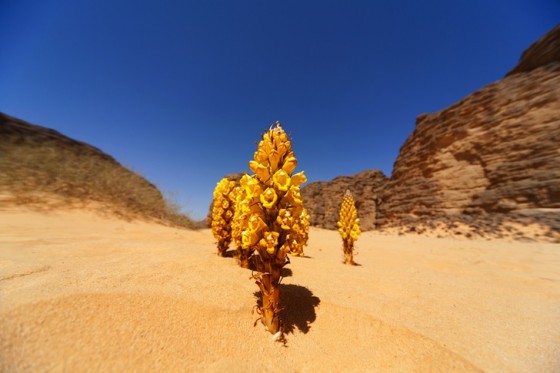
Hotter than heck and bone dry, the Middle East and North Africa have an abundance of sun, and leaders across the region are striving to make the most of it.
Five North African countries and the Hashemite Kingdom of Jordan will receive a total of $660 million from the $7.6 billion Climate Investment Fund (CIF) under a newly revised plan to construct solar plants and provide assistance that will facilitate easier uptake of further renewable generation in the future.
How ertex Integrates Solar cells into Middle East Buildings

 Green Prophet interviews Dieter Moor, the CEO of ertex – a building integrated photovoltaic company which recently completed a roof-based system for the the Sheik Zayad Learning Center at the Al Ain Zoo.
Stuffed Mulberry Leaves With Chicken Recipe
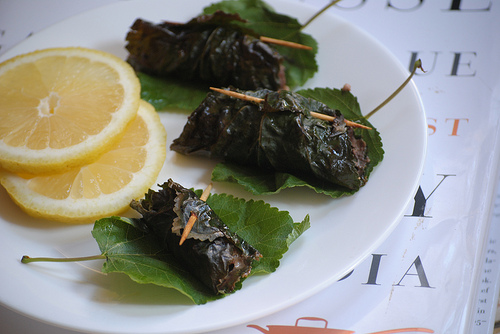
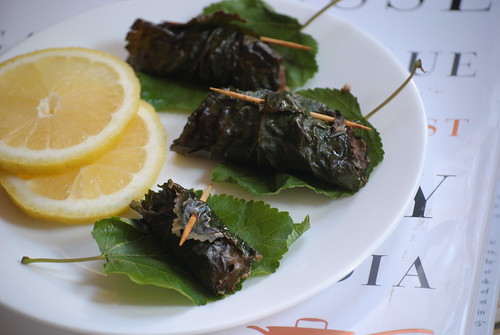
Green Prophet’s editor Karin plucks mulberry leaves from her backyard and serves them to her family.
Long ago, mulberry trees were planted all over the Middle East to feed silkworms. The cottage silk industries have died out, but many ancient mulberry trees remain. Strolling with Karin in her garden recently in Jaffa, I remarked that the big mulberry tree there was so loaded with leaves, it was a pity not to eat them.
Karin asked for the recipe, and made stuffed mulberry leaves the same night. She reports that the dish was a hit with her family.
Old people, those who keep the tradition alive, may be seen picking the new leaves early in the morning. Dried, the leaves make a pleasant-tasting medicinal tea. Another way is to stuff them with ground meat while they’re still young and tender.
In Israel, the it’s the Iraqi community that still knows to eat mulberry leaves. As they know to eat sour green plums.
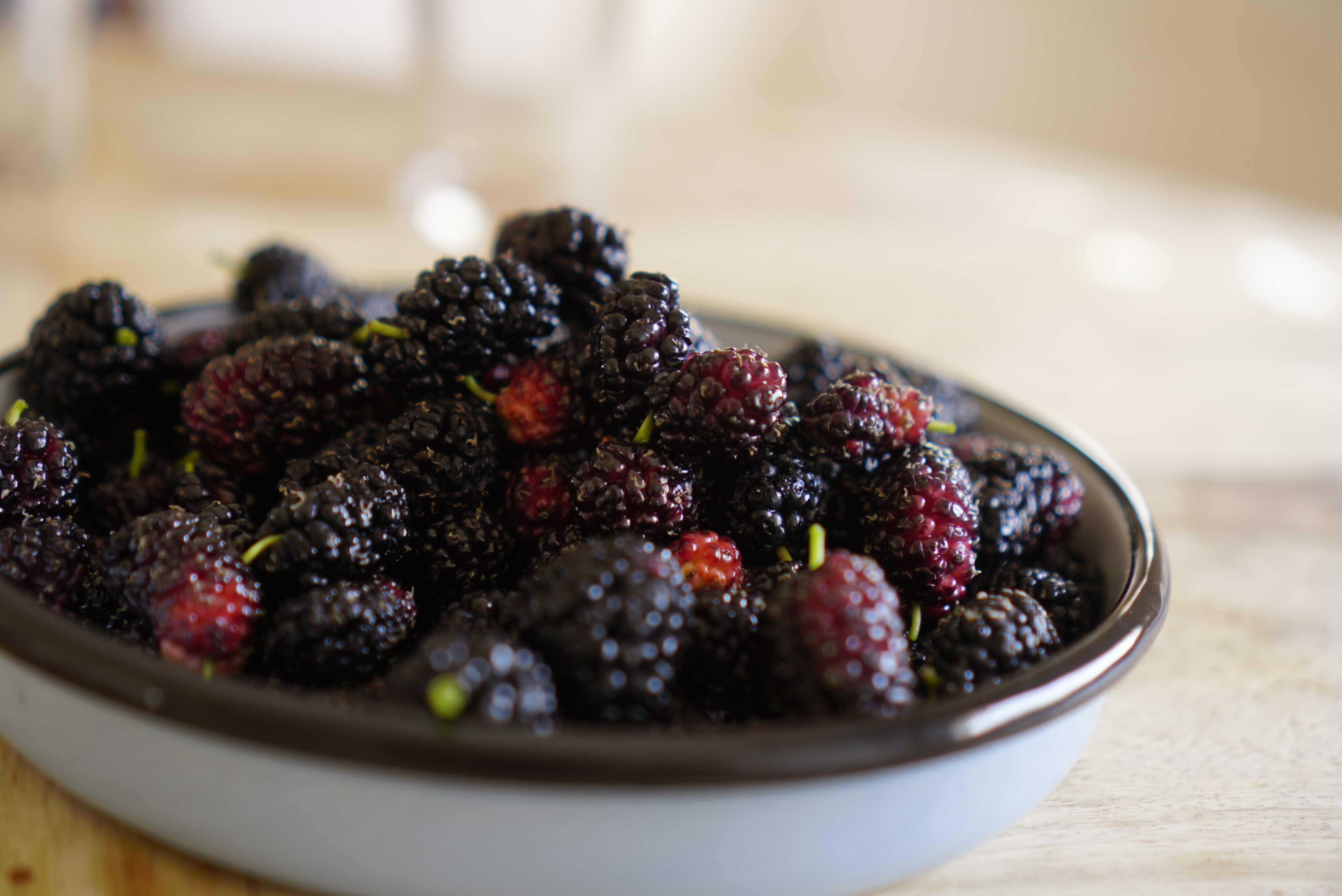
At this time of year, the mulberry’s fuzzy, light-green berries are just turning rosy red. Wait a few weeks for them to ripen and you’ll be able to eat them right off the tree, or cook them down into jam or chutney.
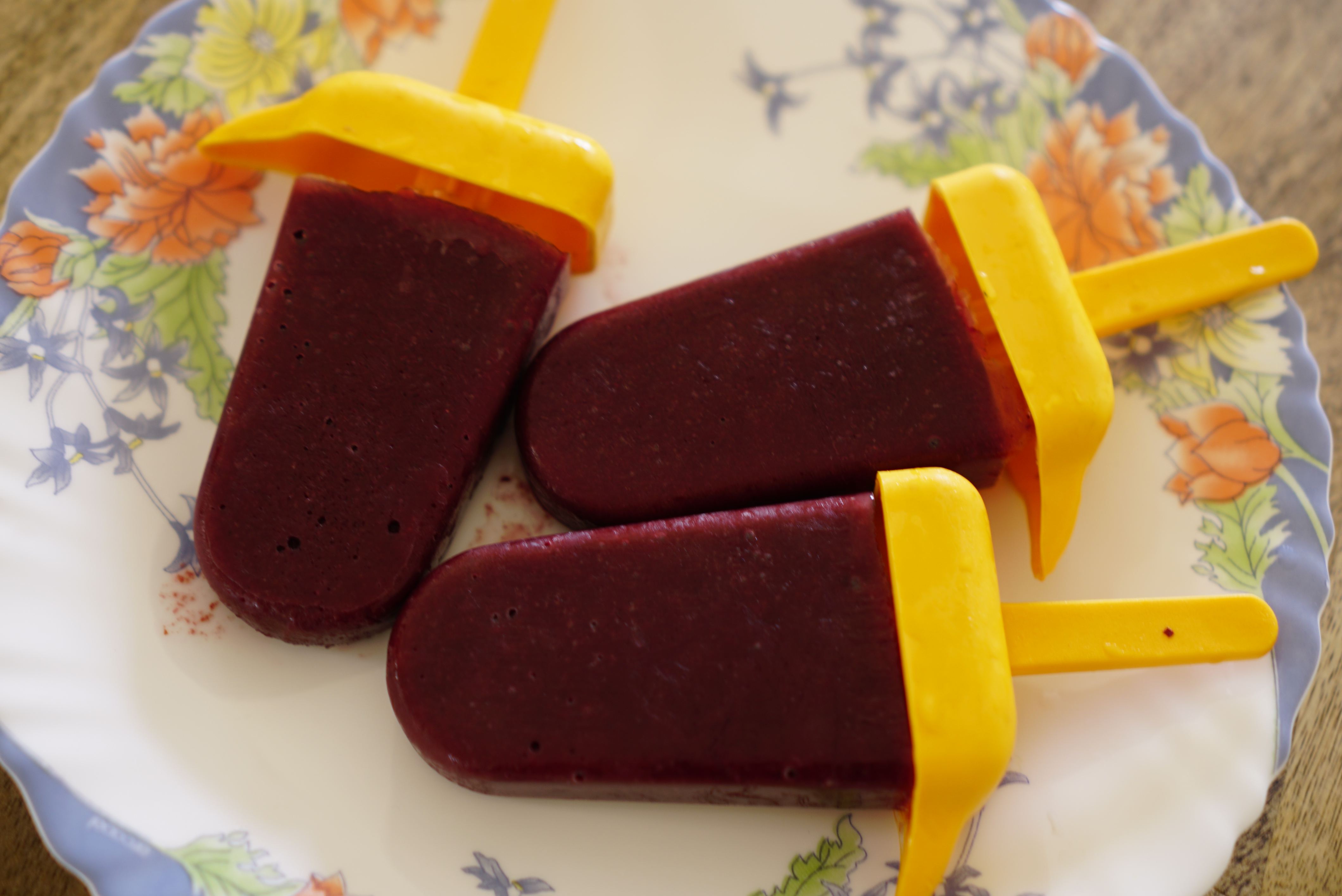
In traditional Chinese medicine, leaves from the white mulberry are regarded with respect as a medicine. It’s said that the dried, powdered leaves, infused as tea or taken in capsules, lower high blood sugar and high blood pressure.
Being full of antioxidants, they also decrease irritation at the cellular level, thus lowering cancer risk. If a mulberry tree lives near you, it might be a wise thing to pick several handfuls of the young leaves and dry them for tea.
Or, as Karin did, stuff them with ground chicken and roll them up like grape leaves. Traditionally, the leaves are stuffed with ground lamb, but any firm meat will do. Yum.
Stuffed Mulberry Leaves
Serves 4 for dinner, or makes 35 appetizers
Pick 40 tender, medium-sized leaves. Rinse the dust off them and check for insects. Dry gently.
Ingredients:
1 kg. ground chicken, lamb or other firm meat
1 egg, beaten
1 medium onion, chopped fine
2 cloves garlic, smashed and minced
1 tablespoon fresh basil, chopped fine
1 teaspoon fresh oregano or za’atar, chopped fine
1 teaspoon fresh thyme leaves
1- 1/2 teaspoon salt
1/2 teaspoon ground black pepper
juice of 1 large lemon
2 tablespoons olive oil
More sliced lemon for serving
Method:
Preheat the oven to 350° F, 190° C.
Mix all ingredients except lemon juice and olive oil. Knead the seasoned meat with your hands to mix everything very well.
Line a baking tray with parchment. Place a leaf shiny side down. Take a tablespoon of meat and roll it into a patty in your palms. Place it on the wide end of the leaf. Add a little more meat if it looks skimpy; pull some out if it looks like too much for the leaf to cover.
Roll it up.The patty will become slightly elongated in rolling. Secure the pointed top with a toothpick if needed.
Mix the lemon juice and olive oil in a little bowl. Drizzle it generously all over the tops of the stuffed leaves.
Bake for 15 minutes if you want them juicy. There will be a certain amount of natural drippings in the pan – pour it into a bowl when you’ve removed the stuffed leaves, and pour it over them.
If you want a crisp wrapping and somewhat drier filling (good for handing around at a party or for a snack), bake 20 minutes.
Serve with sliced lemon for squeezing over the hot or cold leaves.Couscous is nice with these savory little packages. Beer or a chilled white wine are too.
More seasonal food recipes:
World Nomads Festival: Tunisian Crafts Make Big City Debut in NYC
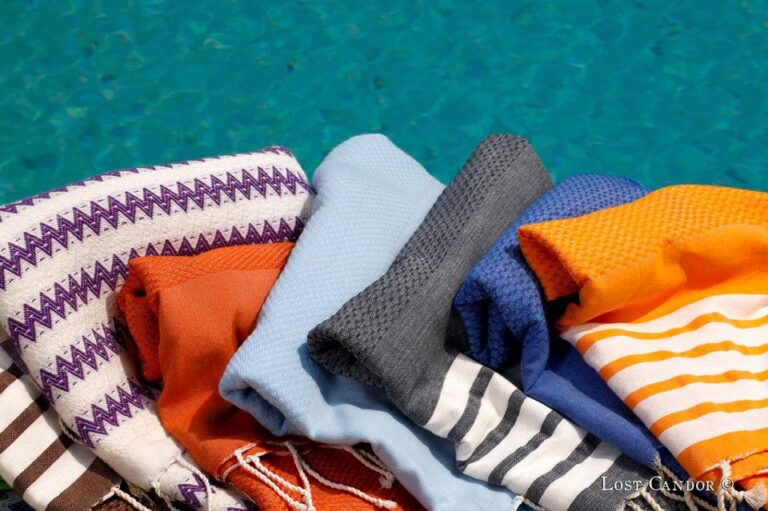

For the entire month of May, the French Institute Alliance Francaise (FIAF) is celebrating Tunisia in the aftermath of the Arab Spring and this weekend it’s souk time – in NYC’s upper east side. From May 8-10, a host of Tunisian crafts and food items will make their big city debut at the Tinker auditorium on E 59th street.
Part of the month-long biennial World Nomads Festival, the event is designed to promote awareness of 21st century transculturalism in the Francophone world.
Spring Festival is in Egyptian Air Marked by Petrified, Stinky, Toxic Fish
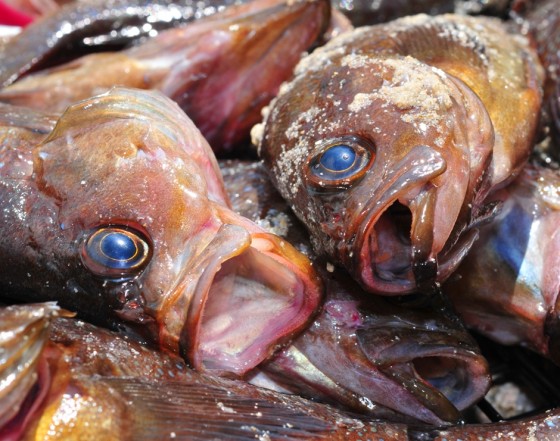
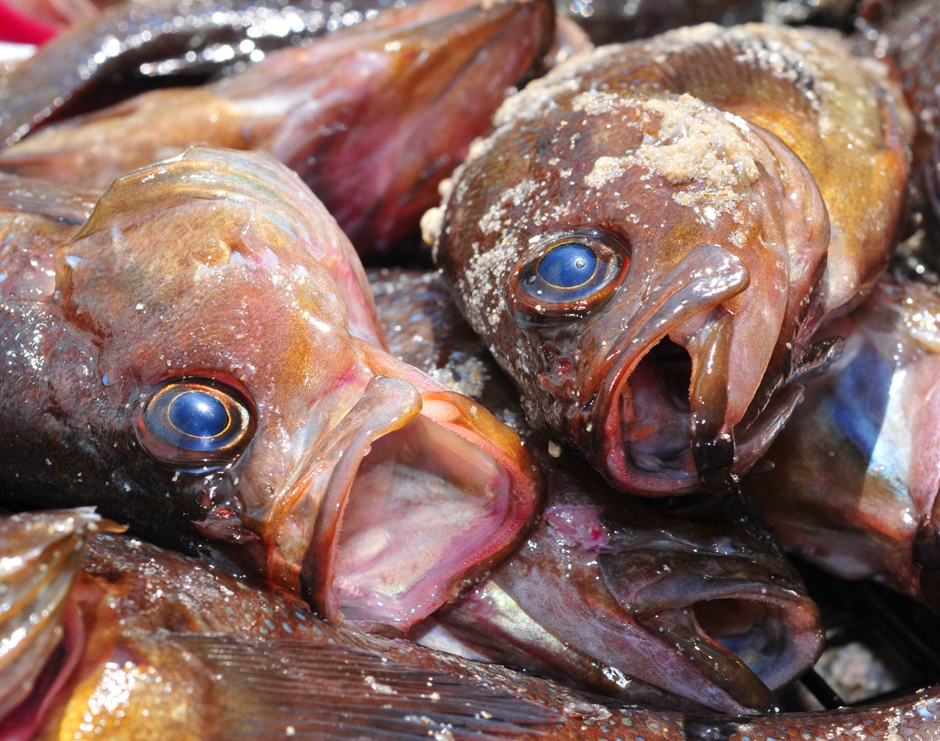 Sporadic street violence, economic distress and political polarization were mostly put on ice this past Sunday as Egyptians of all classes and religions held picnics, took boat rides on the Nile and celebrated Sham el-Nessim, a holiday whose roots most believe date back to this land’s ancient inhabitants. The event features a stinky fish.
Dubai Set to Grow World’s Largest Vertical Garden
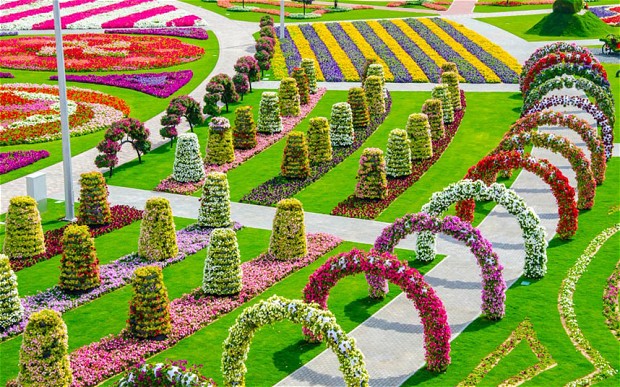
Dubai may not seem like the most likely place for a “miracle garden” but the first phase of the 721,000 square foot flowerfest was unveiled at Dubailand earlier this year.
Green Investment Bank and Masdar Ink Agreement to Link Mideast to Britain

The UK Green Investment Bank and the United Arab Emirates Masdar have inked a new agreement that will see the UAE-based company work toward new investment opportunities in the United Kingdom, taking their expertise in renewable energy to Britain.
Jordan Women’s Guild in Safi has Sustainable Art in the Bag
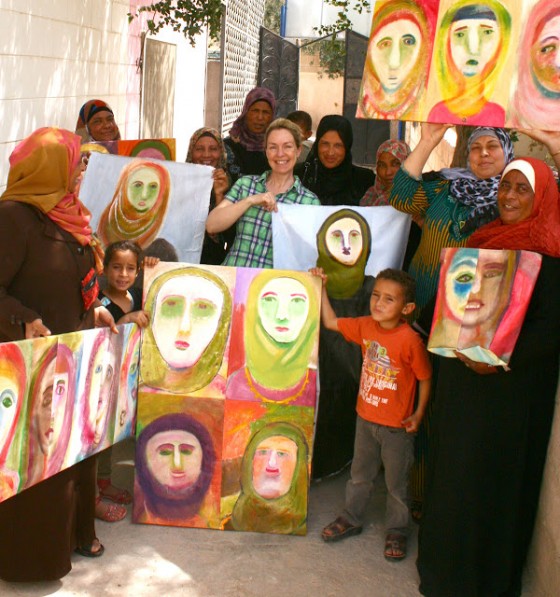
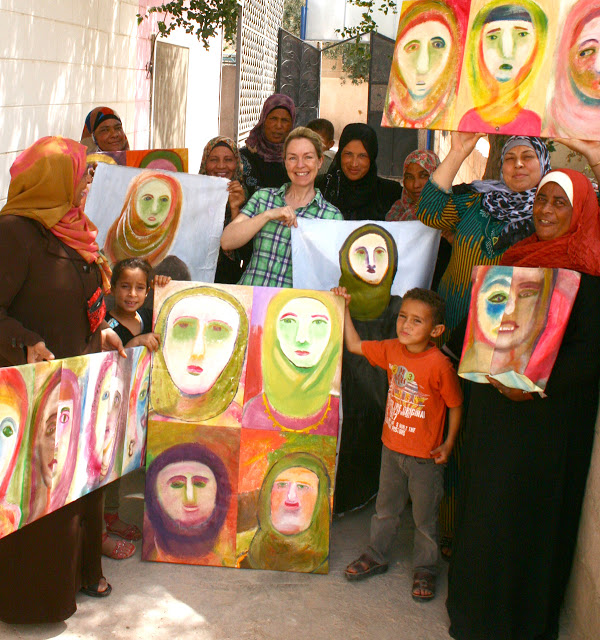 A tiny collective of rural women at the southern tip of the Dead Sea in Safi is creating art that’s omni-sustainable. Since 1999, with catalytic infusions from a remarkable Canadian painter, this Jordanian sisterhood has been crafting unusual “eco” fabric items bespoke to their salty seaside village.
Fake Organic Olive Oil is Latest Food Scam in Israel


The food industry is anything but shaky around the world these days, from meat glue to horse meat in “beef” burgers. Who are we to trust? The latest scandal is fake olive found in Israel, including organic varieties. Watch out for it anywhere. We sum up where to buy, and what to avoid. Some are not safe for your consumption.
An Israeli watchdog TV show is good at uncovering scandals. They’ve found toxins in ceramic coated cookware, and slaughterhouse cruelty. Now, Kolbotek a consumer watchdog TV show found on Channel 10 began its 2013 season with a bang by revealing some unpleasant findings about olive oil being manufactured in Israel. Some of the olive oil being sold on the Israeli market is unfit for human consumption. We can assume the issue is more or less the same in other Middle East countries where testing standards are less developed. American sources have suggested that about 70 percent of virgin olive oil is a fake.
The program covered various types and grades of olive oil including that being marketed by companies that virgin and extra virgin olive oil, including organic varieties.
Kolbotek sent 15 olive oil samples for testing at a special laboratory, Kemi Service, that included 9 bottles of oil from one company EVO Israel Ltd.
EVO distributes its products to well known natural and whole foods stores in Israel. The company was reported to have imported more than 44 tons of olive oil from Spain, which is one of the world’s largest olive oil exporters.
September 2012, a company working with EVO and located in the northern Galilee town of Rosh Pina, Chosen Galil Industries, was found to have larges amounts of this oil that was not for human consumption after lab reports came in.
By this time, more than 20 tons of this oil had already been sold, according to Kolbotek.
 Kolbotek’s Rafi Ginat tells it like it is
Although in Hebrew, this link of the Kolbotek program is none-the-less revealing enough:
When asked what they thought about these events, Yigal Friedman, a food quality engineer for the Ministry of Defense said “I don’t have an answer to these allegations.”
Another official, Shai Chen Institute manager for the Health Ministry, replied: “I don’t know what to say.”
When Green Prophet tried to contact EVO’s offices in Tiberius, a recorded message from the Bezeq telephone company said that the number is no longer in service.
To indicate the scope of the laboratory findings, of 15 samples tested, 13 were found to have much higher levels of mono saturated fats and stearic acids than is acceptable, with an average level of 8 times the acceptable amount of mono saturated fats and 6 times the accepted level of stearic acid.
Print this sheet and take it with you to the supermarket:
[box style=”0″]
Some of Israel’s most well known stores including the Eden Teva Market whole foods chain, and the Rami Levi discount supermarket chain. Both were found to be selling EVO’s lab failed olive oil, under such brands as Gaya, Gaya Organic, Adama and Kedmah Hagalil.
Brands of olive oil that did pass laboratory inspection include “Zita” olive oil, distributed by the Wissotzky Tea Company, Etz HaZait (Shemen Industries Ltd), Sh Sol (a “house brand” from the Shufer Sol supermarket chain), Meshek Ahiya (in the West Bank); and Yad Mordechai, distributed by the Strauss Group.
What was perhaps the most disturbing findings were of “gephet” olive oil, made from olive residues and supposedly designated for use only for soap or cosmetics. In September, 2012, a large quantity of this oil, not suitable for human consumption, was found in EVO’s Chosen production company.
So much for ‘store bought’ olive oil. What was found to be offered by various local restaurants and coffee shops is no less disturbing.
Kolbotek’s investigators checked selected branches of chains such as Cafe Cafe, Cafe Greg and Aroma Cafe and Expresso Bar and found the following:
Cafe Cafe’s Beach branch in Herzlia Petuach served a mixture of what appeared to be canola and soya oil as olive oil.
Cafe Greg at the Tel Aviv Port , also what appeared to be a mixture of canola and soya oil. Their branch at the Rehovot Mall, however, serves real olive oil.
Aroma’s branch at the Hadera Gate Mall has what appears to be an inferior grade of non-virgin olive oil.
Another Aroma branch, in Netanya, also serves a lesser non-virgin type of olive oil.
[/box]
As a result of Kolbotek’s investigations, some changes have occurred. The Rami Levi chain discontinued to stock the Gaya olive oil brands distributed by EVO. The chain’s branches were given orders to remove these brands from their shelves.
This goes for the Adamah brand of oil as well. As for EVO, they have rejected Kolbotek’s findings and their lawyer rejected all accusations against them. The Israeli Health Ministry notes that although EVO oils failed lab tests, the ministry insists that not all findings are forbidden for health reasons.
A total recall request was not made by the ministry; but it did note that new testing would be required. A court case instigated by EVO was heard in the city of Nazareth; and the judge ruled that products distributed by EVO and Chosen Galil Industries Ltd are unfit for consumption.
A spot check at the Eden Teva store in Netanya confirmed that the brands like Gaya, Adama and Kidmat Hagalil distributed by EVO and Chosen Galil had been removed from stock.
“These brands were being sold at lower prices,” said the stock manager, who declined to be identified. He did not give Green Prophet an answer as to whether the store chain was aware of the type of olive oil that these companies had been distributing.
This latest watchdog report on olive oil follows on the heals of an earlier Kolbotek program involving alleged poisonous metals being found in ceramic cookware being produced by companies producing cookware brands such as Neoflam.
Neoflam, a Korean based company, later sued Kolbotek and the network which ran the program for allegedly giving false information regarding the toxic metals and other materials being used in the cookware they produce.  The results of which have not been reported.
Taking all of this into account the time-worn saying Cavaet Emptor (let the buyer beware) holds true in this case for sure.
Read more on food related issues uncovered by Kolbotek:
Israel’s Cruel Meat Industry Exposed by Watchdog TV Show
Ceramic Coated Cooking Pans May be Killing You With Color
Neoflam Ceramic Pans Are Allegedly Carcinogenic, Causing Panic in Israel
Image of testing oil from Shutterstock
Desert Soccer Pitches Reveal Arab Obsession with Football
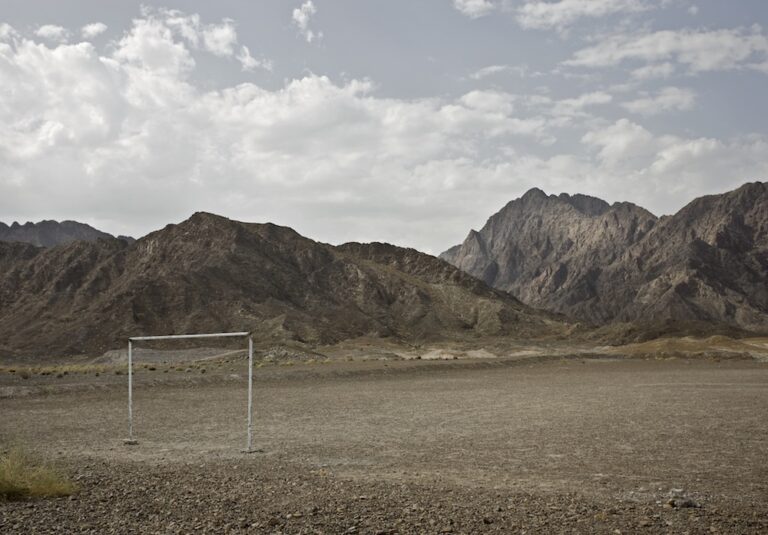
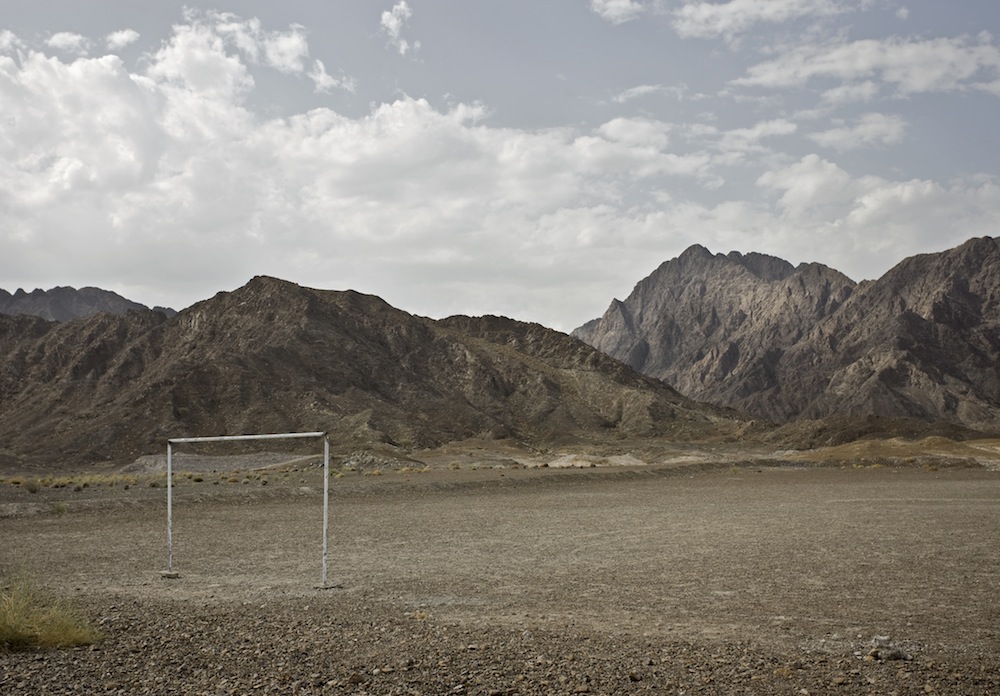 Ask yourself: if you lived in the deep desert, where the sand burns your soles at midday, would you run outside and play soccer? No sane person should. But Dick Sweeney has sent us thought-provoking images of soccer posts in extreme environments that reveal just how much Arabs love their football.
“Biggest Loser” Coach Builds a Recycled Materials Green Gym in Israel
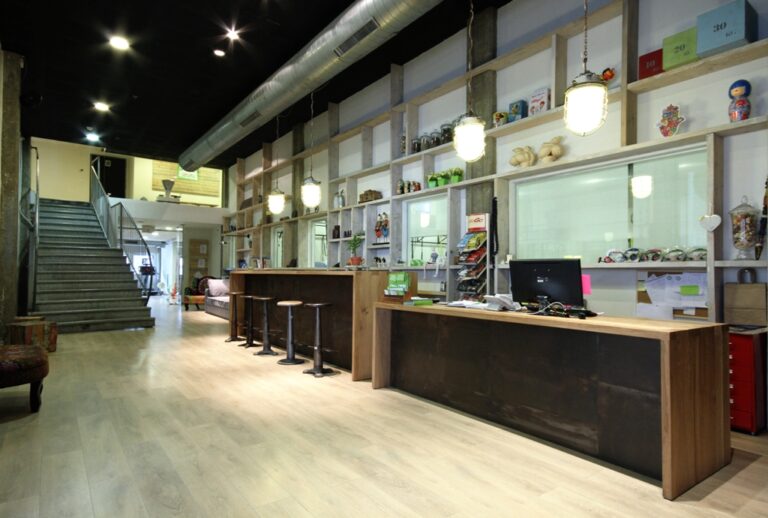
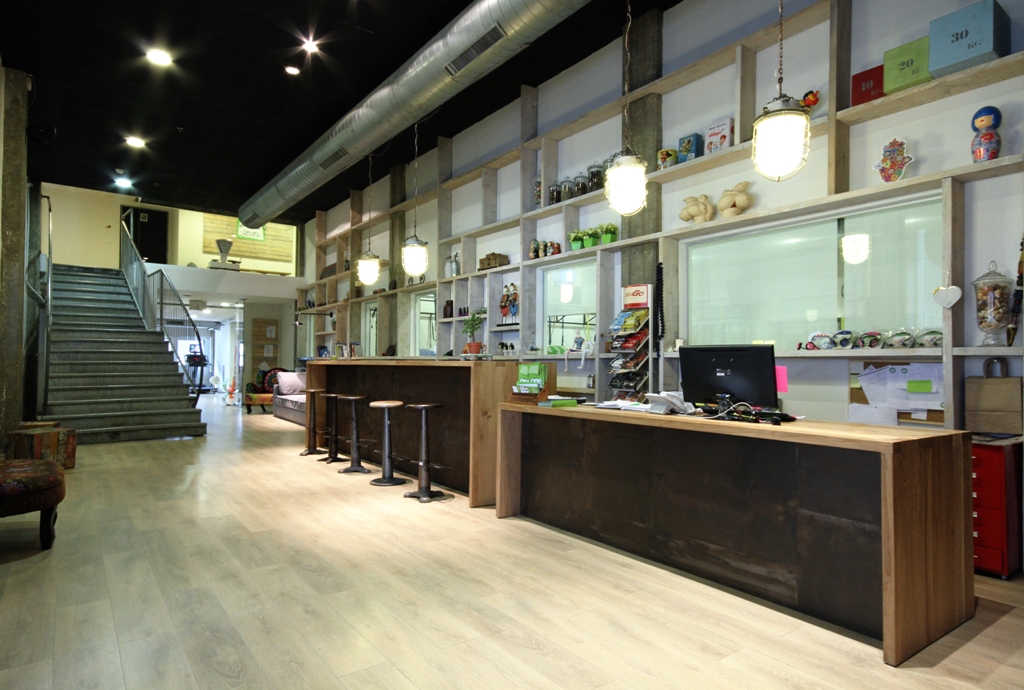 When “Biggest Loser” coach Orly Hoffman Bar approached Toledo-Lifschitz Architecture & Design with an idea to convert a vacant space north of Tel Aviv into a sweet new gym, she offered two major constraints: time and money.