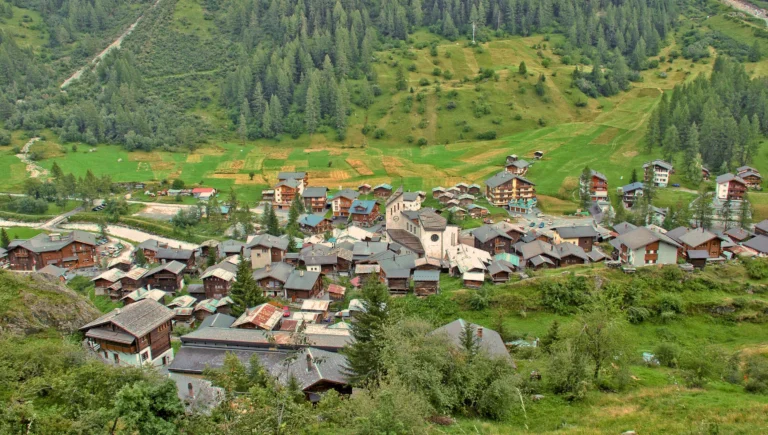
The Swiss village of Blatten, via Wikipedia, before the glacial mudslide
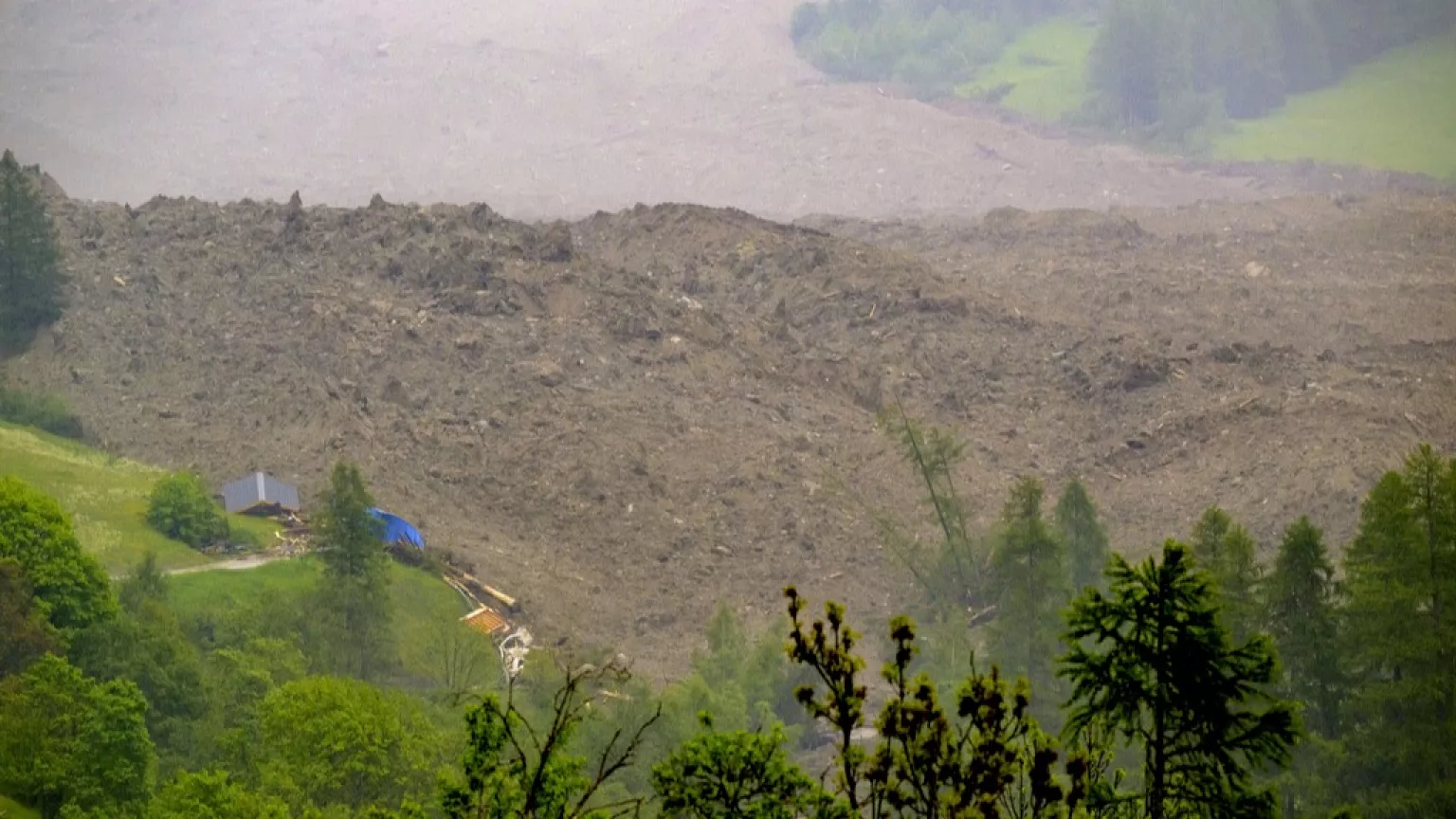
On May 28, 2025, the tranquil Alpine village of Blatten in Switzerland’s Lötschental Valley, about 75 miles west of Geneva, faced a catastrophic event. A massive section of the Birch Glacier, estimated at 1.5 million cubic meters, collapsed, unleashing a torrent of ice, mud, and rock that engulfed the village. Some 90% of the village was destroyed, and one man is missing. Climate change is to blame.
Blatten sheep grazing near the glacier in the summer.
Prior to the disaster, authorities had evacuated approximately 300 residents and livestock due to warnings about the glacier’s instability. Swiss Authorities here issued a warming, 6 days ago. You can count on the Swiss for being prepared. Despite these precautions, a 64-year-old man remains missing, and search operations involving drones with thermal imaging are ongoing hoping to find him.
Mudslide from Blatten, Switzerland
The landslide also buried the nearby Lonza River bed, raising concerns about potential flooding from dammed water flows. The Swiss army has been deployed to assist with rescue efforts and to monitor the evolving situation.
Having hiked the glaciers of the Italian area of the Swiss Alps, I recall the serene beauty and the sense of permanence these ice formations exuded. But I also sensed the danger when hiking on them. One wrong step could make me slide off a cliff. Passages are often intersected by glacial runoff. This tragic event in Blatten underscores the fragility of such landscapes in the face of climate change. The increasing frequency of glacier collapses is a stark reminder of the urgent need to address global warming.
Blatten before and after, captured by a village webcam
Switzerland, home to the most glaciers in Europe, has witnessed significant glacier volume losses—4% in 2023 and 6% in 2022. The collapse in Blatten is not an isolated incident but part of a broader pattern of glacial instability linked to rising global temperatures, Swiss glaciologists and scientists believe.
People go to Blatten bei Naters for its breathtaking views of the Aletsch Glacier, the largest in the Alps and a UNESCO World Heritage site. It’s a haven for hikers, skiers, and nature lovers, offering dramatic alpine scenery, tranquil trails, and access to the Belalp resort. The village also appeals to families and photographers drawn to its panoramic lookouts over the glacier.
Visitors could reach Blatten by taking a train to Brig or Naters, then a local bus or car up the winding mountain road. No doubt all tourism in the area should be avoided at this time.
Jeanne Mortimer, the Dianne Fossey of sea turtles. She changed everything in the Seychelles.
Assomption Island is the back door to one of the last unspoiled corners of Seychelles, the Aldabra Atoll. The Seychelles is a nation of people that control 115 islands scattered across the Indian Ocean. With just over 100,000 people and a heroin crisis afflicting nearly 10% of its population, this small country faces vast and complex challenges. But perhaps none are more pressing—or more invisible to the wider world—than the fate of its sea turtles.
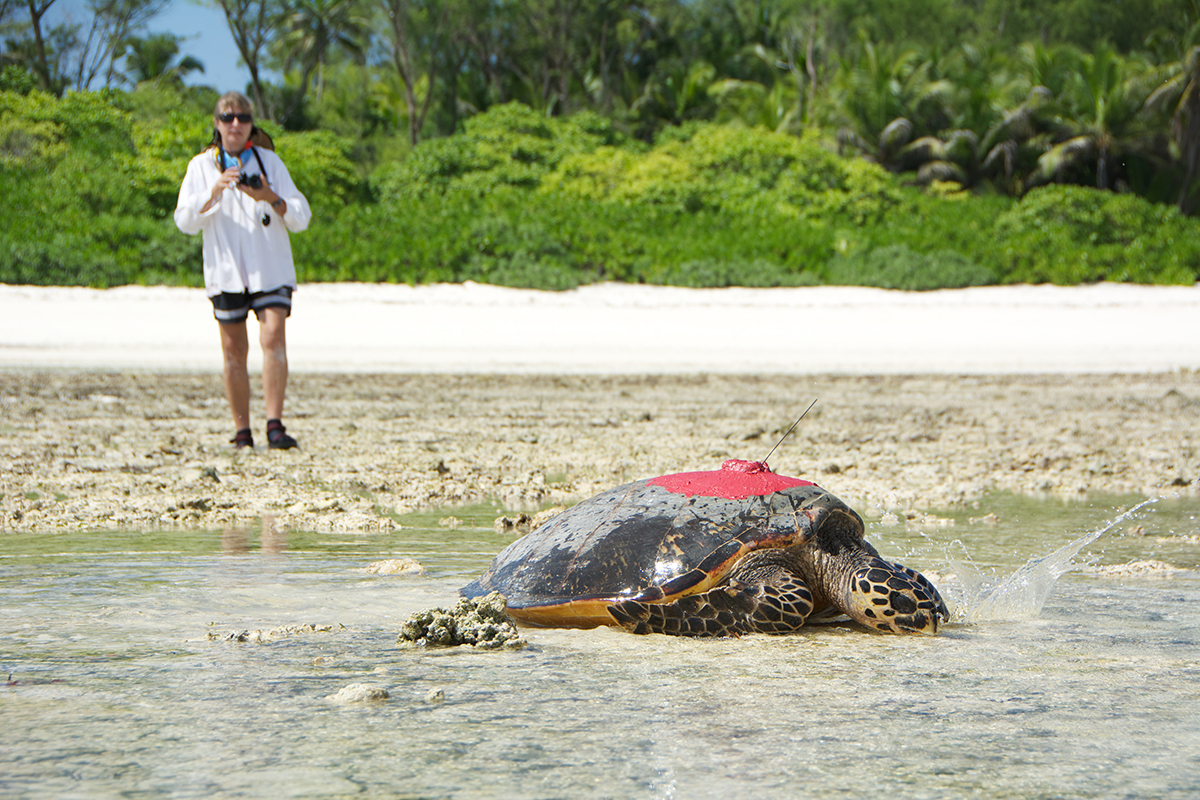
At the center of this story is Dr. Jeanne A Mortimer, an American-Seychellois biologist who has been studying sea turtles since 1973 and working in Seychelles since 1981. Known affectionately as “Madam Torti” among locals, Jeanne is not an activist. She’s not leading protests or lobbying parliament. She is, as always, knee-deep in research—methodically documenting, measuring, walking the beaches at dawn, and then later at night when the turtles nest, and publishing what she finds.
And what she finds is urgent.
Assomption Beach Too Valuable to Lose
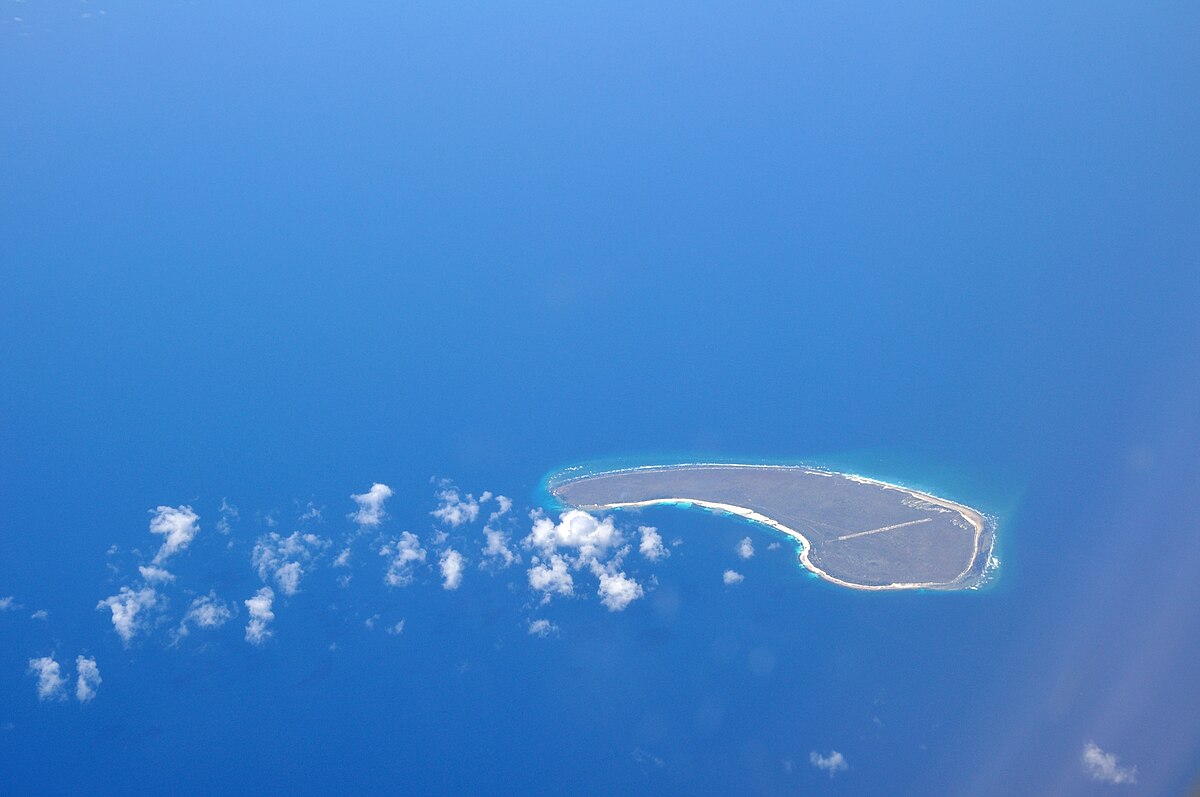
Assomption Island, view from a plane.
Assomption lies just 20 miles from the Aldabra Atoll, a UNESCO World Heritage Site world-renowned for its giant tortoises, sea turtles, and pristine ecosystem. But while Aldabra has enjoyed global protection since 1968, Assomption, once over-mined for guano, remains largely overlooked. Development on Assomption will directly threaten Aldabra Atoll, considered to be an outpost of evolution.
According to Mortimer, Assomption once had the largest population of nesting green turtles in all of Seychelles. The island’s seven kilometers of mostly uninterrupted beach and deep offshore approach make it ideal for both turtle nesting and tourism. “It’s a perfect green turtle beach,” she explains, “better than Aldabra’s in many ways.”
The scale and style of the project, suggest permanent disruption to this fragile ecosystem. No formal environmental survey has been conducted. No baseline turtle data has been published. And Mortimer, arguably the foremost authority on turtles in the region, has not been consulted.
Mortimer’s approach is neither alarmist nor oppositional. Her power lies in knowledge. After receiving her PhD under legendary sea turtle biologist Archie Carr at the University of Florida, she brought her expertise to Seychelles at the request of WWF and the local government. Her mandate: to study all turtle activity across the archipelago’s 155 islands.
See our talk with Jeanne Mortimer:
To reach remote islands like Cosmoledo, she traveled aboard supply ships like the Cinq Juin, slept on the floor of yacht galleys during high monsoons, getting soaked with water, and sometimes posed as a cook just to gain passage. Guests aboard the cabin caught on that she knew too much about Biology to be a standard cook.
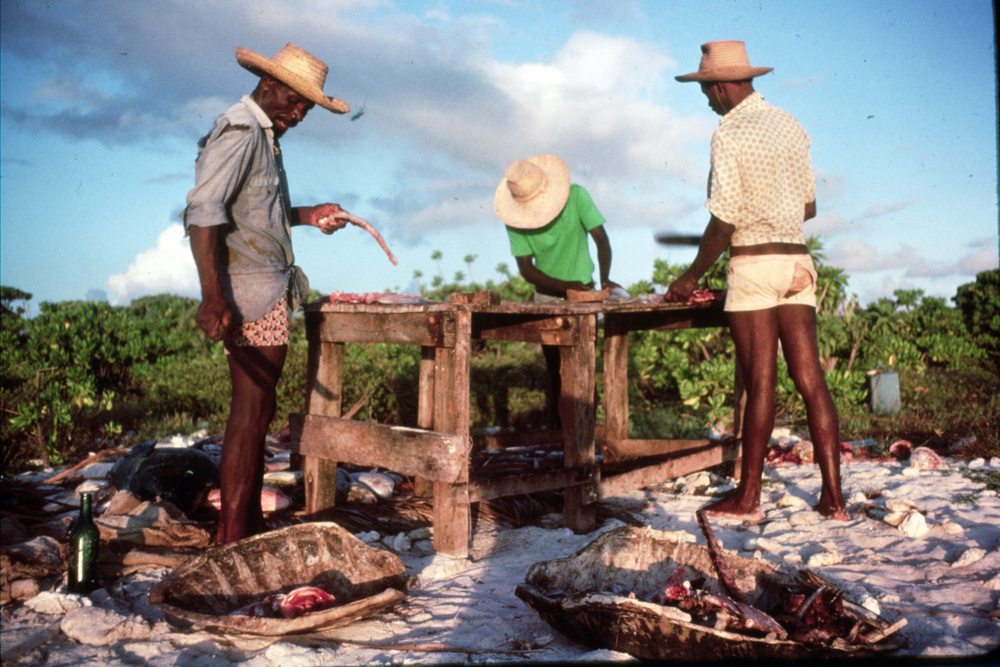
Once, she stayed five months on Cosmoledo atoll among a dozen Seychellois turtle hunters, documenting the precise dynamics of a community reliant on harvesting turtles, sharks, and fish. When camping at night she wore socks on her feet and keep her hair wrapped in cloth so island rats wouldn’t nibble on her toes or collect her hair for making nests. She even ate turtles because food choices, those days, were slim.
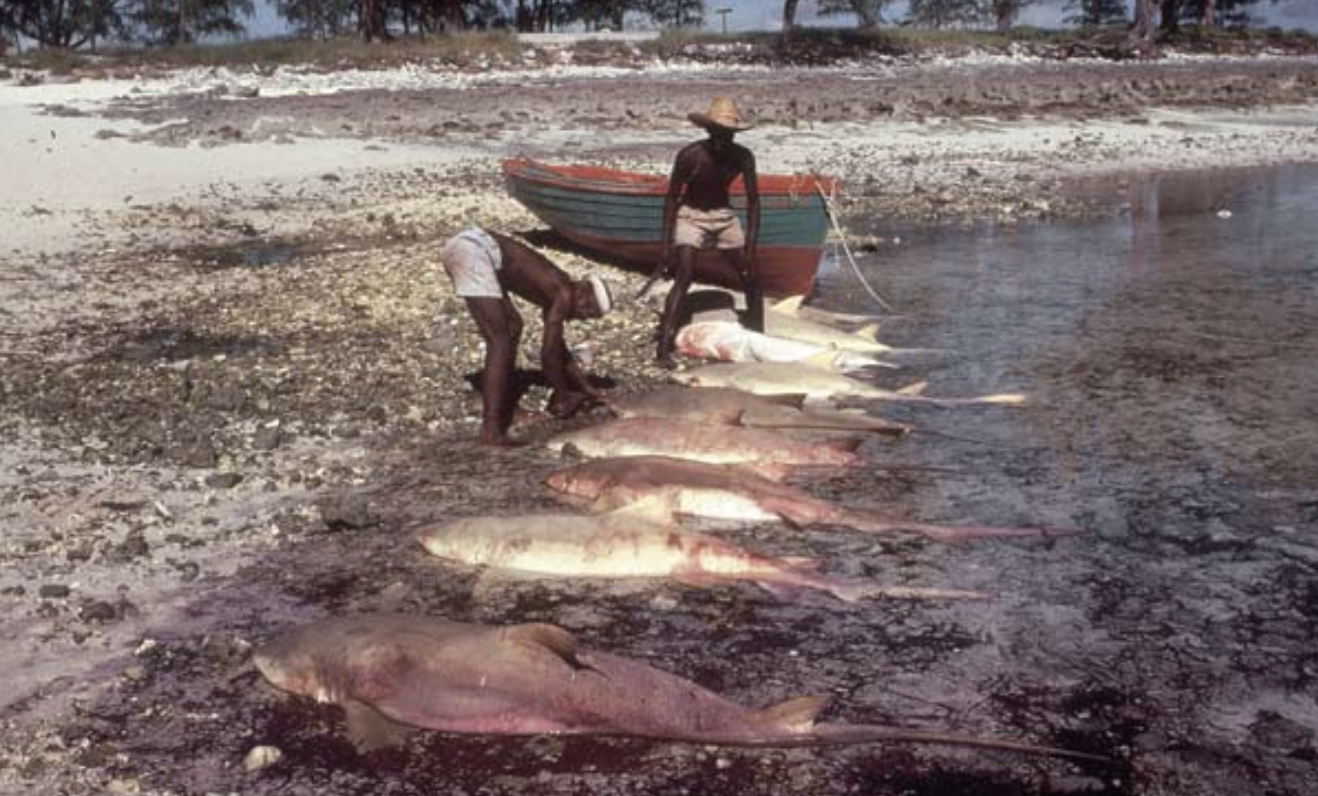
In the early 80s: Fishermen cleaning and salting their catch at Grand Ile at the end of the day. Salt and fish are stored in the empty turtle carapaces on the ground. Image via Jeanne Mortimer.
Her presence changed them. “When I first arrived, the men were worried I would interfere,” she later wrote. “But by living with them, working alongside them, they developed a new perspective.” She never asked them to stop; she simply watched, listened, and recorded. That data formed the foundation for Seychelles’ 1994 decision to ban turtle hunting entirely.
She laments those days even, because they had a culture around hunting sharks and fishing and turtles, citing a fondness for Mazarin as the fisherman of fishers. She didn’t judge as it was their income and way of life. There are even times when she helped salt the fish for fear it would spoil before reaching the market.
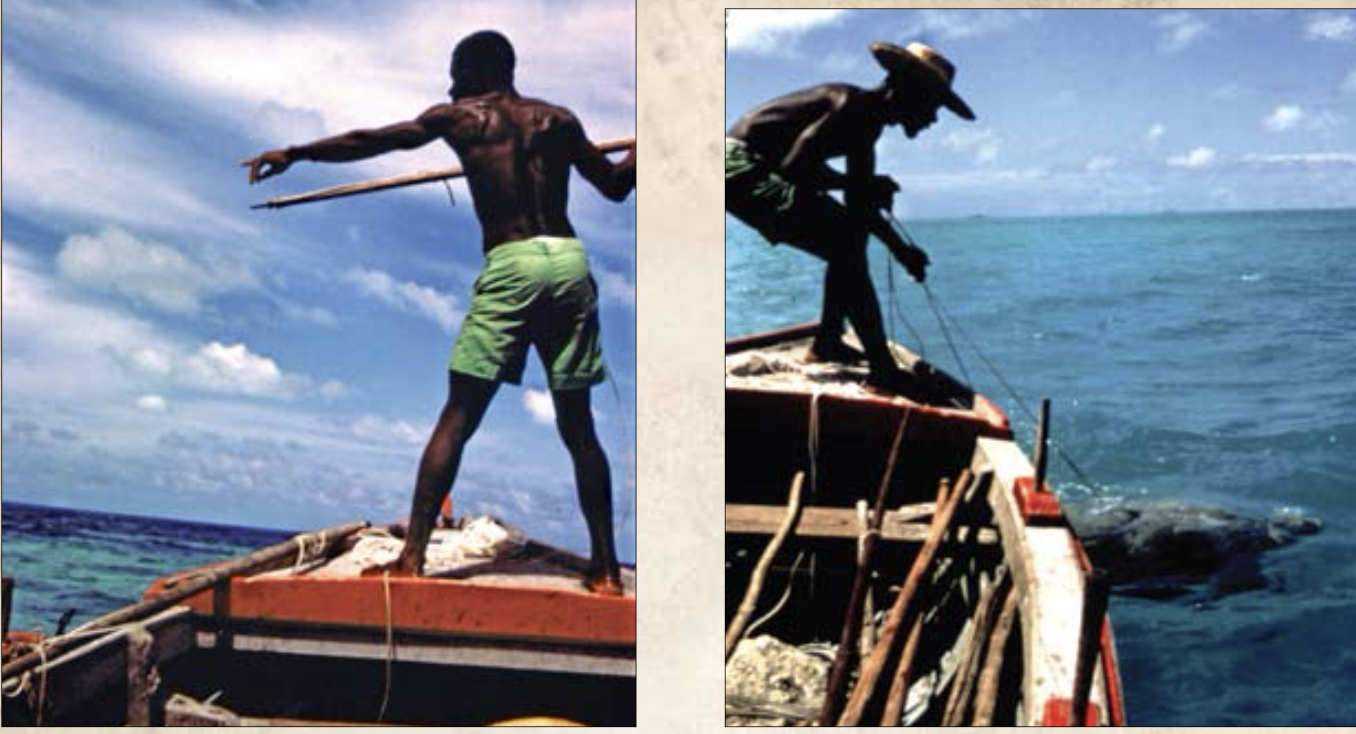
“Turtles were harpooned from the small fishing boats. I sometimes went turtle hunting with the men. Photos show Mazarin ready to throw the harpoon, and then pulling the turtle up to the boat.”“Shark Fishing at Cosmoledo in 1982. Sometimes the men, especially Mazarin, went out in their small boats and fished for shark all night long. A single night’s catch might comprise as many as 10 large sharks,” says Jeanne Mortimer. Image supplied by Mortimer.
Assomption: A Mirror of the Past
She says that what happened at Cosmoledo in the 1980s is relevant today on Assomption. The threat has shifted—from salted meat and tortoiseshell to artificial light and luxury development—but the stakes remain the same.
“Turtles are most vulnerable when they’re nesting,” Mortimer explains. “And we now know that females may take 30 to 35 years to reach sexual maturity. When they do, they return to the same beach again and again—sometimes for decades.”
These are the turtles that Assomption once hosted in abundance. And thanks to early signs of recovery, they are starting to return. If left undisturbed, Mortimer believes Assomption’s green turtle population could rival or exceed Aldabra’s.
But the Qatari villa development underway presents a new kind of threat. “The biggest issue is lighting,” she says. “Turtles won’t nest if there’s light on the beach. Hatchlings get disoriented. It’s one of the most studied impacts we know.”
And it’s not just turtles. Assomption hosts rare insect communities and bat populations, many of which could be wiped out by light pollution alone. Developers have reportedly promised a 1% footprint—but Mortimer warns that artificial light knows no boundaries. She also knows how devastating pesticides against bugs will harm the insects and the bats that feed off them. She once wanted to be an entomologist and knows how delicately all parts of island nature is connected.
In over five decades of work across more than 20 countries, Mortimer has seen conservation succeed. The many long-term monitoring programs she has coordinated in Seychelles—at places like Cousin, Aride, D’Arros and Aldabra—are now scientific goldmines. They prove that when science and policy align, recovery is not only possible, it is inevitable. Save Our Seas Foundation has been very helpful to her research, she says.
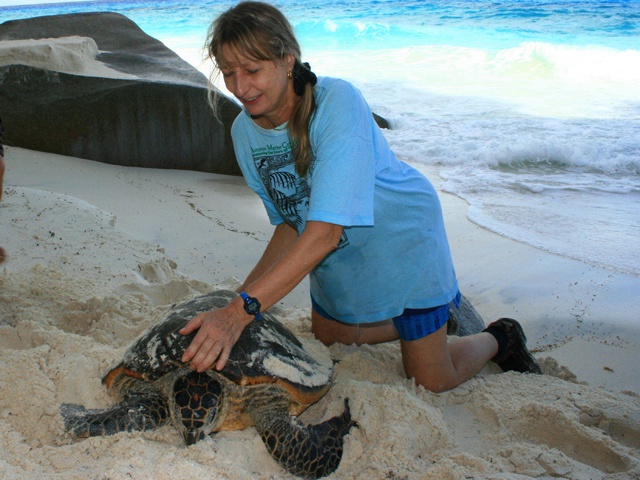
Jeanne Mortimer with a sea turtle
But Assomption is different. No formal turtle survey has ever been published for the island. No environmental management plan is in place. And development is already underway. Educating locals is one thing but now with international investment it’s a beast she has no experience in tackling and is letting environmental activists do the job.
It is, says Mortimer, “a very valid concern.”
She’s not fighting it. But she’s watching, documenting, and—when asked—offering solutions. “Turtle-friendly development is not a metaphor,” she explains. “It’s a science. Setback lines. Blackout curtains. No visible light from the beach. We know how to do this.”
The problem, as she puts it, is not science right now —it’s politics. “I don’t know why they haven’t asked me to help. But I would.”
Despite everything, Mortimer remains focused on what can still be saved. She invests where she can have impact. And she believes in young people—especially the children of those with power.
“If a Qatari child sees a turtle nesting and says, ‘Hey Mom, Dad, we should protect this,’ that might do more than any scientist,” she told me.
Her advice to the next generation isn’t to give up plastic straws. It’s to demand structural change. “The real responsibility lies with governments and corporations. Not individual guilt. We need investment in alternatives—seaweed-based plastics, smart design, policy change.”
Levy says that Mortimer’s encouragement and science-first approach inspired him when he met her on Aldabra and shaped his philosophy of protection through data and experience. She is the grandmother of sea turtle research, and leads the conversation globally in the annual sea turtle conference.
Meanwhile, Mortimer isn’t slowing down, but rather speeding up so the science gets published. She continues to write papers, to walk beaches, and to document what others might overlook. Assomption, for now, remains a question mark—a fragile bridge between two possible futures.
—
Karin Kloosterman is a former biologist and works as a science journalist and founder of Green Prophet. She interviewed Dr. Jeanne Mortimer for this story in Seychelles and is actively investigating the conservation status of Assomption Island.
An ancient Qanat system in Persia. Spread throughout the arid Middle East, these systems predated Roman aqueducts but the historical narrative isn’t told
As tensions over water intensify across Iraq and the wider Middle East, the 5th Baghdad International Water Conference has cast a timely spotlight on the country’s fragile water future—and its ancient hydrological past.
Held in the heart of Mesopotamia—where early civilizations once mastered the art of water management—the conference drew regional experts and leaders to Baghdad to confront a crisis that’s becoming more urgent by the year: water scarcity. With rivers running dry and modern agricultural systems straining under the pressure, Iraq finds itself at a crossroads between its hydraulic heritage and an increasingly parched present.
The Aflaj Irrigation Systems of Oman are ancient water channels from 500 AD located in the regions of Dakhiliyah, Sharqiyah and Batinah. However, they represent a type of irrigation system as old as 5000 years in the region named as Qanat or Kariz as originally named in Persia.
The land between the Tigris and Euphrates was once a wellspring of invention. Thousands of years before modern irrigation, the Sumerians, Akkadians, Babylonians, and Assyrians carved canals, engineered flood basins, and developed qanat systems—ingenious underground channels that carried water from mountain springs to distant farms.
These systems weren’t just technical achievements; they were the lifeblood of cities, temples, and trade. Water determined everything—from the rise of empires to the poetry etched into clay tablets.
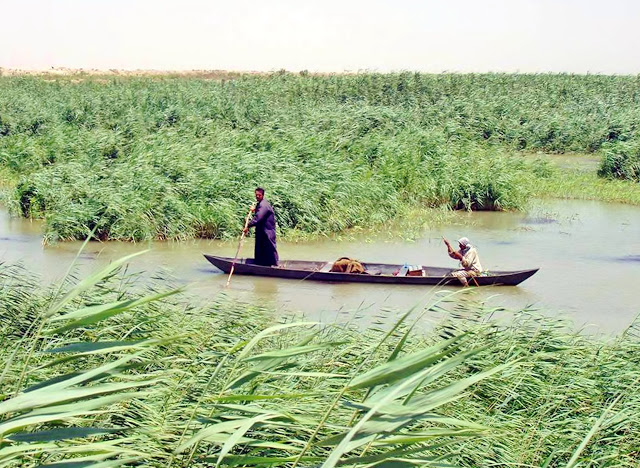
Iraq marsh people know how to live with water
But today, the once-mighty rivers that sustained those ancient cultures are shrinking. Dams upstream, salinization, climate shocks, and mismanagement have left Iraq’s water infrastructure overburdened and outdated. Agriculture now consumes over 90% of Iraq’s water, yet crop yields are falling. Some estimates suggest that without reform, wheat and barley yields could drop by half by 2050.
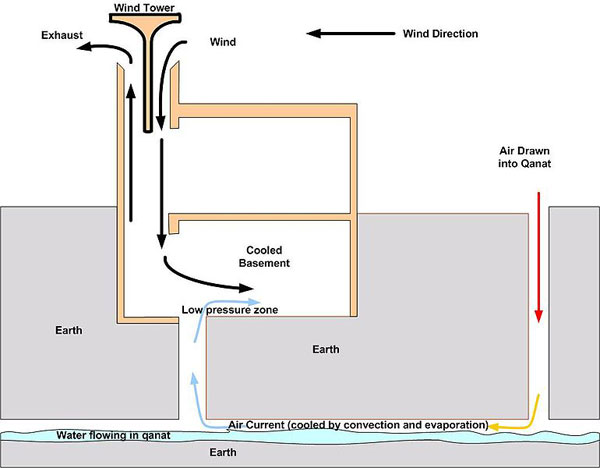
How a qanat works
These aren’t just numbers. Iraq’s rural communities—many of whom still rely on traditional farming—are already being uprooted by water shortages. Marshlands, once teeming with biodiversity and cultural life, are evaporating. The disappearance of water from ancestral lands threatens to sever ties to history, religion, and identity.
This has ignited conflict—not just between nations sharing river systems, but within Iraq itself. Disputes over water rights are rising, and in some areas, violence has already erupted. A younger generation, particularly women and smallholder farmers, are being left with few options: adapt or leave.
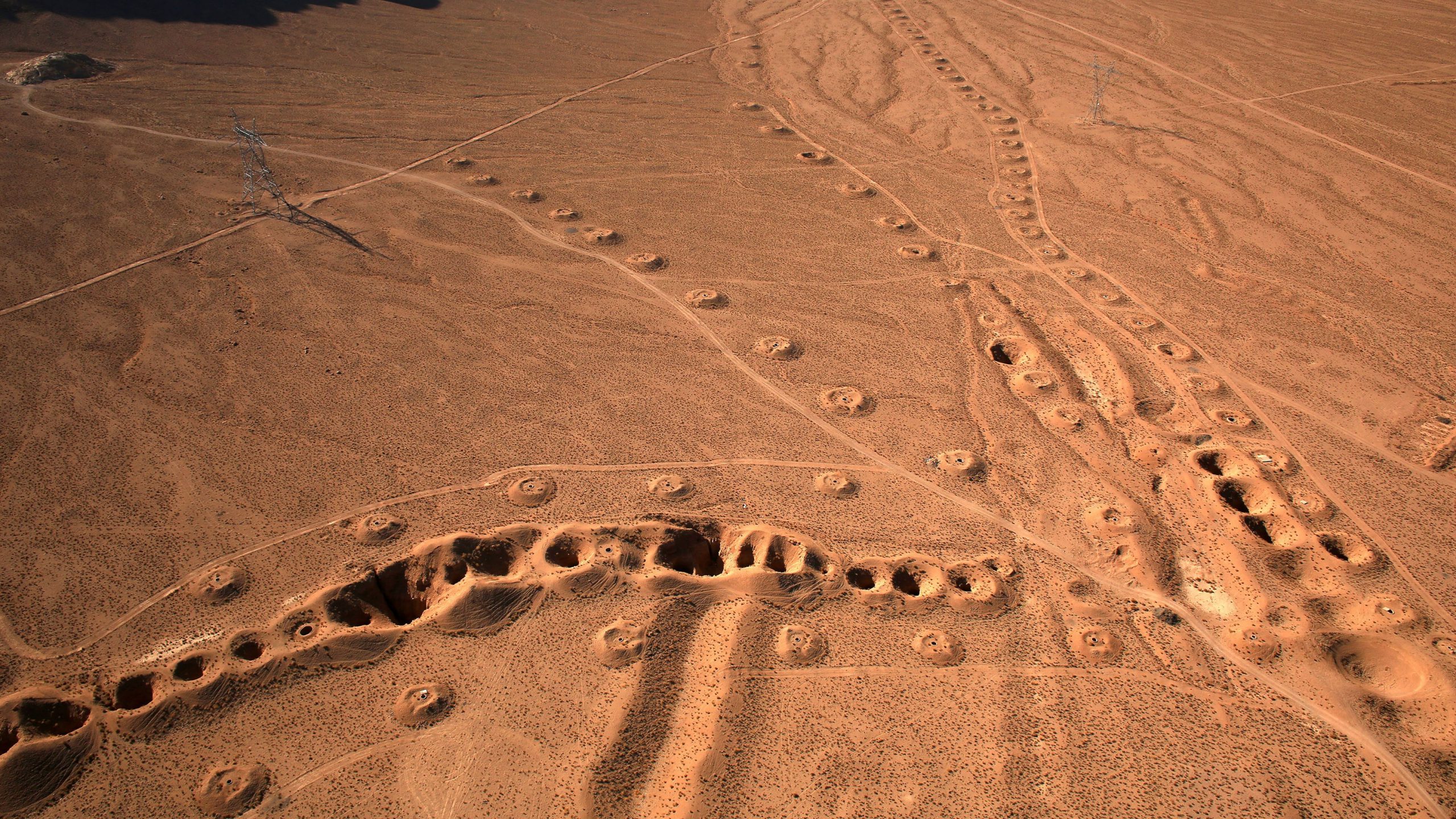
The Persian Qanat: Aerial View, Jupar
Despite the severity of the situation, Iraq isn’t without solutions. The country is rediscovering the value of its past while cautiously embracing modern technologies. Sometimes, like in Afghanistan the outcome can be dubious. Opium farmers now use solar powered water pumps to cultivate poppies.
Solar panels are a boon for the planet but they are now fueling bumper crops of poppies for the opium trade. Via the NY Times.
Remote sensing tools, such as those used in the WaPOR programme, are helping farmers monitor water use and optimize irrigation. Solar-powered systems, being piloted in neighboring Egypt and Tunisia, offer hope for regions where diesel pumps are no longer viable. Community-led water user associations—reminiscent of ancient collective water governance structures—are being revived to restore trust and accountability.
Dr. Aubrey de Grey: people can live for 1000 years.
In the prestigious halls of biogerontology—where scientists untangle the mysteries of human aging—a curious silence persists when it comes to discussing timeframes. Ask most aging researchers when we might defeat aging, and they’ll quickly pivot to discussing incremental progress or the complexity of their work. This isn’t mere scientific caution; it’s a carefully calculated strategy shaped by the brutal realities of research funding.
“I actually wrote a paper on this called “The duty of biogerontologists to discuss time frames publicly”, and I wrote it in 2004,” says Dr. Aubrey de Grey, founder and Chief Science Officer of LEV Foundation. “So it’s been a real problem.”
While remarkable progress continues in labs worldwide, the culture of avoiding predictions has created what de Grey considers a dangerous disconnect between scientific potential and public awareness. This strategic silence might be protecting individual careers, but at what cost to humanity’s battle against its oldest enemy?
The Politics of Prediction in Scientific Funding
The term “Longevity Escape Velocity” (LEV) has become the linchpin of a growing scientific and philosophical debate. (CREDIT: Bryan Johnson)
The reluctance to make predictions isn’t unique to aging research, but it’s particularly pronounced in this field. At a 2010 NIH meeting, the consensus among senior researchers crystallized around a simple concept: “principled researchers cannot stoop to discussing time frames, because research is intrinsically so unpredictable.” [Woah, where did you find this?]
When de Grey first proposed that biogerontologists have a duty to discuss timeframes publicly, the reaction from leading scientists was “thoroughly lukewarm.” In academic culture, making concrete predictions is viewed as a career-limiting move.
The reason? Self-preservation within a hyper-competitive funding landscape.
“The reason they don’t is because they think that it will endanger their funding,” de Grey states bluntly. Unlike de Grey, who has navigated primarily through philanthropic channels, most aging researchers “get their funding from the government through a process of peer review, where other scientists are forced to make choices between their colleagues’ grant applications and they never have anything like enough money to divvy up.”
This creates a brutally efficient system where scientists are “constantly looking for reasons to say no” to their colleagues’ grant applications. One reliable justification for rejection is claiming a researcher made irresponsible public statements.
“A great ass-covering way to say no is to say, ‘Well, this person said something irresponsible on television,'” de Grey explains. “Whether or not the thing they said on television actually was irresponsible, if it could be characterized as irresponsible, like over-promising and under-delivering or getting the public’s hopes up or whatever, then that’s good enough.”
The Reputation Risk That Silences Scientists
Dr. Aubrey de Grey
Many researchers claim that their real reason for silence is that “over-selling and under-delivering” is irresponsible. They’ve witnessed the swift and merciless backlash that comes when a researcher becomes too optimistic in public.
A cautionary tale emerged recently involving Harvard scientist David Sinclair, who faced “a barrage of rebukes from fellow longevity researchers” after making headlines with claims about “age reversal” in animal studies. The professional consequences were severe—Sinclair ultimately stepped down from a prominent research leadership position.
This public execution sends a clear message to other scientists: make bold claims at your peril.
But predictions are not the same as claims. Historical disappointments—like the “War on Cancer” in the 1970s failing to deliver promised cures—have not made funding bodies hypersensitive to ambitious timelines: the budget of the National Cancer Institute has never once been cut year-on-year. But this has failed to reassure a research community that has mastered the art of promising incremental progress while carefully avoiding any specific commitments about when breakthroughs might occur.
The Vicious Cycle of Funding and Progress
De Grey points out that this caution creates a destructive catch-22: without articulating timeframes, researchers struggle to convey urgency to policymakers and funders. While scientists only “dangle the carrot” of curing aging but “without mentioning time frames,” public and political enthusiasm will remain weak.
“Political will to support biogerontology research depends utterly on… perception of how likely it is that this research will succeed,” de Grey notes. If that perceived likelihood is zero, “funding will be zero.” This creates a self-fulfilling prophecy where insufficient resources slow progress, confirming the pessimistic outlook.
The stakes could hardly be higher. As de Grey explains, “Every day that I bring forward the defeat of aging, it’s 30 World Trade Centers. It’s 110,000 people, and it’s very easy to get out of bed for that.”
Yet the funding pitch often stumbles at the moment of truth:
“If you come to somebody and you say, ‘Hello, I’d like some money, please,’ and they say, ‘What are you going to use it on?’ And you say, ‘I’m going to do this research,'” de Grey explains, “And they’re going to say, ‘Yeah, and what will that achieve?’ And you say, ‘Oh, it’s going to achieve this greater understanding and greater progress, and keeping people healthy for a long time.’ And then the person says, ‘Right, how soon is that going to happen?'”
The critical moment comes next: “And if you say, ‘Oh, I have no idea, it’s research,’ and you run away very fast from the idea of actually putting a number on how soon you think you’re probably (not even certainly!) going to make this all [happen], then they will say, ‘Fuck off.’ They will basically say, ‘You’re just trying to swindle me. You know perfectly well this research is basically going to be futile and you just enjoy doing it, and you want my money.’ And so they won’t write you a check.”
The Hidden Costs of Conservatism
De Grey argues that the “no predictions” norm actively harms biomedical progress and, by extension, public health. In his view, scientists’ reluctance to discuss timelines puts “self-interest (reputation protection) over humanity’s collective interest in medical progress,” which he considers “reprehensible.”
The field faces a delicate balancing act. On one hand, credibility with funders and the public requires honest assessment. On the other hand, excessive conservatism can hamper progress by failing to attract sufficient investment.
As one observer noted regarding de Grey’s approach, “People don’t donate to Aubrey de Grey because they want the work they fund to be timid.” His bold messaging attracts donors who want revolutionary progress, whereas traditional grant agencies prefer more measured claims.
Finding a Path Forward in the Funding Maze
De Grey calls for scientists to “say what they actually think” about timelines, arguing that transparency could accelerate progress. The key challenge is navigating what he describes as the strategic dilemma between “money now versus reputation later.”
Whether individual scientists choose caution or boldness in their predictions, de Grey’s central argument remains powerful: aging research’s impact on human welfare is too significant to let funding politics dictate its pace.
He contends that predictions, even probabilistic ones, demonstrate belief and credibility: “If you do put a number on it, even though the number has to be probabilistic, you have to say there’s a 50% chance that I’ll reach this amount of progress in this amount of time if you give me this amount of money, then you’re showing self-belief. You’re making a prediction… if you don’t make a prediction at all, you have no credibility at all.”
In this high-stakes game of scientific funding, the reluctance to make timeline predictions may be protecting individual careers, but it’s also potentially slowing the most important medical revolution in human history. As millions continue to suffer and die from age-related diseases, de Grey’s challenge to the scientific establishment becomes more urgent. The politics of prediction in aging research isn’t just an academic debate—it’s a matter of life and death on an unprecedented scale.
Jaks shoes make as slow fashion from Portugal out of apple waste and leather
In 2025, sustainability is no longer a luxury or a greenwashed afterthought—it’s a business imperative. Consumers around the world are making purchasing decisions based not just on price or style, but on how products are made, what they’re made of, and what happens after they’re used. Enter a wave of bold startups building circular, ethical, and regenerative models for everyday items—from sneakers and smartphones to menstrual pads and incense sticks.
Here are seven standout startups proving that sustainability and innovation go hand in hand.
1. Akyn (UK) – Redefining Ethical Fashion: Founded by British designer Amy Powney, Akyn is more than a clothing label—it’s a quiet rebellion against fast fashion. Built on the principles of transparency, timelessness, and traceability, Akyn uses organic cotton, regenerative wool, and natural dyes. Every piece is designed to last beyond seasons, with full supply chain traceability back to the farm. As the UK rethinks fashion’s carbon footprint, Akyn leads with substance and style.
Akyn
2. Rothy’s (USA) – Turning Bottles Into Ballet Flats: Based in San Francisco, Rothy’s is famous for transforming recycled plastic bottles into sleek, washable shoes and accessories. With 3D knitting technology that minimizes waste, Rothy’s has repurposed more than 179 million bottles and over 20,000 used shoes to date. Their latest push in 2025? Fully circular retail stores, where worn-out Rothy’s can be dropped off and reincarnated into new designs.
Rothys
3. Fairphone is flipping the script on electronics with a modular smartphone that’s easy to repair, upgrade, and recycle. The Dutch startup sources fair-trade gold, conflict-free tin and tungsten, and recycled plastics. In a world awash in e-waste, Fairphone is leading the “right to repair” movement—and showing big tech how ethical hardware can still turn a profit.
Fairphone
4. LastObject (Denmark) – Saying Goodbye to Single-Use: Copenhagen-based LastObject produces reusable alternatives to everyday personal care items—cotton swabs, tissues, and even makeup pads. Their signature product, LastSwab, replaces 1,000 disposable Q-tips. The brand’s minimalist design and bold messaging have resonated with a new generation of climate-conscious consumers. It’s not just zero waste—it’s zero nonsense.
Last Objects
5. Bamboo India – A Green Toothbrush Revolution. Plastic toothbrushes are one of the most common items found in landfills. And the microplastics get into our bodies when we brush. Pune-based Bamboo India is changing that with biodegradable bamboo toothbrushes, earbuds, and eco-gift items. What started as a small social initiative has become a household name across India, with a rapidly expanding global presence. Their mission: eliminate single-use plastic from your morning routine.
Bamboo India
6. Nirmalaya (India) – From Temple Waste to Sacred Scents. Every day, Indian temples generate tons of floral waste. Nirmalaya saw an opportunity in the problem—transforming discarded flowers into incense sticks, essential oils, and organic colors. Based in Delhi, the startup combines tradition with innovation, tackling waste while preserving the spiritual significance of its raw materials. It’s an elegant fusion of circular design and cultural reverence.
Nirmalaya
7. Eco Femme (India) – Menstrual Health Meets Social Impact: In Tamil Nadu, Eco Femme is producing washable, organic cotton menstrual pads and distributing them through education-focused programs across rural India. This women-led social enterprise is helping reduce the mountains of plastic waste created by disposable pads—while empowering women and girls with dignity and information. Their pads have reached thousands, but their model is reaching minds.
Eco Femme
These startups aren’t just selling products—they’re selling a new way to live. Each is proof that consumer goods can be high-quality, beautiful, and regenerative at the same time. From fashion and tech to wellness and waste, they’re building a future where sustainability isn’t a niche—it’s the norm. Now all of these are global products. Take an idea from this list and make it local.
Once whispered about in underground circles and jungle clearings, the psychedelic brew known as ayahuasca is now a global phenomenon—and in 2025, its reach shows no sign of slowing. From Silicon Valley executives to trauma survivors, the call of the vine continues to draw seekers from all corners of the world. But the practice, steeped in centuries of Amazonian tradition, is facing new pressures as demand grows and legality shifts across borders.
The spiritual and medicinal use of ayahuasca originates with Indigenous peoples of the Amazon basin, particularly in Peru, Brazil, Colombia, and Ecuador. In places like Iquitos and Tarapoto, ayahuasca ceremonies are still held in malokas (circular huts), guided by shamans who sing icaros—healing songs meant to direct the energies of the ceremony.
Nihue Rao shamans
Retreat centers such as Temple of the Way of Light and Nihue Rao continue to host international guests seeking healing, insight, or deep spiritual transformation. These centers often blend tradition with modern therapy models, including pre- and post-ceremony integration sessions.
Rising Centers: Costa Rica and Portugal
Ayahuasca tea being prepared. Wikipedia
Outside of the Amazon, Costa Rica has emerged as a popular and well-regarded destination for ayahuasca work. Retreat centers like Rythmia Life Advancement Center offer week-long experiences that combine plant medicine with yoga, breathwork, and Western-style psychological support.
Portugal, too, is becoming a hub, largely due to its relaxed drug laws and growing psychedelic community. Though not legal per se, ceremonies often operate in a gray area with minimal interference from authorities.
In the United States, ayahuasca remains federally illegal due to its DMT content—a Schedule I substance. However, several religious organizations, such as the Santo Daime Church and União do Vegetal (UDV), have received legal exemptions to use ayahuasca in sacramental ceremonies.
Beyond these groups, underground ceremonies have proliferated, particularly in cities like Los Angeles, San Francisco, and New York, where local decriminalization movements have deprioritized the enforcement of psychedelic drug laws. These events are often invite-only and framed as “healing circles” rather than religious rites. It is also believed to be quite popular in Israel as well, where you can find a healing ceremony –– much needed in this intense time of conflict.
Who’s Drinking Ayahuasca in 2025?
The profile of the typical ayahuasca participant has shifted. While still attracting spiritual seekers and New Age devotees, today’s ceremonies are increasingly attended by:
Tech and creative professionals seeking clarity, focus, or emotional breakthroughs.
Military veterans looking to address trauma and PTSD.
Therapists and healers incorporating the experience into their own personal development.
Women and mothers exploring ceremony as part of rites of passage or ancestral healing.
Ayahuasca is also becoming a tool for psychedelic integration therapists, many of whom now have firsthand experience with the medicine as part of their training or personal exploration. While the effects can feel transformative, it is important to do the real work on yourself after the experience.
But with popularity comes complexity. Indigenous leaders and activists have raised concerns about cultural appropriation, overharvesting of ayahuasca vines, and the commercialization of sacred traditions. Some Amazonian communities are pushing back, creating frameworks for reciprocity and ethical sourcing.
Organizations like The Indigenous Medicine Conservation Fund are advocating for fair compensation, intellectual property protection, and cultural sovereignty for the original stewards of the medicine.
Is It Safe?
Ayahuasca is not a party drug. The brew often leads to intense physical purging (vomiting, shaking, crying) and emotional processing. While many report life-changing insights, others have experienced psychological distress, especially when ceremonies are held without proper guidance or integration support.
In rare cases, ayahuasca can be dangerous—especially for people with certain psychiatric conditions or those taking antidepressants or SSRIs. That’s why screening and aftercare are now standard practice at reputable retreat centers. This should be said about cannabis, which is now banned in Florida. Canada is allowing all cannabis to be legal for recreation use, making it accessible to very young teens.
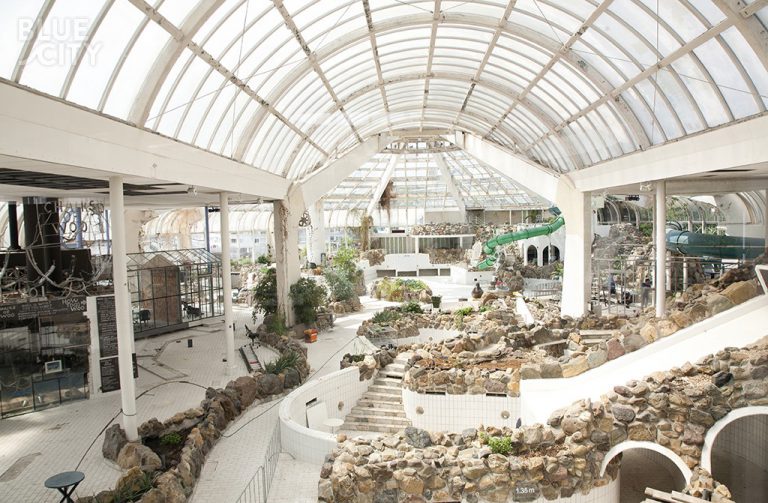
Blue City, smart city, renewable energy city: Rotterdam has it all
Back in the day when we started Green Prophet, “circular design” was a new buzzword and mostly just a slide in a PowerPoint deck—something sustainability consultants pitched people who knew nothing. In 2025, it’s different. Circular design isn’t just theory now—it’s practice. It’s policy in some of the boldest companies, cities, and thinkers who are reshaping the future.
The idea’s simple, at least on paper: instead of designing products that end up as waste, we design them to stay in circulation. You don’t throw it out—you fix it, rework it, compost it, or break it down for parts. But circularity today goes far beyond recycling. It’s about designing out waste from the very beginning—and building systems that restore, not just reduce.
Here’s what circular design actually looks like now—and where it’s heading.
We start with taking things apart: Literally. In a world full of glued-shut gadgets and planned obsolescence, modularity is the quiet revolution. Look at the Fairphone 5, made in the Netherlands. It’s not flashy. But if your camera breaks or your battery dies, you can swap them out with a screwdriver. That’s the whole point. No Genius Bar. No landfill. Dutch common sense. That’s my ancestry.
Fairphone
Designers in 2025 are choosing materials based not just on what they do now—but on what they’ll become next. Fashion is leading the charge. Stella McCartney’s working with Mylo, a mushroom-based leather you can compost. Pangaia’s printing T-shirts from seaweed and dyeing them with bacteria. It sounds like science fiction, but it’s already in stores.
Vegan mushroom leather, Mylo
Architecture might be the most exciting space for circular innovation. In Brussels, the government built the Circular Pavilion using 95% reclaimed materials. That’s right—steel beams from old train stations, floors from shuttered schools. In the UK, a startup called Biohm is creating wall panels and insulation out of mushrooms that clean your air and return to soil when you’re done with them.
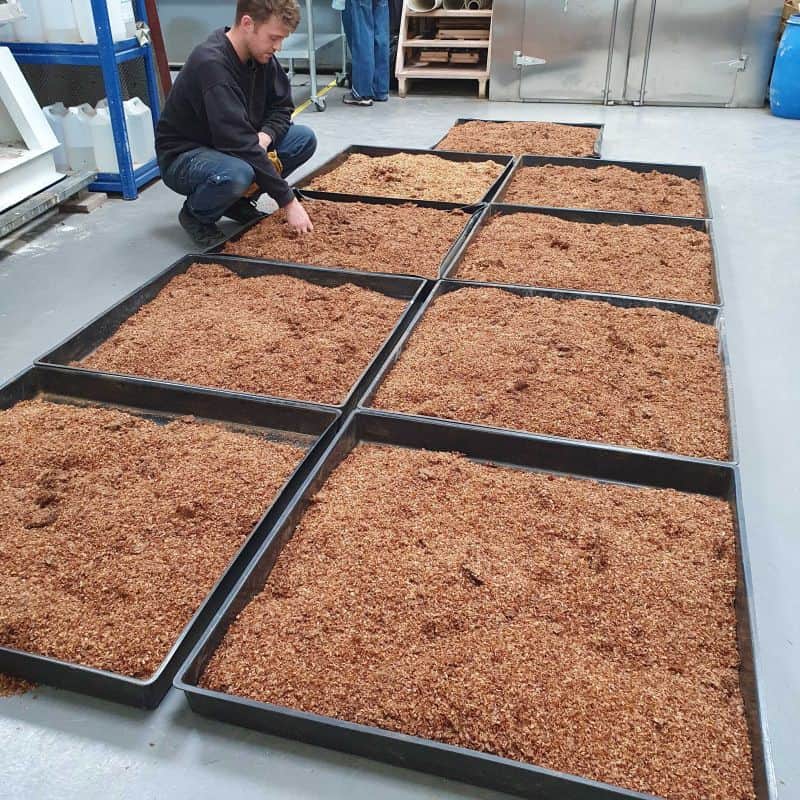
Ehad Syed creates Biohm for circular design products
Biohm is a biomanufacturing research and development company founded by Ehab Syed in 2016 to create regenerative construction materials and packaging by growing mycelium into food waste or processing difficult-to-reuse or recycled by-products.
Biohm uses orange peel, cocoa husks, and other food waste, to develop and design construction materials such as mycelium-based insulation panels, plant-based concrete alternatives, and sustainable replacers for wood-based construction sheets.
Space. Yes, even space: Circular design is going orbital. The European Space Agency is prepping a mission called ClearSpace-1 that will grab dead satellites and haul them back down to Earth. Meanwhile, modular satellite “swarms” are being tested—think space Legos that can swap parts and repair each other, reducing the need for constant rocket launches (and space junk). Read our latest on sustainable aviation fuel for space.
Milan is tackling food waste with logistics instead of guilt: it rescues over 130 tons of edible food every year and reroutes it to people who need it. Israel does this as well. Non-profits and volunteers collect tons of food after weddings and large catered events supplying it to those who are hungry.
Here’s the honest take: circular design is not a magic fix. It’s messy. It takes time. But it’s starting to change systems, not just products. When major cities, aerospace agencies, and fashion giants start asking: What happens to this at the end of its life?—that’s a shift. That’s design thinking that looks more like ecology than industry.
A sustainable aviation alternative that enables intrepid luxury travel, OceanSky Cruises’s airship is a 100-metre-long hybrid aircraft, combining buoyancy from helium with aerodynamic lift created by the shape of its hull. Driven forward by four propellors, the vehicle can fly continuously for days. Can it run on SAF?
In the skies above Britain and across the Asia-Pacific, a green revolution is accelerating—not in the fields, but in the jet streams. Two major international moves this month signal that Sustainable Aviation Fuel (SAF) is no longer a niche technology but a critical pillar of the future of flight. And as Earth-bound aircraft start to go green, a tantalizing question arises: can space travel do the same?
Industry players like BP and the International Air Transport Association (IATA) have applauded the move, highlighting that SAF produced under these standards meets rigorous global aviation fuel benchmarks such as ASTM D1655. This isn’t a backdoor greenwashing scheme. It’s vetted, safe, and compatible with existing jet engines.
The UK’s action sends a powerful signal to the global market: SAF isn’t tomorrow’s promise—it’s today’s policy.
GenZero
Meanwhile, Singapore’s GenZero, in partnership with the World Economic Forum, has launched the Green Fuel Forward Initiative, aiming to scale SAF across the Asia-Pacific region. This initiative unites airlines, aerospace manufacturers, and financiers to create a self-sustaining SAF market—one that can meet the demand of one of the world’s fastest-growing aviation hubs.
Where the UK is setting standards, GenZero is building ecosystems. Together, these initiatives create a transcontinental roadmap for clean flight.
Despite the momentum, experts caution against declaring SAF a silver bullet. While SAF can reduce lifecycle emissions by up to 80% compared to conventional jet fuel, this is contingent on the sustainability of feedstocks, regional production capabilities, and carbon accounting accuracy. Feedstock availability, economic viability, and infrastructure bottlenecks all remain significant hurdles.
In short: cleaner skies are coming—but we’re not off the hook yet.
Companies like Virgin Galactic, Blue Origin, and SpaceX are pushing commercial spaceflight into the mainstream. But their environmental footprint is enormous. One rocket launch can emit hundreds of tons of CO₂ and black carbon, which lingers in the stratosphere, disrupting climate systems more than emissions at lower altitudes.
Some progress is being made. Blue Origin uses liquid hydrogen and liquid oxygen—fuels that, when combusted, emit only water vapor. But hydrogen’s production is often energy-intensive, and other space companies still rely on kerosene-based propellants.
Startups and research labs are quietly experimenting with green rocket fuels made from bioethanol, renewable methane, or even algae-based feedstocks. But these remain in early stages, with limited commercial uptake.
Could SAF tech inspire the next leap? Perhaps. SAF producers like Gevo, Neste, and Velocys are already investing in Fischer-Tropsch and gasification technologies that could be adapted for high-energy rocket fuel equivalents.
For investors with one eye on Earth and the other on the stars, SAF is emerging as one of the most promising clean tech sectors. Here are a few companies at the forefront:
Neste (Finland): The world’s largest SAF producer, partnering with airports and airlines globally.
Gevo (NASDAQ: GEVO): A US-based innovator turning agricultural waste into renewable jet fuel.
Velocys (UK): Converts municipal and forest waste into aviation-grade hydrocarbons.
XCF Global (NASDAQ: XCF): Set to become the only pure-play SAF producer on the US public market after acquiring New Rise Renewables.
SkyNRG (Netherlands): A pioneer in SAF deployment, collaborating with airports and corporate clients.
Shell and World Energy: Though fossil giants, both are investing heavily in SAF R&D and infrastructure.
Flying sustainably is no longer science fiction. But guilt-free air travel—let alone guilt-free space tourism—isn’t as simple as swapping fuels. It requires layered transformation: regulatory reform, feedstock innovation, public-private collaboration, and bold investment.
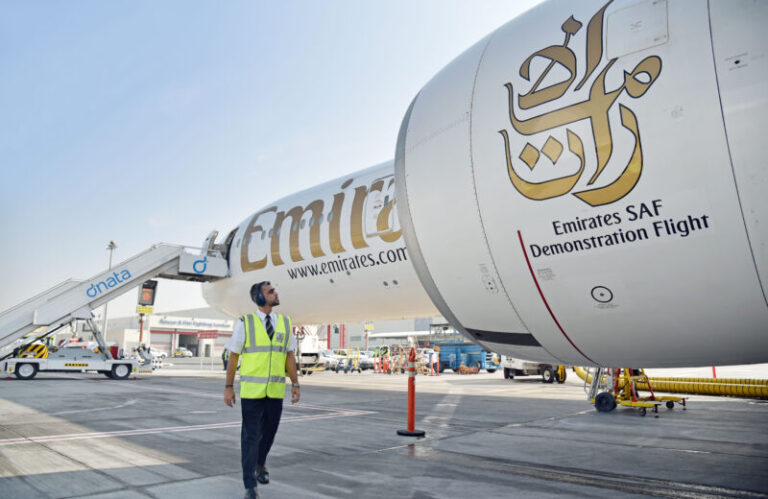
Neste’s SAF biofuel tested in Boeing Emirates flight in 2023
The United Kingdom has taken a significant step in advancing sustainable aviation by approving an increase in the co-processing blend limit for Sustainable Aviation Fuel (SAF) from 5% to 30%. This decision, endorsed by the UK Ministry of Defence and incorporated into Defence Standard 91-091, aims to accelerate the production and adoption of SAF within the aviation sector.
Safety is paramount in aviation fuel standards. The updated Defence Standard 91-091 ensures that SAF produced through co-processing meets stringent aviation fuel specifications. This standard aligns with global benchmarks, such as ASTM D1655, guaranteeing that the fuel is compatible with existing aircraft engines and infrastructure. Industry stakeholders, including BP and the International Air Transport Association (IATA), have collaborated to achieve this milestone, emphasizing the fuel’s safety and performance.
Britain’s Leadership in Sustainable Aviation
Virgin Galactic astronauts. Will space travel be sustainable? Sustainable Space Fuels?
It’s not just Virgin Atlantic or the hope for sustainable space travel: By increasing the co-processing blend limit, the UK positions itself as a leader in sustainable aviation. This move allows for the integration of renewable feedstocks, such as waste oils and fats, into existing refinery processes, facilitating a faster and more cost-effective path to SAF production. The approach reduces the need for constructing new facilities, thereby accelerating the availability of cleaner aviation fuels.
While the adoption of SAF represents a significant advancement in reducing aviation’s carbon footprint, it’s important to recognize that SAF is not a complete solution. The production and use of SAF can reduce greenhouse gas emissions by up to 80% compared to conventional jet fuel, depending on the feedstock and production methods.
However, challenges remain, including feedstock availability, production scalability, and economic factors. Therefore, while SAF contributes to more sustainable air travel, achieving guilt-free flying will require a combination of technological advancements, policy support, and broader systemic changes in the aviation industry.
Looking for a green and principled investments in SAF?
Several companies are actively involved in the research, development, and production of sustainable aviation fuels. Some prominent examples include:
Neste: A Finnish company known for its renewable diesel and sustainable aviation fuel production. Neste is one of the largest producers of SAF globally and has partnerships with various airlines and airports.
Gevo is a NASDAQ-traded US-based company that focuses on developing bio-based alternatives to petroleum-based products. They are actively working on producing SAF from renewable feedstocks such as corn, wood waste, and other sustainable sources.
Velocys is a British company specializing in sustainable aviation fuels and renewable diesel. They use gasification and Fischer-Tropsch technology to convert waste biomass into fuels suitable for aviation.
World Energy: This company, formerly known as AltAir Fuels, is based in the United States and produces renewable diesel and SAF from various feedstocks, including waste fats, oils, and greases.
Shell:While primarily known as an oil and gas company, Shell has been investing in renewable energy and alternative fuels, including sustainable aviation fuels. They are involved in various projects and partnerships aimed at developing SAF technologies.
SkyNRG: A Dutch company dedicated to developing and supplying sustainable aviation fuels. They collaborate with airlines, airports, and other stakeholders to promote the adoption of SAF in the aviation industry.
The NASDAQ-traded XCF. XCF Global aims to be a leading producer of SAFs with an initial annual production capacity of 38 million gallons following the acquisition of New Rise Renewables, which owns a flagship plant and adjacent site in Reno, Nevada.XCF will be the only pure-play public SAF producer in the US market, with competition mainly coming from legacy crude oil providers.
In an industry where temperature control is critical and energy consumption typically high, Cyprus-based pharmaceutical manufacturer Medochemie has achieved notable efficiency improvements through an innovative atmospheric air cooling system that reduces energy consumption by 15% while maintaining the exacting standards required for pharmaceutical production.
The system, developed by the company’s engineering team, has earned recognition with the Cyprus Innovation Award and represents an important advancement in sustainable manufacturing practices for the pharmaceutical sector.
Medochemie’s Energy Innovation Addresses Pharmaceutical Manufacturing Challenges
Pharmaceutical manufacturing presents unique energy challenges, with strict temperature and humidity requirements necessary to ensure product quality and stability. Cooling systems typically account for a significant portion of a pharmaceutical facility’s energy consumption, making them a prime target for efficiency improvements.
Medochemie’s solution addresses this challenge by cooling atmospheric air by 10°C before it enters the facility’s air-cooled chiller system. This pre-cooling significantly reduces the energy load on the chiller, resulting in a 15% reduction in electricity consumption while maintaining the precise environmental conditions required for pharmaceutical production.
Dr. Christakis Sergides, Director of Research, Development and Innovation at Medochemie, explains: “Temperature control is non-negotiable in pharmaceutical manufacturing. Our challenge was to reduce energy consumption without compromising the strict environmental parameters our products require. This innovative system achieves that balance, delivering significant energy savings while fully maintaining our quality standards.”
The technology has been implemented across Medochemie’s nine manufacturing facilities in Cyprus, with plans to extend it to the company’s international operations, including its facility in the Netherlands and five plants in Vietnam.
The atmospheric air cooling system represents just one component of Medochemie’s broader environmental strategy. Industry analysts note that pharmaceutical manufacturing has traditionally been energy-intensive, with temperature-controlled environments, specialized equipment, and strict cleanliness requirements all contributing to high energy consumption.
The company has implemented several additional energy-saving technologies across its facilities, including:
Variable-speed drives for motors across all factory operations, which maintain consistent motor voltage while optimizing the efficiency of cooling systems with lower energy consumption
Voltage stabilization systems that maintain steady voltage across all three phases, reducing thermal losses and achieving energy consumption reductions
LED low-energy lighting and motion-activated sensors throughout their facilities, reducing CO2 emissions from power generation
These initiatives are part of a comprehensive approach to environmental sustainability that extends to water conservation, waste reduction, and renewable energy generation.
Quantifiable Environmental Impact Across Operations
Environmental sustainability reporting from Medochemie reveals measurable benefits from their energy efficiency initiatives. The atmospheric air cooling system alone prevents approximately 120 tonnes of CO2 emissions annually across the company’s Cyprus facilities.
When combined with other energy initiatives, the company has achieved a total reduction of over 500 tonnes of CO2 emissions annually – equivalent to removing approximately 100 passenger vehicles from the road for a year.
The company’s 150KW Photovoltaic Park produces 1,650 kWh per KW annually, further reducing CO2 emissions by 201.5 tonnes each year. This solar installation supplies approximately 18% of the electricity requirements for Medochemie’s administrative buildings.
Water conservation measures have also yielded significant results. The company installed a system to collect water produced by air conditioning units during the cooling of atmospheric air. This captured water is then reused for irrigating plants on the company grounds, saving an estimated 250,000 liters of water annually.
Recognition and Industry Implications
Medochemie’s environmental initiatives have earned recognition beyond the Cyprus Innovation Award for their cooling system. For the fourth consecutive year, the company has received the “Gold Environmental Protector” award at the Cyprus Environmental Awards for Organizations and Businesses – the highest honor in this competition.
These achievements come as pharmaceutical manufacturers face increasing pressure to reduce their environmental impact. European regulatory trends indicate that environmental performance may become a more significant factor in pharmaceutical manufacturing compliance in coming years.
Dr. Andreas Pittas, founder and Executive Chairman of Medochemie, views these initiatives as integral to the company’s identity: “Since our founding in 1976, we have recognized that our responsibility extends beyond simply manufacturing medicines. Our motto of ‘Growth with a human face’ reflects our commitment to balancing business success with environmental stewardship.”
The company’s approach to environmental sustainability has potential implications for the wider pharmaceutical industry, particularly for generic medicine manufacturers who operate in highly competitive markets with tight margins. Medochemie demonstrates that environmental initiatives can deliver both ecological benefits and economic advantages through reduced operational costs.
Integration with LIFE PHARMA-DETOX Project
Medochemie’s energy efficiency innovations complement its leadership role in the LIFE PHARMA-DETOX project, an EU-funded initiative focused on developing methods to remove pharmaceutical compounds from wastewater. This four-year project aims to demonstrate an innovative method for detoxifying pharmaceutical wastewater directly from manufacturing facilities.
The project recently reached a significant milestone with the installation of a pilot system at Medochemie’s facilities. This system is designed to operate using 100% renewable energy sources, with excess hydrogen produced by the system used as an energy source during night hours. Demand Response also plays a role in the system’s design, shifting electricity usage away from peak hours.
Challenges and Future Directions
Despite these achievements, challenges remain in furthering energy efficiency in pharmaceutical manufacturing. Industry-specific requirements for cleanrooms, air exchange rates, and precise temperature controls limit how far energy reduction can go without compromising product quality and regulatory compliance.
Medochemie’s engineering team continues to explore new frontiers in sustainable manufacturing. Current research focuses on advanced energy storage solutions to maximize the utilization of renewable energy and artificial intelligence applications to optimize environmental control systems.
“The next frontier for us is the integration of AI into our environmental systems,” noted Dr. Sergides. “We’ve already begun implementing smart systems that can predict energy needs based on production schedules and optimize accordingly. Preliminary results indicate that we could achieve an additional 7-10% energy reduction through these advanced controls.”
The company is also investigating heat recovery systems that would capture and repurpose waste heat from production processes, potentially reducing energy consumption for water heating by up to 30%.
Industry-Wide Implications
For the broader pharmaceutical industry, Medochemie’s achievements demonstrate the potential for significant environmental improvements without compromising the stringent quality standards required for medicine production.
With a portfolio covering 10 therapeutic categories and distribution to 122 countries, Medochemie’s implementation of these technologies across diverse product lines shows their versatility and potential for wider adoption.
As health systems globally face budget constraints, pharmaceutical manufacturers must find ways to reduce costs while maintaining quality. Energy efficiency measures can help address this challenge by reducing operational expenses.
For a sector that has sometimes been viewed as reluctant to embrace environmental innovation due to regulatory constraints, Medochemie’s example suggests that significant progress is possible. The company’s holistic approach – encompassing energy efficiency, renewable generation, water conservation, and waste reduction – provides a potential roadmap for other manufacturers seeking to improve their environmental performance.
As the pharmaceutical industry continues to face scrutiny over its environmental impact, Medochemie’s cooling system innovation represents a tangible example of how technical ingenuity can deliver both ecological and economic benefits in this essential but energy-intensive sector.
Smart maintenance meets sustainability — a technician uses a cloud-based CMMS to help build and monitor green infrastructure, reducing downtime and environmental impact.
Implementing a Computerized Maintenance Management System (CMMS) can feel overwhelming. You’ve got legacy systems, skeptical team members, and limited time to get it right.
But don’t worry—this CMMS implementation guide will walk you through the entire process, one step at a time. Whether switching from paper logs or upgrading outdated software, this guide will help you move on confidently. Let’s break it down.
Step 1: Define Your Goals
Start with clarity. Why do you need a CMMS? What problems are you trying to solve?
Common goals include:
Reducing equipment downtime
Tracking maintenance costs
Automating preventive maintenance
Improving technician productivity
Write down your goals. Make productivity a priority. Make sure they’re measurable. That way, you’ll know if the implementation is working. Get input from your team. Your team’s insights will help you set realistic and relevant objectives.
Step 2: Build a Cross-Functional Team
Don’t do it alone.
Form a small team that includes:
Maintenance managers and technicians
IT support
Procurement or Finance
Operations staff
Each group brings a different perspective. Maintenance knows the workflows, IT understands the infrastructure, and finance cares about costs. Together, they make better decisions. Assign a project lead. This person keeps the team focused, tracks progress, and communicates with vendors.
Step 3: Choose the Right CMMS
There are many options out there. Don’t just go with the most popular or the cheapest.
Here’s what to consider:
Ease of use: Will your team use it?
Mobile access: Can technicians update tasks from the floor?
Customizability: Does it fit your workflows?
Support and training: Will the vendor help you succeed?
Request demos, ask questions, test the interface, and ensure it aligns with your goals and your team’s daily tasks.
Step 4: Clean and Prepare Your Data
A CMMS is only as good as the data you feed it.
Start by gathering:
Asset lists and specs
Maintenance schedules
Work order history
Spare parts inventory
Vendor and warranty details
Then, clean it up. Remove duplicates. Fill in the missing information. Standardize naming conventions. Yes, it’s tedious. But doing it now will save you headaches later.
A quick tip: If you’re moving from an outdated system, export the data early and give yourself time to review it.
Step 5: Configure the System
Now, it’s time to set up the system. This part is the crucial stage where everything comes together.
Tasks include:
Creating user roles and permissions
Setting up assets and locations
Importing preventive maintenance schedules
Organizing spare parts and inventory
Linking vendors and warranties
Work closely with the vendor or implementation specialist. Use this time to tailor the system to your specific needs. Avoid overcomplicating it. Start simple. You can always add more features later.
Step 6: Train Your Team
A powerful CMMS is useless if no one knows how to use it.
Plan training sessions for different user groups:
Technicians: How to open, complete, and close work orders
Managers: How to assign tasks and review reports
Admins: How to configure and manage settings
Make it hands-on. Let people practice actual tasks in the system. Encourage questions. Set up quick reference guides or cheat sheets. Training is not a one-time event. Offer refreshers and updates as needed.
Step 7: Go Live (and Start Small)
You’re prepared for launch but avoid activating everything at once.
Start with a pilot. Choose one site, one department, or a small group of assets.
Monitor how it goes:
Are work orders being completed in the system?
Are there any technical glitches?
Are users comfortable?
Collect feedback. Adjust as needed. Once things are running smoothly, expand the rollout. A phased approach reduces risk and builds confidence.
Step 8: Monitor, Measure, and Improve
Once your CMMS is live, the work isn’t over. It’s just beginning.
Use your original goals to track progress:
Is downtime going down?
Are PMs completed on time?
Is the team using the system daily?
Review reports regularly. Look for trends. Share successes with your team. Use the insights to tweak schedules, rebalance workloads, and optimize inventory. Keep evolving. A trustworthy CMMS will grow with your team and improve your maintenance program.
Final Thoughts
Implementing a CMMS is one of the best moves a maintenance manager can make. It boosts efficiency, cuts costs, and gives you better control over your assets.
However, success does not occur by chance. Follow this CMMS implementation guide step by step. Involve your team. Start small. Learn as you go.
And most importantly—stick with it.
A well-implemented CMMS can transform your maintenance operations from reactive to proactive. It’s not just a system; it’s a more innovative way of working.
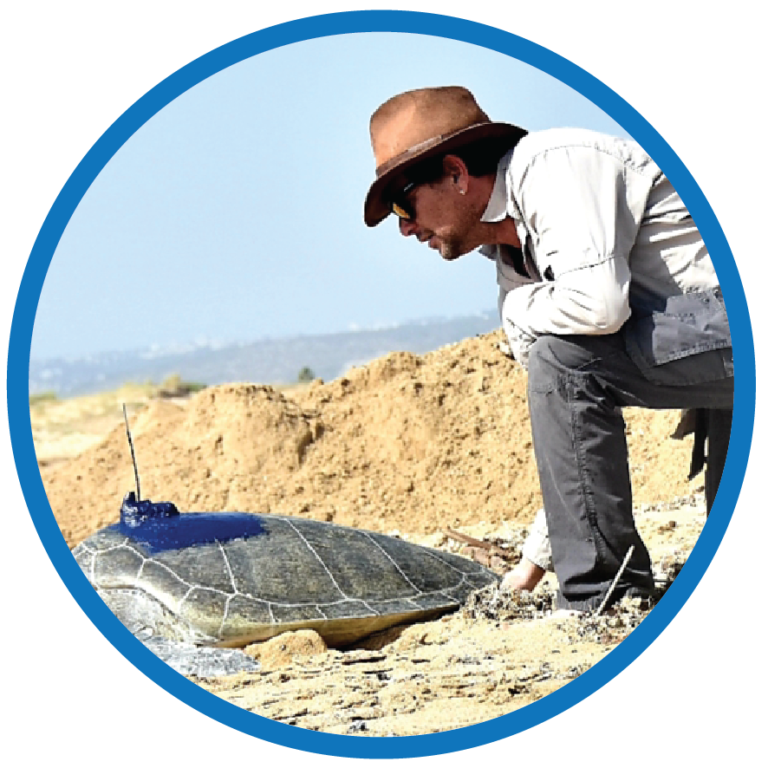
Yaniv Levy with a sea turtle tagged for release. Image via Oren Kabessa
A few weeks ago, I took my son Gabriel to the edge of the sand dunes in Michmoret, a peaceful pocket of the Israeli Mediterranean coast a half hour drive from Tel Aviv. We weren’t there to sunbathe or surf, but to meet a man who has dedicated his life to turtles—at first the ancient ones who still roam the Indian Ocean’s most sacred atoll and injured survivors stranded ashore in a Mediterranean Sea increasingly shaped by war, overfishing, plastics, and politics.
This is the story of Dr. Yaniv Levy, founder of Israel’s Sea Turtle Rescue Center—the world’s only government-supported turtle hospital and breeding center unlike any in the world. But to understand why his work matters, you have to go back nearly 30 years, to another coastline altogether: Aldabra Atoll, part of the Seychelles, one of the last untouched Edens left on Earth.
“My Heart Is Still There”
Photo of Yaniv Levy’s photo on Aldabra with a tortoise
Levy’s journey began in the mid-1990s. He was 26 and nursing invisible wounds and finding solace underwater—onboard a dive boat in the Red Sea and the Indian Ocean. For three years he lived and worked on the boat, as a deck-hand, first mate and a dive instructor and guide, spending many months navigating between remote islands of the Seychelles, mainly in Assomption Island and the Aldabra Atoll.
A photo from Aldabra Atoll taken by Yaniv Levy
Aldabra is no ordinary coral ring island. Home to giant tortoises, flightless rails, sacred ibis, and staggering numbers of green and hawksbill turtles, it is so pristine that boats are prohibited from entering its lagoon, and a 40 km radius around it. Access comes only through Assomption Island, a now-threatened outpost with a tiny airstrip, where wealthy tourists fly from Mahe before sailing two hours to what Levy calls “holy land.”
“I kissed the ground,” he recalls. “It is one of the most untouched places in the world… maybe one of the five last places of Eden.”
But Eden is under siege.
Yaniv Levi Sketches of Aldabra Atoll when he worked there for 2 years in the mid-90sRare birds Yaniv Levy photographed on Aldabra
“They will kill Aldabra. No questions asked,” says Levy. “It is one of the most preserved areas of the world.”
“You Are a Scientist”
While in the Seychelles, Levy met Roselle Chapman, a British biologist who would become both his mentor and his love. It was she—and her supervisor, the renowned Seychelles-based turtle researcher Dr. Jeanne Mortimer—who first taught him to track, study, and live among turtles.
“She looked at my maps, my drawings, my charts… and said, ‘You are a researcher.’ That changed my life.”
Levy would spend up to 10 days at a time on Aldabra, and over all every visit for two to three months. Sleeping on the boat or near nesting beaches, diving with manta rays and sharks. He remembers it as “the best diving I ever had.”
His dates with Chapman? “They were at turtle nesting sites.”
A map into the Aldabra Atoll. The turtle nesting sites are marked in a strip of black dots on the top-middle left
From Paradise Lost to Hospital Founder
The boat company in the Seychelles went bankrupt–– the original plan was sailing to Micronesia with a documentary crew with only a brief stopover for drydock and maintenance before heading to Micronesia. He found himself in Ashkelon, Israel and started his Marine Biology undergrad degree in Michmoret as Roselle predicted he should, and then, a turtle washed up.
“It was a loggerhead with a hook deep in its throat,” he recalls. A vet removed the necrotic tissue, and Levy—now reporting the case to the authorities as required by law—caught the attention of Ze’ev Kulur, Israel’s chief turtle biologist on behalf of the National Nature and Parks Authority at the time.
He saved the turtle.
After demonstrating his experience in Israel and on Aldabra, Levy was encouraged to launch a formal turtle rescue initiative. In 1999, he founded what would become the only government-supported turtle hospital in the world—a marine rehabilitation facility with research credentials, surgical suites, and even prosthetic limbs and buoyancy stabilizers designed in-house.
A sea turtle gets fitted with weights to help him with buoyancy troubles
“They are lifers,” Levy says of his breeding turtles, about 30 of them in a large pool swimming together. “They’ve only lived in captivity. I don’t believe they can adapt to live in the wild, but their being here in captivity is with a cause for their whole population, they will reproduce and their hatchlings will return to sea and revive the almost extinct population.”
A turtle missing a leg is in rehab
His 30 baby turtle “children”, now over 20 years old, are given names like Moana, Stitch, and Pocahontas. “I call my human kids my second batch,” he says.
Sea Turtles Have No Borders
Levy has treated over 2,000 sea turtles from Israel, Gaza, and beyond. He sees victims of boat strikes, plastic entanglement, and most disturbingly, war and fishing trauma.
Plastic feed bags originating from Greece, Russia, Europe are tossed into the sea and become confusing “reeds” that turtles get tangled in. The feed bags are thrown overboard at sea when live animals are being shipped live for slaughter. The bags get shredded at sea and the sea turtles get caught in them thinking they are nesting sites.
“The booms and the bangs… the turtles suffer,” he says. Explosions in Egypt’s Bardawil Lake, where fishermen still use blast fishing, are particularly devastating. “Soft tissue trauma, inner ear injuries. Shockwave trauma.”
In countries nearby, suspicious people sometimes trap or catch birds, turtles and animals tagged by Israel, calling them spies of the Mossad. They are often, sadly, killed.
According to Levy, turtle injuries are not always visible. Some are so weak they can no longer float or dive. For these cases, Levy has invented floating slings that suspend turtles partially in water, allowing them to heal without exhausting themselves.
A sea turtle operating table.
Plastic straws, he says, are a red herring. “The real problem is the polypropylene feed sacks—20kg bags used in livestock farming. Turtles get caught in them and lose fins and many die. That straw video from Costa Rica? It’s not really true about the straws, and maybe he tried the best he could, but what’s killing turtles at sea is something else, Levy tells Green Prophet.
Levy’s work is both clinical and spiritual. A veterinarian scientist with a PhD, he’s published research on turtle rehabilitation and consults globally on marine conservation. But when asked about fear—of being alone on Aldabra, for instance—his answer is revealing:
“I’m more afraid of people than of animals.”
Yaniv Levi looks into his turtle rehab pools. Each one holds a turtle. Temperatures are kept constant and the pools monitored by the minute
Though his collaboration with Gaza has decreased—some residents now eat turtles out of protein desperation—he emphasizes empathy. “I don’t judge. I understand.”
He also stresses the regional unity among turtle workers. “Despite the conflict, we work with our Arab neighbors. People who work with turtles are… cool.”
A sculpture Levy made while living at Aldabra Atoll
The Israel Sea Turtle Rescue Center will open its breeding program to the public in September, offering hands-on education for children and adults. More than 600 volunteers already help guard nesting sites, relocate eggs to hatcheries, and release baby turtles back to sea.
“This is not just conservation,” Levy says. “It’s about showing that turtles have no borders.”
Assomption Island may seem far away—just a dot on a maritime chart near Mahe—but its fate is linked to our own. The ecological encroachment by luxury developers and the silent suffering of sea turtles in war zones should alarm anyone who cares about nature’s last strongholds.
Sign up for hatching tours and more at the Israel Sea Turtle Rescue Center.
In one of the driest places on Earth — Chile’s Atacama Desert — a team of scientists has successfully harvested clean drinking water using nothing but sunlight and a novel sponge-like material. The breakthrough could revolutionize water access for arid regions around the globe.
Pulling water from air
The device relies on a spongy hydrogel that acts like a water magnet. During the cool, humid nights, the gel absorbs moisture from the air. Then, as the desert sun rises, solar energy heats the gel, causing it to release the trapped moisture. The evaporated water condenses on a surface and can be collected — clean, drinkable, and entirely off-grid.
Even in the Atacama — where some regions see less than 1 mm of rain annually — the system was able to produce 0.6 liters of water per square meter per day. Over time, that could be enough to provide a meaningful supply of water for households or farms without requiring electricity or plumbing.
The prototype system is low-maintenance and scalable, with projected costs of around $150 per square meter of solar panel. And with an estimated lifespan of 20 years, the technology offers a potentially affordable solution for communities facing chronic water shortages.
While not yet ready for mass deployment, the project highlights how combining simple materials with renewable energy can unlock vital resources from the air itself — even in the harshest environments on Earth.
Young male capuchin monkeys (Cebus capucinus imitator) have been observed ‘kidnapping’ infant howler monkeys (Alouatta palliata coibensis) in Panama. Behavioral ecologist and co-author Zoë Goldsborough said it was “shocking” to discover scenes of capuchins carrying baby howlers in footage captured on camera traps.
On Jicarón Island, part of Panama’s Coiba National Park, white-faced capuchin monkeys are known for something remarkable: they use stone tools to crack nuts and shellfish—a rare behavior among wild primates. But in 2022, researchers monitoring the monkeys’ tool use discovered something even more unusual: capuchins carrying infant howler monkeys on their backs.
The discovery was made by Zoë Goldsborough, a doctoral researcher at the Max Planck Institute of Animal Behavior, while reviewing motion-triggered camera footage from the island. “It was so weird that I went straight to my advisor’s office,” she said. That advisor, Dr. Brendan Barrett, and his team began reconstructing the event using months of camera trap data.
Zoe Goldsborough
What they found was startling. Over a 15-month period, five subadult male capuchins were filmed carrying 11 different infant howler monkeys for days at a time. The footage shows the monkeys moving through the forest with howler babies clinging to their backs or bellies, even while using tools.
In a well-known case from 2006, a pair of capuchins adopted a baby marmoset and succeeded in raising it into adulthood. But there was a problem with this interpretation: animal adoption is almost always carried out by females, who presumably do it to practice “caring” for infants. “The fact that a male was the exclusive carrier of these babies was an important piece of the puzzle,” she said.
Most of the early cases involved a single male, dubbed “Joker,” who carried at least four different howler infants. While cross-species adoption has been documented before, it is typically done by females and often linked to maternal practice. Here, only young males carried the infants—an anomaly in the animal kingdom.
Initially considered a one-off, the behavior re-emerged months later and spread to other young males in the group. The researchers describe it as a socially transmitted tradition, comparable to other non-functional cultural behaviors observed in animals, like chimpanzees wearing grass in their ears or orcas balancing dead salmon on their heads as “salmon hats”.
But unlike playful gestures, this behavior comes at a cost—at least for the howlers. The infants, likely no older than four weeks, appear to have been forcibly taken from their mothers, who were recorded nearby calling out. Despite no observed violence, the capuchins couldn’t provide the milk necessary for the babies to survive. Four of the 11 are known to have died. None are believed to have survived.
“There was no clear benefit to the capuchins,” Goldsborough said. “They weren’t playing with them. They weren’t gaining attention from their peers. It might even have made tool use more cumbersome.”
So what drove it? According to Dr. Meg Crofoot, managing director of the institute, the behavior may stem from the capuchins’ unusually easy lifestyle. With no predators and few food competitors on the island, male capuchins may have ample time and cognitive space to invent—and share—novel behaviors. “This tradition shows us that necessity is not always the mother of invention,” she said. “Boredom might be enough.”
The study is the first documented case of a social tradition in which animals repeatedly abduct and carry infants of another species without any apparent gain. It challenges traditional assumptions about the evolution of culture in animals and raises difficult ethical questions.
If the behavior spreads beyond this group or begins to affect the local howler population—already endangered on Jicarón—it could pose a conservation risk. The camera trapping study ended in mid-2023, and data is still being analyzed to determine whether the behavior has persisted or spread.
“It left a profound impression on all of us,” said Crofoot. “It’s a sobering reminder that animal culture, like human culture, can evolve in ways that are unpredictable—and even destructive.”
In a dramatic reversal, President Donald Trump has lifted a federal stop-work order on the $5 billion Empire Wind project off the coast of New York, reigniting one of America’s most ambitious offshore wind energy developments. The move comes just weeks after the Department of the Interior froze the project, citing concerns about marine life from a National Oceanic and Atmospheric Administration (NOAA) report.
Equinor, the Norwegian energy firm behind Empire Wind, confirmed construction will now resume. With 30 percent of the offshore infrastructure already in place and weekly suspension costs exceeding $50 million, the restart comes as a lifeline—not just for the company, but for New York’s clean energy goals.
Governor Kathy Hochul praised the decision, noting it will immediately restore roughly 1,500 union jobs.
“I want to thank President Trump for his willingness to work with me to save the 1,500 good paying union jobs that were on the line and helping get this essential project back on track,” she said in a statement.
Equinor CEO Anders Opedal echoed the sentiment, calling the decision a victory for both workers and long-term U.S. energy investment.
“This solution saves thousands of American jobs and provides for continued investments in energy infrastructure in the U.S.,” said Opedal.
Offshore Wind at a Crossroads
The resurrection of Empire Wind is more than a political gesture—it’s a crucial inflection point for America’s renewable energy transition. The U.S. currently has four major offshore wind farms under construction: Empire Wind, Coastal Virginia Offshore Wind, Sunrise Wind, and Revolution Wind. Together, they represent the core of the Biden-era goal of reaching 30 gigawatts of offshore capacity by 2030.
But that vision has faltered. Soaring costs, regulatory whiplash, and supply chain constraints have slowed development. Many in the energy sector feared that the sudden halt of Empire Wind might signal the unraveling of confidence in offshore projects.
Now, the reboot signals that—at least for now—offshore wind remains a national priority, even under an administration often skeptical of renewables.
A Lesson from the Desert: What Happened to Ivanpah
The Empire Wind revival also reopens another conversation: what happens when green megaprojects collapse? For that, look to Ivanpah, the $2.2 billion solar thermal plant in California’s Mojave Desert that once symbolized the promise of utility-scale renewable power.
Ivanpah was propped up by government grants. Was there oversight?
Today, Ivanpah is effectively defunct—its towers still standing, but its output and relevance fading into obsolescence. Speaking to Green Prophet in 2024, Moshe Luz, one of Ivanpah’s former lead engineers, described how the project was doomed not by a lack of vision, but by poor policy support, unpredictable regulation, and a technology that was rapidly overtaken by more efficient solar PV systems.
“We built something beautiful and huge, but we didn’t build a future-proof system,” Luz told us. “When support dried up and expectations shifted, the project couldn’t adapt fast enough.”
That collapse serves as a cautionary tale. Empire Wind, and projects like it, depend not only on federal approval but on long-term political and public backing. The stakes aren’t just ecological—they’re economic, cultural, and structural.
What’s Next?
Equinor now faces a race to mitigate delays. The company said it will work closely with regulators and suppliers—including turbine-maker Vestas—to get the timeline back on track. The project, once operational, will generate up to 2 gigawatts of clean electricity—enough to power over a million homes in New York.
But the long-term success of offshore wind in the U.S. hinges on something more elusive than turbines or transmission lines: policy coherence. Inconsistency kills momentum. And unlike Ivanpah, the offshore wind industry still has a chance to deliver on its early promise—if political winds don’t shift again.
For deeper stories on the climate, technology, and energy transitions reshaping our world, follow Green Prophet.