
Meat consumption in Iran has soared by 60 percent since 2005, according to the Omega Research Team (ORT), so the group is trying to convince locals to embrace Meatless Mondays. But for many, meat isn’t a choice.
Meat consumption in Iran has soared by 60 percent since 2005, according to the Omega Research Team (ORT), so the group is trying to convince locals to embrace Meatless Mondays. But for many, meat isn’t a choice.

A White Stork was arrested in Egypt recently after a fisherman in Qena captured it – believing it to be a spy – and marched it down to local police. Equipped with tracking technology, the bird was released, but didn’t live much longer.
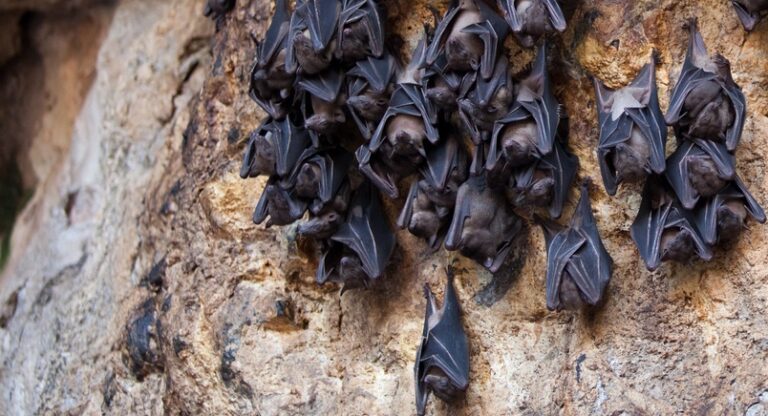
 Animals the world over are changing where they live as humans effect changes on the land. Beyond the bees (see what this market would look like without bees!), the latest decline to be noticed are fruit bats in Cyprus
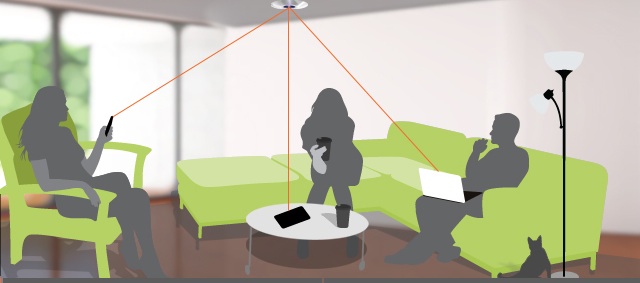
In a first of a kind device that will help us get rid of the tangle of cords: an Israeli company company called Wi-Charge says it can power up mobile devices through the air.
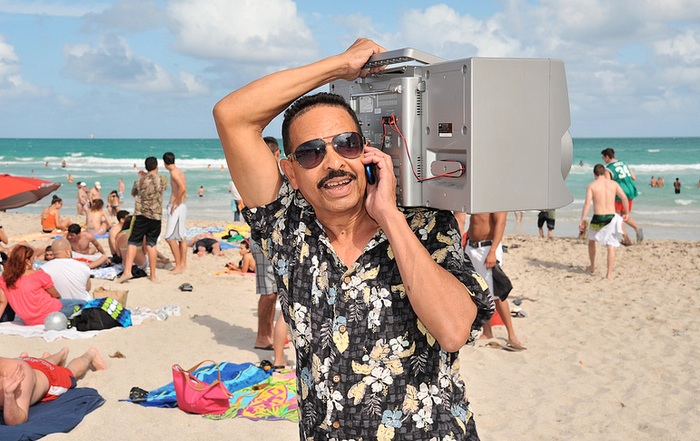
It’s an amazing way to democratize access to information and it means less headaches for tourists who don’t opt in to expensive data plans: the City of Tel Aviv-Jaffa has announced free WiFi hotspots throughout the city. On top of that and its rental bike program Tel-O-Fun, Tel Aviv is becoming a pretty cool city.
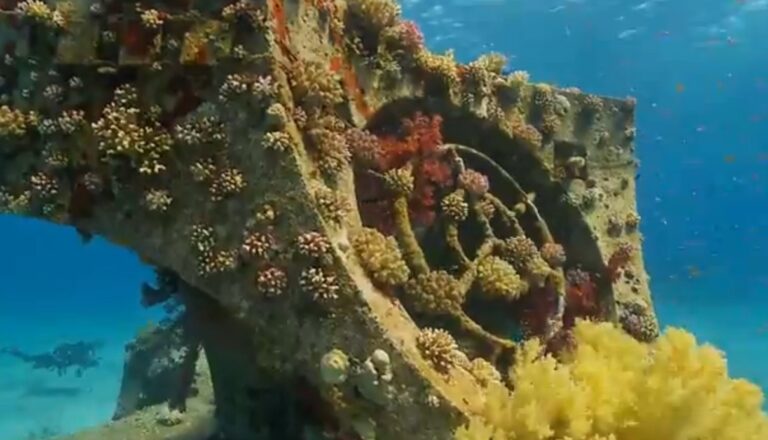
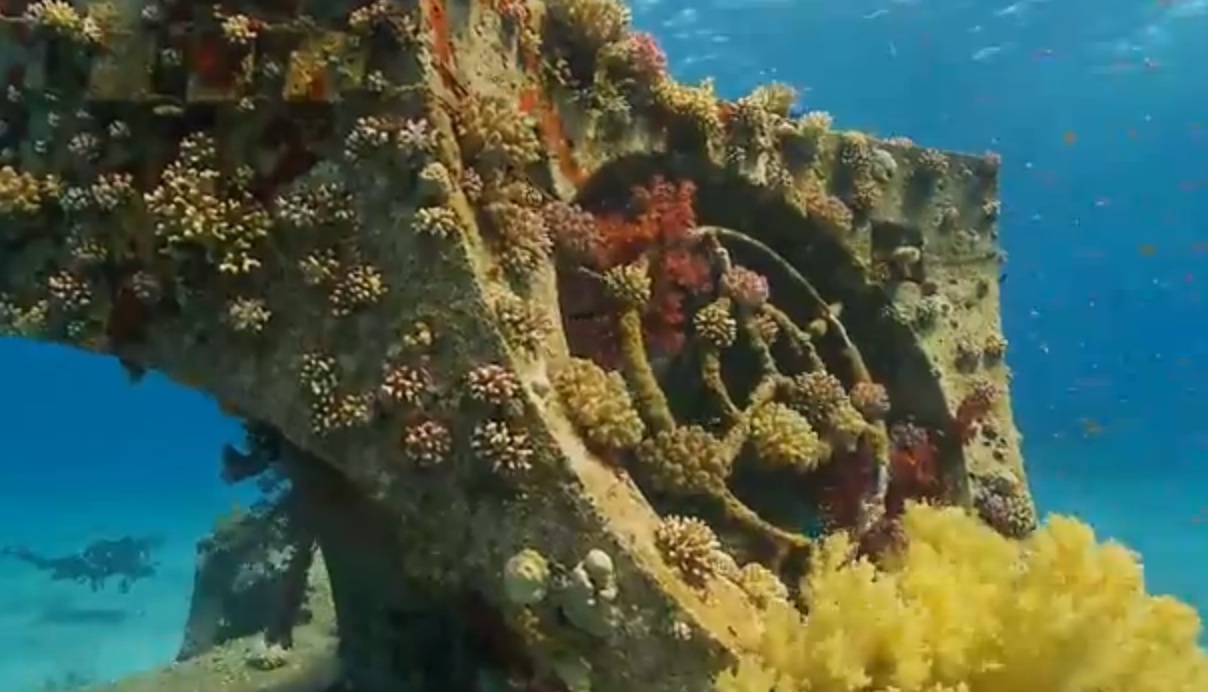
With news that Red Sea coral reefs on the coast of Israel may be resistant against the changes of climate change, some more positive “reef” news swings our way out of Israel
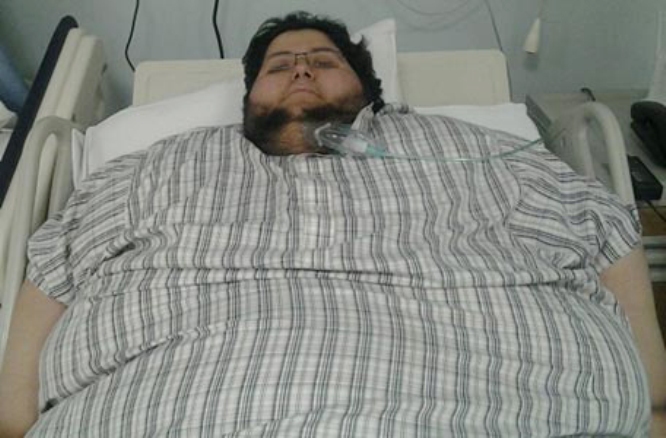
An 840 pound Saudi man died last week from complications associated with his weight and his passing is loudly being mourned online. Is it a sign of our digital times or a new awareness of the obesity epidemic in the Middle East?
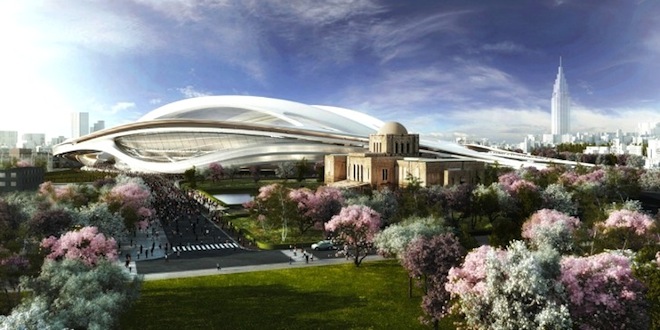
Japan has won the bid to host the 2020 Olympic Games in Tokyo and Zaha Hadid has been picked to retrofit its National Stadium. First designed for the 1964 Summer Games, this new stadium boasts a few green credentials.
Iraqi architect Zaha Hadid has never shown a great deal of interest in designing healthy green buildings, but she has incorporated a few meaningful eco features in her design for what will become the Tokyo National Olympic Stadium.
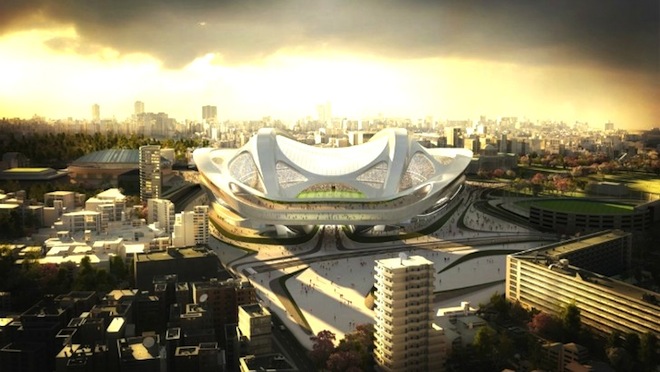
In addition to using geothermal energy, the new building will be cooled using recycled rainwater. Additionally, the stadium’s grey water will be reused – either for plumbing or landscaping. As yet, there has been little mention of what kind of materials will be used for construction or where they will be sourced, but at least Zaha is making some kind of effort to soften her enormous ecological footprint.
The Sports Council is enamored with Hadid’s design – despite complaints that her Aquatic Center built for the London Games was so large that the spectators may as well have watched swimming events at home, so invisible were the athletes from the seats.
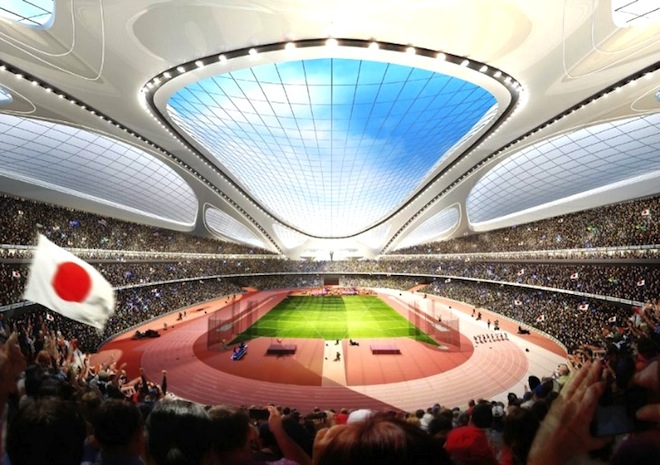
Equipped with a sliding roof, the Tokyo National Olympic Stadium has a flexible design that will ensure that the building will not be obsolete when the international sporting event comes to a close. Indeed, this is part of the reason the judges chose her brief above ten other competitors.
They noted, according to Atlantic Cities, its “innovative and fluid design that expresses a sense of dynamism appropriate for sporting activities.”
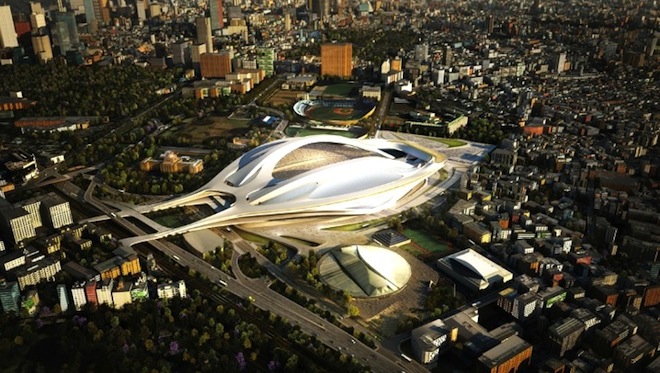
In addition to serving the Olympic Games, the stadium should be ready in time for the 2019 Rugby World Cup.
Zaha Hadid’s studio has been cleaning up with design competitions of late – even adding a touch of star power to the controversial 2022 World Cup in Qatar.
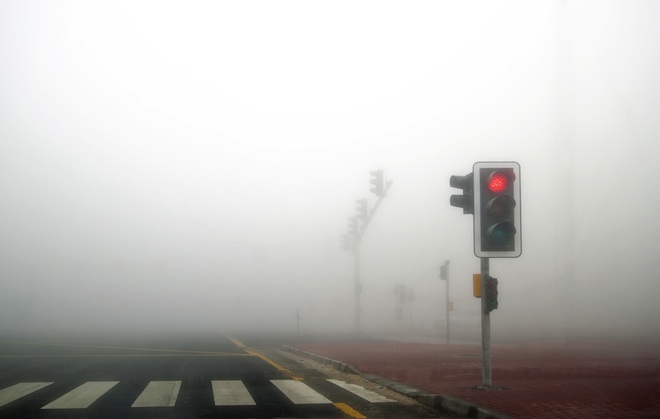
Gulf countries like Abu Dhabi may lack freshwater resources, but they also have a lot of humidity. MIT’s new super efficient fog harvesting material could help countries with climates like this capture that moisture for drinking water.
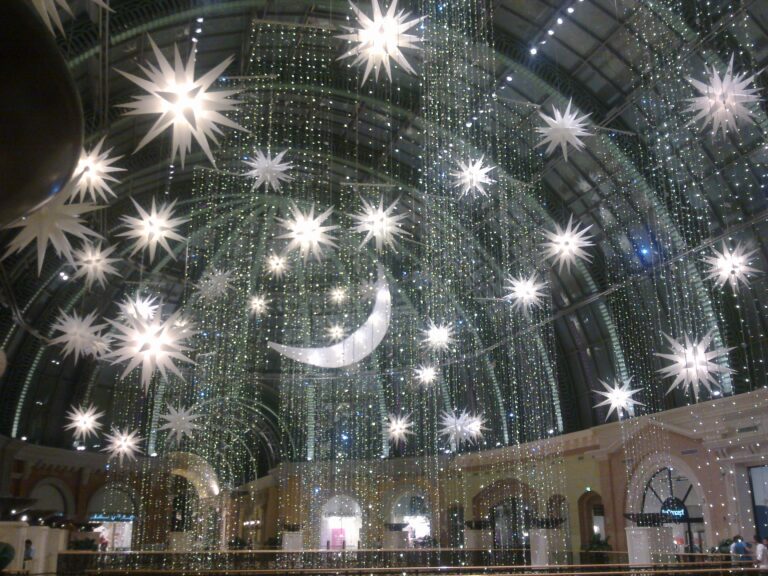
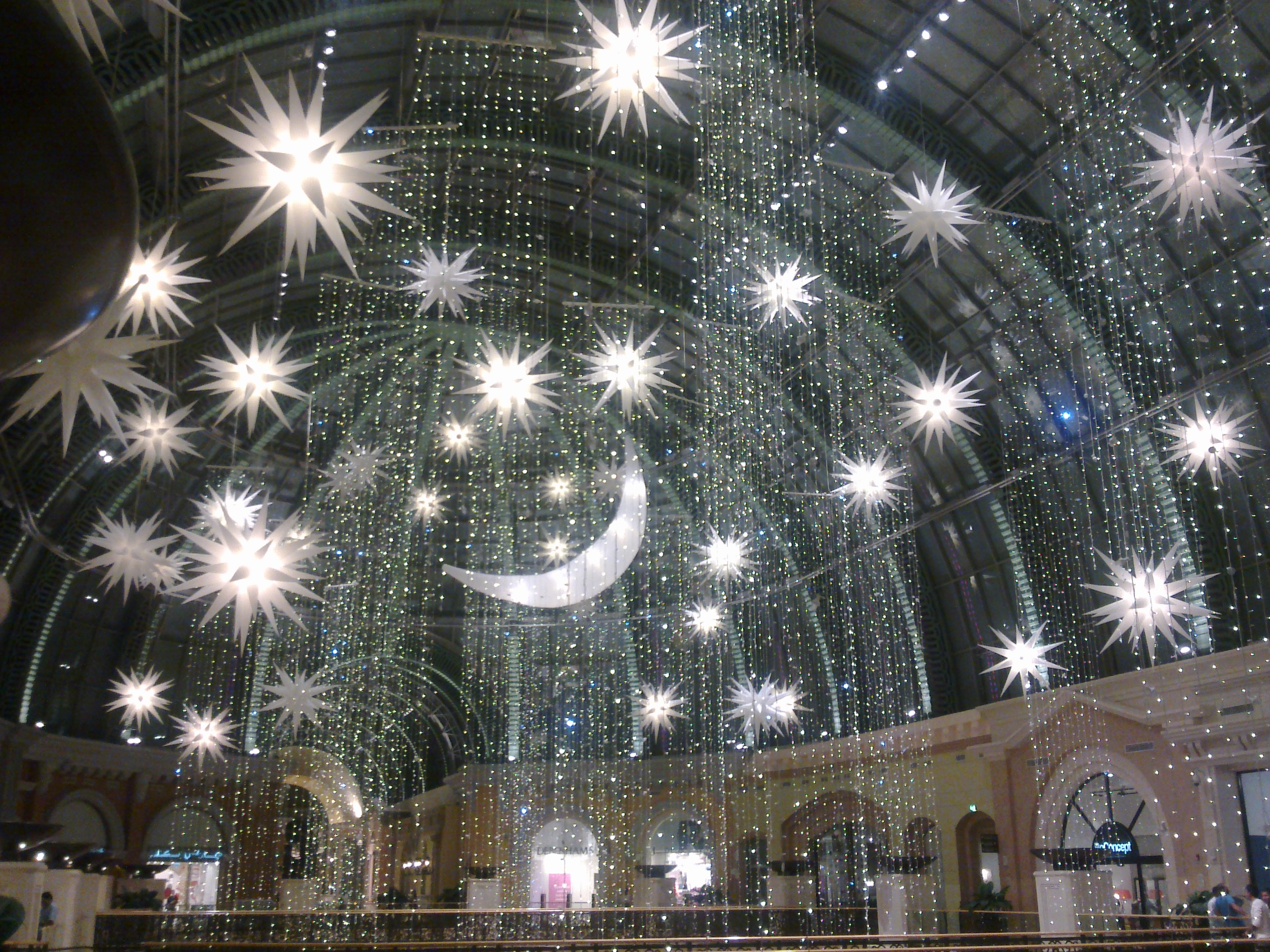 Recognizing our likenesses even in superficial traditions can chip away at the sense of “otherness” that prevents connection. With Syria on the brink, will anyone dispute that the West and the Middle East need better connection?
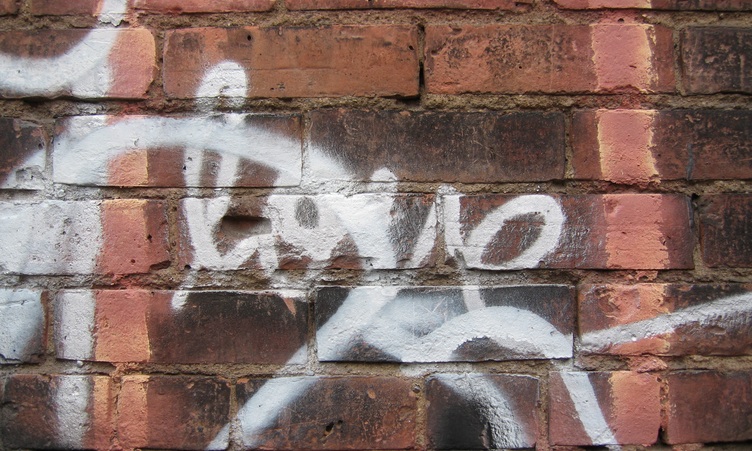
By the time a patient notices the symptoms, treatment options against the progression of Parkinson’s is limited. While some of us might rather live on in ignorant bliss until the disease hits us in the face in older age, a new tool from the University of Haifa finds that with Parkinson’s, the writing is on the wall: the disease can be detected much earlier, through a person’s handwriting.
A more recent study from Hebrew University says constipation might be a more reliable cue, and it can be a symptom appearing 20 years before the disease shows its face.
Some scientists already figure that the high incidence of Parkinson’s in some Middle East communities is due to pesticides, and that artificial sweeteners may hold promise for a treatment. But earlier diagnoses for earlier intervention?
The University and nearby Rambam Hospital in Haifa, Israel compared the writing process of 40 sick and healthy subjects and now suggests their method as “an innovative and noninvasive method of diagnosing Parkinson’s at a fairly early stage,” they write.
Today Parkinson’s disease is determined by the diagnostic ability of the physician, who can generally identify the clinical symptoms only when the disease is at a relatively advanced stage.
They use a physical evaluation or a test called SPECT, which uses radioactive material to image the brain. The latter, however, is no more effective in diagnosing the illness than an expert doctor and it exposes the patient to unnecessary radiation exposure. We don’t want that!
Studies from recent years show that there are unique and distinctive differences between the handwriting of patients with Parkinson’s disease and that of healthy people. However, most studies that were conducted to date have focused on handwriting focused on motor skills, such as the drawing of spirals, and not on writing that involves cognitive abilities, such as signing a check.
According to Prof. Sara Rosenblum from Haifa University, Parkinson’s patients report feeling a change in their cognitive abilities before detecting a change in their motor abilities and therefore a test of cognitive impairment like the one performed in this study could attest to the presence of the disease and offer a way to diagnose it earlier.
In the study, the researchers asked the subjects to write their names and gave them addresses to copy, two everyday tasks that require cognitive abilities. Participants were 40 adults with at least 12 years of schooling, half healthy and half known to be in the early stages of Parkinson’s disease (before obvious motor signs are visible).
The writing was done on a regular piece of paper that was placed on electronic tablet, using a special pen with pressure-sensitive sensors operated by the pen when it hit the writing surface. A computerized analysis of the results compared a number of parameters: writing form (length, width and height of the letters), time required, and the pressure exerted on the surface while performing the assignment.
Analysis of the results showed significant differences between the patients and the healthy group, and all subjects, except one, had their status correctly diagnosed (97.5% accuracy). The Parkinson’s disease patients wrote smaller letters (“micrograph”), exerted less pressure on the writing surface, and took more time to complete the task.
According to Prof. Rosenblum a particularly noticeable difference was the length of time the pen was in the air between the writing of each letter and each word.
“This finding is particularly important because while the patient holds the pen in the air, his mind is planning his next action in the writing process, and the need for more time reflects the subject’s reduced cognitive ability. Changes in handwriting can occur years before a clinical diagnosis and therefore can be an early signal of the approaching disease,” Prof. Sara Rosenblum, one of the researchers said.
This new advance is one more reason to keep cursive in school, even as more and more schoolchildren use the tablet or computer to write. And linked with a tablet is another way of providing remote medicine to people in disadvantaged and remote communities. We see a new Kickstarter campaign for someone to start. Anyone?

In London last week, a parabolic “death ray” of sunshine reflected off the city’s newest skyscraper burning cars and singing carpets in adjacent street level shops. It’s a cautionary tale for glass-clad towers in sun-intense Middle East, where robust assessment of a building’s impact on its environment is largely optional.
This structure at 20 Fenchurch Street, designed by New York-based Rafael Vinoly, was due to open next March, but London’s record-breaking summer weather has exposed a show-stopping design flaw.
The glare appears to be the result of a “value-engineering” exercise during construction that eliminated a feature from Vinoly’s original design. According to The Independent, narrow horizontal balconies were intended to act as sunscreens to mitigate glare, but they were deleted as part of a cost-cutting exercise.
Reflected sunlight raised temperatures to 158 °F; the landing points of these solar beams burnt past America’s Death Valley as the hottest-ever temperatures reported on Earth. Eyewitness John Sawyer told IBTimesUK, “We actually saw bike saddles melting directly opposite the building.”
Police have restricted area parking and a temporary street level scaffold has been erected to protect pedestrians. The glare is likely to remain for another month, at which point it’ll disappear as the solar angle shifts.
Tagged as the “Walkie-Talkie”, the tower is also being called the world’s first “fry-scraper”, but is it? There’s actually a growing catalog of modern buildings that act as architectural lasers.
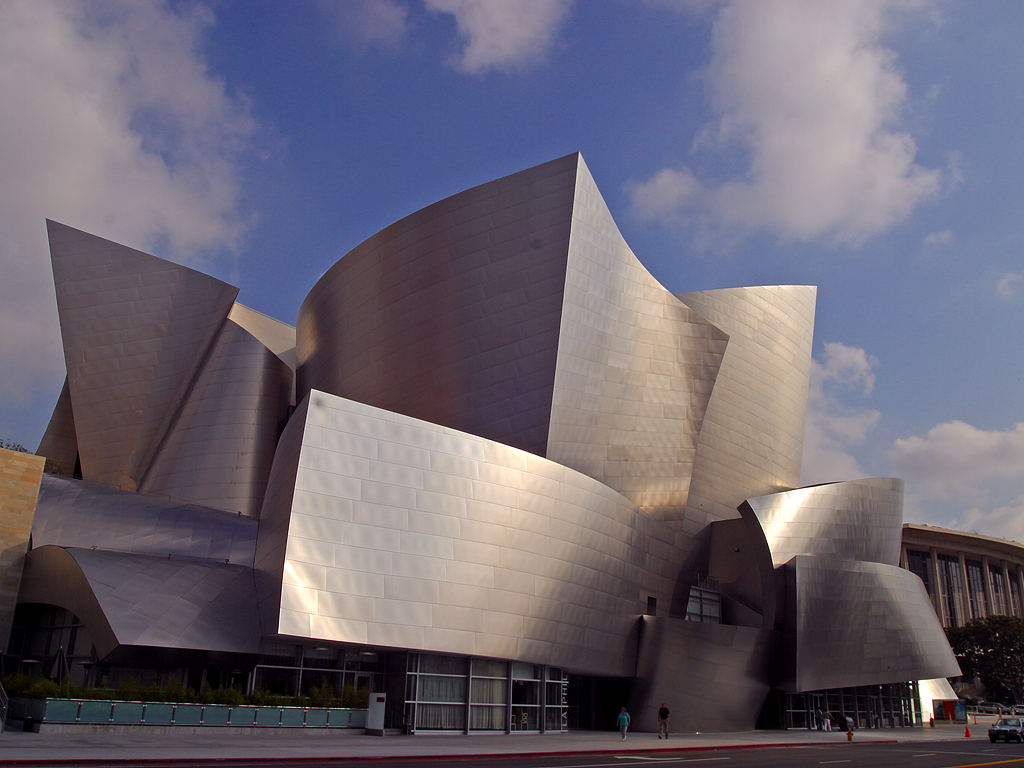 In 2004, Frank Gehry’s Walt Disney Concert Hall in Los Angeles made headlines when adjacent condo owners reported home temperature increases up to 15 °F due to sunlight reflecting off its polished metal cladding. The reflections were amplified by the concave shape of some of the exterior walls.
“You couldn’t even see and the furniture would get really hot,” resident Jacqueline Lagrone told the LA Times.
“You’d have to literally close the drapes and you’d still feel warmth in the house.” Blinding sunlight bouncing off the mirror-like surfaces also increased the risk of area traffic accidents. Building surfaces underwent computer analysis, and the offending surfaces were dulled by nearly $1 million of post-construction sanding, resolving the glare.
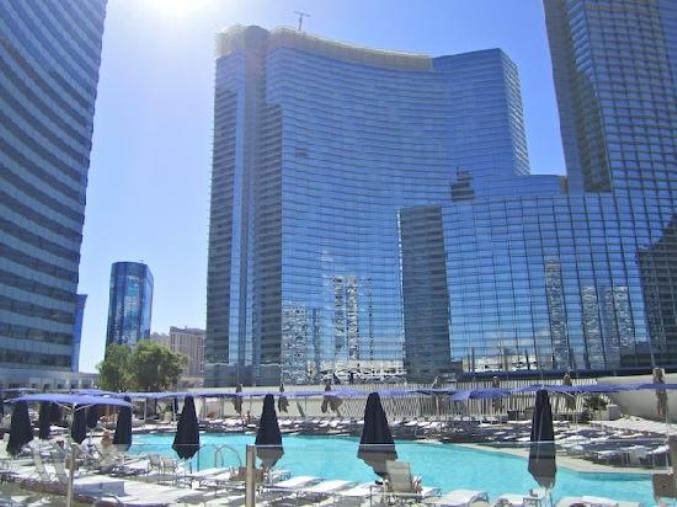 In 2010, the hotel Vidara near Las Vegas was found to beam a “solar death ray” at its swimming pool. Pool toys melted and guests reported intense sunburns. “I’m sitting there in the chair and all of the sudden my hair and the top of my head are burning,” reported one. The glare reportedly raised the temperature more than 20°F on intensely sunny days.
The windows of the hotel, also designed by the Walkie-Talkie’s Vinoly, had been treated to minimize reflection, and nonreflective film was added after the problem was discovered, but it proved insufficient to deal with the desert sun. The hotel eventually erected a sail-like shade over the seared remains of the pool.
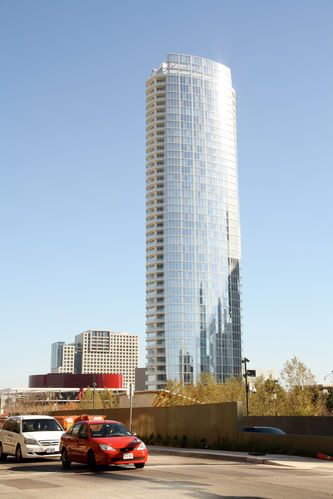 And this year in Dallas, glare from the newly opened 42-story Museum Tower condominium wreaked havoc at the adjacent to Nasher Museum. According to the museum, glare from the condominium, designed by California architect Scott Johnson, distorts the viewing experience and damages art. It raises temperatures around the museum as much as 40 °F, killing off the bamboo gardens surrounding the facility and altering the precise natural daylighting conditions inside the galleries.
If such serious design gaffs can occur in countries with established building codes, what’s the probability that skycrapers going up in developing nations will troubleshoot environmental impacts in advance of actual work? It could be that omnipresent air conditioning and tinted glass delays detection of increased heat and glare in Jeddah and Dubai. And as the Museum Tower proves, simple glass curtain wall can be a lethal as polished metal cladding.
Designer of the shimmering shards growing in Saudi and the UAE would be wise to consider this collateral damage as part of initial planning, or they too will be frying eggs on the sidewalk.
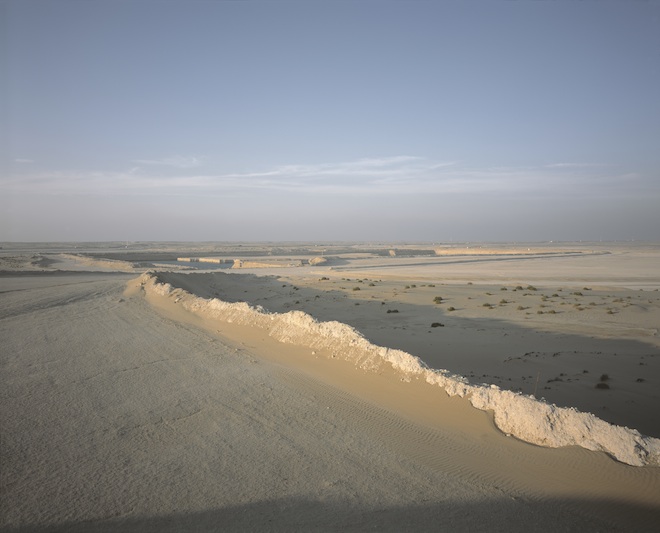
In my last post I featured a photograph of an unused structure out in the desert near Dubai, a concrete amphitheatre. It turns out there was more to explore.
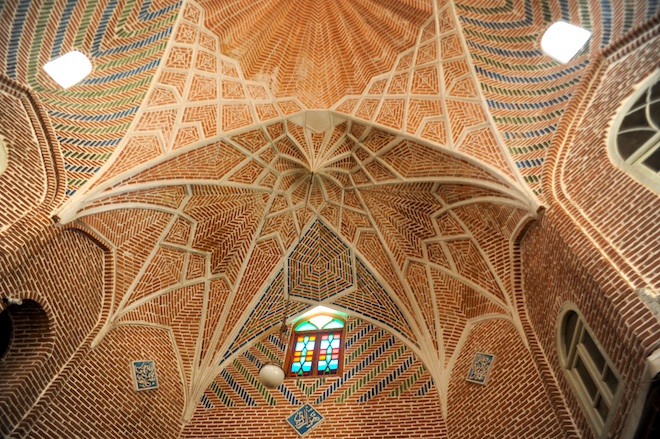
President of Portugal Aníbal Cavaco Silva and the Aga Khan presented this year’s Aga Khan Awards for Architecture at the Castle of São Jorge in Lisbon on Friday.
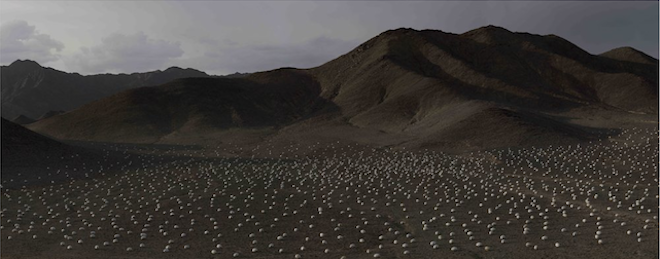
There is something so haunting about desert landscapes, and much as we love our own in the Middle East region, we are blown away by China’s desert scenes depicted through Shi Shaoping’s “The Eggs” art installation.

Have news to share? Renewable energy news, architectural, artificial intelligence, biotech, sustainable design ideas, eco-architecture, green travel?
Email us: [email protected]
Get important news delivered directly to your inbox and stay connected!
© 2007 to 2026 Green Prophet, All Rights Reserved