

Dream of fresh organic food? Have little land in your town or city but plenty of patience? There is a new city gardening movement called aquaponics or AP. The movement is creating missionaries, new converts and maybe even some gurus, but there are also real people doing it in backyards, parks, basements or a garage near you.
Water Farmers get fresh with aquaponics for food in Toronto

Create an ocean water health sensor and win $2 million
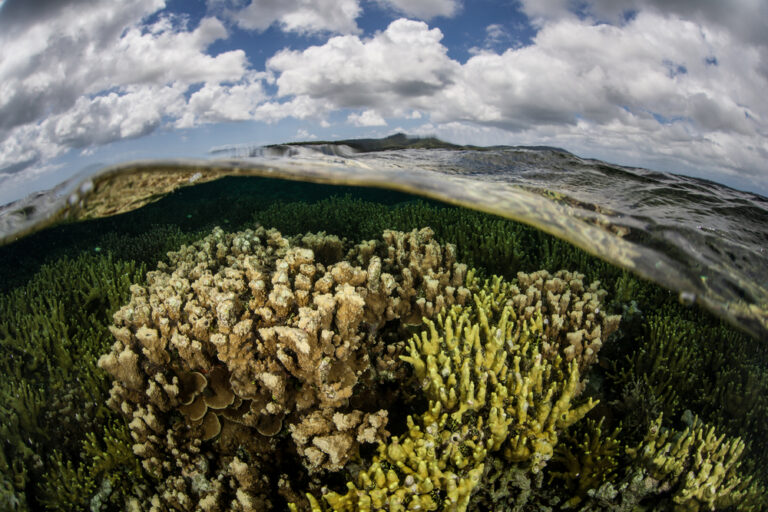
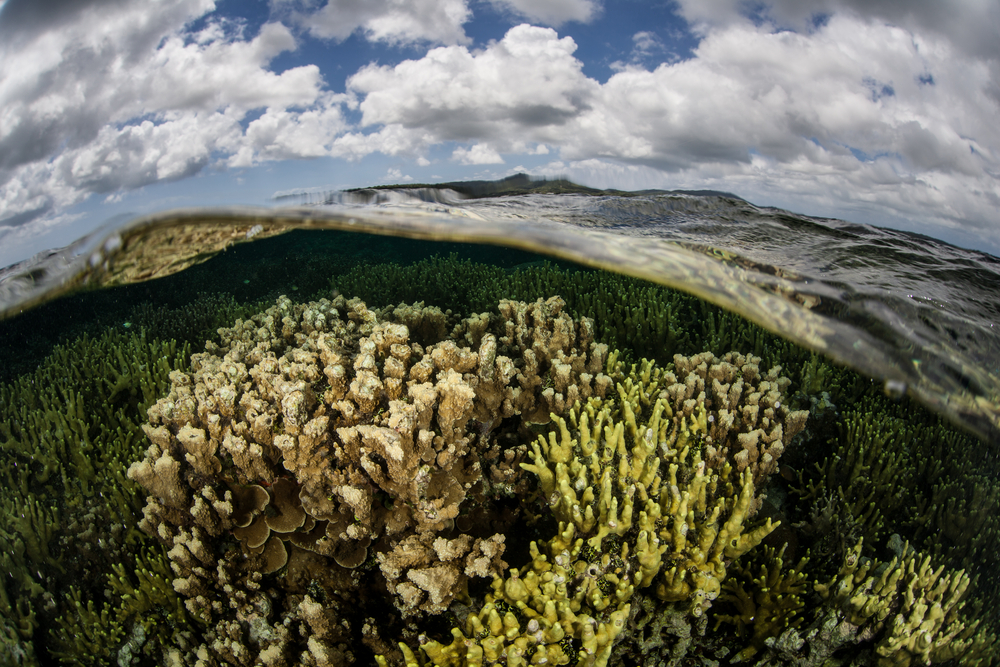 Ocean acidification has reached record levels, so the deep-pocketed Board of XPRIZE are at it again – using “incentivization” to spark technological breakthroughs to “benefit humanity”. They’re holding out a pair of $1 million carrots to tempt everyone to conjure up a better sensor to measure ocean acidification – a malady caused by our continual pumping of carbon dioxide into the atmosphere.
A quarter of all that gas gets absorbed by the oceans, changing the water chemistry – making it more acidic, with dire consequences.
“A good number of ocean scientists say ocean acidification is the biggest threat to ocean health,” Paul Bunje, the lead scientist behind the ocean health prize, told Live Science. It threatens aquatic ecosystems, in turn harming sea-life. Seem a far-away problem? Consider the knock-on impact to our bellies and wallets, as acidification destroys fisheries and tourism sites that depend on thriving marine ecosystems.
Technology for gauging acidification is inadequate or expensive. “Because of the under-investment in ocean science and research, there aren’t enough tools present to measure what’s happening in the sea,” said Bunje. “We’ve mapped the dark side of the moon and Mars to higher resolution than the bottom of the ocean.”
Enter the folks at XPRIZE. Last September they launched the Wendy Schmidt Ocean Health XPrize to incite development of either the most accurate or the most affordable ocean pH sensors. Anyone can compete, and teams or individuals can register for the competition until June 30.
The competition has three phases. In September, teams will be allowed three months to lab-test their devices. In February, trials will be held at the Seattle Aquarium in Washington state.
Finally, in spring 2015, finalists will test their devices off the coast of Hawaii, at depths of nearly 10,000 feet – 50% deeper than any pH sensor has ever been tested.
Seventy teams from 19 countries have registered so far, ranging from academics, commercial enterprise, home tinkerers and high school clubs. You still have time to get in on the action!
XPRIZE is an innovation engine led by visionaries that include Elon Musk, James Cameron, Larry Page, Arianna Huffington, and Ratan Tata. Founded in 1996 by entrepreneur Peter Diamandis, this non-profit conducts public competitions to encourage technological development for the good of the planet.
According to their website, they believe that tapping into the “indomitable spirit of competition brings about breakthroughs and solutions that once seemed unimaginable.”
Rather than throwing money at a problem, they incentivize solutions and challenge the world to solve it. Contest themes are audacious but achievable, and tied to measurable goals.
An earlier X Challenge, prompted by the 2010 BP oil disaster in the Gulf of Mexico, was a $1.4 million competition to develop better technology for cleaning up oil spills. The winning team developed a solution that was four times better than the industry standard, Bunje said. They plan on launching more competitions focused on ocean health.
“By 2020, we could move away from an unhealthy state and be on an unstoppable path to healthy oceans,” Bunje said.
Israeli tech brings wireless phone charging to Starbucks

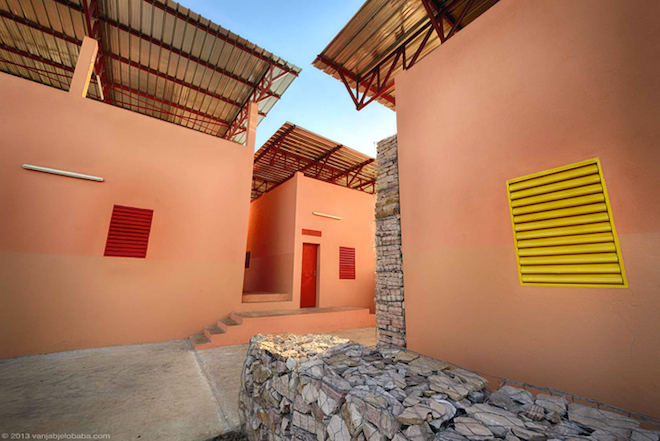
Starbucks recently announced a plan to rollout access to wireless charging technology developed by Israel’s Powermat — in all stores across the United States.
A shipping container village to rescue “shooting” city
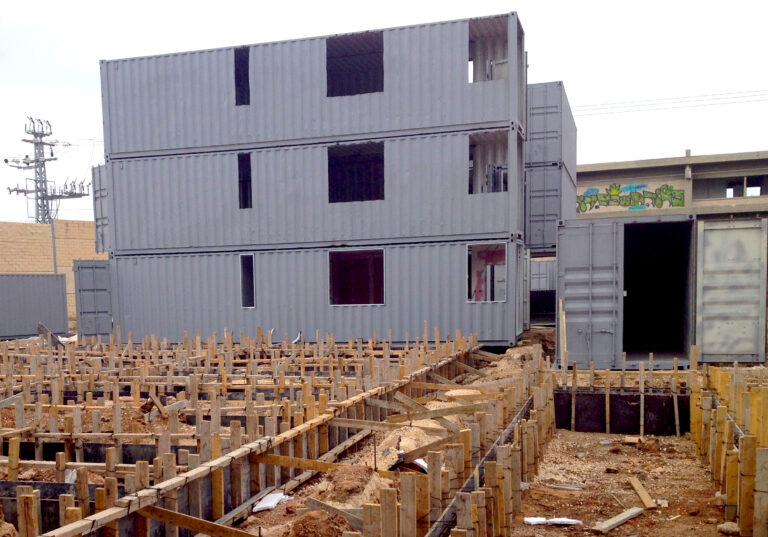
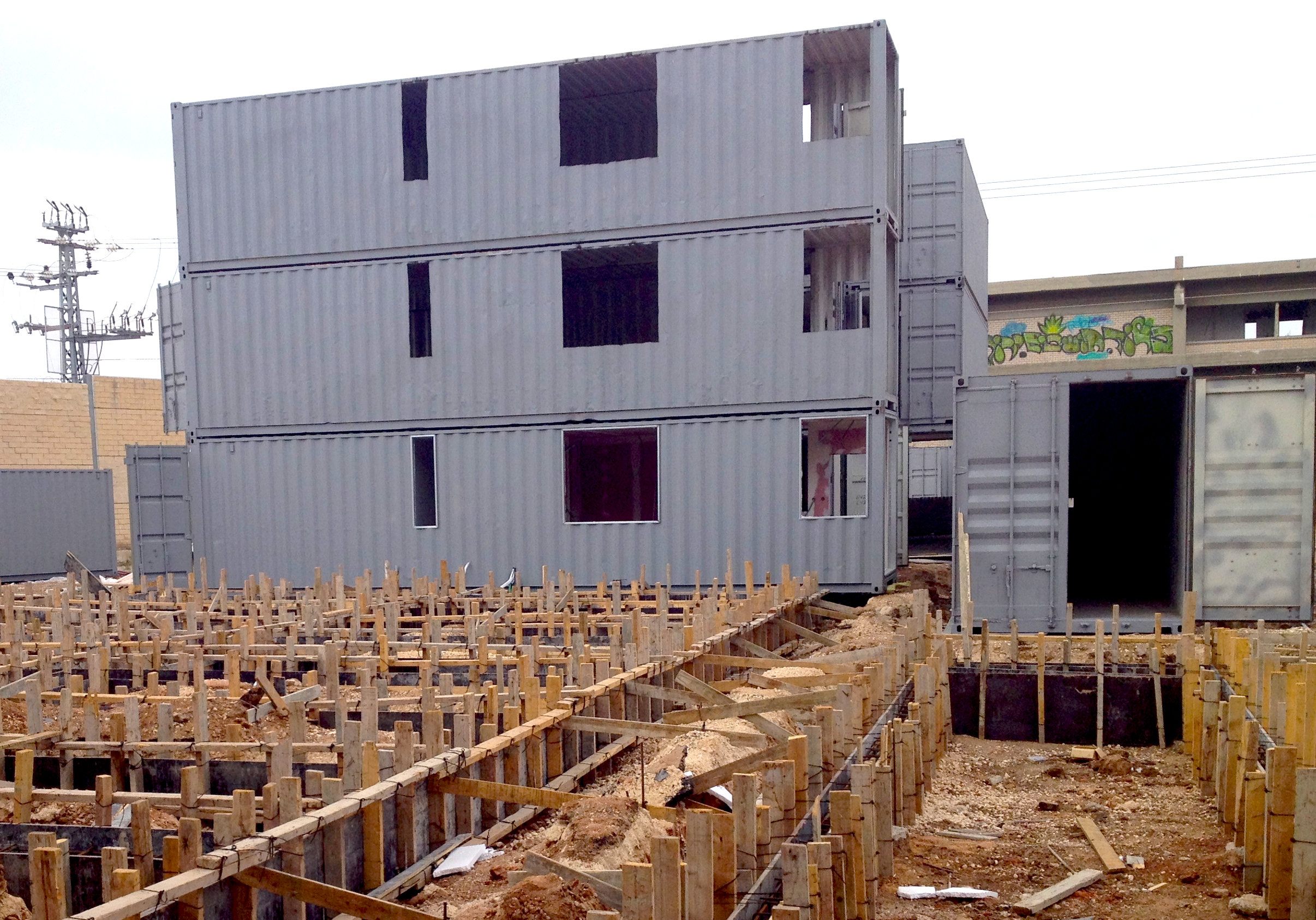 As part of an effort to rescue certain Israeli cities from urban decay, the Ayalim Association has built a series of ‘student villages’ throughout the country. The latest in the hard-scrabble city of Lod, not far from Israel’s interntional airport, has been constructed out of recycled shipping containers, and will be inaugurated on 8 July, 2014.
Israeli cities suck for air
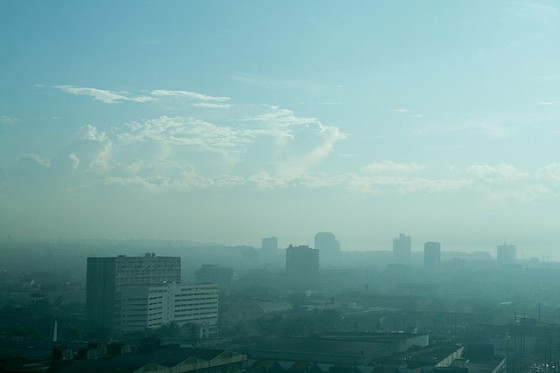
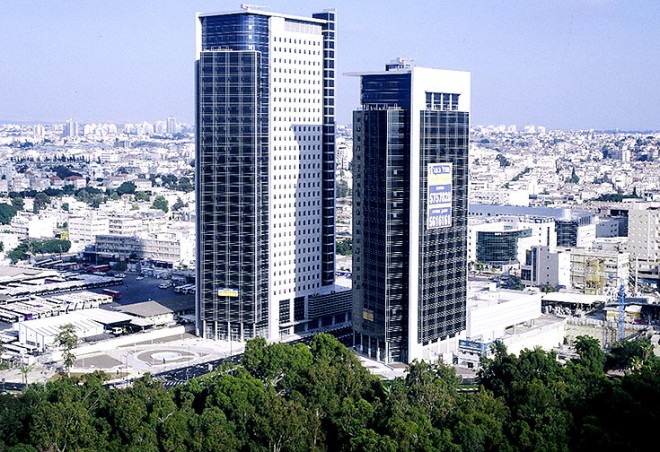
How green are Israeli cities, really? This question might be asked by many; especially in light of its largest city, Tel Aviv (see photo), becoming so polluted that a tiny electric vehicle rental program is being tried out in an effort to reduce air pollution. Ground water in Tel Aviv and other parts of the country is polluted as well.
40 Iranian hunters make very public stunt over giving up their guns

A local Iranian activist group Tavana is reporting that 40 notorious hunters from Iran have publicly given up the hunt. The stunning display of “gun bashing” Middle East style was caught on TV.
Strandbeest: beach-blown plastics that have a life of their own
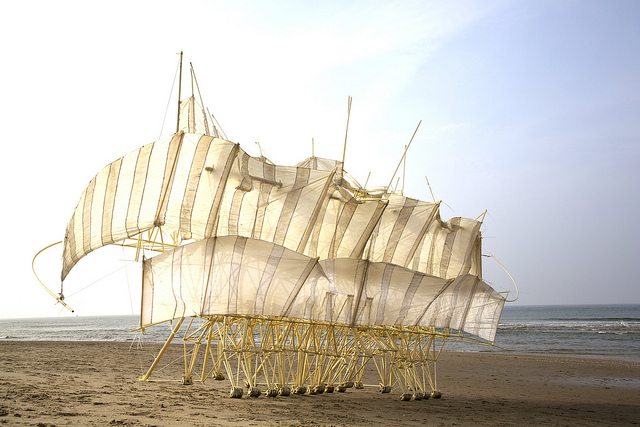
Theo Jansen transforms plastic bottles and conduit into skeletal frames – complete with movable joints, wings, and bellies – that are able to walk powered only by wind.
This modern-day Frankenstein has toiled for decades to create life from the inanimate; he sources his materials from building supply stores and recycling depots, not graveyards.
Jansen’s critters have no productive function, they simply are. A philosophical question arises from his melding of art and technology: why is aimless existence oddly unsettling?
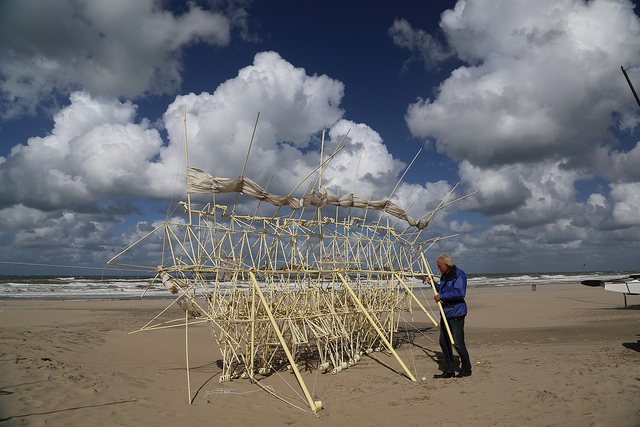 Since 1990, Jansen has been building his “strandbeests” using inexpensive plastic tubing. His first prototypes of wind-walkers have evolved into a pack of artificially intelligent machines that can respond to their natural habitat.
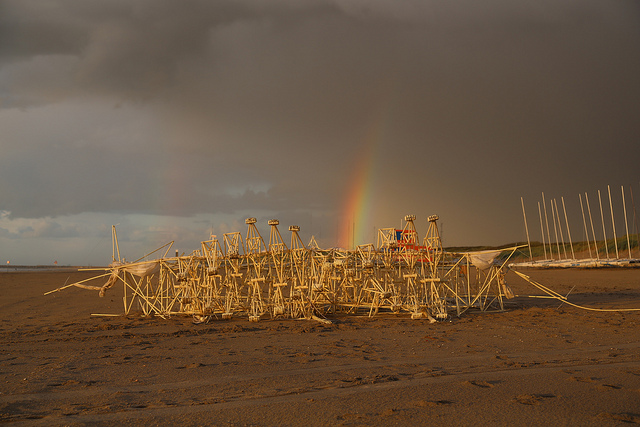 Over the decades, the designs have better adapted to their beachfront environment, able to survive storms and “sense” tidal changes. His machines react to the changing weather and control their own movements.They have jointed legs, which are more efficient than wheels when traversing sandy plains. They’ve developed new appendages to better harness the wind; first using simple sails to power the critters along the beachfront, next using rotating wings, now using recycled plastic bottle “stomachs” to store energy (in the form of air pressure) for days when breezes are scarce.
Speaking in a BMW television commercial, Jansen (he was formally trained as a physicist) said, “The walls between art and engineering exist only in our minds.”

YouTube features video of Jansen making strandbeests, and also clips of the fully-formed figures in action on a beach near his home in Delft. (Most cameo the inventor and his sidekick white pup.)
Could these animals be domesticated? Not as pets (too enormous for human companionship – plus they could never be house-trained) – but possibly as working animals? Re-jigger them to sweep up litter from Abu Dhabi’s and Doha’s Corniche; or pop on some solar collectors so they can act as charging stations for all the tech in our Red Sea/Dead Sea beach bags.
Maybe allow these self-propelling beach critters to become part of the natural order, and quietly enjoy their presence. Their creepiness subsides. The graceful motion and quietude mesmerizes. Ever see a plastic bag dance quietly in a gust of wind? It’s magic when the weird becomes wonderful.
Meat laundering, Middle East style
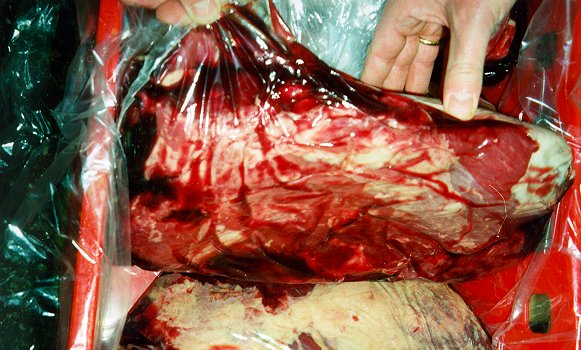
Israel’s dubious meat industry gets more sickening: we’ve already covered exposes of poultry fed with feces and pumped with toxic contaminants. Now it’s all about beef and how it’s frozen, treated laundry style and then resold as fresh.
Massive solar panel factory opens in Qatar, long overdue
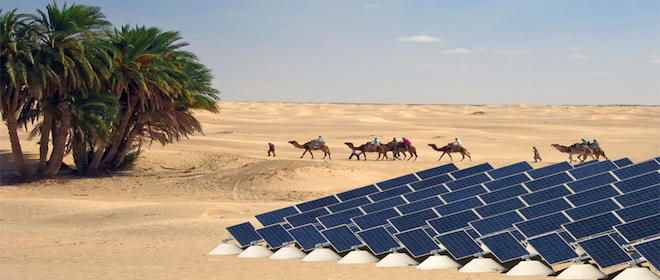
Qatar Solar Energy has unveiled a massive factory that will produce high quality solar panels that make the most of the desert sun, a boon not just for the emirate, but potentially for the entire Middle East.
Asbestos fire survival guide
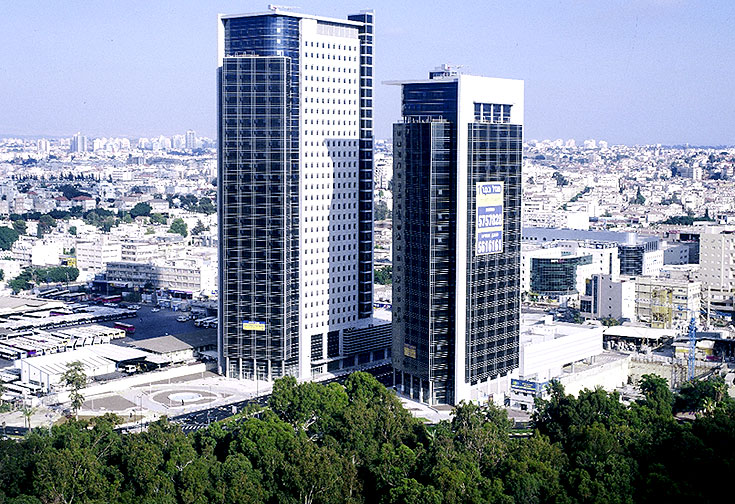
An important business community in Bnei Brak (Ramat Gan) outside of Tel Aviv has been made toxic by an asbestos fire that broke out last Wednesday. The asbestos fire, which ended up smouldering for days, took place in a one-story building with an asbestos roof that was used to store tires, clothing and electric bicycles.
Dual gender creatures in nature makes us think twice about gender bending

 Listen up class. There’s a mind-blowing biological anomaly called bilateral gynandromorphism, a condition where an animal or insect contains both male and female characteristics, evenly split smack down the middle. The end result is a creature that is literally half male and half female. It’s rare and most frequently spotted in birds, insects and crustaceans.



Gorgeous geodesic dome burned down for Las Fallas festival in Spain

The Castielfabib community of Valencia put on an especially exciting show during this year’s Las Fallas festival in Spain. An annual celebration that culminates on St. Joseph’s Day – (the patron saint of carpenters, of course), “The Fires” involves an entire community working together. And fire. Check out the geodesic dome that went up in flames.
Students tackle ‘space elevator’ design challenge in Israel
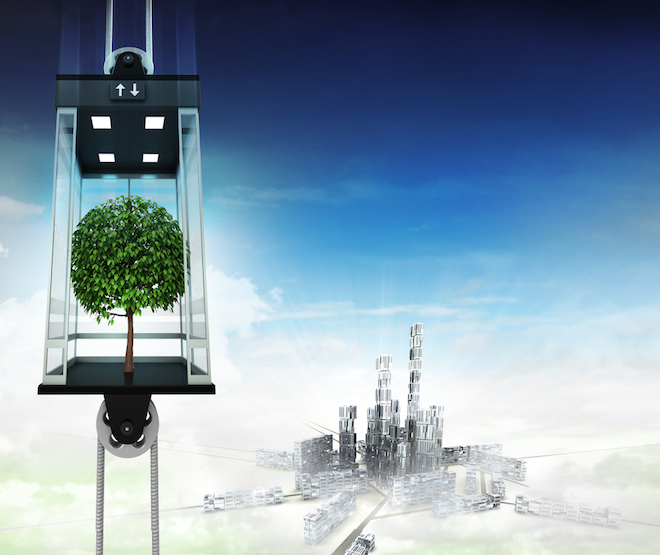
In 1895, Konstantin Tsiolkovsky proposed to build a space elevator that could reach from Earth into space; it never got off the ground, but in 1957 another Russian – Yuri Artsutanov – came up with a more plausible idea. It wasn’t built either, but now he has a chance to judge a team of Israeli students who are tackling the concept anew.
Related: Ride on Japan’s space elevator
Artsutanov proposed to build the space elevator from a geostationary satellite base. His would have been anchored to Earth with a cable and a counterweight that would have kept the cable’s center of gravity in sync with the satellite base. A simulation video is created by a Japanese company, Obayashi, below.
The engineer never did see his idea come to fruition, but now, more than half a century later, Artsutanov has the opportunity to judge a team of students at Israeli’s Technion Institute of Technology in Haifa, where the 12th annual Technobrain competition is taking place.
Tasked with building a device that will stand at an 80 degree angle to the ground and climb to a height of 82 feet, the students are not permitted to use any kind of open flame or combustible energy.
Related: Polluting the final frontier with space junk
“The challenge requires contestants to also slide down from this height while lifting a “space elevator” carrying practical cargo from the other side of the pulley,” according to Israel 21C.
The pulley represents the Space Station’s location, while the mission course is said to emulate the space elevator’s movement.
Taking place on 18 June, 2014, the competition will see three father and son teams – all graduates of Technion – try their hand at perfecting a concept that first originated over a century ago.
We look forward to learning about Artsutanov’s response to the student designs. Hopefully they will make him proud. At the very least, $1,440 and $865 in prizes for the winning designs are up for grabs.