The World Bank, the biggest provider of public finance to developing countries is not gambling on our future! It has just earmarked 28% of its 2016 budget for projects that mitigate climate change, according to a statement released on Thursday. All of its future spending will take global warming into account, and all projects considered for WBG funding, including health and education, will now be screened for climate change resiliency. Refocusing investment towards green initiatives represents a significant adjustment to its overarching mandate to reduce global poverty.
John Roome, World Bank senior director for climate change, said in a statement, “This is a fundamental shift for the World Bank. We are putting climate change into our DNA.”
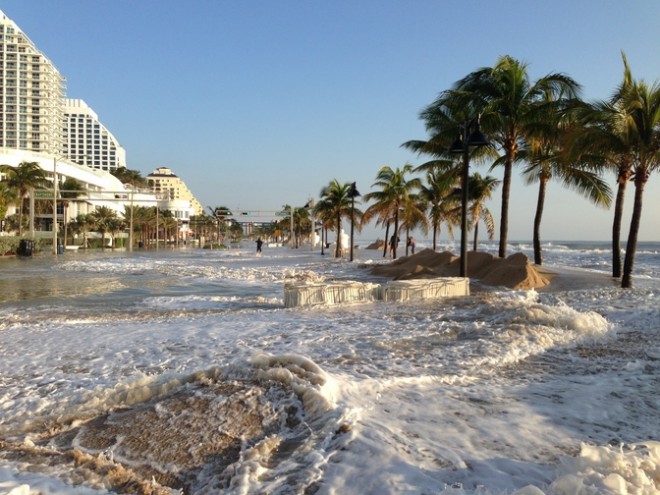
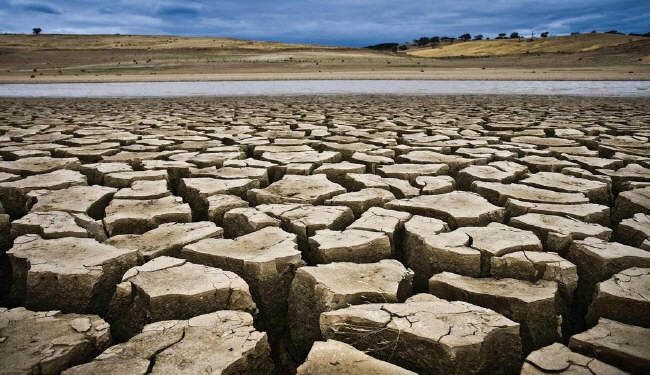
Climate related disasters such as food insecurity and drought could to push another 100 million people into poverty within the next 15 years.
Last December, the Paris Conference of Parties (aka COP 21), agreed that wealthy nations would fund developing countries involved in the pact with $100 billion USD per year by 2020. The United Nations Framework Convention on Climate Change website states that funding could come from bilateral or multilateral, public or private sources, including creative financing (such as France’s contribution to the financial transaction tax). Public financing was equally flexible, and could take the form of multilateral funds such as the Green Climate Fund; regional institutions such as the World Bank; and government contributions.
“Following the Paris climate agreement, we must now take bold action to protect our planet for future generations,” said Jim Yong Kim, World Bank Group (WBG) president. “We are moving urgently to help countries make major transitions to increase sources of renewable energy, decrease high-carbon energy sources, develop green transport systems and build sustainable, livable cities for growing urban populations. Developing countries want our help to implement their national climate plans, and we’ll do all we can to help them.”
Beginning immediately, WBG will give at least $16 billion USD annually to be spent on a portfolio of climate change projects including renewable energy development to power 150 million homes; construction of early warning systems for climate-related disasters – think extreme storms and floods – for 100 million people; “smart” agriculture systems, which use less water and energy and keep soil fertility; development of transport and urban infrastructure that produce less carbon. It also aims to mobilize an extra $13 billion from private sector contributions by 2020.
More than 1 billion people still live in destitution. At the same time, inequality is rising in many developing nations. The World Bank works to galvanize international and national support around two goals: to almost end extreme poverty in a generation and to push for greater equity. Welcome them now to the fight against climate change.



 The weeks that girdled Christmas and New Year’s had me living like a fois gras goose, endlessly stuffed with food and drink as my family raced from Jordan to England to the US for clan-centric rituals ranging from a
 Zaha Hadid, the first female architect (and first Muslim) to win the prestigious Pritzker Prize, died yesterday in a Miami hospital after suffering a heart attack while being treated for bronchitis.
 United Nations-sponsored World Water Day was celebrated this week in a series of events around the world ranging from races to speeches to demonstrations of how individuals could conserve consumption of this most-critical of natural resources. To mark the occasion, two
  Since last September when the United Nations declared water as a sustainable development goal, a number of countries have intensified efforts to promote water cooperation with their neighboring countries. The Middle East is missing in this action.
 is an international citizen of the world. She was born in Hong Kong and grew up in Singapore, Switzerland, New York, and Tel Aviv.








 Just in time for St. Paddy’s Day, scientists from Dublin and Belfast have evidence that stone age Irish settlers had genetic origins in the Middle East. Thank the Vikings for the DNA that gave rise to red hair and freckles, introduced when they invaded the island nation at the end of the eighth century. But dial back 6,000 years, and discover genes for dark eyes and raven tresses that trace to the