Home Blog Page 245

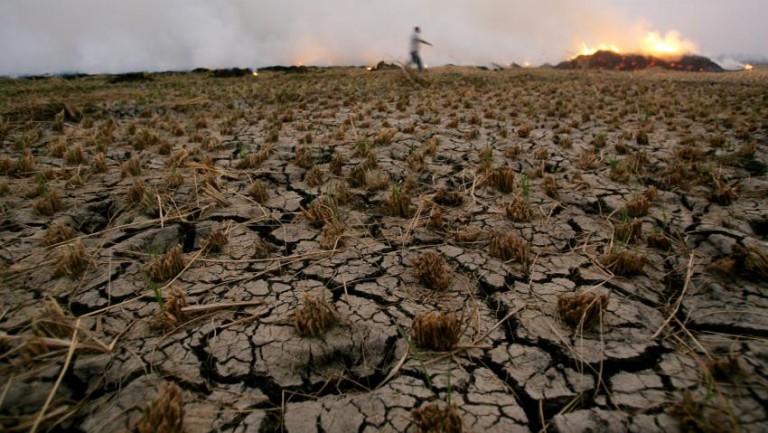
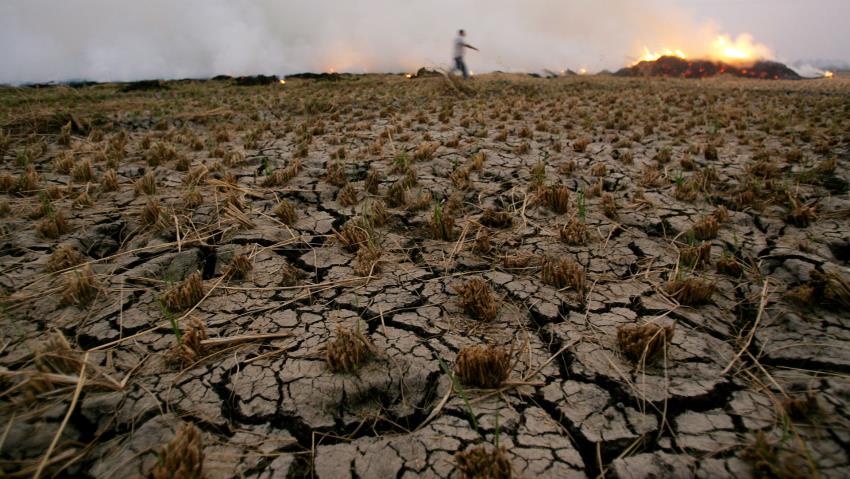
جفاف الشرق الأوسط هو الأسوء منذ 900 سنة: وكالة ناسا

worst drought in 900 years

خلُصت دراسة أجرتها وكالة ناسا الأمريكية مؤخرا إلى أن الجفاف الذي يجتاح بلاد حوض المتوسط الشرقي منذ العام 1998 هو الأسوء منذ العام 1100. و اعتمد العلماء في ناسا على دراسة عينات حية و غير حية من حلقات جذوع الأشجار، مأخوذة من عدة دول على حوض المتوسط و ذلك لتحديد أنماط السنوات الماطرة و الجافة على مدى 900 سنة خلت. و تعتبر جذوع الأشجار مؤشرا جيدا على نسبة هطول الأمطار في منطقة ما، حيث تشير الحلقات النحيلة إلى نسبة مياه قليلة في النظام البيئي المجاور، و العكس صحيح بالنسبة للحلقات الأكثر سُمكا. و خلُصت الدراسة إلى أن الفترة الزمنية ما بين العام 1998 و 2012 كانت الأكثر جفافا مقارنة بباقي الفترات، و على أن الجفاف كان نتاجا للأثر البشري على الطبيعة

و قال عالم تغيير المناخ في ناسا بن كوك أن المظاهر الجوية لمنطقة شرق حوض المتوسط شهدت مجالا واسعا من التغييرات على طول الألفية الماضية، و لكن السنوات العشرين الأخيرة تعتبر الأكثر تطرفا في تلك المظاهر، و التي كان التغيير فيها خارج نطاق المألوف طبيعيا. و كشفت الدراسة أيضا على أن الجفاف غير محكوم بمنطقة معينة على الحوض، أي إن وقع الجفاف في منطقة ما فعلى الأغلب انتقاله إلى مناطق مجاورة بحكم انتشار شروط الجفاف. و علق عالم المناخ في جامعة أريزونا كيفن أنشوكايتيس على هذه الظاهرة قائلا أنها قد تسبب اضطرابا كبيرا في أنظمة تحصيل الغذاء، بالإضافة إلى نزاعات على موارد المياه

أنظمة الغذاء و موارد المياه – اضطرابات و نزاعات

و في المشرق العربي، كان الجفاف الحاصل بين العام 1998 و 2012 أكثر جفافا بنسبة 50 بالمئة من أكثر الفترات جفافا في ال500 سنة الماضية، و بنسبة 10 إلى 20 بالمئة من أكثر الفترات جفافا في ال900 سنة الماضية. و في نفس السياق، كشف باحثون في جامعة كولومبيا و جامعة كاليفورنيا الأمريكيتين بأن الجفاف الحاصل في بلاد الشام كان السبب في انهيار المنظومة الزراعية في سوريا، مما أدى إلى هجرة 1.5 مليون مزارع من الأرياف إلى المدن و زيادة الضغط على موارد المياه هناك. و كان النقص في المياه أحد الأسباب التي أدت بدورها إلى إحالة الأمور أكثر سوءا، مما عجل بالحرب التي دمرت البلد و ما زالت منذ العام 2011

و كشف الباحثون أيضا عن أنماط مناخية تساعدهم في تحديد الأسباب الكامنة وراء الجفاف، و عن إذا للأفعال البشرية أي يد في جعلها أسوء أثرا مقارنة بغيرها.  و قال كوك أن هذا البحث ساهم في تحسين النماذج الحاسوبية التي تحاكي أثر التغيير المناخي، و ساعدت في تأكيد دراسات أخرى للأثر البشري في افتعال حالات مناخية متطرفة

و تعتبر حركة الرياح و تفاعلها مع الحالات المائية في المحيطات أحد أهم المظاهر الكونية التي تؤثر بالجفاف و حدوثه. و في حالة حوض المتوسط، هنالك ظاهرتين رئسيستين تؤثرا في جفافه أو رطوبته، و هما تذبذب شمال الأطلسي و نمط شرق الأطلسي. تعمل هاتين الظاهرتين على مراحل دورية من شأنها إبعاد العواصف الماطرة عن البحر الأبيض المتوسط و جلب هواءا أكثر سخونة و جفافا إلى حوضه. و بطبيعة الحال، تقل نسبة هطول الأمطال و تزداد درجات الحرارة في تلك المناطق، مسببة بذلك بتبخر مياه التربة و حدوث الجفاف. و في هذا الصدد، قال عالم المناخ في مركز لامونت دوهرتي للمراصد الأرضية يوكانان كوشنر أنه من المُجمع عليه في الوسط العلمي أن حوض المتوسط سيشهد جفافا أكبر في المستقبل بسبب تغييرات المناخ المفتعلة بشريا، مشيرا بذلك إلى أن المشرق العربي بدأ يستشعر آثار الاحتباس الحراري العالمي من الآن

الهجرة الكبيرة من الشرق الأوسط و شمال أفريقيا – هروب من المناخ

qatar-dust-storm

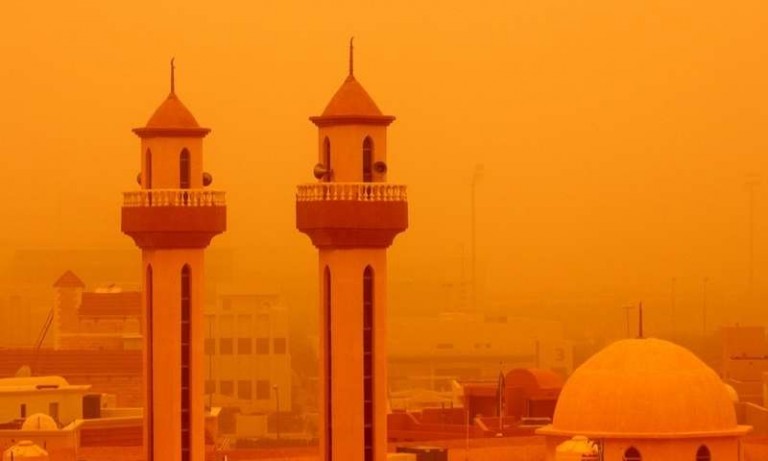
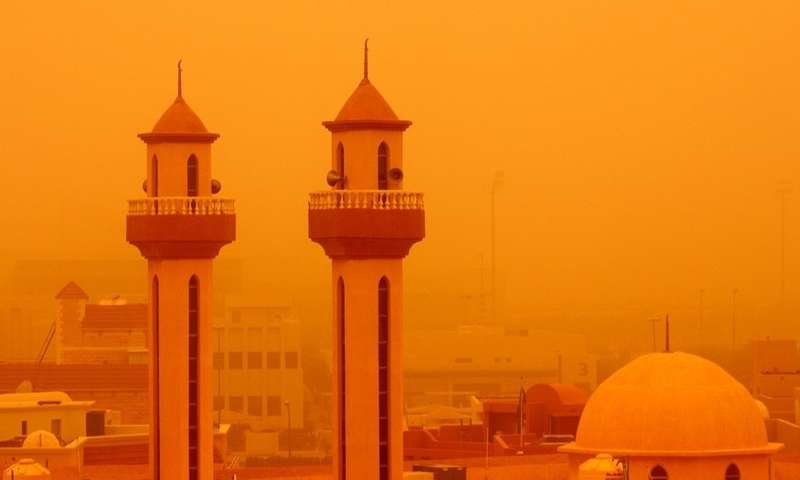
خلُص باحثون في مركز ماكس بلانك في ألمانيا و مركز قبرص للأبحاث بأن الشرق الأوسط و شمال أفريقيا لن يعودا قابلين للعيش الآدمي، و أن أعداد المهاجرين هربا من بيئتهم المحلية في تلك المناطق سيزداد كثيرا. و أوضح الباحثون أن هذه النتيجة القاتمة لن تتغير حتى و إن نجح العالم في تحقيق هدفه المنشود بإرساء الارتفاع الحراري العالمي إلى أقل من درجتين مئويتين كما نص اتفاق باريس في قمة الأمم المتحدة للمناخ مؤخرا. ارتفاع درجات الحرارة الصيفية في الشرق الأوسط و شمال أفريقيا ستزداد بسرعة قدرها ضعفي مثيلاتها من المعدلات العالمية، مما يعني أن الحرارة ستبلغ 46 درجة مئوية خلال الأيام الحارة على الشواطئ الجنوبية للبحر الأبيض المتوسط، و أن تلك الأيام الحارة ستتكرر خمسة أضعاف عددها في بداية الألفية. تلك الزيادة في عدد الأيام الحارة، بالإضافة إلى تلوث الهواء من جراء غبار الصحراء، سيجعلا من بيئة الشرق الأوسط و شمال أفريقيا غير محتملة من قبل سكانهما، مما سيؤدي إلى هجرات بيئية هربا من تلك المناطق

قال مدير مركز ماكس بلانك للكيمياء جوس ليلفيلد أن مساحات كبيرة في الشرق الأوسط و شمال أفريقيا قد تشهد تغيرا في المناخ بالشكل الذي سيهدد وجود سكان تلك المناطق. علما أن مظاهر تغيير المناخ بدأت تظهر في تلك المناطق الحارة أصلا، و أن عدد الأيام الحارة جدا قد تضاعفت منذ العام 1970. و عمل ليلفيلد و رفاقه على دراسة تغير الحرارة المحتمل في الشرق الأوسط و شمال أفريقيا على القرن الواحد و العشرين، و جائت النتائج مثيرة للقلق: حتى و إن ارتفعت معدلات الحرارة العالمية بنسبة درجتين مئويتين فقط مقارنة بمعدلات ما قبل الصناعة، فإن ارتفاع درجات الحرارة الصيفية في تلك المناطق سيزداد بنسبة الضعف، و أنه بحلول منتصف القرن الحالي، ستصل الحرارة إلى 46 درجة مئوية في النهار، و لن تنزل عن 30 درجة ليلا. أما بحلول نهاية القرن، ستقفز الحرارة إلى 50 درجة في منتصف الأيام الحارة، و  سيزداد عدد موجات الحرارة عشرة أضعاف معدلاته الحالية

من 16 إلى 80 يوما شديد الحرارة بحلول نصف القرن

أما عن مدة موجات الحرارة، فمن المتوقع أن تقفز إلى 80 يوما في السنة بعد أن كان عدد الأيام شديدة الحرارة يبلغ 16 في الفترة بين العام 1986 و 2005، في حين قد يصل العدد إلى 118 يوما في حلول نهاية القرن الحالي – حتى في حال انخفاض الانبعاثات الدفيئة بعد العام 2040. و علق خبير تغيير المناخ في مركز قبرص بانوس هاجينيكولاو قائلا بأن سكان المنطقة عليهم تحمل حوالي 200 يوم في السنة من الأيام شديدة الحرارة في حال واصلت البشرية إصدارها غاز ثاني أوكسيد الكربون بمعدلات انبعاثه الحالية. و من جهته قال الباحث في العلوم الجوية جوس ليلفيلد بأنه متأكد من ضرر تغيير المناخ على بيئة و صحة سكان تلك المناطق، و بأن موجات الحرارة المطولة و عواصف الصحراء الغبارية سيجعلا من بعض المناطق غير صالحة للمعيشة، مما سيدفع بالسكان للهجرة. و كشف الباحثان أيضا عن دلائل تفيد بزيادة تلوث الهواء في الشرق الأوسط بالجسيمات الدقيقة، و ذلك جراء زياده قدرها 70 بالمئة  في الغبار الصحراوي فوق المملكة العربية السعودية و العراق و سوريا مقارنة بمعدلاتها في بداية القرن الحالي. و تأتي هذه الزيادة في العواصف الرملية بسبب الجفاف المطول الذي اجتاح المنطقة مؤخرا، و الذي من المتوقع أن يزداد سوءا بسبب الحالة البيئية في المنطقة

ارتفاعات حرارية أكثر في صيف حار أصلا

و توصل الباحثان إلى نتائج بحثهما من خلال مقارنة بيانات المناخ المسجلة من العام 1986 حتى 2005 مع 26 نموذجا مناخيا لنفس الفترة. و قد أظهرت البيانات المسجلة و النتائج المتوقعة من قبل النماذج تطابقا ممتازا، مما مكن الباحثان و رفاقهما من استخدام النماذج لاستنتاج حالة المناخ المتوقعة للفترات بين الأعوام 2046 و 2065 من جهة، و الأعوام 2081 و 2100 من جهة أخرى

و قد أسند الباحثان حساباتهما إلى سيناريوهين مستقبليين: الأول يفترض بدءا بانخفاض في الانباعاثات الدفيئة العالمية بحلول العام 2040، مصحوبا بحالة حرارية لكوكب الأرض تبلغ 4.5 واط للمتر المربع الواحد مع نهاية القرن الحالي. و يعادل هذا السيناريو ما ترنو إليه قمة الأمم المتحدة للمناخ لكبح الزيادة الحرارية العالمية لدرجتين مئويتين فقط. أما السيناريو الثاني فيفترض زيادة في الانبعاثات الدفيئة العالمية دون أي قيود، مما يُترجم إلى ارتفاع في معدل درجة الحرارة على سطح الأرض بأكثر من أربع درجات مئوية مقارنة بمعدلات ما قبل الصناعة. و في كلتا الحالتين، سيشهد الشرق الأوسط و شمال أفريقيا الارتفاع الأعلى في فصل الصيف الحار أصلا، عوضا عن فصل الشتاء الذي سيشهد ارتفاعا أكبر في درجات الحرارة في مناطق أخرى من العالم. و تأتي هذه الظاهرة بسبب التضخيم الحراري الذي تتسبب به المناطق الصحراوية، حيث أنه من الصعب تبريد السطح الصحراوي الحار و الجاف بفعل تبخر المياه الجوفية، و بما أن الإشعاعات الحرارية هي من يتحكم بتوازن الطاقة على تلك السطوح، فإن الأثر الحراري للغازات الدفيئة و بخار الماء سيتضاعف بنسب أكبر في الصحراء مقارنة بأماكن ذات جغرافيا مغايرة

و بغض النظر عن أي من السيناريوهين سيأخذ مجراه على أرض الواقع في المستقبل، يتفق الباحثان على أن تغير المناخ سيؤدي إلى تدهور رهيب في الظروف المعيشية في شمال أفريقيا و الشرق الأوسط، مما سيتسبب بهجرة كبيرة لسكانهما عاجلا أم آجلا

 Image Credit: Molly John, Flickr, Creative Commons

Alberta Tar Sands wildfire and global warming

Alberta Wildfire

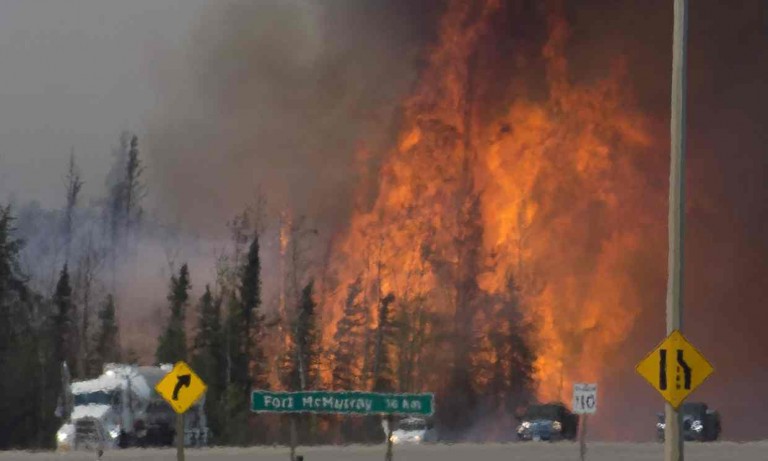
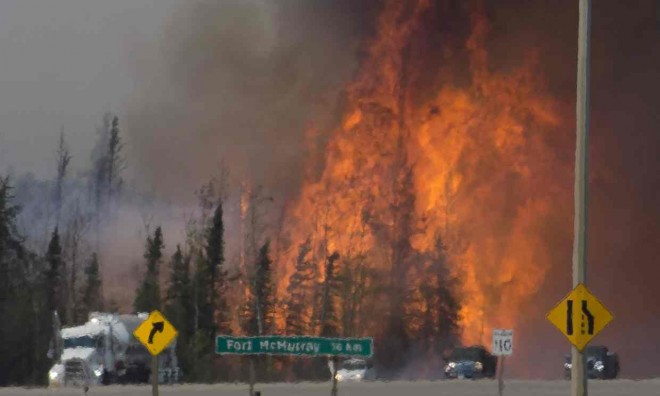
Alberta Canada’s massive wildfire, which has now consumed an area larger than Hong Kong and threatens to reach the border with neighboring Saskatchewan, is another startling example that may be attributed to the ravages of global warming.

While most of the Middle East does not have large tracts of forest land, areas where forests and grasslands are located are continuously in danger of catching fire as higher than normal temperatures and “crazy heat domes” may make many parts of the Middle East unlivable by 2100.

Alberta’s wildfires, which became literally out of control after starting over a week ago, have already displaced more than 80,000 people and destroyed thousands of homes and commercial buildings. Located in the province’s well publicized Alberta Tar Sands, the big question being raised now is whether this industry, deemed to be one of the most environmentally damaging projects in North America, may be attributing to making it spread so quickly.

According to informed sources in International Business Times, the Alberta oil or tar sands account for more than 80% of Canada’s entire petroleum production. In physical terms, this amounts to more than 4.4 million barrels per day, according to the U.S. Energy Information Administration. Canadian governmental and private sources now say it will take weeks to fully bring these fires under control; and this only only happen if there are substantial rains. Dry conditions and unseasonably high temperatures of 23 degrees Celsious (80 degrees Fahrenheit) are causing the fires to spread even quicker.

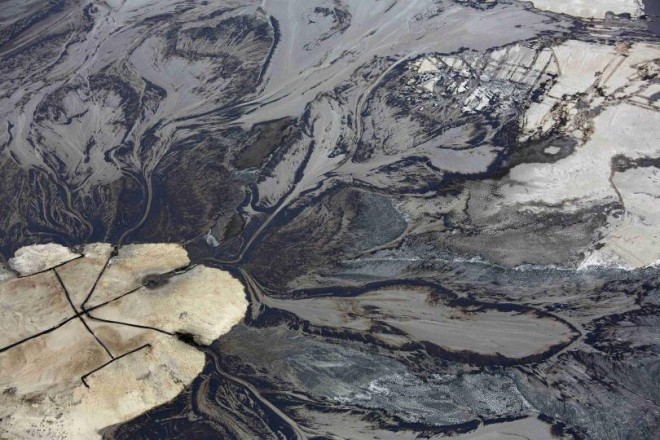
Oil tar sand production, involving the use of chemicals and high pressure steam to bring up the gunky oil tar from underground, has long been considered to be an environmental disaster in the making by many environmentalists; even rivaling oil production in Saudi Arabia, and seen as having a severe impact on global warming.

The photo below shows what this oil sand tar goop looks like when brought to the surface.

canada-oil-sands-crude
With events like the Alberta wildfires occurring in pristine locations like Canada, it’s not difficult to understand what is already occuring in regions like the Middle East. Mid-East area countries that do contain sizable tracts of forest land, such as Israel, Lebanon and Turkey, will undoubtedly see more occurrences of forest and brush fires on the like that Israel experienced in December, 2010; when a large section on the country’s Carmel mountain forest went up in smoke, killing more than 45 people.

We will all be watching the outcome of the Alberta wildfires; that up to now seem virtually unstoppable. As for the Middle East, the worst may yet to come, regarding global warming.

Read more on global warming, wildfires and the Alberta Tar Sands:
Crazy heat dome will mean that no one can live in the Arab Gulf by 2100
Israel’s Carmel wildfire blame goes all the way to the top
Canada Worst than Saudi Arabia, Considering Tar Sands Impact on Global Warming

Photo: Fort McMurray Wildfires, by Todd Korol/Reuters
Photo: Alberta Tar Sands crude oil, by Jonathan Hayward/ AP

NASA calls Middle East drought “worst in 900 years”!

worst drought in 900 years

A recent study released by the National Aeronautics and Space Administration (NASA) concludes that the current drought that began in 1998 in the eastern Mediterranean Levant  – which includes Cyprus, Israel, Jordan, Lebanon, Palestine, Syria, and Turkey – is the region’s worst dry spell since 1100 C.E.

Plant a tiny landscape on your finger with a Secret Wood ring

1

nature in a ringWe love to report on eco-jewelry, from charms made from beach sand or breast milk to necklaces made from recycled teeth and bones. Now a Canadian jeweler is creating miniature landscapes made from wood, jewelry resin, and beeswax – forming frozen vignettes of natural settings that you can wear on your fingers.

UAE to build a man-made mountain to increase rainfall

0

UAE needs waterThe United Arab Emirates (UAE) upped the wackiness factor of its portfolio of national mega-projects, announcing plans to build an artificial alp so the country can control its weather. Scientists will investigate if a man-made mountain will increase precipitation in cities like Dubai and Abu Dhabi in this nation where rain falls just five days per year. Is this really the best defense against looming drought?

The Ocean Cleanup wins Katerva – the Nobel Prize of Sustainability

boyan-slat-ocean-cleanup

A new breed of companies are showing how innovation can be scaled for both business opportunities and global good. Led by resolute and independent thinkers, these companies are making dents in conventional ways of thinking to defy and fight for global change.

The Katerva Award identifies 10 of these companies as finalists annually in its global competition –– the Nobel Prize for Sustainability –– with The Ocean Cleanup, as the winning company this year. (Impact investors: Katerva has done the due diligence for you.)

Some 3,500 ideas were submitted to the Katerva Award council last year and The Ocean Cleanup was selected as this year’s winner –– as a force to reverse plastic pollution at sea, using a massive current-powered sieve.

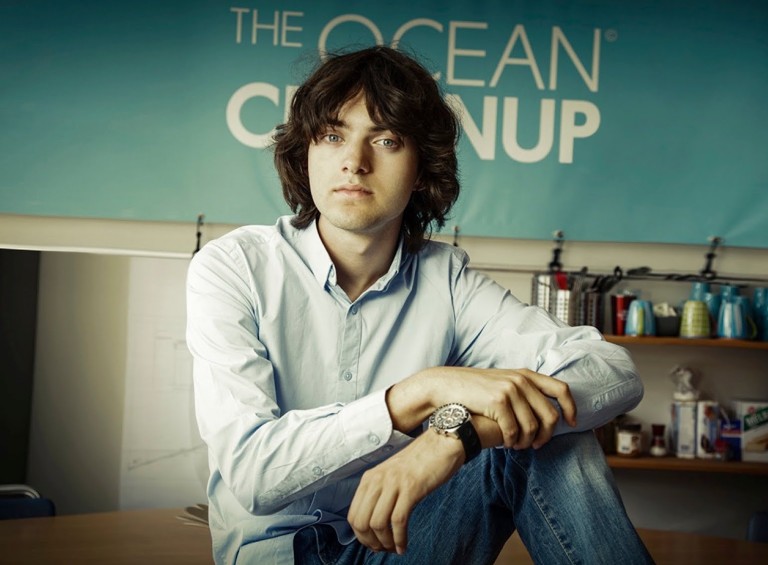
The Ocean Cleanup –– conceived in 2013 by Boyan Slat from the Netherlands (pictured above), then only 19-years-old ––  is taking on the biggest ocean remediation challenge in history: to remove the “soup” of plastic bits floating in our oceans.

https://www.youtube.com/watch?v=6IjaZ2g-21E

Not too soon, either. Plastic pollution is choking marine life —at least one million seabirds and 100,000 marine mammals die each year from plastic pollution. And it is affecting human health, too, as toxins from plastic enter our food chain –– and bodies.

Powered by waves in the middle of the sea, The Ocean Cleanup is in essence a massive sieve which passively collects sea plastics from up to 3 meters (or 10 feet) deep. Once retrieved, the plastic can be recycled into new products or fuel. Feasibility studies indicate that one 100 km (or 63 mile) array could remove 42 percent of the Great Pacific garbage patch in only 10 years.

“Being recognized by Katerva means that The Ocean Cleanup is trusted to succeed in its mission and its drive for innovation. We are deeply honored and hope that the Award and Katerva’s support will go a long way towards reaching our dream of clean oceans,” says Slat.

The Katerva Award runner-up this year is Salt Farm Texel, a proven agriculture technology that can grow food on land that was previously considered to be unsuitable for farming.

salt-farm-texel

The Katerva Award winner will be accelerated with the help of the Katerva community: a global alliance that includes among its members the world’s most distinguished companies, people, policy makers and non-profits committed to improving the state of the world.

“I just love the systemic approach of Katerva: we not only identify amazing projects such as The Ocean Cleanup, we have also organizations and individuals in place who can help accelerate such projects, and bring them to their full potential, sooner,” says Dr Bettina von Stamm, Director of the Katerva Award. ” I just love the passion and commitment Katerva inspires.”

Katerva, founded in 2010 by business intelligence strategist Terry Waghorn, is a not-for-profit organization that finds, evaluates and accelerates disruptive, sustainable innovations that will show measurable impact on this planet in the next 10 years.

Katerva comes from the Latin word Caterva which means “crowd.” Katerva’s distributed networks of CEOs, heads of state, ministers and policymakers, experts and academics, international organizations, youth, and technology innovators are fundamental to finding and then accelerating technologies for dramatic, positive changes that can be seen in our lifetime.

Follow Katerva on Facebook or Twitter @katerva and find the nominee profiles at www.katerva.net.

Complete list of this year’s Katerva Award category winners:

Behavioral Change:

Winner: Fairphone is working to improve the life-cycle of cell phones by sourcing conflict-free minerals and upcycled plastics to including fair factory wages in phone manufacturing.

fairphone-1

Finalists: World Community Grid, Sustainability Consortium, GoodGuide

Economics:

Winner: Social Progress Index is crucial to portraying a country’s potential for social progress, beyond meeting the population’s basic needs.
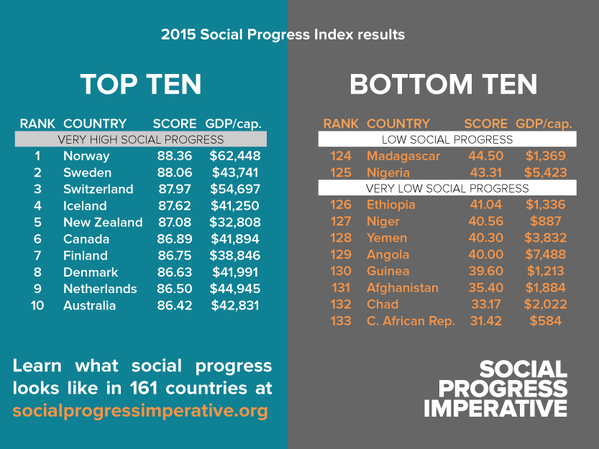
social-progress-index

Finalists: Better World Books, Essmart, Institute for Economics and Peace, Oradian

Environment:

Winner: The Ocean Cleanup is developing a passive, plastic collection system to remove plastic pollution from our oceans.
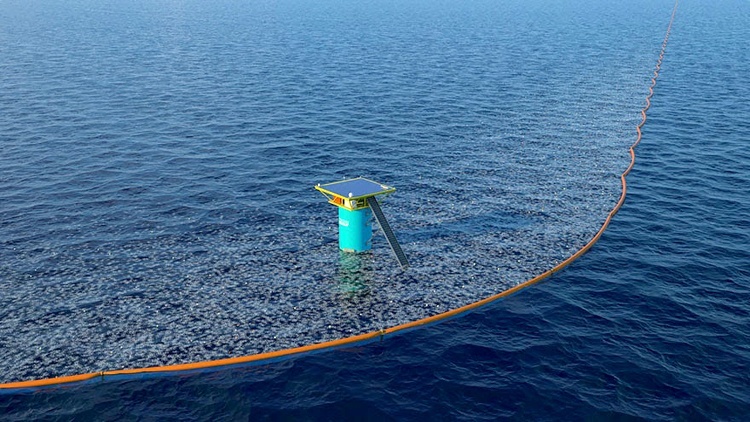
ocean-clean-up-boyan-slat

Finalists: Ecosia, Greenwave, Tree-Nation, Harbo Technologies

Food:

Winner: Salt Farm Texel has created novel advances in saline-resistant crops to counter the loss of arable soil and freshwater resources.
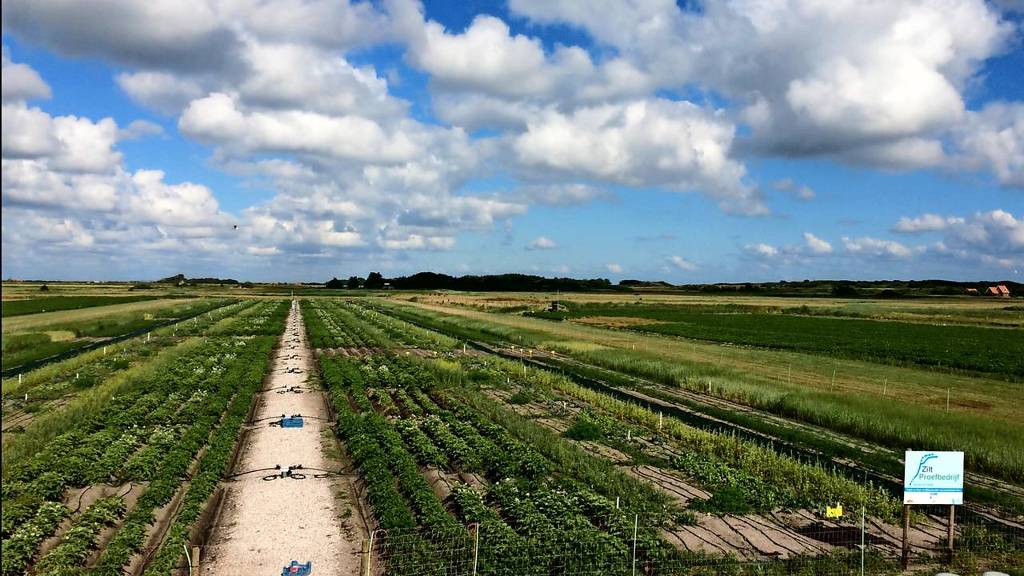
salt-farm-texel

Finalists: Wakati, ThinkFoodGroup, Oberon Nutrinsic, Muufri

Gender Equality:

Winner: Akili Dada helps young women and girls aged 13 to 35 earn the essential qualifications and skills needed to take their place in decision-making roles in society.

2016-Akili-Dada-Fellowship-for-Young-African-Women-Leaders

Finalists: I Am That Girl, Global Fund for Women, No Ceilings, Ruwon Nepal

Human Development:

Winner: Nanoly has developed a chemistry solution so that vaccines can survive without refrigeration.
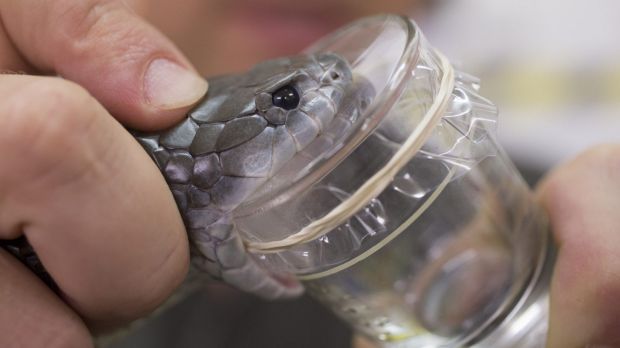
nanoly-vaccine

Finalists: Mine Kafon, MOM Inflatable Incubator, Nano Membrane Toilet, Braigo

Materials & Resources / Water:

Winner: Nebia Shower uses rocket technology to create an immersive cloud of mist that cleans the body and saves water.

vaprizing-shower-nebia

Finalists: Lifestraw, Step Forward Paper, SCiO, Benthic Labs

Power & Energy:

Winner: GravityLight uses a weight to run a small generator to power an LED. It costs nothing to run and does not require sunlight or batteries to recharge.

gravity-light

Finalists: StoreDot, LanzaTech, General Fusion, Pollinate Energy

Transportation:

Winner: Qualcomm Halo provides wireless, electric vehicle charging. No cables needed.

qualcomm-halo-electric-car

Finalists: Blablacar, Holland Container, Proterra, Ray C Anderson Memorial Highway

Smart Cities:

Winner: Living Breakwaters builds layered breakwaters around cities which are constructed of ecologically engineered concrete to attenuate wave action, create a habitat for fish, and provide calm waters for recreation on land.
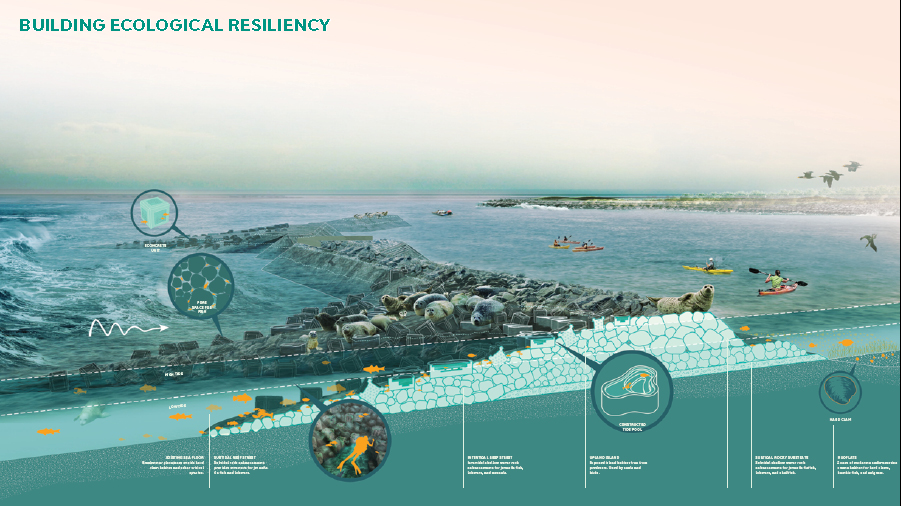
living-breakwaters

Finalists: Visible Good, Kite Bricks, Centre for Active Design, Tube Barrier

Climate exodus facing the Middle East

5

qatar-dust-storm

The conflict in Syria happening now was predicted six years ago by water and climate scientists. New research from Germany says climate refugees from the Middle East will be fleeing for cover in the near future.

The number of climate refugees will likely increase dramatically in future. Researchers of The Cyprus Institute and the Max Planck Institute for Chemistry in Mainz have calculated that the Middle East and North Africa could become so hot that human habitability is compromised.

The goal of limiting global warming to less than two degrees Celsius, agreed at the recent UN climate summit in Paris, will not be sufficient to prevent this scenario. The temperature during summer in the already very hot Middle East and North Africa will increase more than two times faster compared to the average global warming.

This means that during hot days temperatures south of the Mediterranean will reach around 46 degrees Celsius (approximately 114 degrees Fahrenheit) by mid-century. Such extremely hot days will occur five times more often than was the case at the turn of the millennium. In combination with increasing air pollution by windblown desert dust, the environmental conditions could become intolerable and may force people to migrate.

More than 500 million people live in the Middle East and North Africa – a region which is very hot in summer and where climate change is already evident. The number of extremely hot days has doubled since 1970. “In future, the climate in large parts of the Middle East and North Africa could change in such a manner that the very existence of its inhabitants is in jeopardy,” says Jos Lelieveld, Director at the Max Planck Institute for Chemistry and Professor at the Cyprus Institute.

Lelieveld and his colleagues have investigated how temperatures will develop in the Middle East and North Africa over the course of the 21st century. The result is deeply alarming: Even if Earth’s temperature were to increase on average only by two degrees Celsius compared to pre-industrial times, the temperature in summer in these regions will increase more than twofold.

By mid-century, during the warmest periods, temperatures will not fall below 30 degrees at night, and during daytime they could rise to 46 degrees Celsius (approximately 114 degrees Fahrenheit). By the end of the century, midday temperatures on hot days could even climb to 50 degrees Celsius (approximately 122 degrees Fahrenheit). Another finding: Heat waves could occur ten times more often than they do now.

By mid-century, 80 instead of 16 extremely hot days

In addition, the duration of heat waves in North Africa and the Middle East will prolong dramatically. Between 1986 and 2005, it was very hot for an average period of about 16 days, by mid-century it will be unusually hot for 80 days per year.

At the end of the century, up to 118 days could be unusually hot, even if greenhouse gas emissions decline again after 2040. “If mankind continues to release carbon dioxide as it does now, people living in the Middle East and North Africa will have to expect about 200 unusually hot days, according to the model projections,” says Panos Hadjinicolaou, Associate Professor at the Cyprus Institute and climate change expert.

Atmospheric researcher Jos Lelieveld is convinced that climate change will have a major impact on the environment and the health of people in these regions. “Climate change will significantly worsen the living conditions in the Middle East and in North Africa. Prolonged heat waves and desert dust storms can render some regions uninhabitable, which will surely contribute to the pressure to migrate,” says Jos Lelieveld.

The research team recently also published findings on the increase of fine particulate air pollution in the Middle East. It was found that desert dust in the atmosphere over Saudi Arabia, Iraq and in Syria has increased by up to 70 percent since the beginning of this century. This is mainly attributable to an increase of sand storms as a result of prolonged droughts. It is expected that climate change will contribute to further increases, which will worsen environmental conditions in the area.

In the now published study, Lelieveld and his colleagues first compared climate data from 1986 to 2005 with predictions from 26 climate models over the same time period. It was shown that the measurement data and model predictions corresponded extremely well, which is why the scientists used these models to project climate conditions for the period from 2046 to 2065 and the period from 2081 to 2100.

Largest temperature increase in already hot summers

The researchers based their calculations on two future scenarios: The first scenario, called RCP4.5, assumes that the global emissions of greenhouse gases will start decreasing by 2040 and that the Earth will be subjected to warming by 4.5 Watt per square meter by the end of the century. The RCP4.5 scenario roughly corresponds to the target set at the most recent UN climate summit, which means that global warming should be limited to less than two degrees Celsius.

The second scenario (RCP8.5) is based on the assumption that greenhouse gases will continue to increase without further limitations. It is therefore called the “business-as-usual scenario”. According to this scenario, the mean surface temperature of the Earth will increase by more than four degrees Celsius compared to pre-industrial times.

In both scenarios, the strongest rise in temperature in the Middle East and North Africa is expected during summer, when it is already very hot, and not during winter, which is more common in other parts of the globe. This is primarily attributed to a desert warming amplification in regions such as the Sahara. Deserts do not buffer heat well, which means that the hot and dry surface cannot cool by the evaporation of ground water. Since the surface energy balance is controlled by heat radiation, the greenhouse effect by gases such as carbon dioxide and water vapor will increase disproportionately.

Regardless of which climate change scenario will become reality: both Lelieveld and Hadjinicolaou agree that climate change can result in a significant deterioration of living conditions for people living in North Africa and the Middle East, and consequently, sooner or later, many people may have to leave the region.

مشروع للطاقة الشمسية بقيمة 3.5 مليار دولار في مصر

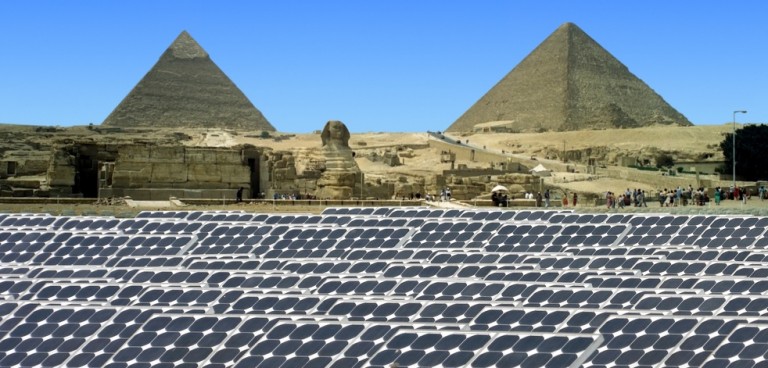
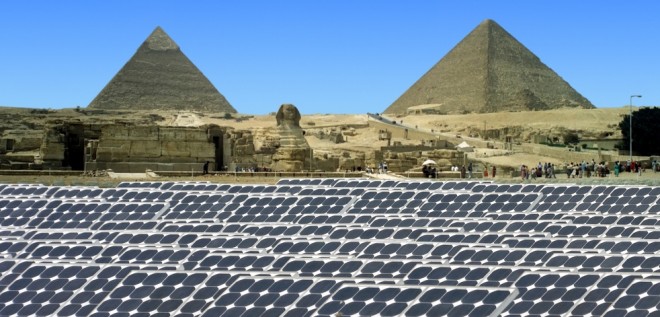
terra sola egypt

أعلنت شركة تيرا سولار نيتها بناء مشروع للطاقة الشمسية في مصر لإنتاج 2 جيجاواط من الطاقة الكهربائية و بقيمة 3.5 مليار دولار. و كانت قد أعلنت تيرا سولار يوم الجمعة الفائت التعاون مع مجموعة شركات عالمية في الطاقة البديلة لبناء عدة معامل للطاقة الشمسية، بالإضافة إلى مصنع للألواح الشمسية و المحولات اللازمة لإنتاج 200 ميجاواط من تلك الطاقة

و تتخذ شركة تيرا سولار من البحرين مقر لها، و ستقوم بالتعاون مع كل من شركة تيرا نيكس السويسرية لإدارة الأموال و شركة هاريون لتوريد الألواح الشمسية و شركة ر و ي نيو إينيرجي لتشغيل المعامل. أما تمويل المشروع فسيكون أغلبيته من هيئات استثمارية ألمانية. و كانت تيرا سولار قد وقعت وثيقة تفاهم مع الشركة القابضة لكهرباء مصر الحكومية في السنة الماضية لتطوير هذا المشروع

و جاء الإعلان عن المشروع متزامنا مع زيارة رسمية لنائب المستشار الألماني لمصر، و أيضا في أثناء تفقد مجلس إدارة الشركات المتعاونة لعدة أماكن مختلفة في محافظتي الأقصر و أسوان لبناء ثلاثة من المعامل فيها. و كانت تيرا سولار قد افتتحت مكتب للمشروع في مصر لتسهيل التعامل مع الهيئات الحكومية المصرية و ليمثل مقرا للمشروع ككل

و قال أحد أعضاء المجلس بيتر جوبفريش أن السوق المصرية هي من أكثر الأسواق نموا و حركة في أفريقيا و الشرق الأوسط. و ترى شركة تيرا سولار أن المشروع يمثل خطوة مهمة للشركة لتوسيع عملياتها الدولية، بينما يخلق أكثر من 50,000 فرصة عمل مباشرة و غير مباشرة في سوق العمل المصري. و صرح بيتر جوبفيش أيضا أن بناء مصنع اللوائح فقط سيوفر 1,500 وظيفة، أما تشغيله فسيوفر 1,000 فرصة عمل أخرى و دائمة. و لم يصرح بالمدة الزمنية اللازمة لإتمام المشروع و بدأه بالعمل

Egypt to shine with a new $3.5 BIL solar plant!

2

terra sola egyptA global consortium of engineering and renewables industry giants kicked off a project to build a suite of solar power generating plants in Egypt to produce 2 gigawatts (GW) of electricity and valued at USD $3.5 billion. Terra Solar announced their plan on Friday, adding that they will also build a 200 MW PV module and inverter manufacturing facility to create components for use in the consortium’s own solar plants and for exportation.

Landmark study: other people’s drugs enter our bodies through veggies and fruits

0

carbamazepine-reclaimed-water

Reclaimed or grey water is touted as a great means to save and reuse water where water resources are thin.

A new study from the Hebrew University in Jerusalem makes us want to think twice about saving precious water: researchers studied the vegetables grown in reclaimed water and found traces of human pharmaceuticals used for treating epilepsy. We’ve written in the past about drugs (like codeine and cocaine) in your drinking water, now researchers have gone to look for them in your food.

The new study looked at vegetables and fruits grown in soils irrigated with reclaimed wastewater and shows that this method exposes consumers to minute quantities of carbamazepine, an anti-epileptic drug commonly detected in wastewater effluents.

Fresh water scarcity worldwide has led to increased use of reclaimed wastewater, as an alternative source for crop irrigation. But the ubiquity of pharmaceuticals in treated effluents has raised concerns over the potential exposure for consumers to drug contaminants via treated wastewater.

The study is the first to directly address exposure to such pharmaceutical contaminants in healthy humans. It was recently published in Environmental Science and Technology. 

“Israel is a pioneer and world leader in reuse of reclaimed wastewater in the agriculture sector, providing an excellent platform to conduct such a unique study,” said research co-author Prof. Benny Chefetz from the Hebrew University.

It is also a country where its people might be most at risk from over-exposure of other peoples’ pharmaceuticals especially as the contaminants compound over time.

In the study, a a randomised controlled trial, the researchers demonstrated that healthy individuals consuming reclaimed wastewater-irrigated produce excreted carbamazepine and its metabolites in their urine, while subjects consuming fresh water-irrigated produce excreted undetectable or significantly lower levels of carbamazepine.

The study followed 34 men and women divided into two groups. The first group was given reclaimed wastewater-irrigated produce for the first week, and freshwater-irrigated vegetables in the following week. The second group consumed the produce in reverse order.

The volunteers consumed the produce, which included tomatoes, cucumbers, peppers and lettuce, according to their normal diet and drank bottled water throughout the study to neutralize water contamination.

The researchers measured carbamazepine levels in the fresh produce and in the participants’ urine. To begin with, the urinary levels of carbamazepine differed in their quantifiable concentration, with some participants having undetectable levels. Following seven days of consuming reclaimed water-irrigated produce, all members of the first group exhibited quantifiable levels of carbamazepine, while in the second group the distribution remained unchanged from baseline.

Levels of carbamazepine excretion were markedly higher in the first group versus the second.

“Treated wastewater-irrigated produce exhibited substantially higher carbamazepine levels than fresh water-irrigated produce,” said Prof. Paltiel.

“It is evident that those who consume produce grown in soil irrigated with treated wastewater increase their exposure to the drug. Though the levels detected were much lower than in patients who consume the drug, it is important to assess the exposure in commercially available produce,” Prof. Paltiel said.

“This study demonstrates ‘proof of concept’ that human exposure to pharmaceuticals occurs through ingestion of commercially available produce irrigated with treated wastewater, providing data which could guide policy and risk assessments,” said Prof. Chefetz.

“Heavily-armed” octopus escapes from aquarium!

0

inky the octopus An octopus at New Zealand’s National Aquarium decided he’s had enough of life in captivity and deftly devised his own escape to the sea. His amazing getaway won Inky the octopus instant fame, and raises new questions about cephalopod intelligence.
البنك الدولي يتعهد ب16 مليار دولار لمكافحة تغيير المناخ

climate change world bank
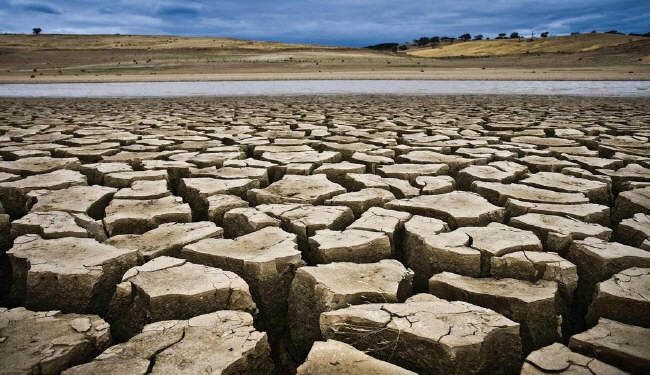
ظاهرة الجفاف تغزو العالم

تعهد البنك الدولي بتخصيص حصة قدرها %28 من موازنته المالية لعام 2016 للمشاريع التي من شأنها لجم تغيير المناخ العالمي، ذلك وفقا لبيان صدر مؤخرا عن البنك الذي يعد أكبر ممول للدول النامية. و سيأخذ البنك من الآن فصاعدا التغيير المناخي كعامل أساسي في تحديد المشاريع التي يتبنى تمويلها، حتى تلك التي تعنى بالتعليم و الصحة. و في هذا الصدد، علق مدير شؤون تغيير المناخ بالبنك جون روم قائلا: هذا تغيير جذري في كيفية تعامل البنك مع مشاريعه. شؤون تغيير المناخ أصبحت أساسا في أروقة المؤسسة. و تأتي هذه المبادرة من البنك في ظل تقديرات عن الكوارث البيئية المتوقعة و التي قد تسبب بالدفع بأكثر من 100 مليون شخص إلى الفقر من جراء نقص الأغذية و الجفاف

و كانت قد اتفقت الدول المتقدمة على تمويل قريناتها النامية بملغ قدره 100 مليار دولار في السنة بحلول العام 2020 خلال مؤتمر باريس الأخير في ديسمبر من العام الماضي. و ذكر موقع اتفاقية  الأمم المتحدة المبدئية بشأن التغير المناخي أنه بإمكان هذا التمويل أن يكون من مصادر خاصة أو عامة – ثنائية كانت أم متعددة الأطراف

و من جهة أخرى، قال مدير البنك الدولي جيم يونغ كيم: يجب أن نتخذ خطوات جريئة للحفاظ على كوكبنا للأجيال القادمة عقب قرارات مؤتمر باريس الأخير. و يجب علينا أيضا التحرك بسرعة  لمساعدة الدول بالقيام بتحولات من شأنها زيادة الطاقة البديلة و تقليل مصادر الطاقة ذات الكربون المرتفع، بالإضافة إلى تنمية أنظمة مواصلات صديقة للبيئة و بناء مدن حيوية و مُستدامة و قادرة على استيعاب النمو السكاني

و قرر البنك الدولي صرف مبلغ 16 مليار دولار سنويا و فورا لملف من مشاريع الحد من تغيير المناخ، و من ضمنها الآتي: مشاريع الطاقة المستدامة لإمداد 150 مليون منزل، مشاريع تفعيل أنظمة إنذار مبكر للكوارث البيئية كالأعاصير و الفياضانات ل100 مليون شخص، مشاريع أنظمة الزراعة الذكية التي من شأنها تقليل استهلاك المياه و الطاقة و المحافظة على خصوبة التربة، و أخيرا مشاريع تنمية بنى تحتية صديقة للبيئة للمواصلات و الحياة المدنية. و تطمح تلك المشاريع باستقدام مبلغ 13 مليار دولار كتمويل من القطاع الخاص بحلول العام 2020

و في هذه الأثناء، لا يزال أكثر من مليار شخص في العالم يعيشون في ظل دمار و عدم مساواة في العديد من الدول النامية. و يهدف البنك الدولي للدفع بالمساعدات العالمية و الدولية في اتجاه العمل على إنهاء شبه تام لحالة الفقر و إرساء المساواة على الأرض. و هاهو الآن يبدأ معركته ضد التغيير في المناخ العالمي

العالم يكسر رقمه القياسي في الحرارة – مجددا

climate Council of Australia

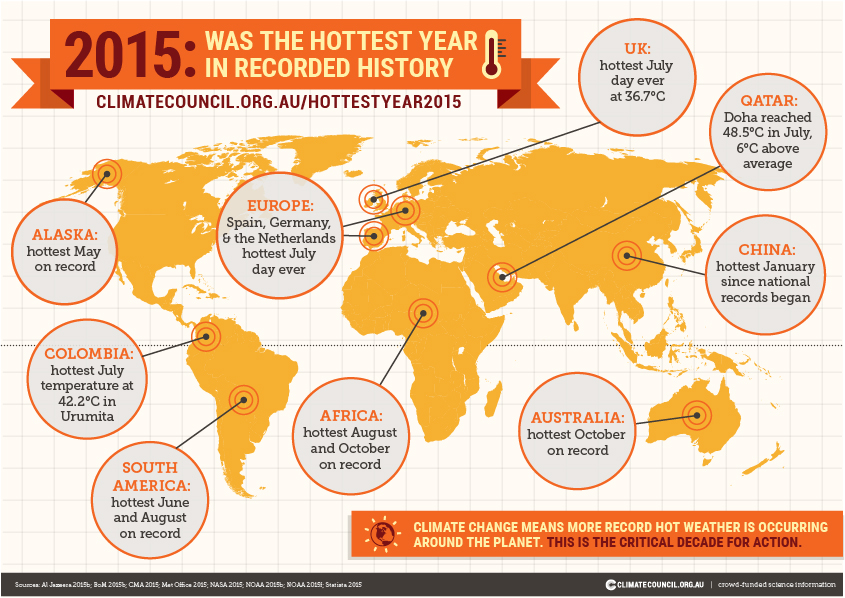
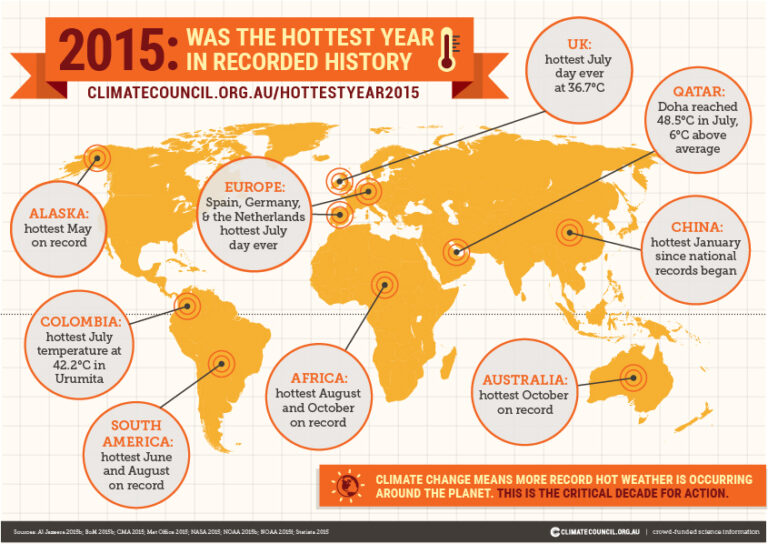
كشف تقرير أعده مجلس المناخ الأسترالي أن معدل درجة حرارة العالمي قد بلغ ذروته لسنة 2015، كاسرا بذلك الرقم القياسي المسجل لعام 2014 بزيادة قدرها 0.16 درجة مئوية، و علما أن سجلات الحرارة العالمية بدأت تُدون منذ العام 1880. و سَجلت تلك الحرارة القياسية 0.9 درجة مئوية زائدة عن المعدل العالمي للقرن العشرين، آخذة بذلك الاعتبار لنزعة حرارية متواصلة الارتفاع منذ العام 1970 حتى أواخر القرن الماضي

و تغطي هذه النزعة الحرارية مناطق مختلفة على الخريطة العالمية بما فيها الشرق الأوسط و شمال أفريقيا، اللذان يُعدان من المناطق الأكثر عُرضة للخطر البيئي. وقد اتضح هذا الخطر في يوليو الماضي عندما تَسبب مرتفع جوي اجتاح المنطقة لخلق قبة حرارية كانت قد خيمت فوق جنوب العراق و مناطق من إيران، مسببة بدورها درجات حرارة و نسب رطوبة غير مسبوقة في تلك الأماكن الحارة أصلا. ففي مدينة السماوة العراقية على سبيل المثال، بلغت درجة الحرارة المعلنة 48.5 درجة مئوية، بالإضافة إلى درجة تكثف بقيمة 29.5 مئوية – مما يجعل ناتج الحرارة المحسوسة عن طريق جلد الإنسان تبلغ 71 درجة مئوية. أما في البحرين، بلغت تلك الحرارة المحسوسة 53 درجة مئوية

هذا التغيير في المناخ العالمي و ارتفاع معدلات الحرارة هو نتيجة طبيعية للارتفاع الكبير في كمية الغازات الدفيئة المنبعثة إلى المجال الجوي من قبل الصناعات المعتمدة على حرق النفط و الغاز و الفحم، و من المتوقع أن تزداد الأمور سوءا إن لم يتم العمل على خفض تلك الغازات الضارة. و في هذا الصدد، اتفقت 195 دولة في  مؤتمر باريس للمناخ في ديسمبر الماضي على برامج شبه ملزمة قانونيا تهدف إلى تفعيل تغييرات من شأنها الحد من ارتفاع معدل الحرارة العالمي بنسبة درجتين مئويتين حتى نهاية القرن الحالي

لتحميل  تقرير مجلس المناخ الأسترالي اضغط هنا


 مصدر الصورة: Climate Council of Australia, Ltd.

Lions on the loose – the cost of humans on animal habitats

0

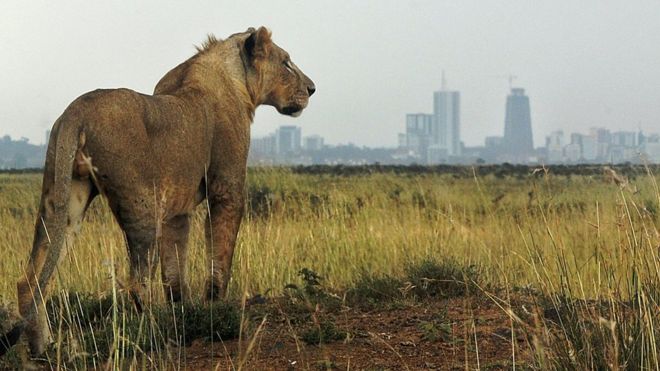
lion near nairobi

Human-caused damage to the earth’s natural environment has resulted in a number of serious ecological problems, including global warming and rising sea levels.  Human encroachment on natural habitats have been a serious factor in world habitat destruction, especially in the Middle East.

Africa’s natural habitats, particularly wildlife habitats, have been decimated in recent years by human encroachment, poaching, and other human caused activities which could eventually result in many animal species becoming extinct in the wild.

A prime example of human encroachment is occurring in Kenya, where human development activities are threatening natural habitats of many animal species, including lions. A recent  incident involving lions that escaped from the Kenya National Park near the capital Nairobi, resulted in an elderly man being attacked and the lion shot dead by police.

According to a story on the BBC and other news sources, lions have been leaving the national park and coming into populated areas near Nairobi to search for food. The main reason for this happening is being attributed to human infringement on the natural habitat of the lions, resulting in it being more difficult for the lions to find enough animals they depend on for food. Lions and other large African carnivores, like cheetahs and leopards, depend on plains animals like wildebeests, zebras and various species of antelopes as prey. When their natural habitat is made smaller by farming and construction projects, carnivores like lions have more problems in finding food.

This problem is known all too well in the Middle East, where natural animal habitats have been disappearing at an alarming rate. Species like lions disappeared in countries like Jordan, Iran and Israel well over 100 years ago. Other carnivores such as leopards are highly endangered and on the verge of extinction in Israel, Jordan, Oman and other Middle Eastern countries.

As for Africa, continuing human encroachment on natural animal habitats will result in more incidents of lions and other large carnivores paying “visits” to human populated areas.

Read more on human destruction of natural habitats:

It’s not the tide. It’s not the wind. It’s us
Despite ruinous bridge, Saudi and Egypt vow to Protect the sea
Amazing “Atlas” tracks Arab world habitat destruction over time (video)
Emirati Royalty Threaten 48,000 Maasai in Lucrative Hunting Deal

Photo of lion near Nairobi Kenya by the BBC/AFP