Home Blog Page 235

Garden Igloo: Grow tasty food and cannabis in this modern biodome greenhouse

1
eddy biodome karin kloosterman
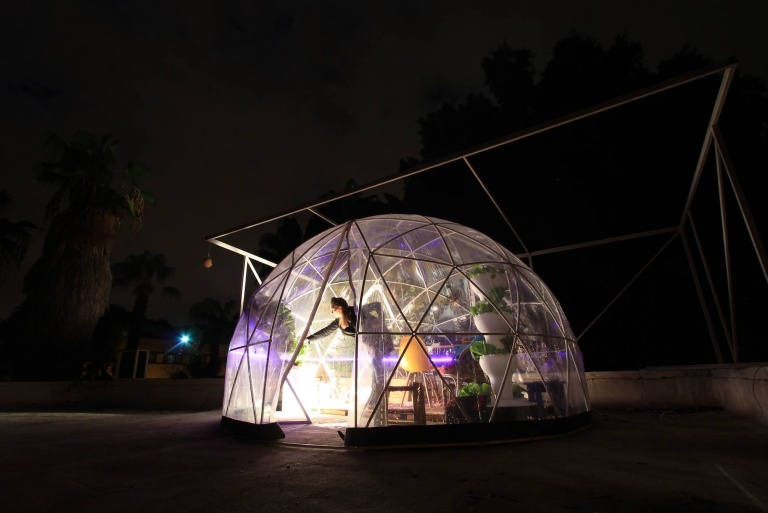
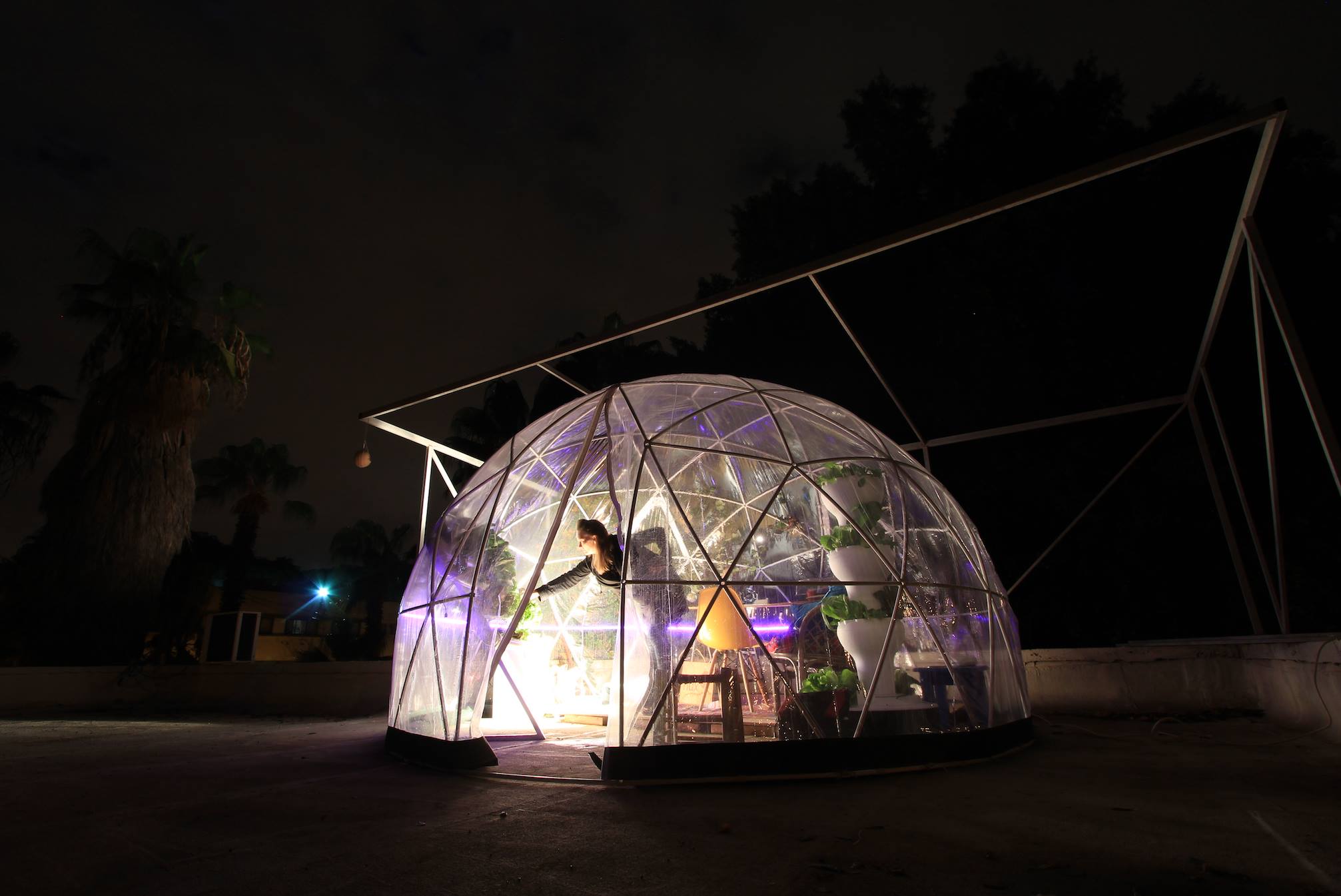
The Garden Igloo hydroponic biodome at night, in Tel Aviv

My house has loads of space, so finding a place to grow my indoor hydroponic garden would be no big deal. But when I saw an image of the Garden Igloo, a geodesic dome plastic tent, my heart jumped. This is it: the perfect modern conservatory for my roof.
Hydroponic greenhouse
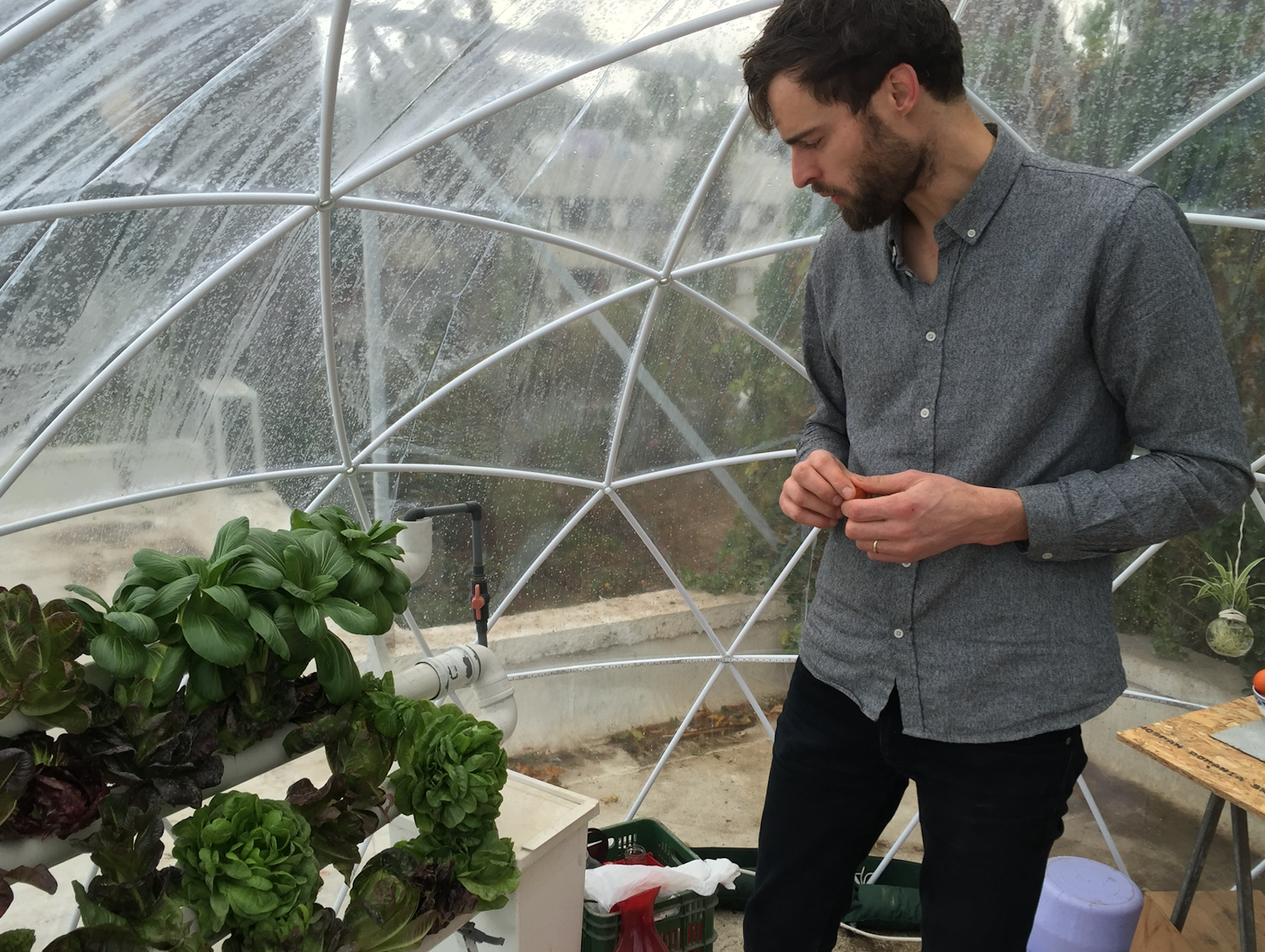
Thieme Hennis from Border Labs of Holland checking out my hydroponic rooftop garden.
Hydroponics robot grow buddy Eddy.

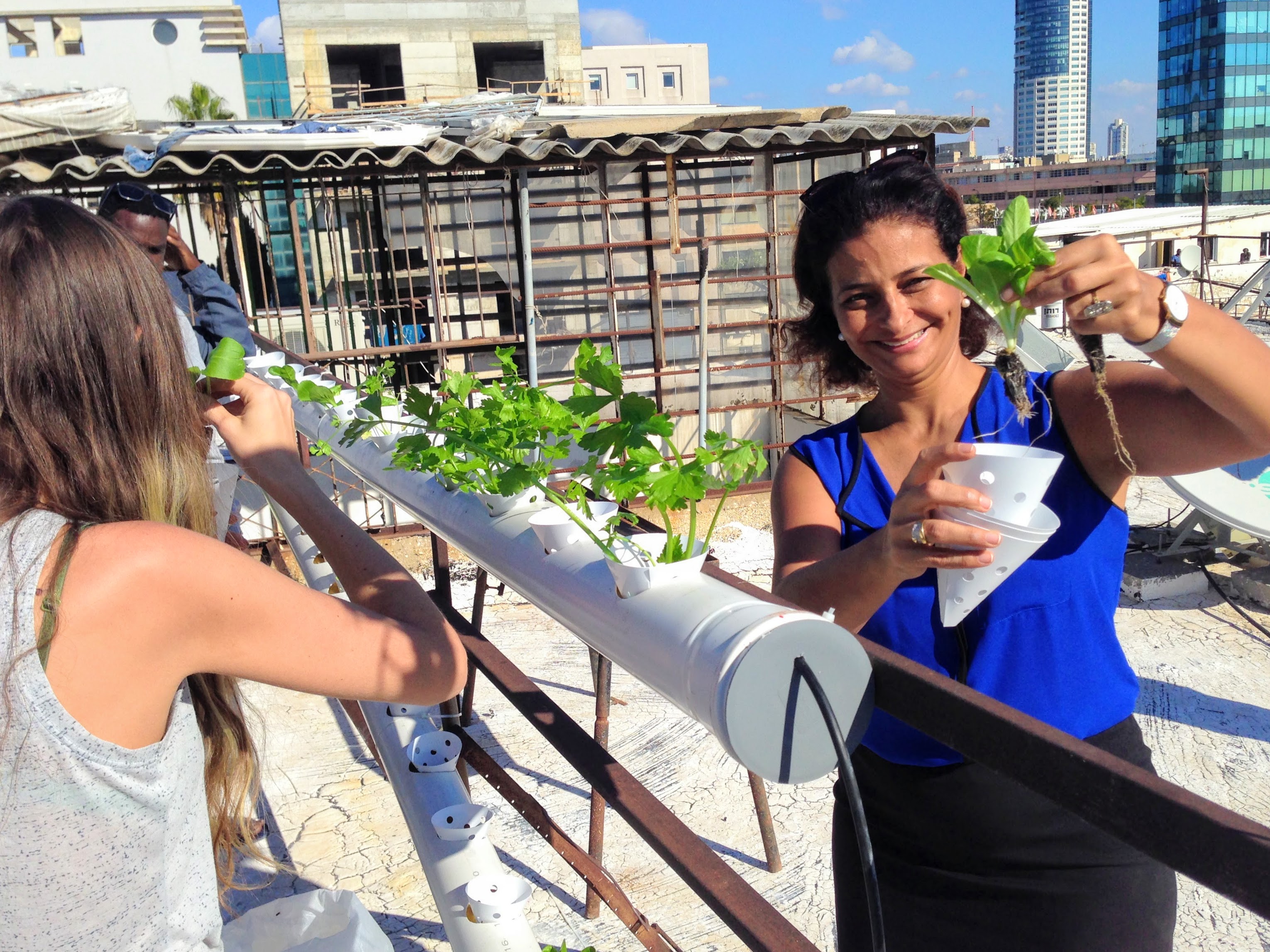
I’ve been working on building a technology called Eddy. It’s a grow robot that uses artificial intelligence to make hydroponics accessible to anyone. Hydroponics is growing plants without soil, on a treated medium based on water. It’s something super easy to do once you have some of the chemistry and science down pat. That’s what Eddy is going to help you with.

Since I live in the Middle East, I have the luxury of being able to grow year-round outdoors, as long as I had a greenhouse. Greenhouses that I found online were clunky and expensive. They looked like garbage and they would not pass my husband’s aesthetics test. Any of the decent ones would cost me a fortune to buy or ship to Israel.

An admirer of Buckminster Fuller and all the proponents of round rooms –- Hassan Fathy and Nader Khalili who pioneered Super Adobe, I knew that I wanted my space to feel organic and comfortable. I investigated building my own Buckminster geodesic dome using bamboo poles and netting. After much investigation, people on the street told me that I would basically need a hippy to help set it up, “because only hippies understand the geometry and how to do it,” according to one sound guy who was helping us renovate our music hall.

When I saw the Garden Igloo online, I knew I had to have one: The Garden Igloo fits the bill and is a perfect greenhouse, creating a true greenhouse effect. Two small windows zip open to let you control temperature and humidity. A nice touch is that it doesn’t cost thousands and is in the price range for most Americans who own a home or who rent an apartment in an urban area like New York City.

Great for global nomads. Grows with you, wherever you roam. Nails not needed

If you live in an area that doesn’t get colder than -4F ( or -20C), you can use it year long. When summers get hot, consider the mosquito net option as shade to shield your plants from intense sun. Amazingly sturdy sandbags secure my Garden Igloo to my rooftop where winds from the Mediterranean Sea can be intense in winter. Perfect because I can’t nail a thing to my roof.

Once you have plants in your Garden Igloo (I have two hydroponic systems in mine), add some touches to make it feel like home. I added some LED lights for growing, as well as a desk, some stools and a chair, small wicker couch I found on the side of the road, some cushions, my favorite books and a reading lamp. I am going to bring up a kettle and my favorite coffee so it can be homier even still.

When people enter the Garden Igloo something feels good and right to them, like when you visit a straw-bale home for the first time. The round interior embraces you, and protects you while letting your outside environment in. You can be in a noisy city like I am, and still feel protected.

Great for hosting friends and study buddies.

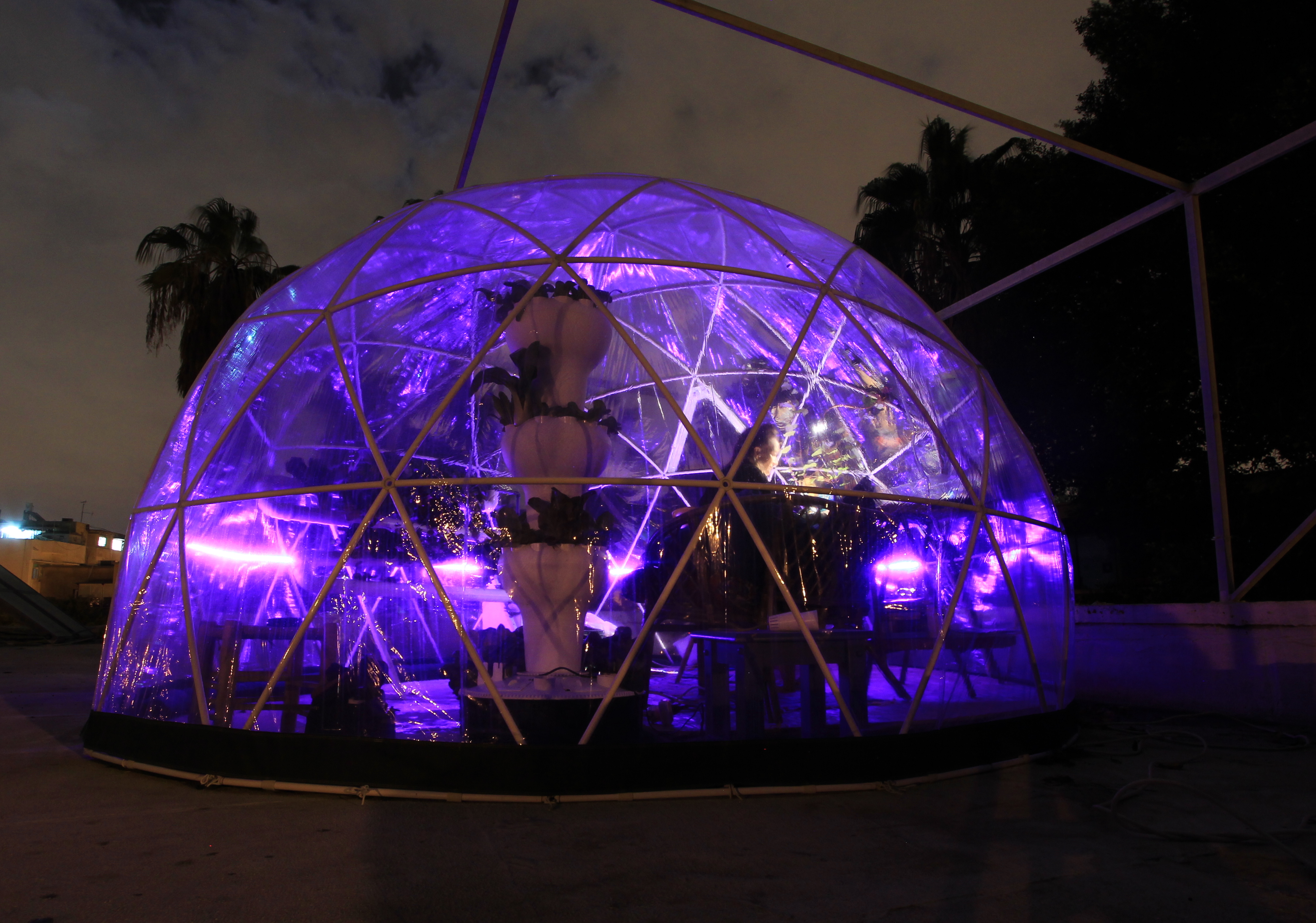
The effects become more pronounced at night. With some basic lighting (not necessarily needed for growing, but for your comfort), you can create an awesome looking space that will impress your friends and dinner dates!
hydroponics greenhouse
My Garden Igloo biodome at night.

Since I wanted to use mine primarily for growing plants (I am growing bok choy, lettuce, all kinds of herbs for tea and spice) I needed lots of space on the ground for my hydroponic systems. With the help of my father I flashed back to Grade 7 Geometry class and figured out the circumference of my dome on the ground and built and then hoisted a demi-platform up to the roof. The wooden platform, made from chipboard, was assembled in pieces inside the doe and gives an even and protected raised floor from the rain.

When set up, the Garden Igloo looks like a high-tech biodome from Mars. In fact, I am using it as such as we build out experiments for highly controlled food production suited to space travel, space stations and Mars (join me at Mars Farm), but in reality the structure itself is made from plastic poles and a strong PVC-like shower curtain material. No doubt there has been years of thought and engineering into the product, as the pieces fit together perfectly despite being of different lengths. The instructions are color-coded and harmonize to any language.

Note to all the girls and women and men out there who shy away from big box assembly: while it does take some wheels turning in your mind, the Garden Igloo is easily assembled by hand. I used no tools except a rubber hammer to help me secure some hard-to-push joints. I used a chair to reach higher spots later on as the tent expanded. The Garden Igloo was 100% assembled by me alone in about 6 hours, a project I enjoyed every single step of the way.
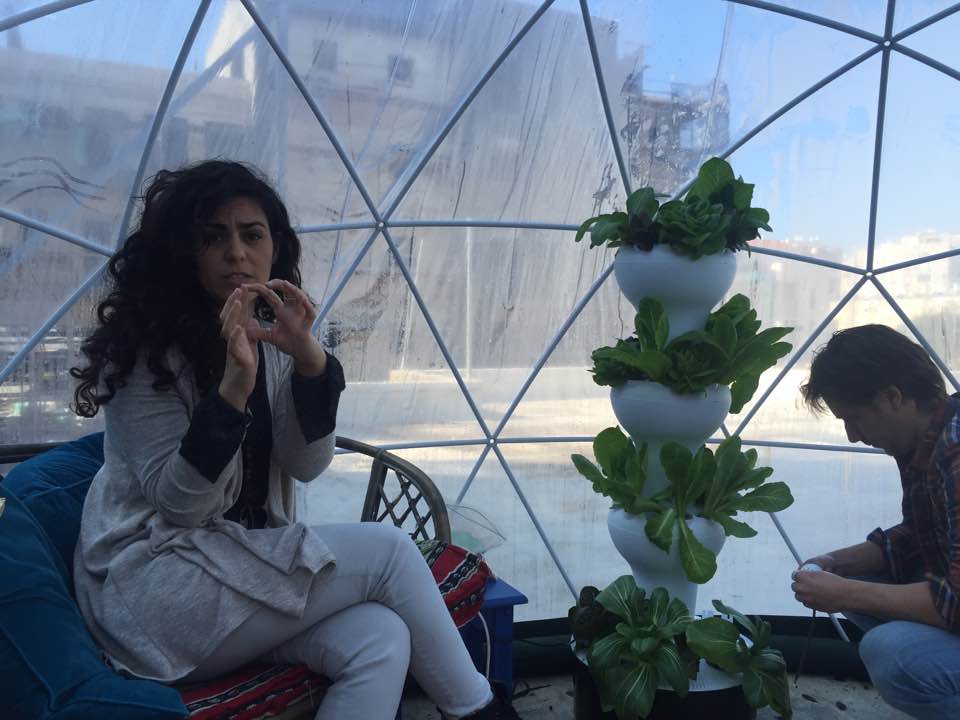
Suzi Maimon of iPonic inside the Garden Igloo in Tel Aviv. That’s her hydroponic system right.

I created the floor using a jigsaw. Pieces were assembled inside the tent, using old wooden 2×4 chunks for support. No nails or screws used, which for me would be a massive problem since assembly was done on a water-tight, white tarred roof.
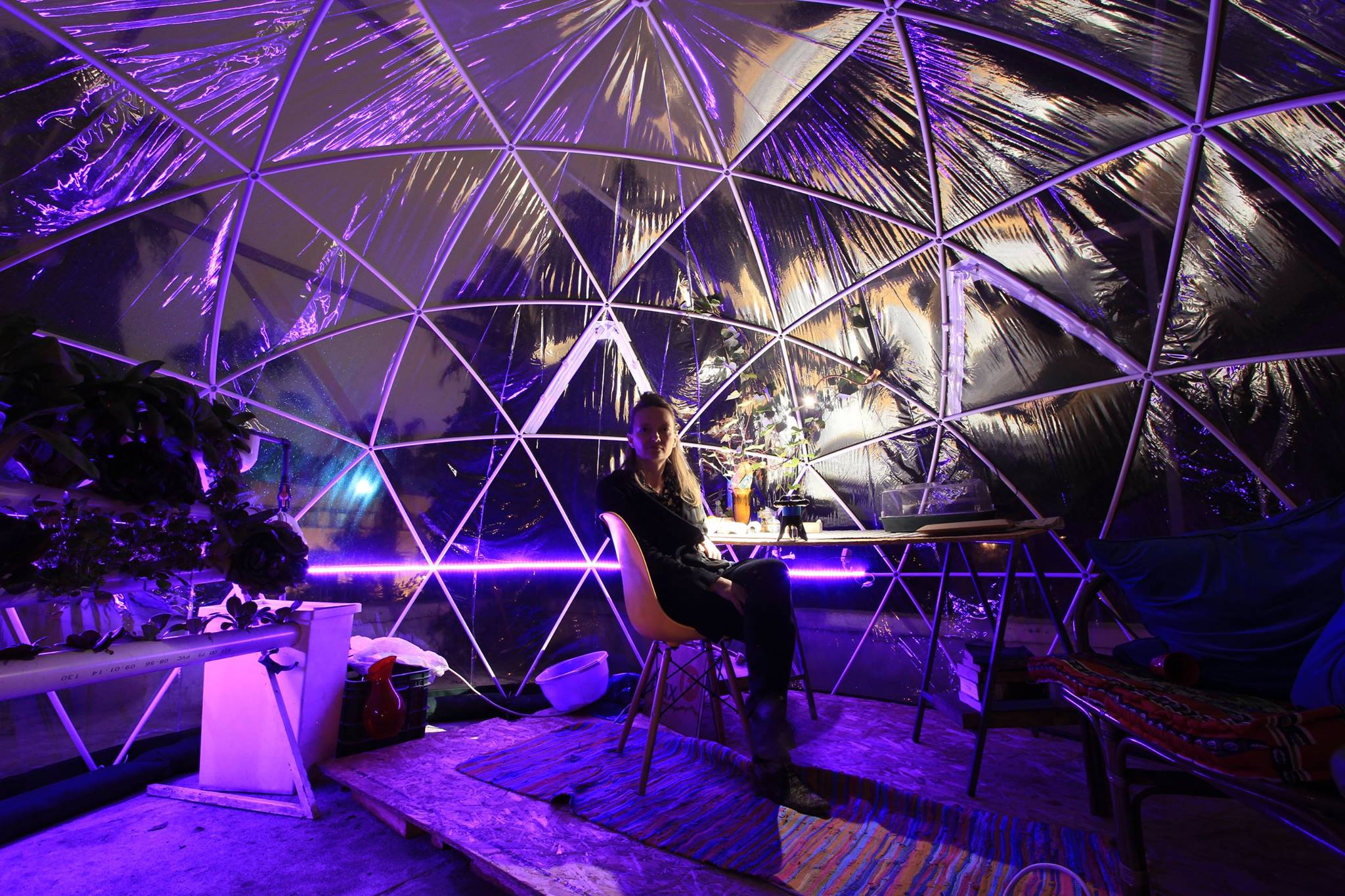
That’s me Karin Kloosterman inside the Garden Igloo. I call it my biodome.

Designed in Turkey

And the story has a Middle East twist… the Garden Igloo story  began in a small studio in Istanbul. For two years, Cagla Isin Alemdar (pictured below) worked meticulously and experimented with different materials, colours and designs for the Garden Igloo. Her plan was to create a convertible greenhouse which could be used all year round and which also looked good. The geodesic dome for optimal temperature distribution is one result of this period of experimentation.

The other result is the extraordinary resilience of the materials and frame.
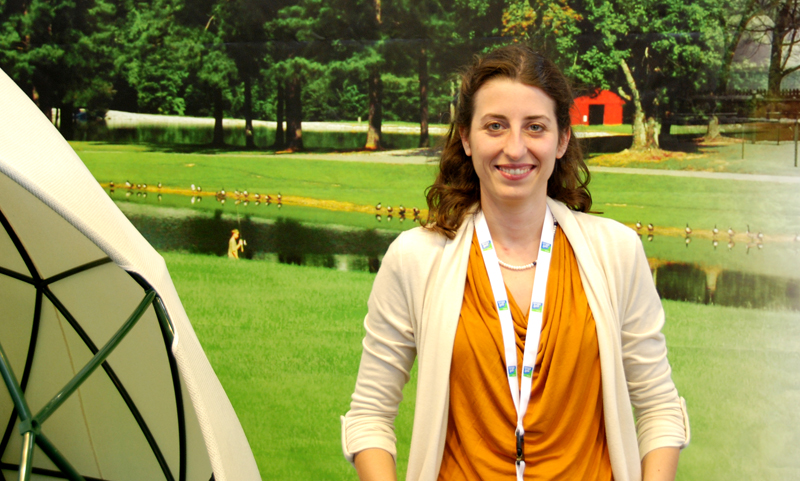
Garden Igloo designer Cagla Isin Alemdar

In the late summer of 2013, the Garden Igloo was unveiled at the garden trade fair Spoga-Gafa in Cologne in Germany. To the delight of the designer, it was immediately included in the ranges of several major distribu-
tors. Online shops in many European countries and the US are selling it. It has also been available since March 2013 via the company’s own website www.gardenigloo.com and it has its own sales company in Germany.

The initial studio in Istanbul is now too small, but Cagla Alemdar has made a conscious decision not to relocate production to a cheaper country. She has moved into a new building with larger rooms and now employs about 50 people in her factory. In her opinion, being involved with production is really important to continue to guarantee good quality.

And it shows.

For the retail price of about $900 (the product ships to your home in the US or Europe and beyond) everyone in suburbia and cities should be growing their food – and where laws permit in the US – cannabis this way. The dome is really perfect for hydroponics. And it is exactly what the industry has been missing with all the over-priced and extremely inefficient one-plant grow box appliances coming on the market for $3000 a pop. The Garden Igloo is an antidote to this way of thinking, helping us expand our food and medicine possibilities, and ultimately ourselves.

I love that it was first conceived in the region and that it was made for growing. It’s not hard to love the Garden Igloo.
Hydroponics is new way of growing plants

0
Urban Farm School teaches you how to grow food in your city

As urban sprawl continues, we are seeing less and less green space. Farmland is sprouting with subdivisions, city parks are being crowded out, and ever-smaller residential lots feature more residence and less lot. People are becoming less and less familiar with the wonders of nature, and they are craving access to it.

Of course, from this necessity has come lots of creativity. Plants are remarkable things. They aren’t too picky about the particulars of their environment. As long as they have nutrients, water, light, and carbon dioxide, they are in pretty good shape.

It’s for this reason that even the most urban of dwellers can find a way to get a patch of Kentucky bluegrass or a strawberry vine (see our strawberry jam recipe here) to grow at their home. And they’re doing it in some interesting ways.

New Techniques

When you don’t have soil, how do you grow plants? This question would have once been considered ridiculous, but innovations in agriculture have made it a very legitimate query that has been answered in a number of ways.

Many people are familiar with hydroponics, the process of growing plants in some type of non-soil based arrangement. Many farms now incorporate hydroponics as an efficient and effective means of growing transplants for vegetables and other crops. Others utilize a dual arrangement between fish production, in which the waste water from fish is used to fertilize the plants, which cleans the water to return to the fish.

Alternative Locations

When an aerial view of a development shows more roof than turf, it’s time for turf to fight back–along with trees, shrubs, and flowers, and even fruits and vegetables.

Properly managed, rooftop gardens can produce an ideal location for city dwellers to escape the concrete and asphalt and to socialize with friends and neighbors. Thanks to their altitude, they provide a view that in many ways beats a natural setting, and they can even provide food.

Apartment buildings, offices, hospitals, and countless other structures are now integrating rooftop gardens as a way to help give back to the environment what was lost with construction. Parking lots also feature more green space, with grass strips and some trees mixed in among the curbs and culverts.

Tweaking The Traditional

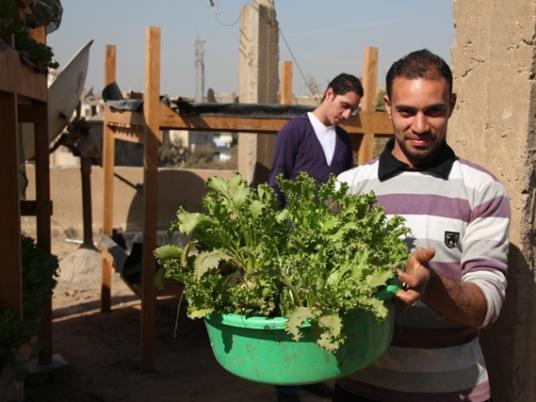
rooftop farming, egypt, maadi, hydroponic farms, soilless farming, agriculture, aquaculture, urban farming, organic farming

There was a time when people thought they had to have a large piece of ground to grow a garden. While it’s true that space-hungry crops like watermelons and corn require a lot of square footage, other food crops aren’t quite so demanding.

People with limited space or just limited mobility are growing tomatoes in buckets, strawberries in hanging flower pots, and cabbage in their landscaping as a way to make use of what Mother Nature offers. Others are finding ways to construct raised beds that use more traditional methods but utilize space more efficiently.

Even grass can be done the same way. Why not grow a little patch of it on your high-rise balcony? It could be the perfect place to rest your feet on a sunny day.

As the world has always done, it has adapted to changing conditions. There’s not as much open land as there once was, but that doesn’t mean plants and their natural beauty have been squeezed completely out of our lives. Creative techniques for growing plants will always show up to keep the world growing.

8 last-minute Valentine’s gifts to protect the planet and your pocket

0

cheap easy valentine's gift

Heads up, lovers: just two days ‘til Valentine’s Day. It’s a soggy, frigid Sunday in NYC, and while my newspaper dries on a wheezing radiator, I turn to the internet to scan eco-friendly tchotchkes that will show my honey I’m a eco-minded but cash-lean romance machine. Ten minutes online and I’m quickly swimming in a sea of greenwash. My advice? Stick to K.I.S.S. – a holiday-perfect acronym; keep it simple, and sustainable. Avoid the hype, and scan my 8 suggestions for sharing some love while saving the planet, and cash.

This year say “I love you” the old-fashioned way. Perform an act of kindness, cook something that delights, or create a simple artefact that sparks a smile. It could be my view is colored by six house moves across three continents in eight years. Stuff has to be pretty important for me to acquire and keep, because schlepping it around the planet undermines my best efforts to be resource-responsible and carbon neutral. But it is alarming to see how marketing can make us deviate from our best-laid “live lean” plans. Renewable doesn’t mean sustainable, and recyclable doesn’t erase damages caused by manufacturing and shipping. And don’t forget, Valentine’s Day discount & offers.

See that cool handmade natural cork handbag? It comes all the way from Greece, racking up more air miles than we’ve earned as a couple. Who wants a purse that’s a constant reminder of big carbon feet? There’s a bracelet made from repurposed Nespresso capsules, caffeine pods made from highly recyclable aluminum. But the process to produce that element has significant environmental downside, and only a fraction of aluminum products actually make it to recycling. A neighbor knits coffee cup cozies, in vibrant pinks and reds and sells them to commuters outside a local cafe. But how can my latte be more warmly dressed than the homeless dude who is sitting on damp cardboard a few yards from her stall?

But I’m getting preachy, and this post is about one of the silliest holidays on First World Calendar, so – using arcane, but recyclable, references here – I’ll hop off my soap box and get down to brass tacks.

1. Heart egg sandwich – Start the day off with a dish that’s tasty to the eyes as it is to the tongue. Simple concept, pan-fry a tasted sandwhich, adding another food within a heart-shaped cut-out. They go with an egg, but you can fill it with cheese or go sweet with fruit or jam. See Reclaiming Provincial’s version here.

cheap valentine's gifts

2. Secret pocket pillow – Super simple, useful, with a twist…you can pop in a tiny personalized message wnenever inspriation hits. Make this with stuff you aready have around your house. Use fabric from an old t-shirt, pillowcase, bath towel. Skip the sewing machine and pull out a needle and thread, YouTube tutorials abound on simple seaming. Get the full tutorial here from See Kate Sew.

3. Origami hearts – Like the secret message part but afraid of needles? So skip the sewing, and burn some calories learning a simple origami technique. Pencil in your poetry, and drop a batch of hearts in a pretty bowl for an instant love connection, or pop them in unusual places for surprise hits of sentimentality when least expected. Dream a Little Bigger shows you how to make the folds here.

4. Heart-shaped soap and salt dough cookie bunting – This is a winner if you want to involve kids. Using three common household ingredients, make a batch of DIY dough that quickly air dries, can be custom-decorated, and strung up on a pretty ribbon or yarn or cord to make festive buntings that could easily turn into an annual family tradition. See details at the Nurture Store site, here.

cheap easy valentine's gift

5. Heart quesadillas – While everyone’s embellishing their dried dough hearts, or penning their love notes inside origami folds, cook up something as cheesy as Valentine’s Day – quesadillas! – and either trim them into heart shapes after removing from the pan, or go the extra culinary mile and make them in an impressive basketweave style. The Mamas’s Grils show you how here.

6. Show the love salad – A perfect side to the toasted cheese sandwiches, use small heart shaped cookie cutters to shape up red peppers, thin slices of cheese, cucumbers, apples and melon. Or get a recipe from Jo and Sue, link here.

cheap valentine's gifts

7. Heart shaped glycerin soap – Go old school with Martha Stewart, the doyenne of DYI, and make some pretty soaps. in under an hour. You’ll probably have to run out for ingredients, but once you start in, the process is straighforward and swift. Martha offers the recipe and an ancient video tutorial here, any clue who here guest soapmaker is? Click here

cheap valentine's gifts

8. Romantic cocktails – In the end, I’m going with a batch of rosy-hued pomegranate martinis, in a nod to our time in the Middle East. This recipe from Mix That Drink is a winner. I’ll pre-mix a pitcher and serve them up in coffee mugs, which frees up hands for footrubs and shoulder massages, which will forever be top on the list of the greenest and most affordable gifts for your bae.

All images from referenced websites

Purposely destroyed artwork keeps dozens of refugees warm

0

Amman Design Week

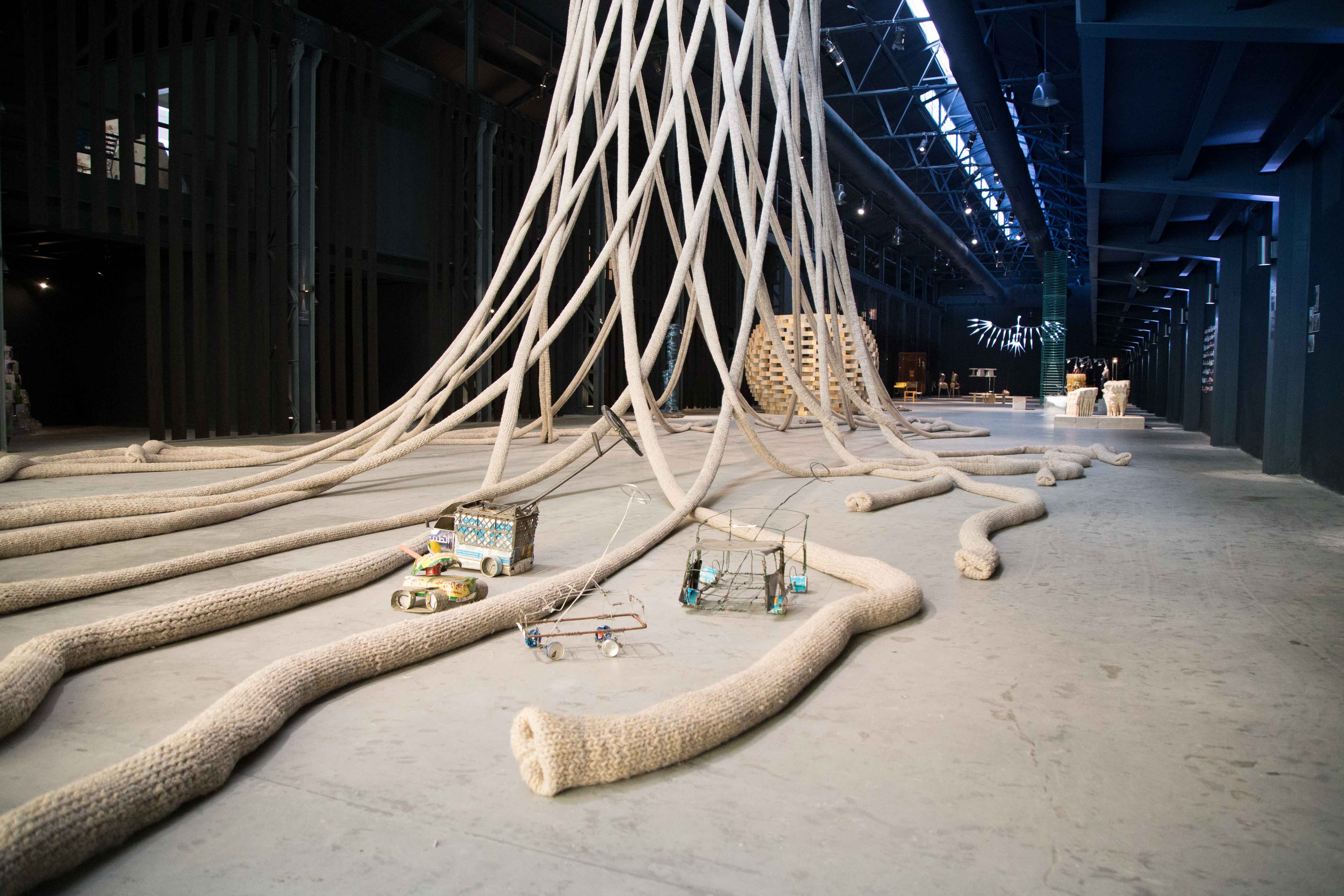
A major Jordanian artwork showcased at the 2016 Amman Design Week was recently repurposed to provide basic human shelter for people in need. This afterlife was intentionally designed into the piece, an artistic application of “cradle-to-cradle” practices. The project raises awareness about conscious design and the positive impact of handcrafts within local communities.

Using tech responsibly to cut your carbon footprint<

0

Whether it’s reducing waste, walking instead of driving, or opting for more eco-friendly fashion, most of us are aware of how small lifestyle changes can help the environment. Technology also plays a crucial role; from innovations in agriculture to GMAP technology used to detect pollution, there is no denying that it’s helping us go green. But can the same be said for the technology we use in our everyday lives? A closer look at some of our most common tech habits may surprise you.

Thanks to technology, almost everything can now be done digitally – be it online banking or communicating by email. Indeed, cloud technology has played a huge part in going paperless; with fully scalable cloud hosting packages readily available to all, swapping paper for the Cloud is easier and more affordable than ever. The less paper we use, the better – there are no two ways about it. However, this doesn’t mean our efforts to be more eco-friendly should stop there.

Just recently, RTE – a French energy regulator – called for companies to send fewer emails in order to save energy. Although this may sound a little far-fetched, when considering the entire process that goes into sending a single email, they certainly have a point. It is estimated that a standard email equates to 4g of CO2 emissions, whilst an email with a hefty attachment could rack up to 50g.

So what about our other much-loved tech fads? For one, there’s our love of video streaming – which, according to a recent report by Greenpeace, is not the most environmentally-friendly practice. Above all, it came to light that most of our preferred platforms do not use renewable energy sources. Netflix received an overall grade of D for eco-friendliness, whilst YouTube topped the list with an A.

Music streaming is another popular modern-day pastime, and when you think about the implications of producing a physical CD – from plastic packaging to transportation – streaming online surely seems like the more eco-friendly option. However, it is thought that streaming an album 27 times online may cost more in terms of energy than the production of its physical CD equivalent.

Even our social media activity contributes to our carbon footprint; something as seemingly harmless as uploading a photo to Facebook adds to the strain on data centers. So when it comes to considering your carbon footprint, it is essential to factor in your digital footprint too. This doesn’t just mean pulling out the plug instead of switching to standby mode; it also pays to take a closer look at the services you use. Find out how your preferred companies source their energy, how they power their data centers and what environmental policies they have in place. By favoring more eco-friendly providers, we can continue to live paper-free whilst using technology responsibly.

Ancient urban gardens in Istanbul threatened to be wiped out

0

Urban farming and gardening is as old as civilization itself. The ancient hanging gardens of Babylon helped inspire the water farming known as hydroponics (see how it’s evolved into artificial intelligence). Historic major cities, such as the Byzantine city of Constantinople, which later became Istanbul, were planting urban gardens to help feed inhabitants during times of famine and warfare.

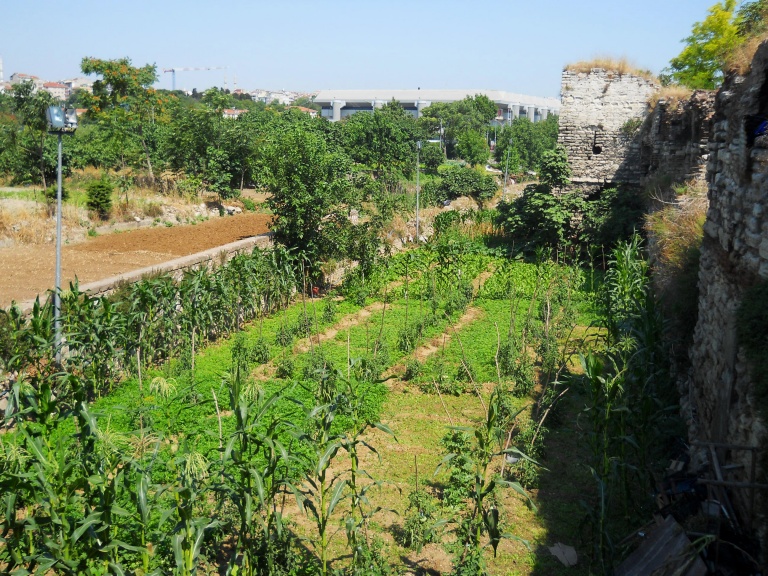
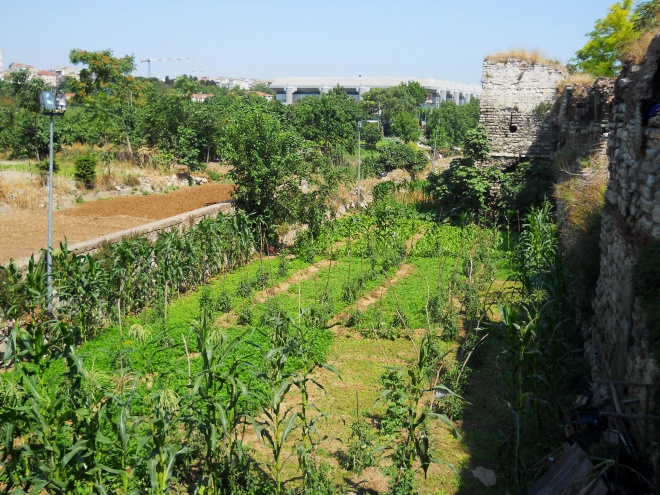
Istanbul’s historical market gardens, known as bostan, were known for providing fresh garden produce for Turkey’s largest city for hundreds of years. These market gardens were located inside city walls, and the produce grown there helped feed hundreds of thousands of people.

Modern construction and population growth has resulted in most of these gardens being doomed for destruction to make way for planned building projects.

The bostan gardens in the Yedikule quarter have more recently been rented by immigrants and others to provide an income for themselves and their families. Istanbul’s metro population, which now is more than 15 million, is simply running out of space.

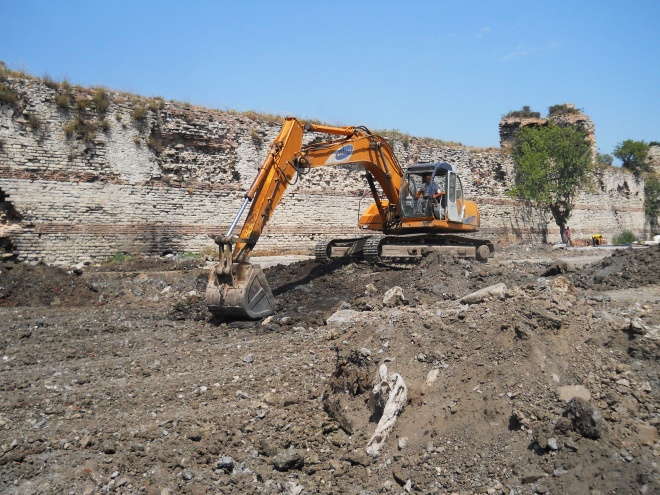
“The bostan in Yedikule are one of the first forerunners to what we today term urban farming,” says Aslihan Demirtas, an Istanbul-based architect. The Istanbul municipality wants to remove these garden plots in order to provide room to construct a large 90,000 square meter park. Doing so will destroy the incomes of people who came from rural locations and have no other means of making a living. “If you throw me out onto the street, what am I going to do to make a living,” says a 53-year-old bostan farmer.

Police recently entered some of last garden plot areas and told the people renting them that they only have until the “next harvest” to continue farming there. This will end a farming tradition that goes back more than 1,500 years. The gardens which lay along the ancient city walls, until recently have been a UNESCO protected site.

The approaching end of Istanbul’s bostan urban farming does not mean that urban farming is doomed, however. Inhabitants on other major urban locations, ranging from New York City’s Brooklyn based Gotham Greens to urban agriculture movements in Cairo Egypt, indicate that urban farming projects are alive and well.

Read more on urban farming movements and projects:
Join the urban farming movement
Brooklyn’s Gotham Greens builds world’s larget urban rooftop farm
Hanging gardens of Babylon inspire water farming called hydroponics
Egypt’s urban agriculture movement is growing

Photos of Yedikule garden plots Jennifer Hattam 

Could hydroponics save Yemen from starving?

0

yemen child starving crisis food insecurity

The number of food insecure people in Yemen has risen by 3 million in seven months, with an estimated 17.1 million people now struggling to feed themselves, according to a joint assessment by three UN agencies.

Of the 17.1 million food insecure people, about 7.3 million are considered to be in need of emergency food assistance.

The preliminary results of the Emergency Food Security and Nutrition Assessment, created by the UN, show that food security and nutrition conditions are deteriorating rapidly due to the ongoing conflict.

More than two-thirds of Yemen’s population of 27.4 million people now lack access to food and consume an inadequate diet. Another Syria-style crisis may be on our way, and climate change and lack of water is making it worse.

Rates of acute malnutrition were found to have passed the “critical” threshold in four governorates, while agricultural production is falling across the country.

“The speed at which the situation is deteriorating and the huge jump in food insecure people is extremely worrying,” said Salah Hajj Hassan, FAO Representative in Yemen. “Bearing in mind that agriculture is the main source of livelihood for the majority of the population, FAO is urgently calling for funds to scale up its agricultural livelihoods support to farmers, herders and fishing communities to improve their access to food in 2017 and prevent the dire food and livelihood security situation from deteriorating further.”

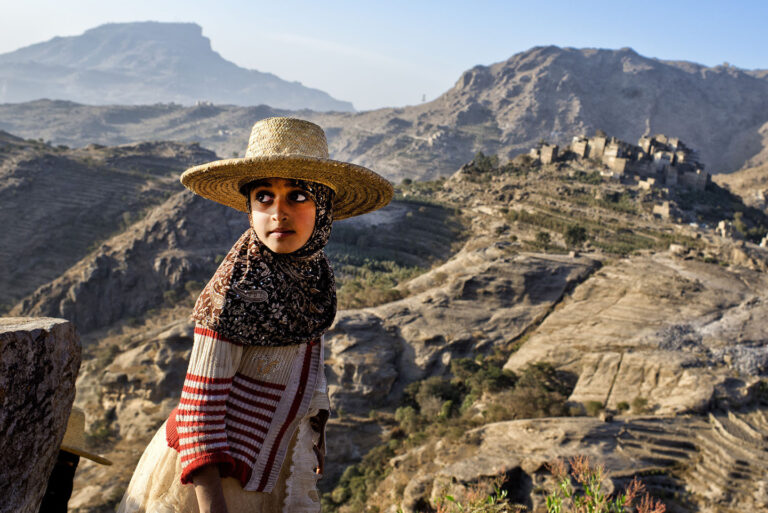
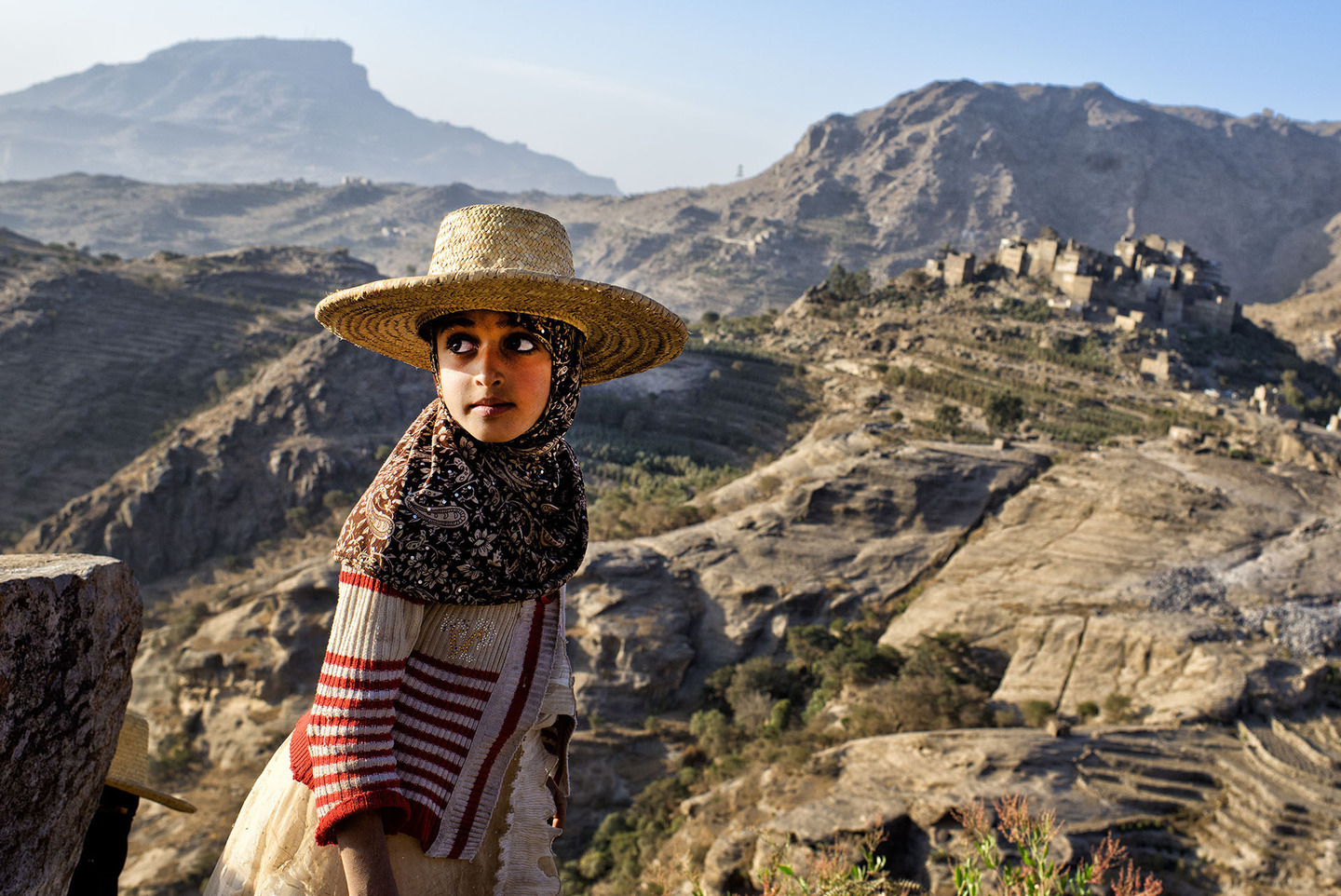
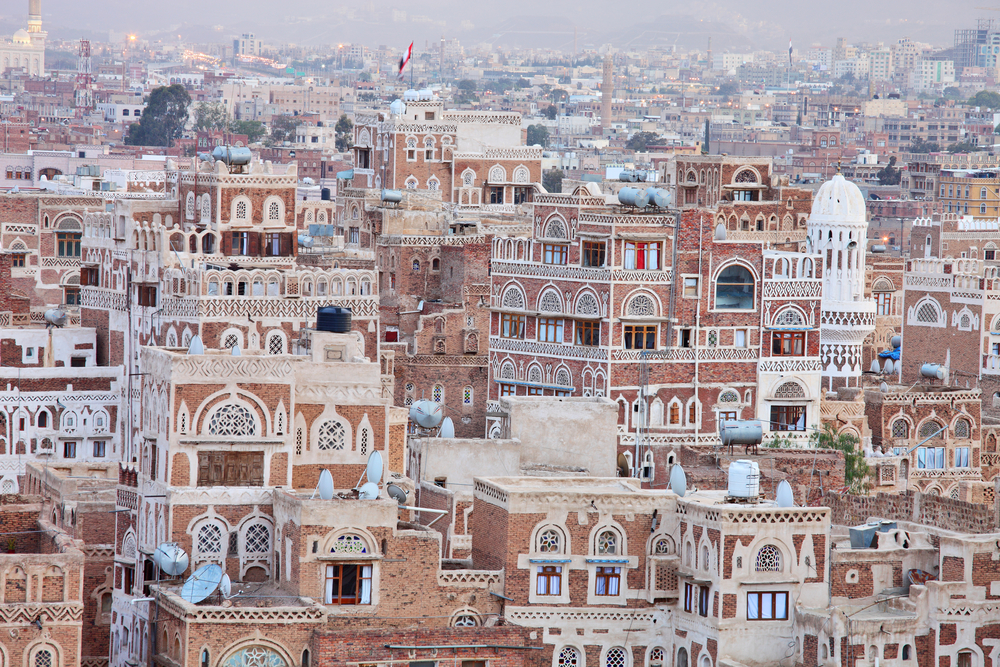
beauty of Yemen

“We are witnessing some of the highest numbers of malnutrition amongst children in Yemen in recent times. Children who are severely and acutely malnourished are 11 times more at risk of death as compared to their healthy peers, if not treated on time. Even if they survive, these children risk not fulfilling their developmental potentials, posing a serious threat to an entire generation in Yemen and keeping the country mired in the vicious cycle of poverty and under development,” said Dr Meritxell Relano, UNICEF Representative in Yemen.

Yemen, Oxfam, drought, desertification, food scarcity, Ramadan, heat, global warming

“The current level of hunger in Yemen is unprecedented, which is translating into severe hardship and negative humanitarian consequences for millions of Yemenis, particularly affecting vulnerable groups,” said Stephen Anderson, WFP Country Director in Yemen. “Tragically, we see more and more families skipping meals or going to bed hungry, while children and mothers are slipping away with little to sustain themselves. WFP is urgently calling for support to provide food for the seven million people who are severely food insecure and may not survive this situation for much longer.”

Food Security

The severe food insecurity situation in the country has worsened sharply in recent months, with an estimated 65 percent of households now food insecure.

In addition, three-quarters of all households indicate that their economic situation is worse now than before the crisis. Incomes have fallen and many public-sector workers have gone for months without being paid. As a result, 80 percent of Yemenis are in now in debt, and more than half of all households have had to buy food on credit.

Many households – 60 percent – have resorted to negative coping mechanisms such as eating less preferred foods, reducing portions or skipping meals altogether.

Malnutrition

The EFSNA results show that over 2 million children are acutely malnourished.

In four governorates – Abyan, Al Hudaydah, Hadramaut, and Taizz, – malnutrition rates have passed the “emergency” threshold, meaning an acute malnutrition rate of more than 15 percent. In seven governorates – namely Aden, Al Dhale’e, Al Jawf, Al Mahwit, Hajjah, Lahj, and Shabwah – rates now exceed the “serious” threshold, which indicates an acute malnutrition rate of more than 10 percent.

Agriculture

The agriculture sector is the main source of livelihood for at least 60 percent of Yemeni households. The livelihoods of this critical segment of the population have been hit hard with agricultural production falling drastically in 2016, compared to pre-crisis levels.

Up to 1.5 million households engaged in agriculture now lack access to critical agricultural inputs (including seeds, fertiliser, fuel for irrigation) and are in urgent need of emergency agricultural support. Of these, 860 000 households engaged in livestock production lack access to animal feed (fodder, concentrate, mineral blocks) and many livestock-dependent households have been forced to sell their herds to cater for other household needs.

Meanwhile, inadequate control of crop and livestock disease further erodes an already struggling agricultural sector and requires emergency protection and safeguarding of assets.

Related: hydroponic robot Eddy could feed the world

FAO’s emergency work in 2017 focuses on four main areas of activity: providing agriculture kits and tools, as well as vegetable kits and irrigation systems to vulnerable households to improve families’ access to food; emergency protection of livestock by vaccinating millions of animals; providing emergency support to improve and diversify income and livelihoods with cash-for-work programmes, poultry, bee keeping, and fishing; and strengthening the coordination of institutional food security and agriculture responses while building resilience.

FAO is urgently requesting $48.4 million to scale up its response and assist 3 million of the most vulnerable people in Yemen in 2017.

Flying with falcons?

0
falcons on plane, Saudi prince
Saudis book private jet for their falcons

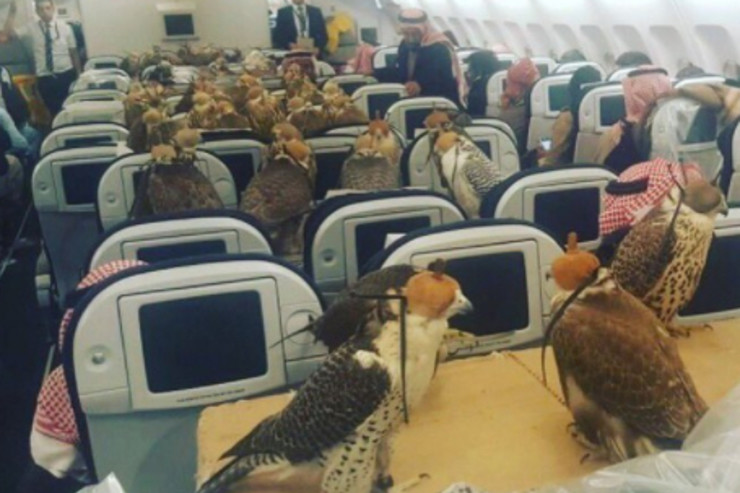
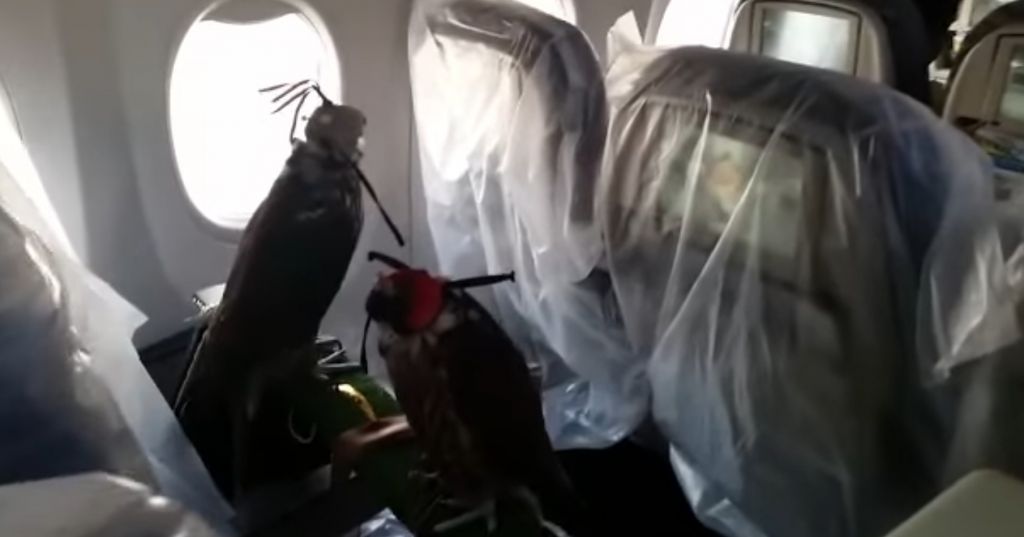
Because of restrictions on the number of birds he could fly with, a Saudi prince boarded 80 of his own birds onto a commercial flight, each in its own seat. The few spaces not taken by a bird were occupied by humans, one of whom snapped the scene and posted it on social media.

According to its boarding policies, Qatar Airways allows a maximum of six falcons on board per plane (one falcon in the Economy Class cabin of an aircraft, and a maximum of six falcons are permitted within the Economy Class cabin of any one aircraft), and Etihad Airways allows falcons in the main cabin or as checked baggage. The falcon is the national bird of the UAE, which may explain why several Gulf airlines are equipped to transport them.

Hermes falcon stand, Dubai, Petit h
Hermes pop-up shop Petit h creates a falcon stand for Dubai mall shop

Falcons who fly must be issued an animal passport, valid for three years, for air travel in the UAE in order to protect them from smugglers, which is a serious problem in the Middle East. No photo is required (say cheese? can a bird smile), but the birds must be fitted with a leg ring with an ID number corresponding to its passport.

It’s not readily apparent which airline transported the birds, but several Gulf state carriers do allow falcons in their cabins as a concession to their two-legged passengers who are passionate about falconry, a popular sport among the the privileged class in the Middle East.

Seasoned falconers commonly train multiple birds at once, much like nurturing a stable of fine race horses. The birds travel with their owners for racing and hunting events.

falcons on plane, Saudi prince

Falcons with passports

In 2013, Gulf News reported that over 28,000 falcons had received passports since 2002 as part of an effort to combat the illegal trade of the birds. Travel is restricted to nine nations: Bahrain, Kuwait, Oman, Qatar, Saudi Arabia, Pakistan, Morocco, the United Arab Emirates, and Syria. Abu Dhabi and Dubai are hubs for the ancient and gentlemanly sport.

falcons on plane, Saudi prince

Checklist for flying with falcons

  • No first class flights
  • Tied with chord or chain
  • Valid health certificate
  • Wearing hood
  • Falcon passport

We already known that Qatar Airways permits up to six birds on board. Etihad and Emirates allow birds on board, as does Royal Jordanian on limited occasions, provided they sit in economy class, be secured to their seat with a cord or chain, and carry valid health certificates.

In every instance, each bird must be hooded, and carry a pet passport. The airlines provide protective covers for the seat upholstery. In every instance, these airlines allow more falcons in their cabins than they do dogs or cats.

Though 80 birds on one plane is unusual, the human travellers appear nonplussed. Modern day flying really is for the birds.

Crowdsourcing nature reserves to save the yellow-tailed woolly monkey

0

peru nature reserve crowdsource

We did this when I was a kid at high-school: raise hotdog money or donations to buy rainforest in the Amazon. Researchers from Israel are now crowdsourcing the idea and turning Peruvian jungle into a nature reserve. Great ideas like this may save our planet. We reported on this initiative it in 2015, and now it’s happened, with questions answered.

The Israeli-founded organization called Time, has crowdsourced funds to purchase the first area of land to become a nature reserve. The goal is to preserve biodiversity and save endangered species around the world. But this first plot, 80 hectares in size, contains over 300 species of animals, many on the brink of extinction.

“Within less than a year, we’ve managed to show that it’s possible to save species and protect the earth through crowdsourcing, thanks to lots of caring people,” says Time founder Prof. Uri Shanas from the University of Haifa.

Related: save seeds and preserve food diversity with Eddy

TIME which stands for This is My Eart) was established by Shanas and the renowned environmentalist and lawyer Alon Tal of Tel Aviv University, about 18 months ago. Any person that donates to the organization, whether a dollar or a million has equal voting rights.
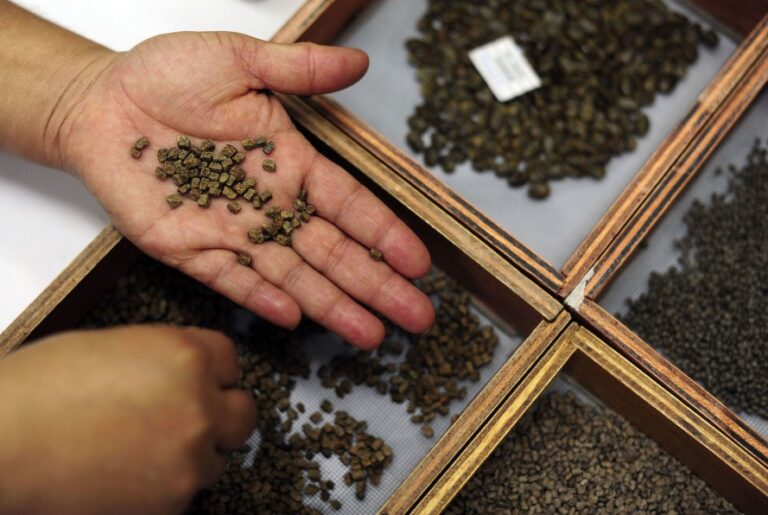
Once a year members choose at least three threatened habitats from different parts of the world selected by the organization’s scientific committee. Each of the habitats is home to a diverse range of endangered species. The selected habitat is then bought by TIME and becomes a nature reserve. The sale is undertaken through local organizations responsible for managing the new nature reserve following its purchase.

The first habitat chosen is in the Peruvian Andes is home to over 300 species of birds, lizards, and mammals, many of which appear on the IUCN Red List of Threatened Species, such as the yellow-tailed woolly monkey and the long-whiskered owlet.

The owner of the site placed it on the market and TiME will buy the land for $30,000. Of this sum, $25,000 was raised by crowdsourcing while $5,000 was donated by the Gordon and Betty Moore Foundation, which supports environmental protection projects, among other areas.

“According to Peruvian law, the land can only be sold to locals and accordingly, the land will be purchased in the community’s name by a local conservation organization, Neotropical Primate Conservation, managed by the researcher couple Sam and Noga Shani.

“The Shanis have lived in the area for years, working to help save species in danger of extinction. They will manage the site together with the local community, and in the spirit of TIME, research and educational activities will be integrated in the purchased area,” said Tal.

“The rate of deforestation in the rainforest is among the highest in the world,” Prof. Shanas concludes. “This specific site serves as an important corridor between two existing reserves. Breaking the chain of forests in this area could dissect the region, leaving small animal populations unable to survive.

“Although this is a small area of land, we have been motivated by this success. We really hope that this proof of concept will help us recruit more supporters and members over the coming year.”

Natural ways to look beautiful without injections and surgery

0
Egor Gribanov
Woman in Field of Flowers

There is a reason why our all natural sugar wax recipe is an all-time high post at Green Prophet, racking in hundreds of thousands of views. We already understand the nature of beauty and that if you still a gorgeous older woman somewhere on the planet chances are her beauty secrets are an 8-hour sleep and something simple like olive oil to moisturize her skin. Even the most natural products have something in them to preserve or keep the product that’s why I shy away from endorsing almost any beauty product.

mediterranean diet, food, health, olive oil, nuts, heart disease, spain

Some older women, may need hormone replacement therapy to stave off the effects of menopause, and these hormone injections can make you look younger by a decade. But they are not a lifestyle choice if you are on them more than 5 years. My mother was on hormone replacement therapy for 10 years and was then diagnosed with endometrial cancer, a common effect with long-term use of hormone therapy. It was doctor prescribed!

For women in their 30s, 40s, 50s and 60s+ large breasts used to be the thing. But now that anyone can pay $10,000 for a breast augmentation surgery, small breasts look best and a big behind is the most sought after feature on the beach.

But now the latest fad is a big rear-end. This is good news for women who are naturally fuller, as larger back ends counteract eating disorders. The two can’t really go together… unless you opt for surgery.

Behind-surgeries are as unappealing to us if not more than breast enhancement. Any kinds of unnatural fillers or surgeries you do to your body can put you at risk for auto-immune diseases. Any time you go under the knife you put your body at risk for infection. Ask any doctor about this, but not plastic surgeons.

If you want to look hot on the beach, consider the most natural routes possible, and you might not like our suggestions because they will require a bit of work. Like anything in life, when you work for it, it will be the best result.

Here are our beauty tips:

  1. For the healthy skin glow: eat fruits like mango and papaya. Take the rinds of the fruit and run the remaining fruit on your skin. Wash off after 15 minutes. Forget buying expensive beauty creams. Spend that money on activities to make you a better person.
  2. Use olive as a moisturizer and in your food. It’s good for everything
  3. Avoid exposure to the sun, or limit it each day.
  4. Buy some hiking boots and get a naturally pert derriere by walking up and down natural paths. You might meet some great people along the way.
  5. Kick off the running shoes and go somewhere warm. Run barefoot along the beach.
  6. Don’t fight your genetics. Work with it. Accent your strong points, downplay your weak.
  7. If anyone is going to love you, it won’t be for your body. Work on your interests and reading list. Get out into the world and build something great. Do good things for others and your beauty will shine through on your face and body. This is the healthiest advice we can give you.

Getting a good night’s sleep in winter

Maintaining a healthy lifestyle is something everyone should aspire to. After all, the benefits of it are myriad – from aging more slowly to being increasingly active and attaining general longevity. However, there’s more to it than simply having a regimented exercise program and a healthy diet.

B-and-Bee, stackable sleeping cells, honeycomb shelters, belgian festivals, Barbara Vanthorre, Ron Hermans, Achilles Design, One Small Step, Compaan, Lambuer, social entrepreneurs, green design, refugee shelters, sustainable design

In recent years there has been a growing trend towards living a slower paced life, and this includes getting more rest and sleep, something a lot of city dwellers, hard workers, and young professionals neglect. This is crucial to maintaining a balanced and healthy lifestyle, along with diet and exercise. However, it’s not something everyone is able to achieve; as many as 150 million people worldwide suffer from a chronic sleep disorder.

On top of that, the rigorous demands of a career and busy lifestyle are a constant drain on our ability to get adequate rest. Below, we’ll discuss a number of tips for getting a good night’s sleep.

Invest in a quality mattress

Seeing as we spend almost a third of our lives sleeping, having a poor quality mattress seems counterintuitive to a comfortable lifestyle. After all, you wouldn’t buy cheap running shoes if you were competing in a marathon. The benefits of a good mattress – for example, those found at a company like Panda – can result in a decrease in stress, a better quality of sleep, improved memory and even weight loss, all of which are composite parts of a complete healthy lifestyle.

Set a sleep schedule

Maintaining constant and set times that you go to bed and rise each day is crucial to achieving good quality sleep. This means going to bed at the same time every night and feeling refreshed and rejuvenated in the morning – even on weekends. The logic behind this is the same with any discipline, you’re putting constant time and dedication to build a habit that eventually will grow into a routine.

Relax before bed

Make sure you set some time aside before you go to sleep to let your body truly relax. This means shutting down your computer, putting your cell phone aside and dimming the lights. Get rid of anything stimulating that might jar you awake. Consider taking a relaxing bath, engaging in some meditation, listening to some music or reading a book. All of these will calm both your body and mind and allow you to ease more naturally into sleep.

A Wind Tree for the future

0

Imagine a beautifully designed tree that you can place outside your house or look at in public spaces and that, when blown by the wind, produces enough energy to light your place up. That’s right; wind turbines can now have a different size and be harmonically integrated within the landscape. So instead of the huge wind turbines we are used to imagine when we think of the machines that create this type of energy we can now think of something different: a beautiful green and white tree that has its own small leaf-shaped turbines and a power output of 3.1 KW. Inspired by nature and its wisdom, this Wind Tree is the new option to fight climate change and other negative effects that conventional fuels have on our environment.


Led by Jérôme Michaud-Larivière, French company NewWind has conceived a design that brings together sustainable energy with beauty and emotion. Made with 72 turbines containing “Aeroleafs”, “L’Arbre à Vent” measures 8 to 11 meters and is capable of lighting 15 streetlights, 100 meters of space office, 71 parking spots, an electric car or the filtration system of a pool for a whole year. And so, with an engaging biomimetic design, these wind trees last close to 25 years, are completely silent – thus not invasive – and close to no permits are needed to install them.

[brid video=”105288″ player=”7642″ title=”A Wind Tree for the future”]

To imagine that a single three represents 864kg of coal and 15 15-litre jerry cans of fuel is reason enough to consider it a fantastic option to slow down the inevitable effects that energy based on carbon-based fuels are having on our environment. As a matter of fact, these Wind Trees have already been installed in Paris, in Place de la Concorde. Allegedly, Michaud-Larivière actually got inspiration from real trees he saw in a Parisian plaza, which leaves kept shaking despite the absence of wind. Small wind currents seemed to him enough to produce energy, and the L’Arbre à Vent have proved this right.

Although the amount of trees needed to produce the same output as huge wind turbines is high, the truth is that if propagated in the right time frame, soon many households could depend on these bio designed Wind Trees, and the mid-term positive results of these would be outstanding. Also, they are designed in a way that if a turbine stops working the rest will continue to produce energy.

Wind energy is a clean fuel source, so its benefits are uncountable when we compare it to other types of fuels. Moreover, all countries have wind, which means that each nation has the ability of producing its own wind energy. It is also cost effective. So, in addition to other ways of protecting the environment we live in, including finding ways to stop fracking (many stars have actually come together against it on the platform Artists Against Fracking), using solar-powered panels in our households, or simply by having vegetarian diets like top celebrities do, also in an attempt to raise awareness about how this can have a positive impact on climate change (by reducing greenhouse gas emissions generated by cattle), a wind-energy powered city is an attainable dream that could help fix many of the environmental issues we are currently facing.

NewWind expects to be installing its trees around Europe soon, both in public and privates spaces. We can also hope that this new sustainable technology arrives to the Middle East, where many countries included more turbines over the last year. A future in which we can breathe fresh air and enjoy nature without having to give up the comforts of modern society is no longer an impossible dream.

Sustainable investing, not just a dream for 2017

seed bank, palestinian seeds, heirloom seeds, seeds for the future Today’s smart investors can tell you the difference between a seed bank and an investment bank.

Eco banking, or green investing. It seems to have reached the top of its hype around 2008, or around the time when Coldplay said it would plant a tree for every album sold or downloaded. It was also around the time when the notion of carbon credits would work for our system –– that companies would pay others to make their businesses carbon neutral, and less damaging to the atmosphere by way of greenhouse has emissions.

But since then the topic has petered away. Did those trees that Coldplay planet ever grow? Who thought about the cost of maintaining those $1 trees every year? Then there was the catastrophic losses in clean tech investment, making cleantech a pariah for the has-beens or could have beens green energy companies. Solar energy investments tanked. Wind, ethanol and all the other promises made by a bandwagon of companies didn’t hold true, so investors held off.

Why did this happen? And what can we learn? Should all bets be off and business be as usual? Of course not! We can learn that the 2007 era was a time when companies were being built by stock brokers and hedge fund managers, many of them money men, hoping to cash in on the lucrative grants and feed-in tariff guarantees that governments and cities offered to help them go green. They had no clue about the environment on a deep level.

egyptian solar energy for residential consumers

But the green or clean tech companies that survived until today are different. These ones are led by a more educated group of people who understand what triple bottom line means. They read books. They make news and they know who Rachel Carson is and they know what Cradle to Cradle means. Ask a solar energy/clean tech someone in the 2007, and you’d be surprised to see how little any of these guys knew about sustainability. I know because I was there. And I say guys because a strong majority of them were men. One company I interviewed didn’t know what greenhouse gases were. No joke.

But we shouldn’t throw the baby out with the bathwater. It’s 2017 and we are a lot smarter about investing today. But so are the companies changing our world for the good. We are also a lot smarter with technologies (like core banking) and the way we manage our portfolios.

According to numerous reports, including a recent one in Forbes, green or sustainable investing can help you meet your portfolio goals without sacrificing your bottom line return on investment. The investment magazine cites a newly published report from the US SIF (The Forum for Sustainable and Responsible Investment), which found that every dollar invested in sustainable, responsible and impact (SRI) assets – and that amounts to $8.72 trillion as of 2016 – is 33% higher than it was in 2014. What this means is that every $1 out of every $4.6 under professional money management in the US is now invested in SRI strategies.

american money

This approach, the report concludes includes environmental, social and governance (ESG) factors or a mission in investing in sustainable areas. And being a part of this mission will not affect your returns. Here’s why. According to the Forbes’ article:

“Firms that pursue better ESG practices have higher quality management and better stock performance.

“Modern portfolio theory says that if an investor limits the pool of possible securities to choose from, the probability of maximizing returns for a given level of risk is reduced. But limiting the pool of possible securities based on ESG criteria has the opposite effect. The reason is that ESG criteria are key indicators of management quality, which helps avoid stock specific risk in a market with imperfect and asymmetric information.”

Other factors that mitigate risk is management quality and services. Today’s managers demand jobs with meaning and higher purpose which affects their operational efficiencies. They simply are motivated to make more money so they can keep making the world a better place. It’s motivating!

And the research coming out of academia supports this theory was well, including a 2014 paper from Oxford University that according to Forbes, “concluded that 90% of the studies demonstrated that sound sustainability standards lowered companies’ cost of capital, 80% of the studies observed that stock performance and good sustainability practices are positively correlated, and 88% of the studies showed that robust ESG practices improved companies’ operational performance.”

Arctic ice melt is rocking world weather

0

polar

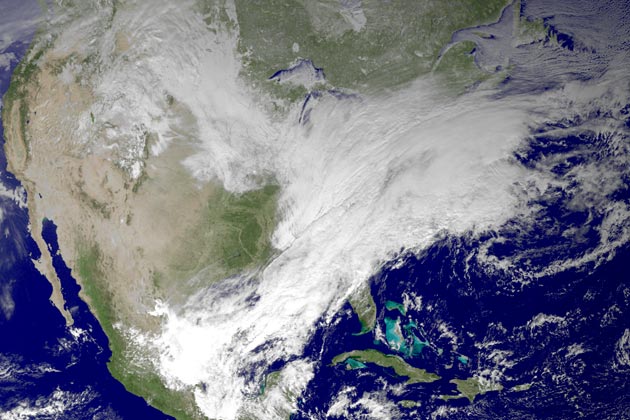
Polar vortex, the term attributed to the recent frigid weather patterns that recently put much of North America, Europe and even the Middle East into the deep freeze, is now slated to become even more frequent, due to the increasing melt-down of the earth’s Arctic ice cap. The polar bears are moving south and if you are living in a warm or tropical country, now might be a good time to get a second citizenship!

This phenomena is caused by a weakening of the normal jet stream air currents that encircle the earth’s arctic regions, due to higher than average summer temperatures. As a result, these “meandering” jet stream air currents are now dipping into the more southern regions, bringing with them frigid Arctic air.

Fortunately, these polar air dips usually last only a week or two; but they are intense enough to make northern American cities like Chicago, Detroit and New York City experience frigid temperatures of well below zero; often combined with heavy snowfall and strong winds. Many European cities experience intense these winter weather bouts as well. Climatologists and other scientists studying the adverse weather patterns are now tying these jet stream dips to faster than expected melting of Arctic ice, especially in the polar region.

polar vortex is making crazy weather

Melting polar ice fields are exposing more of the dark Arctic Ocean surface, which absorbs more sunlight, resulting in an even more accelerated melting factor. The result are increased ocean temperatures, which  cause the newer layers of Arctic ice to melt even faster.

snow on the western wall, jerusalem

Many climatologists are now attributing this to mankind’s continued reliance on fossil fuels, combined with other human influenced depletions of the earth’s natural environment. In regions such as the Middle East, people now experience more adverse weather patterns, including crazy summer “heat domes” that will make many areas (like Jerusalem above) uninhabitable by 2100.

polar vortex, arctic weather change

“We are now in “uncharted territory,” says Prof Jennifer Francis, an Arctic climate expert at Rutgers University in the US. “These rapid changes in the Arctic are affecting weather patterns where you live right now.”

Read more on human caused climate change issues:
It’s not the tide. It’s not the wind. It’s us.
Will the polar vortex “dip” freeze the Middle East?
Time to Adapt to Climate Change

New UAE Food Bank aims for full bellies and zero waste

0

food bank UAEGreen Prophet recently posted about 2017 being the Chinese year of the monkey, but the Vice President of the United Arab Emirates (UAE) has instead declared it the ‘Year of Giving’.  H.H. Sheikh Mohammed bin Rashid Al Maktoum, ruler of Dubai and UAE VP, has launched the non-profit UAE Food Bank, which will distribute unused food from commercial sources to those in need. It aims to make Dubai the first Middle East city to reach zero food waste.