
Home Blog Page 142

Why should forex traders be worried about currency risk – and what other risks are there?

0
seasteading
Blockchain and forex can be applied to benefit the environment. But there are risks.

As with any form of trading and investing, forex carries with it a modicum of risk. Some of the most lucrative pairs on the market are often some of the most volatile – which means that while the peaks may be high, the dips are also likely to come around thick and fast. For the average trader, this means holding your nerve and keeping a close eye on all of the statistics peeling forward.

But what is currency risk? ForexTraders has a fantastic in-depth library of advice for you to pore through in terms of wider reading. However, in the here and now, we are going to consider this particular type of risk on forex, why it is unique in how it affects FX trading, and what other risks you need to be aware of. Forex can be lucrative – and yes, it is entirely possible to make a passive income – however, heading into the market without an awareness of risk is simply not viable.

Currency risk in brief

Currency risk ultimately concerns the waves in strength and weakness that all currencies experience. For example, if GBP dips in value against USD, it immediately becomes more expensive for a British investor to purchase US goods. However, this is looking at things purely from the angle of goods transfer and trading.

Forex is interesting in this regard as, of course, you are purely investing based on the strength of money. Many people, for example, choose USD/EUR as a pair simply because it swallows up the most volume. The GDP strength and relative value of both currencies have proven to be steadfast during some of the biggest financial, social and health crises of the modern age. Therefore, playing it safe via strong pairings (normally with USD attached) is considered a wise manoeuvre to beat back currency risk.

Currency risk can plague forex investors if their asset appreciation depends on the value of the pairs they have in play. If GBP was to fall suddenly overnight, for example, and a forex investor has a GBP/EUR pair at the heart of their portfolio, they are likely to suffer some bite back from currency risk.

A simple way to avoid this, of course, is to diversify. It is not a wise move to consider placing all your forex investments in one particular pair, especially if it does not have a strong anchor backing things up. However, there are other risks you need to be aware of while trading.

Other risks to consider in forex trading

Blockchain, cryptocurrency
Crypto exchanges, or financial markets using the blockchain can also be used for environmental good. Check the CSR policies of the ones you choose.

Just as there are pros and cons to investing in certain businesses, there are also strong for and against arguments when it comes to diving into forex. That said, provided that you manage a forex portfolio well, there is nothing to say that you cannot make strong passive income on the side.

One of the bigger risks to consider is time difference. Markets will open and close at different times of the day – for example, if you are trading in JPY and EUR, the market openings will likely overlap or even miss each other. Even if you time things perfectly, you need to remember that forex is open for trading 24 hours a day.

This means that there is, unfortunately, a risk of you making a trade at a specific value, and that value changing dramatically when markets open back up again the next day. Timing is essential if you want to avoid big losses.

You also need to consider how interest rates can impact the relative strength of a given currency at any moment in time. A country with a rising interest rate is likely to have a stronger currency on forex – the opposite is true if that interest rate drops. This falls in line with general currency risk, as well as socioeconomic matters that can destabilize weaker currencies.

What’s more, there is also the risk of your broker, or counterparty, dropping out of a contract or defaulting. While the best brokers will give you their word, if social or economic matters change too wildly for your seller to stick to an agreement, their dropout may risk your assets.

There is always a risk

Heading into forex without any kind of plan for risk mitigation is simply not viable. These markets are volatile simply because everyday life and political events can always set things rolling in extreme directions. Always plan ahead, and find a broker that can help you weather the potential storms to come.

It’s Time to go Vegan in the Bedroom with Vegan Condoms 

0
eco friendly dates
Ideas for dating in vegan times

Allergens, animal bi-products, and discomfort — the crux of safe sex with latex condoms. Traditional latex condoms are one of the best forms of contraception and protection against STDs but there are numerous negatives to traditional latex condoms. These negatives prohibit many from using condoms at all, therefore, increasing the risk of unwanted pregnancy and risk of STDs.

According to the American Psychological Association hookups are becoming more ingrained in popular culture, reflecting both evolved sexual predilections and changing social and sexual scripts. Hook-up activities meaning any range of casual, often meaningless sexual behaviors including kissing, oral sex, and penetrative intercourse. Let’s be real, hookup culture is a large part of western society now for all age ranges, genders, and sexualities, but with an increased number of people being part of the culture there’s an increased number of potential STDs and unplanned pregnancies which in turn can lead to mental health issues as well as physical. So protection is key, but with so many negatives to latex condoms, many don’t use them putting themselves at a greater risk. 

Condomania, the largest online retailer for condoms in the US and formerly a brick and mortar store in Manhattan founded in 1991 provides its customers with access to safe, reliable sex products as well as sex education resources. Over the past two decades, they have expanded beyond its New York home and have shipped millions of condoms across all 50 states via its website. Customers can now find access to a variety of carefully sourced condoms, lubricants, toys, and more within seconds of visiting the online store. Condomania who has a focus on sex education and ensuring people have access to information regarding sexuality and safe sexual practices has an answer for those who don’t want to use traditional condoms as a result of displeasure, allergies not wanting to support a product with animal bioproducts as well as any other reason. For the non-latex wearer, Condomania recommends vegan condoms, yes, vegan condoms. 

Vegan Condoms

Most traditional condoms are made from latex which is harvested from rubber trees so they must be vegan right? Wrong, traditional latex condoms are required to rest in a casein bath, casein is a protein commonly found in milk products. Those with a latex allergy who wish to use condoms also only have the option of using lambskin condoms, but they have tiny holes which decrease STD prevention and aren’t animal friendly due to their dependence on animals.

Vegan condoms, on the other hand, are a more sustainable condom option. Unlike traditional latex condoms, vegan condoms replace casein with plant-based alternatives such as thistle extract. Since they have less harmful irritants they are also less likely to cause yeast infections or other bacterial infections commonly caused by traditional condoms.

“There’s growing environmental awareness but does that mean everyone wants to know if their condom is vegan? – No. Everyone is thinking about the ingredients in their food and their makeup, but no one is thinking about the ingredients that go in the products they put in the most intimate parts of our body.” NEW YORK TIMES

Vegan Condoms for Wellness and Health

Traditional condoms are typically saturated in lubricants packed with other potentially harmful chemicals, fragrances, and additives. Additionally, condom production requires the frequent use of hardeners, preservatives, softeners, agricultural chemicals, and other harmful substances. While there is no specific or concrete proof that traditional condoms are better for one’s health, the chemicals that are involved in the treatment process or lubrication of latex condoms can throw off the delicate pH balance of our reproductive systems particularly in women which can lead to several vaginal issues such as urinary tract infections (UTI’s), yeast infections or bacterial vaginosis.

Vegan condoms, unlike their latex counterparts, opt for natural and plant-based ingredients such as pure silicone oils for lubricants or using organic, food-safe fruit and vegetable extracts for flavored and colorful condoms. Using natural products instead of chemically loaded additives and preservatives can ultimately reduce health issues that may be triggered by sex and those that are commonly seen in women. 

But Condoms Don’t Feel Good Babe…

Any sexual being knows skin-to-skin contact feels, in plain terms, better. We’ve all heard the “but it doesn’t feel good” excuse or the “babe but..”

Vegan condoms like Hanx or GLYDE are free of nasty chemicals and don’t cause vaginal dryness or irritation allowing for natural lubrication and increased pleasure. There are also many thin vegan condoms for closer contact so you can focus on having fun and not being uncomfortable.

I’m a Vegan Now

Condoms of any type reduce the risk of STDs and prevent unwanted pregnancy, and they should be used always to protect yourself and others. Luckily with the development of vegan condoms, there are alternatives to traditional condoms that support women’s vaginal health that are cruelty-free, and still, feel pleasurable. They also prevent your 2am hookup from saying “I’m allergic, I can’t wear one” or “they’re uncomfortable” since many vegan condoms do have an extra thin option where they barely feel like a barrier and don’t take away from pleasure.

While those with a latex allergy may feel weary when condom shopping, there are a number of vegan condoms options they can choose from and eliminate the stress of STDs and pregnancy. The thing is, you really are doing the planet a favor by using vegan condoms. Protecting the environment is great, ethical sourcing is great, anti-allergen is great and love is great so it’s time we all go vegan. 


Minimally Invasive Spine Surgeries That Will Help You Relieve Back Pain

0

man in yoga pose, CBD anxiety

Minimally Invasive Spine Surgery (MISS) offers an alternative to conventional open surgical operations that are operated to solve a variety of different spinal disorders. These include herniated disc, Lumbar spinal stenosis, degenerative disc disease, vertebral compression fractures, and scoliosis. Today, MISS is great to stabilize the spinal joints and vertebral bones and/or relieve pressure on the spinal nerves that can occur as a result of bone spurs, spinal tumors or infections, spondylolisthesis, or spinal instability. Unlike traditional surgeries, minimally invasive surgical procedures are safer, faster, less painful, and have a shorter back surgery recovery time.

During a minimally invasive surgery, your surgeon will make one or multiple small incisions of about half an inch. An endoscope (a small metal tube) is positioned through the incision to help the surgeon analyze the small operative area. Smaller incisions result in much less damage to soft tissues and muscles compared to a single big incision. 

Benefits of Minimally Invasive Spine Surgeries 

The idea of undergoing surgery is always a scary one, let alone a spinal surgery. Nevertheless, with minimally invasive surgery, you get certain advantages that can help you take a sigh of relief. These include:

Low Level of Risk 

Because the incisions made are small as compared to large openings on the neck and back, the risk of infection is significantly minimized. You also face comparatively lesser blood loss. Moreover, limited intrusion also eliminates the possibility of muscle damage. Blood loss during surgery is also lessened as the openings made are smaller. 

In addition, the procedure uses lesser anesthesia compared to traditional surgery. This lowers the risk of complications related to anesthesia during the surgery and recovery. 

More Cosmetically Pleasing 

Besides its health benefits, minimally invasive surgery also has aesthetic advantages. Small incisions result in minimal scars. This is not the case in traditional surgeries, where patients are often left with big prominent scars on multiple areas. If scarring is your major concern, minimally invasive surgery is your best option. 

Faster back surgery Recovery Time

Most patients dread staying in the hospital for long periods of time. With minimally invasive surgery, different procedures require little downtime. The overall recovery is less limiting, making the post-surgery experience rather pleasant. 

Another big advantage of MISS comes in the form of less pain during the recovery period. Smaller incisions translate to less muscle damage which means less pain both in the short and long terms. This substantially reduces one’s dependence on pain medications. 

How Do Minimally Invasive Surgeries Work?

The spinal nerves, discs, and vertebrae are located deep inside the body. This means that in order to access them, the muscle tissue needs to be moved out of the way. Typically, this is done by using making small cuts and guiding microscopic cameras through them. Lasers are rarely used in MISS.

Common Minimally Invasive Spine Surgery Options for Back Pain

Minimally invasive surgery uses a number of techniques designed for different back problems. The most widely used options include:

Discectomy 

The disks in our spine are elastic rings filled with soft material that act as cushions between the vertebral bones. Once these rings become weak, the tissue inside can herniate or protrude out of the elastic ring. The protruding disk can put pressure on the nearby nerves, causing discomfort and pain. Minimally invasive surgery can be used to trim or completely remove the herniated disc with the help of an endoscope or tubular dilators. 

Transforaminal Lumbar Interbody Fusion

This is a type of minimally invasive surgery done on patients who experience refractory lower back pain as well as radicular pain linked with a herniated disk, degenerative disk disease, or spondylolisthesis. The operation is done on the back using two incisions. Rods and screws are then put between two or more levels of the vertebrae. The intervertebral disc is removed, and a cage with a bone inside is placed in that space to stabilize the vertebrae. 

Spinal Decompression 

When the vertebral canal in the spine becomes narrow, the result is the compression of nerves. This is a common back condition called spinal stenosis, which can produce a variety of symptoms like muscle weakness, numbness, and pain. Minimally invasive surgery can be used to remove the soft tissues and bone that might be causing the nerve compression. The most commonly used decompressive procedures are:

  • Laminectomy: A laminectomy creates space around the spine as well as the areas surrounding the nerves. It does so by removing the lamina, which is boney extensions coming out from the spinal vertebrae that might be compressing the nerves nearby.
  • Foraminotomy: A foraminotomy is an operation that uses MIS techniques to remove a small part of the bone present in the spinal foramina. Foramina are very small openings in each spinal vertebra which the spinal cord, nerves, and arteries pass. This surgery is widely used to restore spinal mobility and eliminate any associated symptoms. 

Kyphoplasty

Kyphoplasty is generally recommended when back pain results from a fractured vertebra. The process involves the use of a catheter to inject a surgical balloon into the fractured area. The balloon then fills in the gap between the vertebras.

What is the Recovery Period Like after a Minimally Invasive Spine Surgery?

In comparison with traditional open surgery, minimally invasive spine surgery leads to less pain, low muscle damage, and a faster recovery period. Generally, patients are of MISS are expected to stay in the hospital for 3 to 5 days. However, the exact length of the recovery time will differ from one individual to another depending on various factors. These include the difficulty of the procedure undergone, age, medical history, and expertise of the surgeon. 

Some patients may have to take the help of physical therapy after the surgery to regain strength and quicken the recovery process further. Be sure to keep follow-up appointments with your doctor so they monitor your progress and solve any queries that you may have. 

If you are experiencing any sort of back problems, you should consider getting a minimally invasive spine surgery to correct any spinal issues that you might have. Get in touch with a spine center for their expert opinion. 

The New Normal: Indoor Fitness And Treadmills

0

man at gym

Elevate your heart rate and get your lungs pumping as you run towards overall fitness with a treadmill. Especially today, treadmill exercise is the workout of choice by many. It provides functional benefits, which are essential in reaching your fitness goals.

Training with a treadmill can make your indoor exercise routines more fun and exciting. It allows you to engage in a full-body workout while in the comfort of your home. When it comes to home gym equipment, it is undoubtedly one of the best alternatives out there.

 Prioritizing Indoor Fitness Routines

With what’s going on in the world today, our health is more important than ever. As fitness centers and gyms close due to health protocols, indoor exercises are slowly gaining traction. This trend is beneficial in many ways.

Exercising indoors allows you to work with privacy. This way, you don’t have to bother with prying eyes when doing your workouts. It will enable you to enjoy the freedom and gain more confidence throughout your session.

Unfavorable weather won’t hinder your exercise schedules because you can enjoy your routine in the comfort of your home. It is also a great way to cut down on your expenses as you would no longer need to avail any memberships.

Choosing the right surfaces for your workout area matters, and the IRON COMPANY home gym flooring guide can help you compare options that support comfort, safety, and durability. A solid flooring choice can reduce noise, protect your equipment, and make your home workouts feel more consistent.

Fitness and Treadmills

If you want to upgrade your home gym, consider incorporating a treadmill into your routines. A home treadmill is a perfect alternative to outdoor running. It can accurately simulate a variety of terrains that other fitness equipment can’t provide.

Among other cardio exercise machines, the treadmill is one of the most sought-after equipment. These include weight loss, strength training, boosting endurance, and cardio exercise.

Benefits of Treadmills

Without any doubt, a treadmill is not your average exercise equipment. It has a lot more to offer, including the following:

Prevents Injuries

woman running in black body suit on a track

Treadmills are a great alternative to an actual running exercise. Choosing treadmills over outdoor activities can be beneficial. Particularly to those who want to avoid the risk of knee and joint issues.

Jogging and running outdoors where the surface is either asphalt or concrete can place a critical amount of stress on your legs and joints. In contrast, treadmills prevent injuries by lowering impact through their padded running belt. It can also cut the possibility of tripping and sliding. These often happen outdoors, where terrains are unpredictable.

User-customizable Options

With treadmills, you can adjust the intensity of your exercises from a wide range. With its various resistance levels, you can either choose to run a marathon or take leisurely walks. You can enjoy your workouts and be confident because you are in complete control of your movements.

Depending on your preferences, treadmills allow you to challenge yourself. You can do so by switching between various speed limits and incline settings. Whatever it may be, treadmills will surely help you reach your workout goals in no time.

Versatile

Treadmills allow you to add variety to your workouts. If you want to boost your mood and get motivated during your routine, you can incorporate your other favorite activities as you work out.

Get your creativity up and running by mixing and matching that will help you get more engaged. You can either read a book, watch TV shows, listen to music, and many more. 

Status-tracking

You can personalize your fitness activity to be more suitable for your body’s demands. Who else can know better about your capabilities other than yourself? Modern treadmills (even green gyms!) have built-in scanners that enable live tracking of your body’s response as you work out.

This user-friendly fitness tracker allows cloud storage and data backup for Mac. Thus, you can make a record and have a look at your progress levels. You can use these data as your basis to improve your routine.

Online Fitness Programs

Do you prefer having someone to guide you throughout your routines? Newer models of treadmills have interactive features where you can select specific programs.

It has a virtual fitness coach who adjusts your treadmill settings depending on the demands of your chosen training program. You will undoubtedly feel that you have a personal trainer at home. Some applications can also bring you to various locations that you can simulate through the display screen.

Want to start looking and feeling good about yourself? Maintaining an active lifestyle during this time of uncertainty and fear is a challenge. Luckily, home workouts are a game-changer. With the right fitness equipment, you can reach a healthier and better lifestyle. Complete your training and incorporate a treadmill into your routines.

Will engineering bacteria save us?

0

bacterial in petri dish

Bacteria may rule the planet and they certainly rule our gut. Will engineering help us or be our downfall?

The World Health Organization recently defined bacteria resistance to antibiotics as one of the most significant dangers to public health and food safety.

According to researchers, given that beneficial and pathogenic bacteria have fought each other over resources and nutrients since the dawn of time (and can be used to grow food on Mars), they have developed a variety of sophisticated mechanisms that neutralizes their competition. That is one reason why people swallow poop pills. We didn’t make this up! 

Understanding the mechanisms that mediate these bacterial wars will enable their utilization and conversion into new tools that will be used to treat diseases caused by antibiotic-resistant bacteria.

In the Tel Aviv University study, researchers ‘borrowed’ a toxin injection system – known as a Type 6 Secretion System – from a pathogenic bacterium and introduced it into a ‘friendly’ bacterium, Vibrio natriegensThis ‘friendly’ bacterium is not harmful to humans or animals and can survive and reproduce under a variety of conditions. The injection system is similar to a poisoned arrow shot from a bacterium towards neighboring bacteria.

Toxins carried on the arrow then mediate the elimination of competing bacteria. With the help of central regulator protein that they identified, researchers were able to produce an ‘operating switch’ for the system and cause it to ‘turn on’ only in response to recognizing desirable environmental conditions. In addition, researchers proved it possible to control the type and amount of toxins that are loaded on the arrow, thus adjusting the system’s killing range.

Dr. Dor Salomon explains, “The system that we built allows us to engineer ‘good’ bacteria that can recognize pathogenic bacteria, attack them with toxins and neutralize them. We know how to change and control every component in the system and create a bacterium that neutralizes different strains of bacteria. This is proof of feasibility, showing that we have the knowledge and ability to create bacteria that take advantage of this killing system and may serve as antibiotic treatments. Such bacteria could replace the classic antibiotics that we currently use in a variety of scenarios”.

According to Dr. Salomon, researchers created the prototype in a bacterium occurring naturally in salt water. Therefore, it is particularly efficient at neutralizing bacteria are pathogens found in fish and other marine creatures used for food. “The system in its current form is predominantly suited for preventing and treating bacterial infections that affect the production of food from marine animals. Fish and other seafoods constitute a major food source in many regions around the world. Their productivity is severely impaired as a result of bacteria-borne diseases”, continues Dr. Salomon.

“Since we want to avoid pouring antibiotics into aquaculture farms, a biological solution such as the one we have developed is an effective alternative. Moreover, our system can also be adapted to treat pathogenic bacteria in humans, farm animals, plants and the environment”, he concludes.


7 Ways Businesses Can Reduce Their Environmental Impact

0

windows of office buildings at night new york

Environmental pollution and degradation have become a significant source of concern as the latest climate change reports forecast a grim future for the planet. Unfortunately, manufacturing industries and businesses are some of the most significant contributors to environmental pollution.

Many innovative business owners embrace eco-friendly business processes, which improve their general impressions and acceptance. If you’re a business owner, you don’t have to sacrifice your operations to support conservation. Here are seven ways every business owner can contribute to a healthier environment.

Decrease the environmental impact of company construction projects

It’s no secret that construction projects contribute to environmental pollution. Construction machinery, for example, releases smoke containing different hazardous gases. There is also disruption of creatures’ natural habitat such as trees, microorganisms, and other animals. Lastly, drilling and building contribute to soil erosion.

Infrastructure developments cause pollution and waste. To decrease the environmental impact of those projects, business owners should place a strict rule on fuel usage. Also, there should be noise reduction and proper waste disposal policies.

Another way to minimize the environmental impact of commercial construction projects is taking erosion control precautions. There are many erosion control methods, such as the use of silt fences and gravel entrances.

If you invest in erosion control, be sure to partner with an experienced vendor. Poor quality erosion control products might do more harm than good, so thorough research is a must. One reputable erosion control products provider is Granite Seed, which offers erosion control and seeding solutions.

These products help to minimize environmental damages. They cover fragile soil and protect it from displacement, runoff, and other hazards. Erosion control tools also help to rehabilitate the land for native plant species. Browse an erosion control catalog or speak to a representative to determine which solutions make sense for your next development project. 

Paper-free workplace

A large quantity of paper in the office ends up in the waste bin, contributing to environmental pollution. Apart from documents adding to environmental waste, the increase in paper production increases deforestation.

Going paperless will impact the environment positively. Business owners should embrace digital tools for their daily administration and operations. Cloud storage, emails, and digital reports will reduce paper use, leading to a greener, more tree-friendly work environment.

Reduction in disposable items

Disposable cups, spoons, and plates increase the waste generated by an office. To reduce waste, stock your place of business with reusable supplies. It will not only benefit the environment, but it will also save on the cost of one-use utensils and plates.

Energy conservation 

Regulate all energy-consuming items. Switch off appliances when not in use. Also, ensure your buildings are well insulated to avoid wasting gas and money. You can also adopt more eco-friendly energy generation strategies, such as solar energy and heating.

Adopting remote working

Commuting to work is the primary cause of traffic congestion. Remote working means fewer people buy and burn fuels in their vehicles. This switch reduces the quantity of harmful gas in the environment and oil and fuel spills on the road. 

Use cloud storage 

Cloud storage reduces the need for hard copy documents. Switching to a cloud storage solution can make your other eco-efforts easier, such as adopting remote work or going paperless. If you adopt a serverless approach to cloud storage, you can also use energy more efficiently–think of serverless like carpooling for data storage. 

Support environment restoration programs

There are many programs set up to increase awareness of the importance of the environment and pollution reduction. Business owners can plan that type of program or volunteer for recycling programs. Get your employees involved by offering incentives like extra PTO or casual dress days.

Green Development Reviews the Social & Economic Benefits of Carbon Reduction

0

Offshore wind farm, wind energy, Masdar, London Array, renewable energy, clean tech, green tech, UK, E.On, Dong,

The social costs of carbon emissions are the economic losses and human welfare degradation that are forecasted to occur with the addition of one extra ton of carbon dioxide into the atmosphere.

Economists apply scientific models to calculate quantifiable measurements related to how additional carbon affects agricultural productivity, human health, labor efficiency, energy consumption, damages due to sea-level rise, and many other aspects of human life. Green Development LLC is at the forefront of combating the social costs of carbon emissions through its large-scale renewable energy projects in Rhode Island.

In this article, we explain what social and economic effects have been foreshadowed by leading economists and how the socio-economic benefits of renewables offer protection from these risks. 

What are the social costs of carbon emissions?

The social cost of carbon is determined using what are called integrated assessment models. These models calculate atmospheric concentrations due to an extra ton of carbon emissions and the effects on average global surface temperature and precipitation, then these effects on biophysical impacts on agriculture and sea level, and, ultimately, the damages inflicted upon the economy and social welfare. 

In the United States, where agriculture is a relatively small percentage of the economy health and labor productivity are at the core of social costs of carbon calculations. For example, rising temperatures have been shown to decrease work productivity, increase heat-related deaths, and even increase the rates of homicides, suicides, and traffic accidents. Incorporating mortality costs into the social cost of carbon calculation increases the current rates by sevenfold.

The Institute for Policy Integrity at New York University School of Law predicts total costs of climate change worldwide could amount to $1.7 trillion per year by 2025, increasing to $30 trillion per year by 2075. A study focusing on the United States projects that every 1˚C increase in global temperatures will lower the gross domestic product (GDP) by 1.2%; for reference, the GDP dropped by 3.3% in 2020 due to the COVID-19 pandemic, resulting in millions of lost jobs. 

Why are the social costs of carbon emissions important to quantify?

It’s well documented that shifting towards renewable energy and curbing our carbon emissions is important for the environment. However, having hard numbers to present to policymakers, large corporations (and their lobbyists), and voters are critical for implementing policy changes that prioritize our transition to renewable energy resources. By emphasizing a cost-benefit approach, economists can show that any initial costs are greatly outweighed by the social costs of allowing carbon emissions to continue to grow unchecked. 

The last two U.S. administrations have already utilized the social cost of carbon to guide fuel economy standards. Regulations with over $1 trillion in benefits have been written in the United States that use the social cost of carbon in their economic justifications. That being said, whoever is holding the calculator tends to define the resulting figure. The Obama administration reported $43 per ton. The Trump administration estimated $3-5 per ton (which was used in justifications for lowering fuel economy standards). The Biden administration lists the cost at $51 per ton. And yet it’s still complicated for homeowners to generate their own solar power. Read our DIY solar guide here and the challenges you may need to overcome.

What are some of the socio-economic benefits of utilizing renewable energy resources?

The International Renewable Energy Agency (IRENA) projects that reducing global carbon dioxide emissions in line with the Paris Agreement would improve the GDP by 0.8%. More importantly, however, is that implementing renewables has a 4% increase in human welfare—defined by a combination of increasing consumption, investments, employment, and health and education expenses while decreasing greenhouse gas emissions, material consumption, and health impacts from local air pollution. 

Reduced Health and Environmental Hazards

Reducing (if not eliminating) our use of fossil fuels inherently offers reduced air and water pollution. The Harvard Chan School of Public Health estimates that the impacts of coal and the waste stream it generates costs the United States one-third to over one-half of a trillion dollars annually. Utilizing clean energy resources significantly reduces the health and environmental hazards from the production and consumption consequences of coal and other fossil fuels.

Increased Employment Opportunities, National Economy Boost, and Gender Equality

Estimates from IRENA also show that both direct and indirect renewable energy employment expanded to 8.3 million people worldwide between 2013 and 2017, plus an additional 1.5 million jobs in large hydropower. With more job opportunities typically comes more spending on goods and services, which benefits local and national economies. In addition, the traditional energy sector is male-dominated, but 35% of the labor force in the renewable energy sector is reportedly women, offering increased opportunities for diversity and inclusion

About Green Development LLC

Green Development LLC is the leading developer of large-scale renewable energy projects in Rhode Island, specializing in wind, solar, and battery storage. The company delivers significant energy savings to municipalities, quasi-public entities, nonprofits, and other qualified entities through the virtual net metering program while providing long-term lease payments to landowners and farmers.


5 fast facts about cycling

0
bike on the coast trail
Cycling is good for your health, easy on the wallet, prefect for the last mile and it saves the planet.

Cycling is a great sport enjoyed by many people all over the world. Cycling is an affordable, eco-friendly way to travel, explore and can be used to get about on a variety of terrains in many different weather conditions. 

Whatever your reason is for cycling, be it to commute to work, to partake in an adrenaline filled adventure or for a brisk weekend ride, there are many facts about cycling that we wanted to share with you.

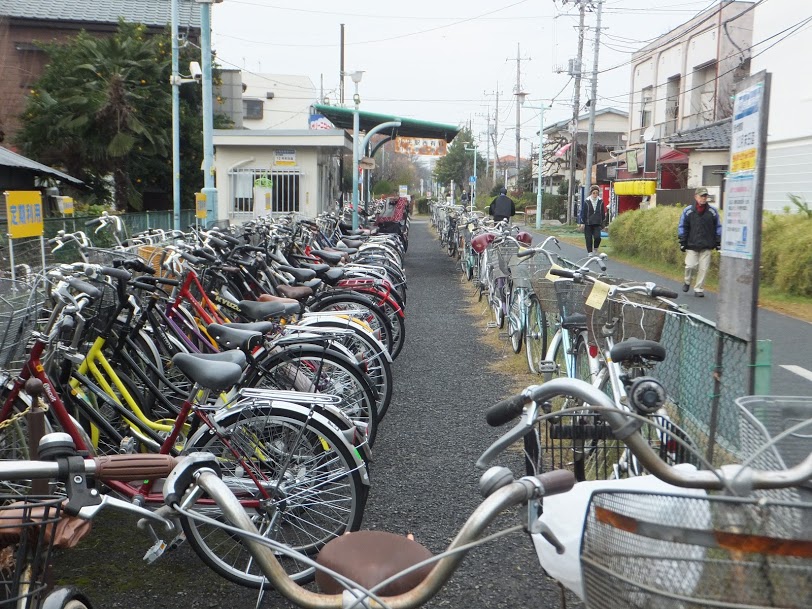
1) You can fit up to 15 bicycles in the same space a car would occupy

Bike parking lot in Japan

Our first fact highlights multiple benefits of cycling. Firstly, cycling is a great way to reduce traffic, this helps to make journeys faster for all. The reason why cycling reduces traffic is because bikes take up a lot less space on the road than what a car does. Secondly, and more importantly, cycling is a great way to reduce greenhouse gas emissions. To put into perspective, riding a bicycle accounts for only 21g of CO2 emissions, which is ten times less than a car produces. This means that the more people who switch from using a car to a bicycle, the less CO2 is released into the atmosphere.  

2) it is 20 times cheaper to maintain a bicycle than a car

You heard it here first, it’s pretty obvious, we all know cars can be a money pit. It doesn’t matter whether you buy a new car or an old car, either way you are more or less going to have to spend money on it again for one reason or another. Although a bike does need to be maintained and things can go wrong, a bicycle is much cheaper to maintain and what’s more is that you can maintain it yourself fairly easily.

There are amazing resources out there nowadays meaning within minutes you can find a how to guide, a video or an affordable course to teach you everything you need to know to fix or maintain your bike. One company who provides useful cycling maintenance tips, tricks and step by step guides is Cycle Maintenance Academy.

3) The same energy that is expended for walking can be used when cycling to go three times faster.

sustainable beer tours, amsterdam, by bike
You can do a sustainable beer tour in Amsterdam, by bike.

Many people assume that cycling requires a lot more effort than walking, however, research indicates that the same amount of energy that is expended for walking can be used in cycling. What people don’t know is that for the same energy required to walk, you can cycle and significantly travel 3x faster. 

Many people assume that cycling requires a lot more effort than walking, however, research indicates that the same amount of energy that is expended for walking can be used in cycling. What people don’t know is that for the same energy required to walk, you can cycle and significantly travel 3x faster, and there are plenty of natural cycling recovery supplements around for optimal muscle recovery and hydration, with options like coconut water and electrolyte-rich fruits among the most popular. 

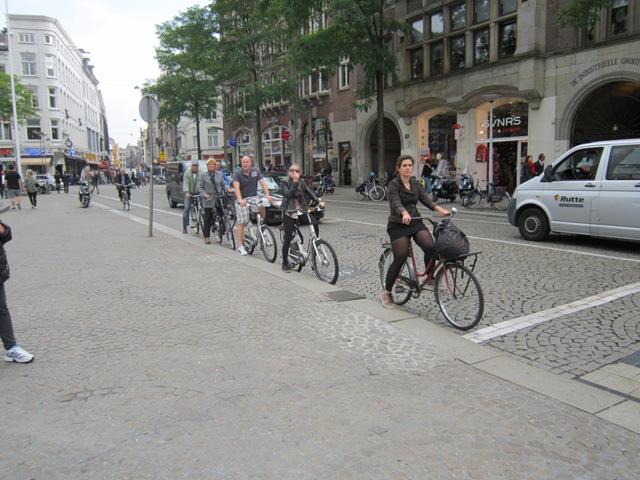
4) 40% of all Amsterdam’s commutes are made on a bike

Amsterdam commute

If you have ever been lucky enough to visit the stunning city of Amsterdam, its hard to miss the mounds of bicycles all over the city, stored in ‘car park’ style areas dedicated to parking up and securing your bicycle. It’s a well known fact that in Amsterdam you have to look out for Bikes probably more so than cars when crossing the road because they’re so agile they can seem to appear from nowhere. Remember to listen out for the ringing of a bicycle bell approaching warning you to stay or move out of their way. Interestingly, Amsterdam is a particularly clean city, which makes us wonder if that 40% of commuters who travel by bike are really making a difference and the impact it could have if 40% of the global population were to commute via bicycle instead of by car. 

5) The energy and resources used to create one single car can be used for the creation of up to 100 bicycles.

In Japan you can also knit socks while cycling

Most of the facts that we’ve discussed so far have demonstrated that cycling is most definitely an environmentally friendly alternative that more of us should consider. Even more significantly is the resources used in the production process of a car and how using that same amount of energy could be utilized to make 100 bicycles. 

Overview of cycling facts

We hope this article has helped give you a better insight into cycling and the huge difference it can make to our carbon footprint. Maybe you may now consider the benefits of choosing to commute to work via bicycle instead of by car. Hopefully, as cities work hard to integrate better cycle routes, the cars on the road will decrease along with the pollution we create.


Murdered in Turkey for trying to save the trees

0
environmental activists murdered in Turkey, Aysin Büyüknohutçu, Ali Ulvi
Turkish environmentalists were killed for protecting the land. The least we can do is petition that justice is served.

Ali Ulvi and Aysin Büyüknohutçu were a loving couple who cared about their land, their forests and the planet. They were murdered five years ago in Antalya, Turkey while challenging mining in a stone quarry. The couple were shot on 9 May 2017 in their home in the Finike district of the Antalya Province in southern Turkey, after winning lawsuits against two mining companies that extracted marble and limestone in open pit quarries, polluting neighbouring villages located in centuries-old cedar and pine forests. 

The two companies as suspects, Bartu Mermer and Bahçeci Mermer, were ordered to cease operations until they remedied their environmental damage, but Bahçeci Mermer continued to operate illegally, and Bartu Mermer unsuccessfully sued Mr. Büyüknohutçu for defamation.

According to Earth Island,  “The killer is assumed to have chased Aysin to the verandah, where she had gone to scream for help. Strangely, she was found with her arms above her head as though she has been dragged to the site and her body was face up although forensic experts say she was shot from behind. The neighbours — who live out of sight but within earshot — say they heard nothing.”

Instead of finding ways to make their business less destructive, the companies tried to find ways around them, Mary Lawlor, the UN Special Rapporteur on the situation of human rights defenders says. 

It’t not uncommon for Turkey to ignore human rights and environmental rights. Researchers who publish findings on cancer links and pollution are threatened with jail. We interviewed one researcher here about the issue. And others still risk going to jail

“It is high time for Turkey to seriously investigate what really happened in this very disturbing case, given that environmental human rights defenders around the world are often at risk of being killed,. There is much about this case that is suspicious, from the role allegedly played by mine owners to the death of the alleged killer in prison.” 

The Turkish government must get to the bottom of the murder. They were environmental defenders who challenged illegal polluting stone quarries in an agricultural area near Antalya, UN experts writing in a letter have said

“The man who confessed to killing them claimed he had been paid off by a local quarry owner,” Lawlor said. “Why has this line of investigation never been explored?” 

As it turns out, Ali Yumaç, a 31-year-old man who had moved to the area only a few days earlier, confessed to the killings, at first saying it was a robbery gone wrong. A few days later, he revealed that he was hired as a hitman by a local mine owner who paid him a large sum of money to kill the couple. 

Then authorities in Turkey even intercepted a letter he gave to his wife to deliver from prison. Addressed to the owner of Bahçeci Mermer mine, the letter demanded a second instalment for successfully carrying out the killing. A few months later, while still awaiting trial, Yumaç was found dead in a high security prison in a cell designed to be suicide-proof. His death was ruled a suicide. 

“Of course it is possible that there was no foul play, and that he really did commit suicide,” Lawlor said, “but with the authorities refusing to investigate further, how can anyone be certain?” 

In a report to the Human Rights Council earlier this year, Lawlor found that environmental human rights defenders were among those most at risk of killings, often while investigating businesses.  

“Having no investigation or an inadequate investigation creates impunity, and emboldens people to kill more human rights defenders,” Lawlor said.  

“I implore the Government of Turkey to ensure that all lines of investigation are followed to restore trust in the authorities and to secure peace of mind for the Büyüknohutçu family.” 

States must provide a safe and enabling environment in which environmental human rights defenders can operate free from threats, harassment, intimidation and violence, as highlighted in the Framework Principles on human rights and the environment, said Lawlor and two other experts.

How to Pack Your Suitcase More Consciously

0

sustainable suitcase pack

You put a lot of effort into creating a more eco-friendly lifestyle at home. But the moment you need to venture out for a vacation or take a work trip, those efforts can easily fall to the wayside. But if you stay prepared and pack appropriately, you can be an eco-warrior on the road and in the skies, too. Here is how to pack your suitcase more consciously, from choosing a compostable phone case to prevent your iPhone from becoming e-waste to packing reef-friendly sunscreens. 

Use Tech to Your Advantage But Reduce E-Waste

When it comes to packing a suitcase more consciously on your travels, tech devices can come in handy. For example, storing offline digital maps on the phone can replace a heavy travel guide. However, one worry is that your devices can become easily broken, shattered or cracked during your travels. So, it’s essential to try to reduce your e-waste, too. But just how can you do that?

Easy! By protecting your electronic devices properly. Whether you use comfortable, eco-friendly Apple Watch bands or keep your Apple earbuds from collecting dirt with AirPods cases, you can preserve your tech and keep it from dents, dings and splashes. 

Pack Minimally

Another way you can pack your suitcase more consciously is by reducing how many clothes you bring. Face it: There’s always a pair of shoes or a cute top you insisted on bringing, only to wind up wrinkled and unused at the bottom of the bag. Instead of overpacking for your trip, think more minimally and bring only what you absolutely need. 

minimal packing

By packing only the necessities, it also lightens your load. And lightening your load can ultimately reduce your carbon footprint, both by air travel and vehicle transportation. Yes, your suitcase’s weight does have consequences. Think about it: You already know that the more loaded your car is, the more it affects the gas mileage. The same holds true with an aircraft’s weight, burning more fuel the heavier it gets. According to Climate Change and Energy Solutions, if passengers simply choose to remove one pair of shoes, a plane’s fuel savings would equal 10,500 cars off the road each year. 

So aim for less clothing, shoes, etc. Bring along versatile and transitional garments and accessories — leggings, jeans and neutral-colored tops and sweaters — instead of something special for every occasion, day and night. Try to contain it in only one carry-on size piece of luggage to reduce your emissions and an extra backpack or tote for reading material, snacks and your reusables (more on that later). 

In short, think of your suitcase as a super tiny capsule wardrobe. Take only what you need to get by and nothing more.

Fill Your Suitcase with Sustainable Clothes

Not only should your clothes make up a stylish capsule wardrobe, but each garment should be made sustainably. But what exactly makes a sustainable piece of clothing? Upcycled apparel and even textiles made from renewable, sustainable materials like bamboo or hemp are all great options. If you choose cotton, reach for organic styles. Cotton is more harmful than you realize. According to the WWF, producing one cotton shirt or pair of jeans takes over 20,000 liters or 5,283 gallons of water. 

Also, make sure to avoid fast fashion. While it’s tempting to go shopping for the latest, trendiest clothes for your vacation, be more mindful of the garments you buy. Choose items that can be rotated in your wardrobe for a long time. The fashion industry is solely responsible for eight to 10 percent of global carbon emissions, not to mention fast fashion supports inequality in developing nations. So it’s time to nip it in the bud and cut down on how much we shop for clothes. 

Pack the Reusables

Traveling away from home means you’re met with an onslaught of single-use plastics. It’s tough to escape from the miniature hotel shampoo bottles to the plastic water bottles and cups served during flights. So do your part and prepare with your arsenal of reusables. 

What kind of reusables? Glad you asked! Here’s a quick list:

  • Water container — Did you realize our society is still consuming and going through one million plastic bottles a minute? It’s ridiculous if you ask us. So do your part and fill up a reusable water bottle at a water fountain to avoid needing a plastic water bottle.
  • Metal or Silicone Straw — Ditch the plastic straw and bring your own. Choose one that slips into its own container or cloth wrap so it doesn’t pick up any dirt or grime in your suitcase or luggage. 
  • Utensils and Food Containers — Along with a reusable straw, be sure to pack some utensils, too. Don’t forget the aluminum bento box or glass container to pack up those leftovers, too. 
  • Toiletries — Don’t basically bring your own mini hotel bottles. Instead, opt for plastic-free toiletries like shampoo bars. If you need to bring beauty products, pack reusable makeup remover pads or refillable containers for lotions.  
  • Tote Bag — A tote bag will help you say “no thanks” to those plastic bags at the market or a souvenir shop, obviously. 

If you’re flying, be sure to pack reusables in your carry-on luggage, purse or backpack, too. This way, you’re prepared for those in-flight drinks and meals. 

Choose an Ocean-Friendly Sunscreen

Sometimes, it’s not about what you pack, but what you don’t pack. While you can’t wait to get the sun-kissed glow on vacation, be mindful of what kind of sunscreen you bring to your next destination. Sunscreen is quite harmful to the environment and especially our oceans and waterways. Lathering up with sunscreen made with oxybenzone and octinoxate is doing no favors to the gorgeous underwater reefs you’re snorkeling or diving to see. In fact, the Coral Reef Alliance states that these chemicals are partly to blame for coral bleaching. 

Reef-safe sunscreens can be found. However, one way to eliminate or reduce your dependence on sunscreen is to wear other protective layers such as a long-sleeved rash guard and a broad-brimmed hat. In areas where you need to wear sunscreen, reach for more natural mineral-based options such as zinc oxide or titanium oxide.

Best Coastal Bike Rides for the Fall

0

bike on the coast trail

Are you looking for a fun and healthy activity to enjoy with friends or family this fall? Bike riding is in season every season, especially if you visit some of the best trails and paths along the coast. Fall is a perfect time for coastal bike rides because of smaller crowds and excellent weather. Here are some of the best coastal bike trails to check out this autumn when you want a break from your regular routes.

Riding your Bike on or by the Beach

Before you head out, you may want to know a few tricks to make beach riding easier, especially if you are more accustomed to road cycling. Not every bike is ideal for coastal rides; a women’s and men’s comfort bike or hybrid can handle sand well and help you shift from paved paths to off-road conditions. Some people prefer an early start in the day when the winds tend to be calmer; you may want to wear layers if the morning is cooler. Also, sunscreen is a must any time you are outside. Make sure you and your riding companions have plenty of water to avoid dehydration when riding, especially if the temperatures prevent you from working up a sweat.

Best Coastal Bike Trails

Now that you know the basics for a successful ride, where should you go? The US has miles of coastline waiting for you to explore. Some cyclists avoid the Southeast during the fall when hurricane season is in full swing, but the New England coastline is ideal, thanks to the colorful foliage. Check out these two spots for an unforgettable ride:

  • Cape Cod Rail Trail – This 25-mile ride gives you both forest and coastal vistas to enjoy. The paved trail goes from South Dennis to Yarmouth, with stops in six Cape Cod towns along the way.
  • The Lake Champlain Bikeway – Large lakes may not be your typical autumn coastal ride, but this 1,600-mile system of loops and trails takes you from upstate New York through Vermont and across the border to Quebec with plenty of leaf-peeping and water views.

If you rather stick to the Pacific Coast for a beach ride or a gentle bike trail for kids near me, plan a visit to one of these locations:

  • Kitsap Peninsula Trail – You’re in for a treat with an autumn ride through this network of coastal bike paths through Puget Sound. Stick to north-south trails for a more leisurely ride; the east-west routes may be better for advanced cyclists.
  • Santa Catalina Island – If you avoid this nearby island during the busy summer, then plan for riding the 40 miles of trails in autumn. See if you need a permit for some routes and take a hard helmet to comply with local regulations.
  • Huntington Beach Bike Trail – at 8.5 miles one way, this may not be the most strenuous, but fall is a much more enjoyable time to take your electric bikes to Orange County for a ride without the crowds.

Hopefully, these suggestions can get you excited about biking this fall. No matter what coast you visit, you are sure to enjoy the benefits that a bike ride delivers.

Sea lions and fishers battle at sea

0
cute face sea lion
Seals and sea lions at risk from fishers

Globally, conflict between recovering seal and sea lion populations and fishing communities has been escalating. This new research presents a unique overview of this conflict, particularly from the fishers’ perspective, and proposes solutions that will be relevant to many fishing communities around the world. Remember the Yatam Havuz from Turkey who was the biggest killer of seals and seal lions? His words. Thankfully his killing spree hasn’t decimated the world’s populations of seals and sea lions and they are bouncing back. 

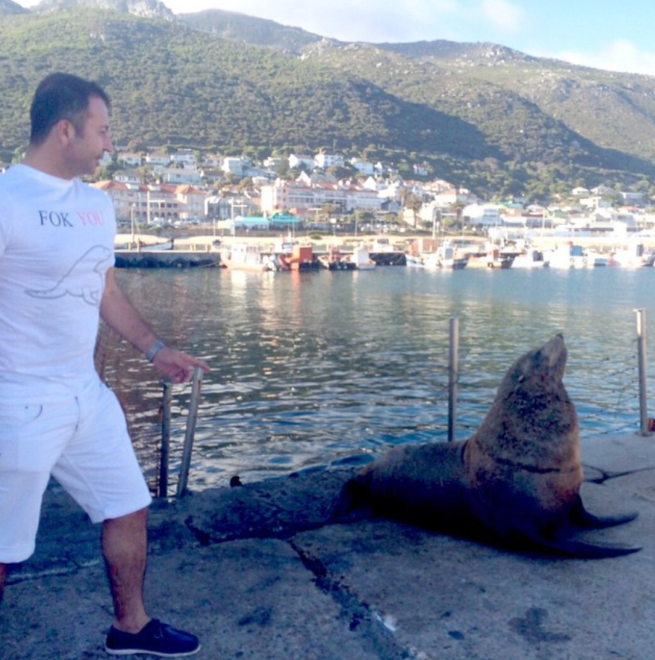
Hatem Yavuz and fok you campaign
Hatem Yavuz and his Fok You campaign against environmental activists. From his Instagram page.

But there is one problem: the fishermen.

In one part of South America, specifically Peru and Chile, marine mammals have been protected since the mid-20th century. Conservation policies have mostly been successful and over the last thirty years marine mammal populations – specifically those of sea lions and seals – have recovered. However, this recovery means that they are coming into contact with local fishers. A new study from Oxford found:

  • Nearly 9 out of 10 fishers have a negative impression of sea lions.
  • Fishers report that on average sea lions reduce their catch and income by over 50%. 
  • While it’s illegal for sea lions and seals to be killed, this is happening regularly with over 70% of fishers admitting that sea lions are being killed to defend catches.
  • Fishers’ overwhelming concern is that sea lion populations are now too large. 

To manage this conflict, there’s a need to balance the competing objectives of wildlife conservation with protection for local communities. There’s still concern about sea lion and seal populations because of how recently they’ve recovered, but small-scale fisheries are struggling, and fishers are often earning less than the minimum wage.

The international community needs to incorporate the needs and opinions of fishers in the global dialogue, including considering if protecting human welfare could involve reducing protection for marine mammals. 

‘If the global community is committed to a post-2020 deal for nature and people where improvements to people’s wellbeing and nature conservation are both fulfilled – the elusive ‘win-win’ – then governments and scientists must engage with these “messy” local conflicts that repeat across the globe but resist high-level simplification.’ Professor Katrina Davis.

Sea lions and seals eat the same fish targeted by fisheries, so they’re in competition for resources, and it’s not uncommon for fishers to catch fish that have already been ‘nibbled’ by the marine mammals. They can also be accidentally caught in fishing nets and break them, meaning that the fisheries must pay to replace equipment. 

naples fishing village
A fishing village in Naples, Italy

By understanding fishers’ motivations and perceptions we can develop more effective managerial solutions to the fisheries. Including managing sea lion populations, providing financial compensation for catch losses and gear damage, training programs, and shifting focusing from fishing to eco-tourism. 

Lead author Professor Katrina Davis says, “A tricky balance must be met between ensuring the future viability of marine mammal populations and ensuring that the livelihoods of small-scale fishers are protected. Fishers perceive that they are suffering large catch and income losses because of sea lions—and it’s these perceptions that we have to manage when we’re developing policy solutions.”

Moving forward, researchers plan to investigate the impact of culls on these interactions, whether this would be viable without harming population levels, and whether it would curb aggression towards marine mammals.  

More Animal Rights Abuses:
7 of the Saddest Wildlife Stories from the Middle East
1 Million Migrating Songbirds Killed for a Pickled Dish in Cyprus
Kuwaiti Kills Wolf and Then Shows Off


Pros and cons of investing in a franchise

0
eco dome on your roof
You might have a dream about growing an urban farm business. By why start with all the startup headaches from scratch when hydroponic farms like Freight Farms are available for franchise?

Investing in a franchise can be a great way of starting a business. Usually, starting a business from scratch means confronting a lot of uncertainty and taking a leap into the unknown. But with a franchise, many of the most important elements for a successful business are already in place, and the underlying brand and concept are proven.

Of course, there are few certainties in business and buying a franchise isn’t a guarantee that you will have an easy ride. Franchises that provide almost instantaneous and sustained success are rare, and there are certainly downsides to buying a franchise instead of starting a business the conventional way.

Pro – Skip the startup stage

Most new businesses will fold within the first few years of opening; the startup phase is particularly precarious. Starting a new business requires more than just an idea and startup capital; you also need a business plan, market research, product testing, and a host of other preparations. Without these, building a successful and enduring brand is an even riskier proposition.

Buying a franchise enables you to skip over this part of the process. By the time a business has reached a point where it can be franchised, it will already have established its brand and proven that the underlying concept can support a viable business. As a franchisee, your job will be to take that concept and make it work in your local market.

Con – You have less freedom over how you run your franchise

Owning a business means you have complete control over how it operates and the freedom to make decisions however you see fit. However, as a franchisee, you will have to make decisions within the franchisor’s operating framework. When you agree to become a franchisee, you will have to sign a franchising agreement that defines the parameters of your relationship with the franchisor.

For some entrepreneurs, this loss of freedom can make running a franchise more difficult. On the other hand, more indecisive leaders might find that the franchising agreement aids their decision making by simplifying their thought processes. Many franchisors will be willing to show some flexibility if the franchisee comes to them with a proposal for adjusting their operating procedures in some way that makes sense. However, franchisees will usually have to seek the franchisor’s permission to make even relatively minor changes, even if they appear to make complete sense.

Pro – Built-in brand recognition

Franchises for sale are already successful in at least one location. Not only does this mean they are built upon a concept that is proven to work, but it also means that the brand has already achieved success and will have established a userbase. Building a brand is difficult and takes time. It is also a completely separate process to building a business. A successful business doesn’t necessarily equate to a popular or successful brand.

As more franchises for sale open in different locations, the underlying brand will reach a wider audience, and its name recognition will continue to grow. Each franchisee is responsible for marketing their franchise in their local area, while the franchisor generally takes responsibility for global and nationwide marketing. Some franchises are so well established that any new franchise is guaranteed to attract a decent amount of business after it opens.

Con – High startup costs

While investing in a franchise means your business can hit the ground running without having to worry about the usual pitfalls involved in opening a new startup, the costs of buying into a franchise can be significantly higher than those of starting a new business from scratch. In some cases, the franchise fee alone will cost a significant portion of a franchisee’s liquidity. It’s important to remember that while a franchise is built upon an already successful business, there is no guarantee that it will be profitable for the franchisee; there’s always an element of uncertainty when opening a new business.

Pro – Training programs

One of the most important benefits of franchising is that you know you are buying into a system that can easily be replicated. The goal of a franchise is to replicate the key elements of a business that made the original branch or outlet a success. That means policies and procedures will already be in place for you and set out in the franchise handbook that your franchisor will give you when you first open a franchise. With all these elements in place, training new staff and bringing them up to speed with how things work and how they should approach their roles is a simple and painless process.

Whether investing in a franchise is right for any individual or not will depend on numerous factors and the specifics of the franchise in question. However, the advantages and disadvantages of buying into a franchise are consistent for almost every case.

17,500 tree species on at-risk extinction list

0
oldest olive tree with man
World’s oldest olive trees are in Lebanon

A new report finds that 30% of the world’s trees are at risk for going extinct. Botanic Gardens Conservation International (BGCI) has published a landmark State of the World’s Trees report. Consider ancient variety of olive trees and trees that bleed like the socotra

The report is the culmination of five years of research to identify major gaps in tree conservation efforts. It is one of the first assessments of the world’s threatened trees.

Canadian species like ash, threatened by the emerald ash borer, and elm, threatened by Dutch elm disease, are among the trees catalogued. Canada is also home to the Global Conservation Consortium for Acer (Maples), which were assessed last year. Examining the globe’s near-60,000 tree species, the report reveals that 30% (17,500) of tree species are currently at risk of extinction.

Karin-Kloosterman-with-tree
Karin Kloosterman hugging a tree

That means there are twice the number of threatened tree species globally than threatened mammals, birds, amphibians and reptiles combined. Over 440 tree species are right on the brink of extinction, the report reveals, meaning they have fewer than 50 individuals remaining in the wild.

These species are found all over the world, from the Mulanje cedar in Malawi, with only a few remaining individuals on Mulanje Mountain, to the Menai whitebeam found only in North Wales, which has only 30 trees remaining.

The report finds hope for the future, however, as conservation efforts led by the botanical community worldwide are growing. Identifying which trees are at risk and ensuring these are protected is the most effective way to prevent extinction and restore endangered species.

The report reveals that at least 64% of all tree species can be found in at least one protected area, and about 30% can be found in botanic gardens, seed banks, or other ex situ collections, but further action is needed.

Kids with nicotine in their hair!

0

muslim woman smoking

We already know how processed food is degrading our kids’ bones. And while smoking seems so 70s, people are still doing it around their kids and the effects are showing up in their hair. According to a new study at a medical school, 70% of children whose parents smoke were found to have nicotine residue in hair samples.

In the study, the researchers sought to examine whether raising awareness of children’s exposure by providing objective feedback might change the parents’ behavior and child exposure. Approximately 140 Israeli families participated in the study, parents of children up to age 8, in which at least one parent is a smoker.

The smoking average per household was 15 cigarettes per day, where one third of the respondents reported that they smoke inside the home, and an additional third said that they are in the habit of smoking on the terrace outside their apartment but not inside the home.

First, researchers tested children’s level of exposure via a biomarker, nicotine in hair, which indicates cumulative exposure to tobacco smoke. The researchers took hair samples from the children and tested the nicotine levels in each sample in a laboratory. (It is important to note that the test was for nicotine that became an integral part of the strand of hair and not just outside precipitate.)

The findings were very concerning: Nicotine residue was found in 70% of the hair of the children tested, and only 29.7% of those children tested did not show nicotine residue in their hair samples. 

Nicotine can have long-term and harmful effects on a child or teenager’s brain. Regular use can lead to a nicotine use disorder and is associated with other substance use problems, as well as mood disorders in adulthood. Nicotine exposure is the same in utero for instance if a mother uses e-cigarettes. And detrimental developmental effects such as on immune system and the lungs can be significant. 

The parents were shown the results over the course of the study and augmented their behavior, exposing their children to less smoke.

Prof. Leah Rosen who led the study at Tel Aviv University says: “To our great dismay, according to the Ministry of Health’s data, approximately 60% of small children in Israel are exposed to secondhand smoke and its harmful effects.

“Based on the study’s findings, we believe that conducting nicotine testing – in the hair, urine, or using other testing methods – for every young child in Israel, may change parents’ perceptions about exposing their children to tobacco smoke.

“Changing this perception can also result in changing behavior, exposure levels, and even social norms regarding passive exposure to smoking – both exposure of children as well as exposure of adults.

“Non-smokers must understand that there is genuine risk in exposure to tobacco smoke, and they must insist upon their right and the right of their children and family members to breathe air that is smoke-free everywhere.”

Like France, Israel has a high percentage of smokers at home, at restaurants and on sidewalks. The Middle East culture in general is addicted to smoking, and this includes bad habits like shisha pipe smoking and vaping. 

The study was conducted under the leadership of a team of experts from the Tel Aviv University School of Medicine headed by Prof. Leah (Laura) Rosen of the School of Public Health together with researchers Dr. Vicki Myers, Prof. Nurit Guttman, Ms. Nili Brown, Prof. Mati Berkovitch, and Dr. Michal Bitan. Prof. David Zucker of the Hebrew University of Jerusalem and Dr. Anna Rule of Johns Hopkins University in the US also participated in the study. The study was published in the prestigious journal, Nicotine & Tobacco Research.