

Ethical Foraging Saves Native Flora

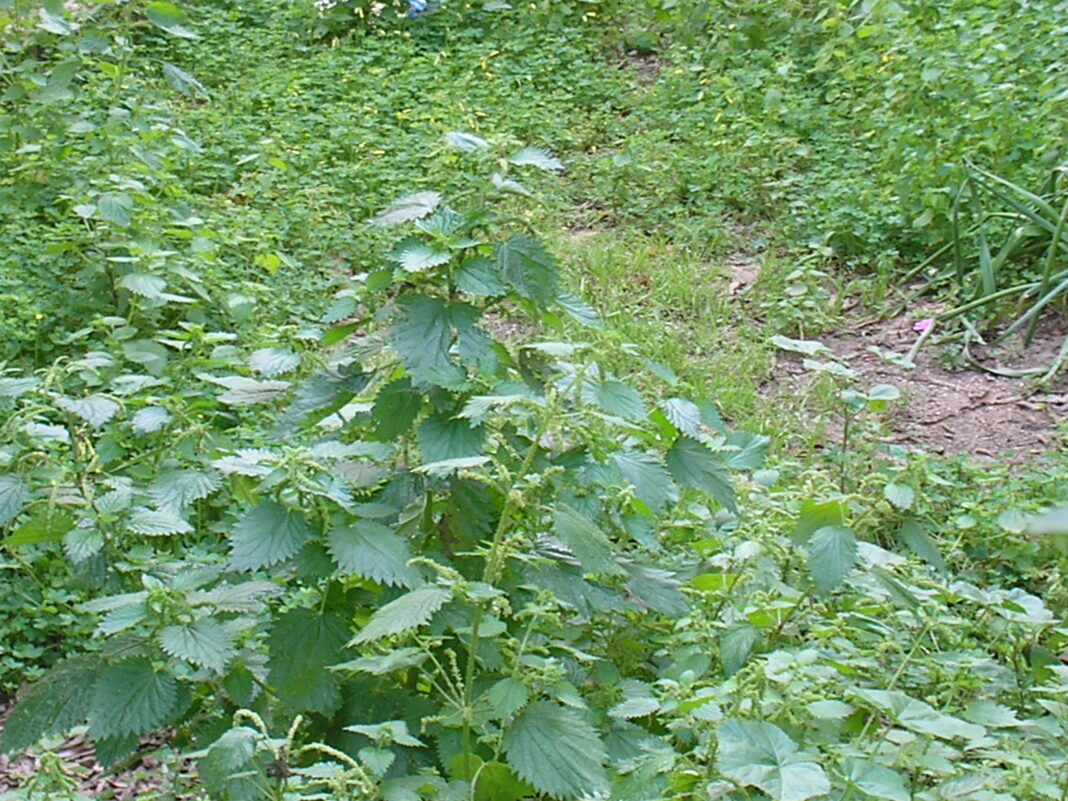
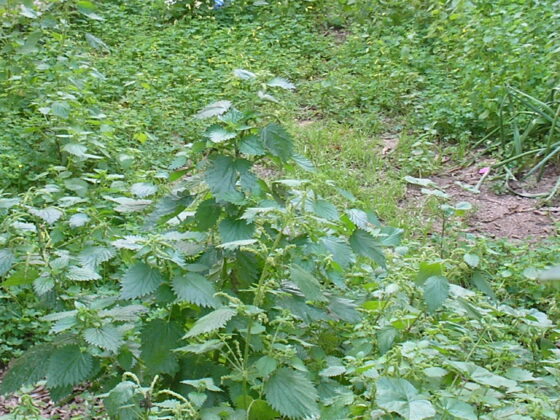
image-nettles
Care for wild edibles as if you’d grown them yourself, and they’ll come back year after year.

The Jewish springtime Tu B’Shvat festival is just around the corner on Wednesday night, the 19th of this month. The flowering of the almond trees on that day also signals new green growth on Israel’s dry soil. It’s tempting to go out, field guide in hand, and fill a backpack up with lots of edible wild greens.

But over-enthusiastic foraging can backfire. When plants aren’t allowed to re-seed, or if most in an area get uprooted, there won’t a new crop for next year.The forager will have to search farther afield to find the healthy, tasty wild plants that once grew close to home, while the plants slowly recede and disappear from the landscape.

You can always cultivate your favorite weeds at home in a windowbox. Or identify the edible ones growing in your garden. But for those who love to pick their weeds out in nature, here are sensible guidelines for ethical foraging. Just remember – never eat a strange plant – even safe plants have toxic look-alikes. If you’re not 100% familiar with a wild green, take a specimen home to identify with a field guide. Then learn about its edibility and other uses via the valuable Plants for a Future Database.

Guidelines for Ethical Foraging

  • Byepass the first one. Don’t pick the first of any species that you see. Walk further on and make sure there are more of that plant growing around. Picking one lonely plant means there won’t be even one to reproduce and re-populate the area in the future.
  • Leave Big Mama alone. Recognize the “mother” plant and don’t pick it. Often, in the middle of a patch, you’ll see a particularly strong or big specimen. That’s the “mother,” whose roots or seeds are probably responsible for much of that particular herb in the area. Respect it, leave it alone, and pick from its descendants.
  • The rule of one-third. Pick only up to one-third of leaves and flowers from any one plant. For example, if picking mallow flowers or the ripe “cheese” fruit on it, leave at least two-thirds on the plant. If gathering many herbs, like nettles, pick only up to one-third of all the plants in the area. That gives the plants the numbers of potential surviving seeds that they need to keep coming back next year.
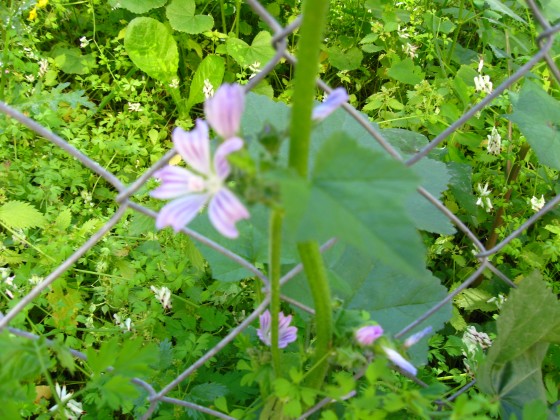
image-flowering-mallow
More on foraging weeds and eating them on Green Prophet:

:: Plants for a Future site

Photos of “mother” stand of nettles and flowering mallow plants by Miriam Kresh.
Miriam Kresh
Miriam Kreshhttps://www.greenprophet.com/
Miriam Kresh is an American ex-pat living in Israel. Her love of Middle Eastern food evolved from close friendships with enthusiastic Moroccan, Tunisian and Turkish home cooks. She owns too many cookbooks and is always planning the next meal. Miriam can be reached at miriam (at) greenprophet (dot) com.

Hot this week

Why Health Systems Are Reaching a Turning Point

Health emerges from a continuous energy and material flow from water through food to human physiology. Technical energy systems support this cycle through water treatment, agriculture, and infrastructure.

Sustainability That Sells: How Profit and Purpose Come Together in the Hive

Whether you are a commercial grower, hobbyist beekeeper or retail equipment supplier, this system opens a new income stream with minimal environmental impact.

The Fitness App Revolution: Building the Future of Wellness Through Strategic Development

In an era where smartphones are ubiquitous and health consciousness is at an all-time high, the fitness industry has undergone a radical digital transformation. Fitness applications have moved far beyond simple pedometers, evolving into comprehensive wellness platforms that serve as personal trainers, nutritionists, and community hubs right in our pockets.

A Brief History of Basil From India to Italy

Beloved, fortunate, sweet, and royal; an herb with a long and storied history in Asia and across the world. Called by many names, basil has featured in previous Green Prophet articles, so enjoy another serving, a brief history of basil.

How Renewable Energy is Revolutionizing the Way We Power Our World

Solar has become the star of the transition thanks to modular hardware and straightforward installation. It fits dense cities and remote towns alike. Many companies are turning to rooftop arrays and carport systems - and exploring commercial solar installation as a practical way to lock in future savings.

Topics

Why Health Systems Are Reaching a Turning Point

Health emerges from a continuous energy and material flow from water through food to human physiology. Technical energy systems support this cycle through water treatment, agriculture, and infrastructure.

Sustainability That Sells: How Profit and Purpose Come Together in the Hive

Whether you are a commercial grower, hobbyist beekeeper or retail equipment supplier, this system opens a new income stream with minimal environmental impact.

The Fitness App Revolution: Building the Future of Wellness Through Strategic Development

In an era where smartphones are ubiquitous and health consciousness is at an all-time high, the fitness industry has undergone a radical digital transformation. Fitness applications have moved far beyond simple pedometers, evolving into comprehensive wellness platforms that serve as personal trainers, nutritionists, and community hubs right in our pockets.

A Brief History of Basil From India to Italy

Beloved, fortunate, sweet, and royal; an herb with a long and storied history in Asia and across the world. Called by many names, basil has featured in previous Green Prophet articles, so enjoy another serving, a brief history of basil.

How Renewable Energy is Revolutionizing the Way We Power Our World

Solar has become the star of the transition thanks to modular hardware and straightforward installation. It fits dense cities and remote towns alike. Many companies are turning to rooftop arrays and carport systems - and exploring commercial solar installation as a practical way to lock in future savings.

How does one start prepping?

Faced with an extreme winter storm this year, Americans wonder how to be prepared for catastrophe. Miriam has lived through wars in the Middle East - so she's prepared on giving you a guide to prepping.

Fishermen sue tire manufacturers on behalf of the salmon

A federal trial in San Francisco has brought US tire manufacturers, fishing groups, and environmental scientists into court over a chemical most drivers have never heard of — but which scientists say may be silently reshaping aquatic ecosystems.

Listening to Water: Tarek Atoui’s Next Work for Tate Modern

Born in Beirut, Lebanon in 1980 and now living in Paris, Atoui has spent years building instruments that don’t sit comfortably in concert halls. Many of them involve water, glass, and ceramics — materials that react to sound instead of simply producing it.

Related Articles

Popular Categories