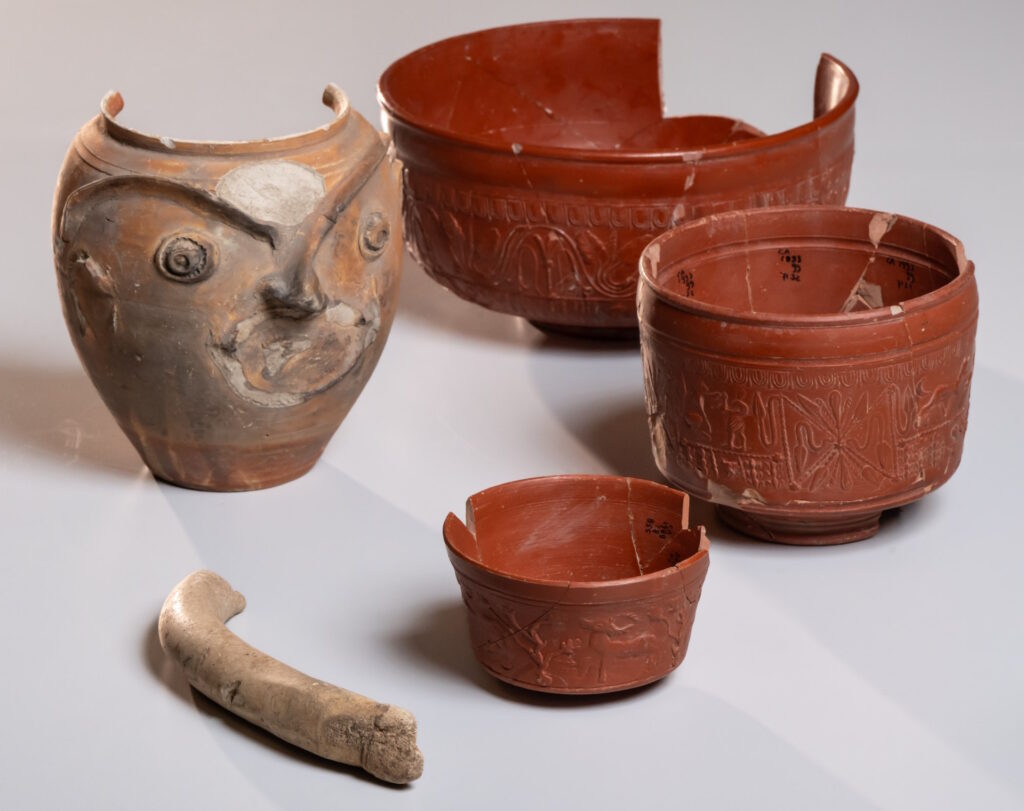

16,000 boxes of archaeological finds are stored in the Valkhof Museum at Nijmegen, the Netherlands. They contain a wealth of Roman artifacts left undisturbed for centuries and waiting to be shown in daylight again.
The Roman governors named the city Noviomagus. It was an important urban center and a key military and administrative hub on the northern border of the Roman Empire. The residents left thousands of everyday artifacts that archaeologist have been excavating and stashing into boxes for the past 70 years.
Researchers are now bringing these remnants of Roman material culture out of storage, in a project aiming to identify and catalog them for future study and preservation.
The 16,000 boxes ended up in the province of Gelderland nearly 20 years ago. The province recently allocated €8 million to inventory the contents of the boxes and repack them. It’s expected that it will take 6 years to sift through every box.
300 of the boxes have been opened. The objects inside are between 1,800 and 2,000 years old. They are things used in everyday life and that reveal a vivid picture of how people lived and interacted when Roman government held sway in Noviomagus (today’s Nijmegen). Several are considered “masterpieces” and are causing a lot of excitement among researchers and specialists.
Fine Roman tableware – intricately decorated cups and bowls – have survived the centuries. The clay pot with a human face sculpted onto it below served two purposes: it was a drinking vessel whose twisted nose and hard-boiled eyes promised a good time for the drinker.
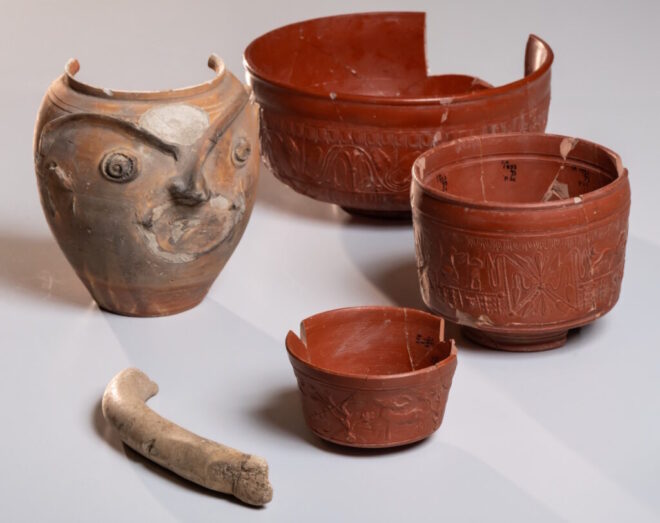
Among the magical protective objects is a 20-centimeter/8-inch phallus carved from bone.
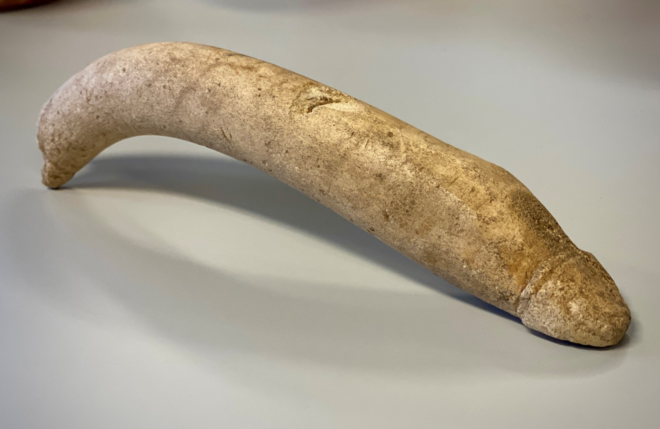
People have used phallic images since ancient times, to bring prosperity and avert bad luck. See our post on Iran’s phallic stones. This example is unusual in that it’s made of bone. Other Roman phalli were made of stone or metal.
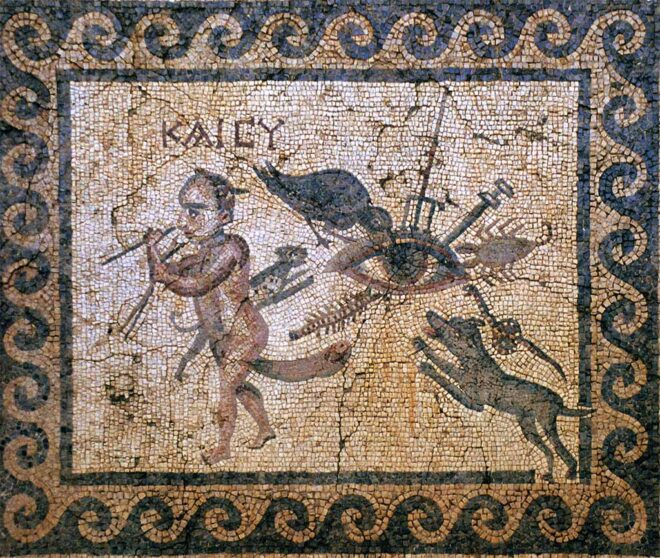
As many other cultures did, the Romans used phallic images in hopes of increasing human and agricultural fertility, but also to deflect the evil eye, a powerful fear in the minds of ancient people. It still exists among some modern communities: see our post on the evil eye in the Middle East.
Mosiacs and wall paintings depicting gods, animals, and men in full erection were displayed in homes. Below you see an eye representing envy and malice being attacked by all sorts of creatures, a dagger, a trident – and the exaggerated penis of a man.
Phalli carved into clay plaques were set over front doors to prevent bad vibes from entering. Wind chimes featuring multiple metal phalli hung over shop doors in the belief that the charm would protect owner from thieves and financial loss.
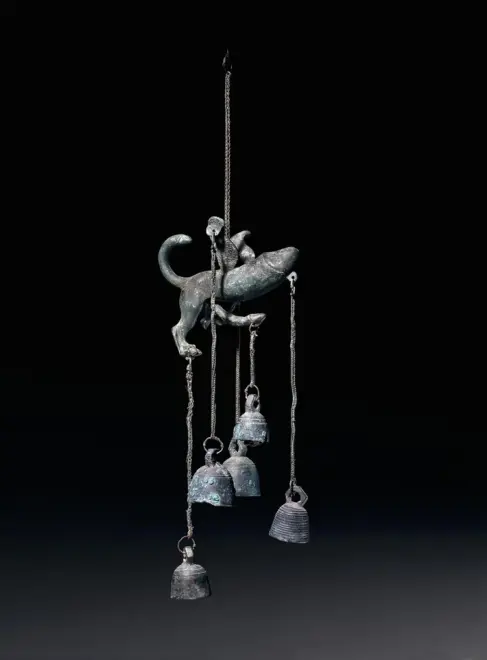
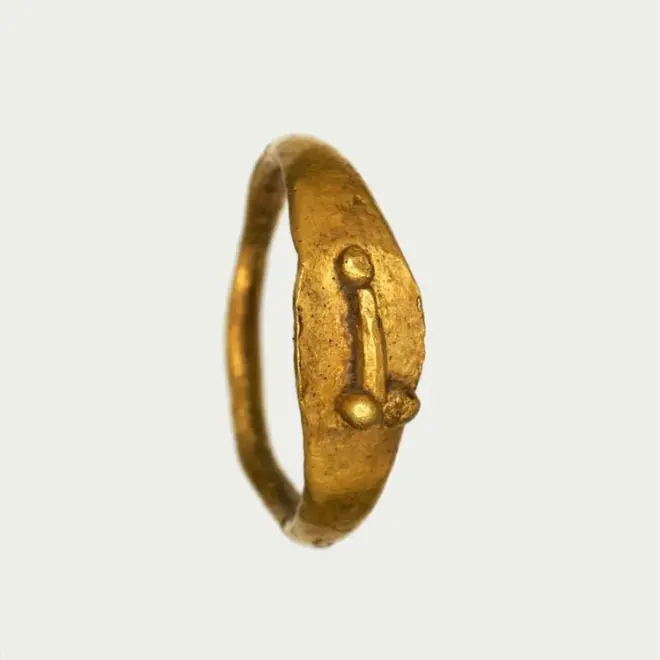
A woman might have worn a jeweled phallus in her hair, or a man a phallic pendant around his neck. There were even tiny phallic charms on bracelets meant to fasten on the wrists of newborns, and finger rings with engraved phalli so small that they could only have been meant to be worn by children.
Can we ever enter the minds of people so at home with the arts, international trade, high-level politics and governance – not to mention a military that conquered a large part of the world – yet who lived in superstitious fear of envy and ill-wishing every day? Researchers feel that those 16,000 boxes full of ancient Roman debris contain that possibility and that they will reveal much more about the Roman way of life than we’ve yet seen.