
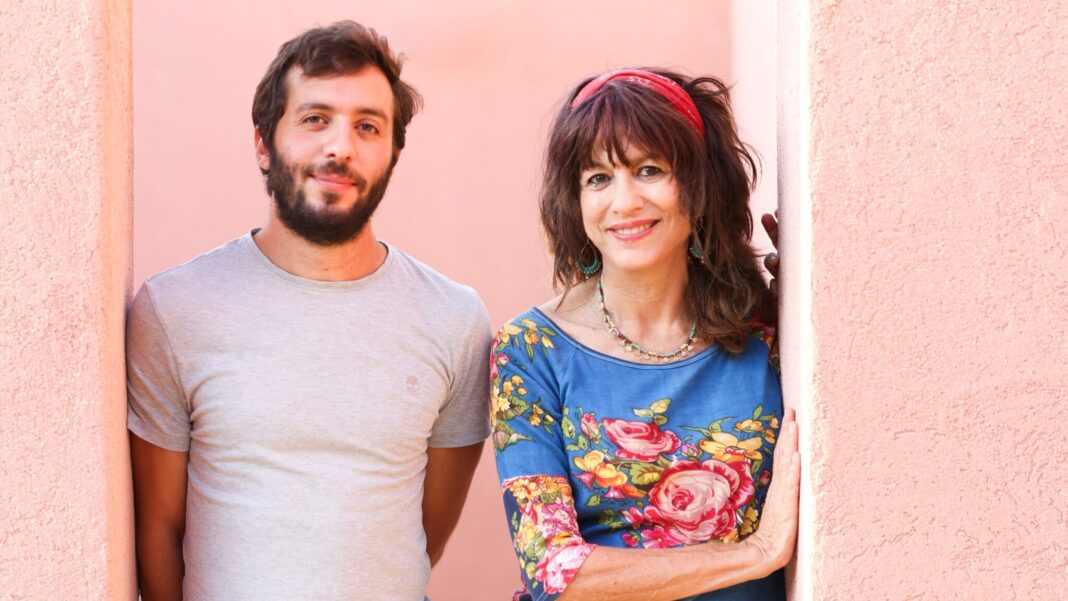


In a region more accustomed to headlines of loss than of listening, the Institute of International Education (IIE) has chosen to honor something quietly radical: healing. The 2025 Victor J. Goldberg Prize for Peace in the Middle East has been awarded to Nitsan Joy Gordon and Jawdat Lajon Kasab, the co-founders of the Army of Healers, for building spaces where Israelis and Palestinians — Jews, Muslims, Christians, Druze, and Bedouins — can grieve, speak, and rebuild trust together.
The two leaders will share the US$20,000 prize, marking the 21st anniversary of an award created to recognize joint Jewish-Arab partnerships advancing peace.
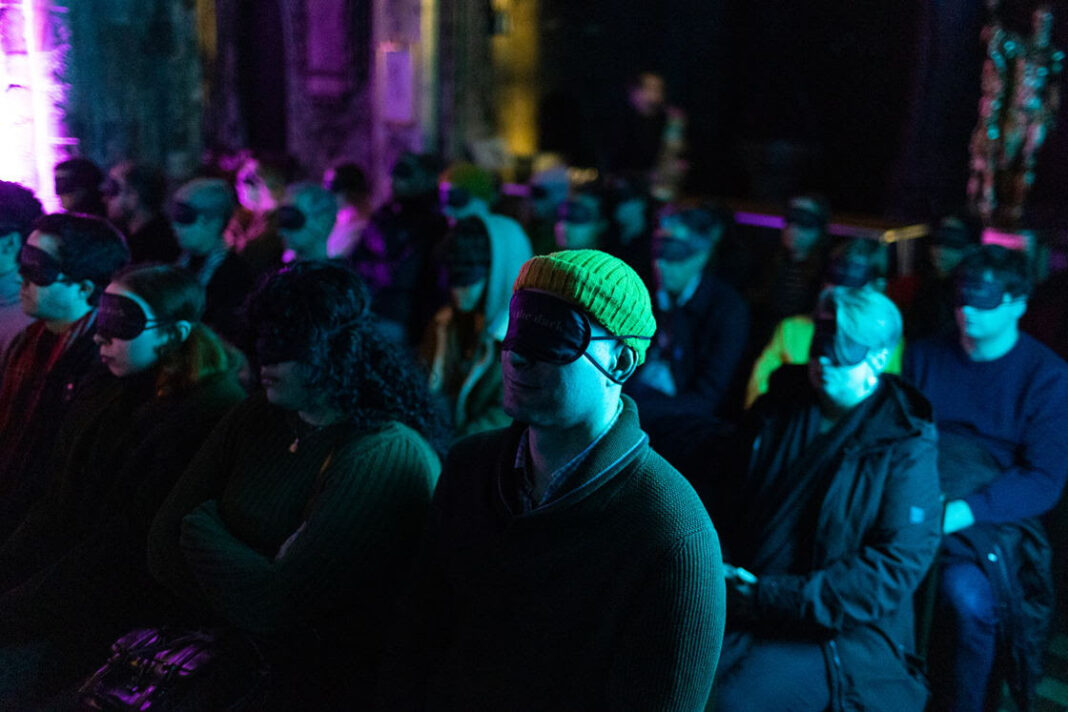
The Army of Healers emerged after October 7, in response to what Gordon and Kasab describe as a region living inside collective trauma. Rather than launching a political initiative, they created something more fragile — and more human. Today, their program has trained 30 facilitators from across communities and now supports more than 20 healing circles with over 400 participants, conducted in multiple languages and across age groups.
Through ten-session dialogue groups, participants confront fear, express grief, and slowly relearn how to see one another as human beings. “In moments of deep division,” Gordon and Kasab say, “the world needs an army — not of soldiers holding weapons, but of healers cultivating pathways toward peace.”
The circles draw on Internal Family Systems therapy, movement and dance therapy, playback theater, nonviolent communication, and trauma-informed dialogue. The work is hosted under the Israeli nonprofit Together Beyond Words.
Why the Goldberg Prize matters
The Victor J. Goldberg Prize is unique. It does not reward governments or institutions. It honors pairs — one Jewish Israeli and one Muslim Arab — working together at the grassroots level. Victor J. Goldberg, a former IBM executive and longtime IIE trustee who endowed the prize in 2005, emphasized this spirit during the ceremony:
“Nitsan and Jawdat are inspiring examples of the brave individuals and groups who are building platforms of mutual trust and cooperation. Most importantly, they have not lost their commitment to bringing people together to get to know one another as human beings.”
He added that the prize exists to keep hope visible when despair dominates.
Over its 21-year history, the Goldberg Prize has honored 26 pairs whose work has reshaped how peacebuilding looks on the ground. Past laureates have included:
Israeli and Palestinian educators who rewrote textbooks to remove demonization of “the other.” Families who lost children in violence and chose reconciliation over revenge. Medical volunteers who treated patients regardless of religion.
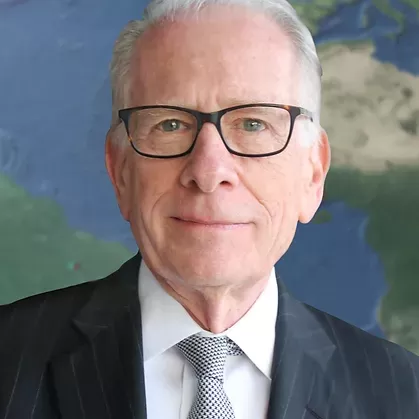
IIE President Emeritus Allan E. Goodman summarized their legacy: “People who started out hating each other and rejecting each other’s narratives somehow managed to overcome all that to do something good.”
Placed in this lineage, the Army of Healers represents a new generation of peace work — one that recognizes trauma as a political force, and healing as an act of resistance.


 has chosen to honor something quietly radical: healing. The 2025 Victor J. Goldberg Prize for Peace in the Middle East has been awarded to Nitsan Joy Gordon and Jawdat Lajon Kasab, the co-founders of the Army of Healers, for building spaces where Israelis and Palestinians — Jews, Muslims, Christians, Druze, and Bedouins — can grieve, speak, and rebuild trust together.)