
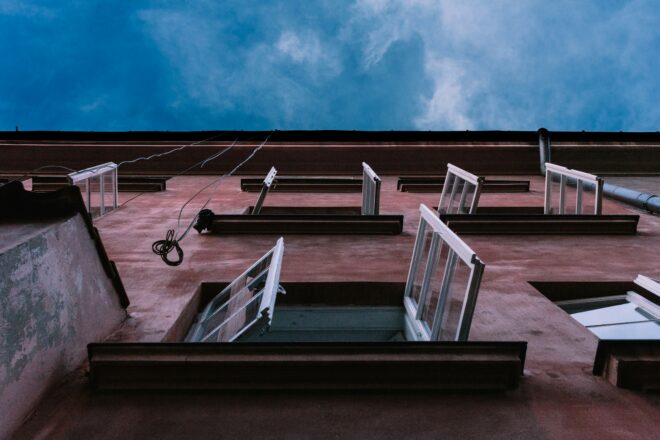
Let the lüften in — and be healthier for it

Image retrieved from Unsplash

I was in Munich, Germany, settling into my new temporary digs when my Couchsurfing host flung open the living room windows. “Lüften!” he exclaimed ardently.

The breeze felt nice, if not a bit chilly, on that late winter afternoon. But in a land where the people love cold plunging, I made like a local and embraced the briskness.

Although it was March 2020, finding fresh air had nothing to do with the impending Covid-19 pandemic. In fact, as my host explained, lüften is a German cultural tradition practiced multiple times daily.

Simply the practice of opening windows for natural ventilation, it is considered essential for well-being and doesn’t cost a dime. Even a short burst of air has a powerful impact, with the typical session lasting from five to thirty minutes.

In the modern era, Germans have emerged as trailblazers in health and social care, but they have been practicing lüften for centuries to rid living spaces of stale air, odors, and even mold by regulating humidity. For these benefits, many landlords write lüften into their rental contracts.

Related: Improving the air quality of your home starting with your AC unit
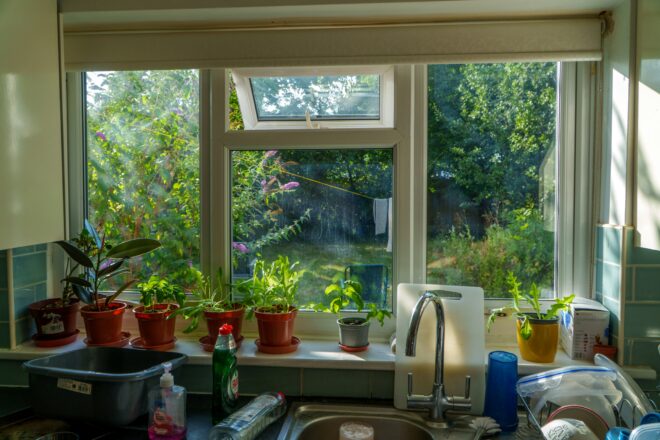
Physically, lüften is a tried and true remedy for improving respiratory function, energy levels, and mood. We refresh our spaces with plants with much of the same motivation; lüften makes greenification a more immersive experience.

Lüften must invigorate a primal understanding that we are connected to the elements. When, for whatever modern reasons, we are stuck inside, we can swiftly invite in the great outdoors. Easy, breezy, beautiful.

See also: Eco-friendly upgrades every homeowner can make

I’ve never been a big fan of air conditioning, much preferring air that hasn’t been tampered with. It has always been a no-brainer for me to let fresh air flow inside during warmer weather, but now I happily crack the windows during the colder months too, actively recalling my old friend and the wisdom of his ancestors.

I brought lüften back with me from Germany, an unseen souvenir — often the best kind of memento.

Kelly Milone
Kelly Milonehttp://www.greenprophet.com
Kelly Milone holds an MA in cultural heritage management (Johns Hopkins University), BA in anthropology, BFA in dance and Arabic minor (Montclair State University). She is a dance teacher and choreographer, quick-study interior designer, and aspiring creative and travel writer.

LEAVE A REPLY

Please enter your comment!
Please enter your name here

Hot this week

How does one start prepping?

Faced with an extreme winter storm this year, Americans wonder how to be prepared for catastrophe. Miriam has lived through wars in the Middle East - so she's prepared on giving you a guide to prepping.

Fishermen sue tire manufacturers on behalf of the salmon

A federal trial in San Francisco has brought US tire manufacturers, fishing groups, and environmental scientists into court over a chemical most drivers have never heard of — but which scientists say may be silently reshaping aquatic ecosystems.

Listening to Water: Tarek Atoui’s Next Work for Tate Modern

Born in Beirut, Lebanon in 1980 and now living in Paris, Atoui has spent years building instruments that don’t sit comfortably in concert halls. Many of them involve water, glass, and ceramics — materials that react to sound instead of simply producing it.

Leading Through a Dual-Energy Transition: Balancing Decarbonisation with Energy Security

Experience in one area of the energy industry isn't enough to guarantee readiness across all the others. That's where a structured program like an MBA in energy can come in. Today's advanced curricula explore energy economics, finance, policy, and strategic management alongside the technical subjects. And when pursuing an energy MBA online, professionals can skill up and retrain without having to step out of the labor market -- an important perk at a time when skilled professionals are already in short supply.

From Green Energy to Healthy Societies: Why old systems thinking is becoming relevant again

Across the Middle East and North Africa, large investments are being made in green hydrogen, renewable energy, water infrastructure and sustainability. Most of these efforts are discussed in the context of climate change, decarbonization and economic diversification. That framing is important, but it may not capture their full value.

Topics

How does one start prepping?

Faced with an extreme winter storm this year, Americans wonder how to be prepared for catastrophe. Miriam has lived through wars in the Middle East - so she's prepared on giving you a guide to prepping.

Fishermen sue tire manufacturers on behalf of the salmon

A federal trial in San Francisco has brought US tire manufacturers, fishing groups, and environmental scientists into court over a chemical most drivers have never heard of — but which scientists say may be silently reshaping aquatic ecosystems.

Listening to Water: Tarek Atoui’s Next Work for Tate Modern

Born in Beirut, Lebanon in 1980 and now living in Paris, Atoui has spent years building instruments that don’t sit comfortably in concert halls. Many of them involve water, glass, and ceramics — materials that react to sound instead of simply producing it.

Leading Through a Dual-Energy Transition: Balancing Decarbonisation with Energy Security

Experience in one area of the energy industry isn't enough to guarantee readiness across all the others. That's where a structured program like an MBA in energy can come in. Today's advanced curricula explore energy economics, finance, policy, and strategic management alongside the technical subjects. And when pursuing an energy MBA online, professionals can skill up and retrain without having to step out of the labor market -- an important perk at a time when skilled professionals are already in short supply.

From Green Energy to Healthy Societies: Why old systems thinking is becoming relevant again

Across the Middle East and North Africa, large investments are being made in green hydrogen, renewable energy, water infrastructure and sustainability. Most of these efforts are discussed in the context of climate change, decarbonization and economic diversification. That framing is important, but it may not capture their full value.

We saw peace – an interreligious encounter deep in our eyes

They came from Israel, Palestine, Jordan, Iraq, Yemen, Morocco, Tunisia, Lebanon, Egypt… There are Sunni Muslims, Shiite Muslims, Jews (Orthodox and Reform), Orthodox Christians, Coptic Christians, Protestant Christians, Druze, Baha'is, a Scientologist.

Can biochar reduce ‘Forever Chemicals’ in food if it’s used in farms?

Biochar is produced by heating organic material in a low-oxygen environment so it does not burn. This process, known as pyrolysis, transforms plant matter into a stable, carbon-rich material.

In The Dark Review – An Immersive Music Experience in Total Darkness at St Andrew Holborn

In complete darkness, inside the holy space of St Andrew Holborn, listening begins to feel like a form of prayer. With no light and no distraction, sound fills the church and holds the room. For an hour, attention itself becomes the shared act.

Related Articles

Popular Categories