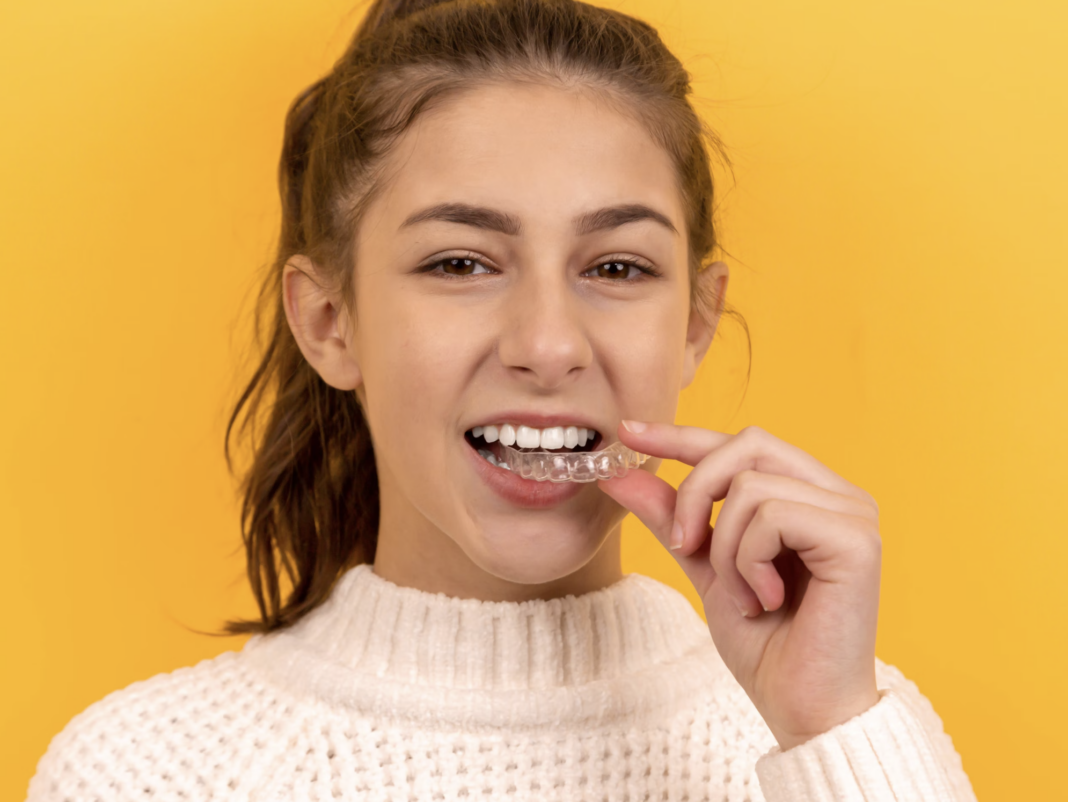


Microplastics leach out of plastic tea bags, water bottles and its in the food we eat, especially fish. They are in plastic toothbrushes and plastic teeth aligners. Researchers suggest we can cut down exposure dramatically by stopping the use of plastic water bottles and drinking filtered tap water.
New commentary from Canada published this week in Brain Medicine warns we need to work fast on getting microplastics out of our bodies. Researchers in Ottawa discuss findings from a groundbreaking Nature Medicine article on the bioaccumulation of microplastics in decedent human brains. Those are people who have died.
The research reveals that human brains contain approximately a spoon’s worth of microplastics and nanoplastics – MNPs – with levels 3 to 5 times higher in individuals with documented dementia diagnoses.
More concerning still, brain tissues showed 7 to 30 times higher concentrations of MNPs compared to other organs like the liver or kidney, which means that microplastics are bio-accumulating in the brain. Heat treatments like saunas may help sweat them out, but we need to start turning urgently to bioplastics, those made from algae, sugarcane and natural sources.

“The dramatic increase in brain microplastic concentrations over just eight years, from 2016 to 2024, is particularly alarming,” said Dr. Nicholas Fabiano from the University of Ottawa’s Department of Psychiatry, lead author of the Commentary. “This rise mirrors the exponential increase we’re seeing in environmental microplastic levels.”
Of particular concern are particles smaller than 200 nanometers, predominantly composed of polyethylene, which show notable deposition in cerebrovascular walls and immune cells. This size allows them to potentially cross the blood-brain barrier, raising questions about their role in neurological conditions.

The Commentary review highlights practical strategies for reducing exposure, noting that switching from bottled to filtered tap water alone could reduce microplastic intake from 90,000 to 4,000 particles per year, he says.
The research team also explores potential elimination pathways, including evidence that sweating might help remove certain plastic-derived compounds from the body. However, Dr. David Puder, host of the Psychiatry & Psychotherapy Podcast, warned, “We need more research to wrap our heads around microplastics—rather than wrapping our brains in them—since this could be one of the biggest environmental storms most people never saw coming.
“The commentary calls for urgent research priorities, including establishing clear exposure limits and assessing long-term health consequences of microplastic accumulation. The authors emphasize the need for large-scale human studies to determine dose-response relationships between microplastic exposure and chronic health outcomes.”