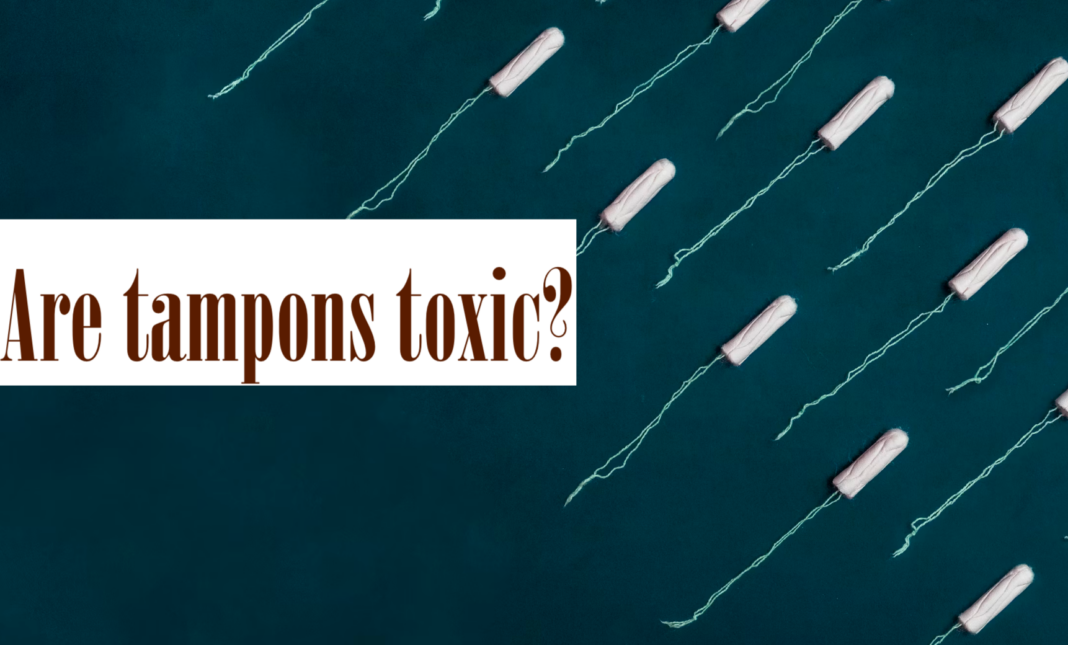


Like the microplastics found from plastic teeth aligners, new research on tampons reveals hidden dangers of arsenic and lead. There are no safe exposure limits for lead and the trace metals found in tampons may be originating from the forests and fields in which the raw materials for the tampons are grown.
A new study published this week in the environmental sciences journal Environment International showed small amounts of toxic metals were found in all tampons tested.
In the study researchers from Columbia, Berkeley and Michigan State universities used acid to break down and analyze commonly used tampons to test for the presence of these toxic metals.
“Tampon use is a potential source of metal exposure,” the researchers report. “We detected all 16 metals in at least one sampled tampon, including some toxic metals like lead that has no “safe” exposure level. Future research is needed to replicate our findings and determine whether metals can leach out of tampons and cross the vaginal epithelium into systemic circulation.”
Related: Toxins to avoid in make-up
It is well known in medicine that the delicate tissues of the vagina are a very useful and effective way to absorb medications, with several birth control and hormone replacement therapy products utilizing this technique. The most popular is the NuvaRing, where birth control hormones are absorbed vaginally instead of a daily pill.
Although the study points out that there is no “safe” levels of lead or arsenic that humans should be exposed to, the metals were found in very small amounts, which needed to be measured in nanograms. Toxic levels in humans are measured in micrograms which are 1000x higher. For comparison, some tampons were found to contain 2.5ng of arsenic per gram. The toxic level of arsenic in humans is about 2.5mcg per gram, which is 1000x that amount. So should we be worried?
Tampons are made from cotton and sometimes from rayon, which is a product developed from natural wood cellulose. As both cotton and trees grow in soil, and all of the metals found in this study naturally occur in soil, that most likely explains the origin of the metals found in these tampons.

Alternatives to tampons could be organic cotton pads. There are also moon cups but made from plastics we wonder about exposure to plastics.
We’ve written here about toxins in tampons, and offer some ways to eco your moon or menstrual cycle.
We can’t vouch for the science or trace metals and minerals, but here are five eco-friendly, organic tampon brands:
- Natracare – Offers certified organic cotton tampons free from synthetic materials, dyes, and perfumes.
- Seventh Generation – Known for its organic cotton tampons that are free from chlorine bleaching and fragrances.
- Organyc – Provides 100% organic cotton tampons that are hypoallergenic and biodegradable.
- Cora – Features organic cotton tampons with a BPA-free plastic or cardboard applicator, designed with sustainability in mind.
- L. – Delivers organic cotton tampons with a focus on transparency and ethical production practices.
- Menstrual sponges are made from natural sponge from the sea. They are a new concept based on old ideas. Simple, effective, reusable.
Do you have a brand or practice you’d like to recommend? Drop it in the comments below.