
The problem with outsourcing ethically-farmed anything to third party companies. This news should shift how ethical fashion operates and considers liability for wrongful marketing.
The New Zealand Merino Company, now rebranded as Zentera, has quietly removed the phrase “world’s leading ethical wool brand” from its website, a notable change that comes after a disturbing investigation by PETA Asia-Pacific into the company’s ZQ-certified wool supply chain, PETA reports to Green Prophet. Zentara, according to its website, supplies wool for 30 leading fashion brands. They are a supplier that CSR VPs have come to rely on for annual and quarterly reports.
They have changed wording on their website and say that their wool is “grown with care.”
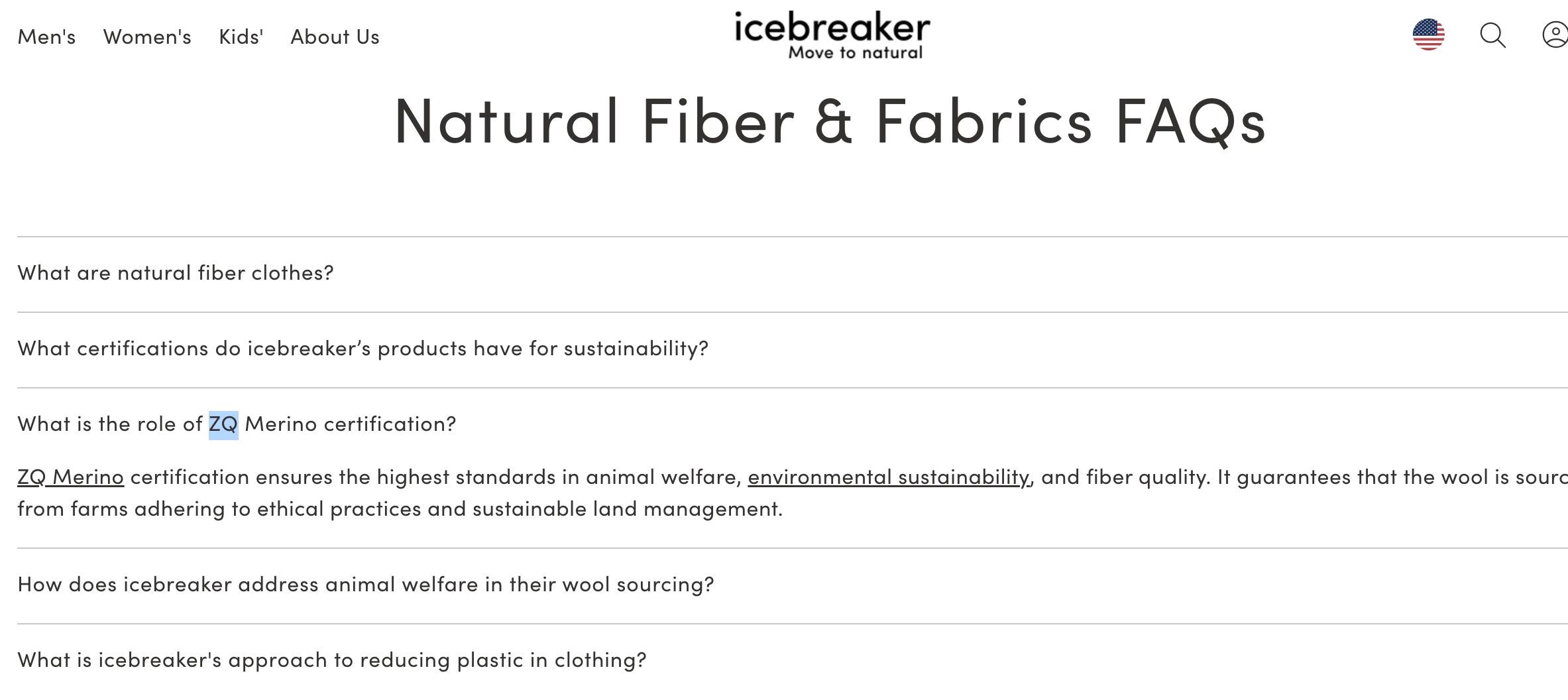
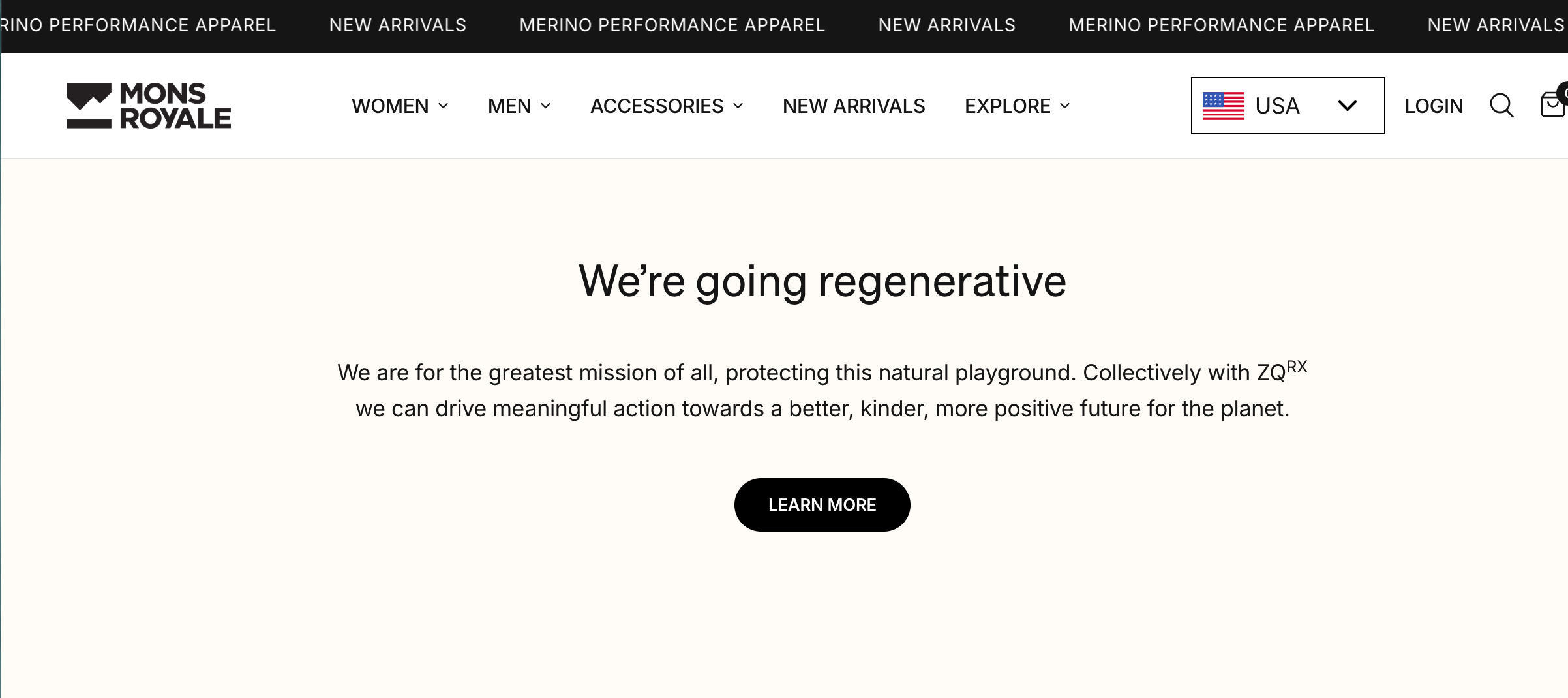
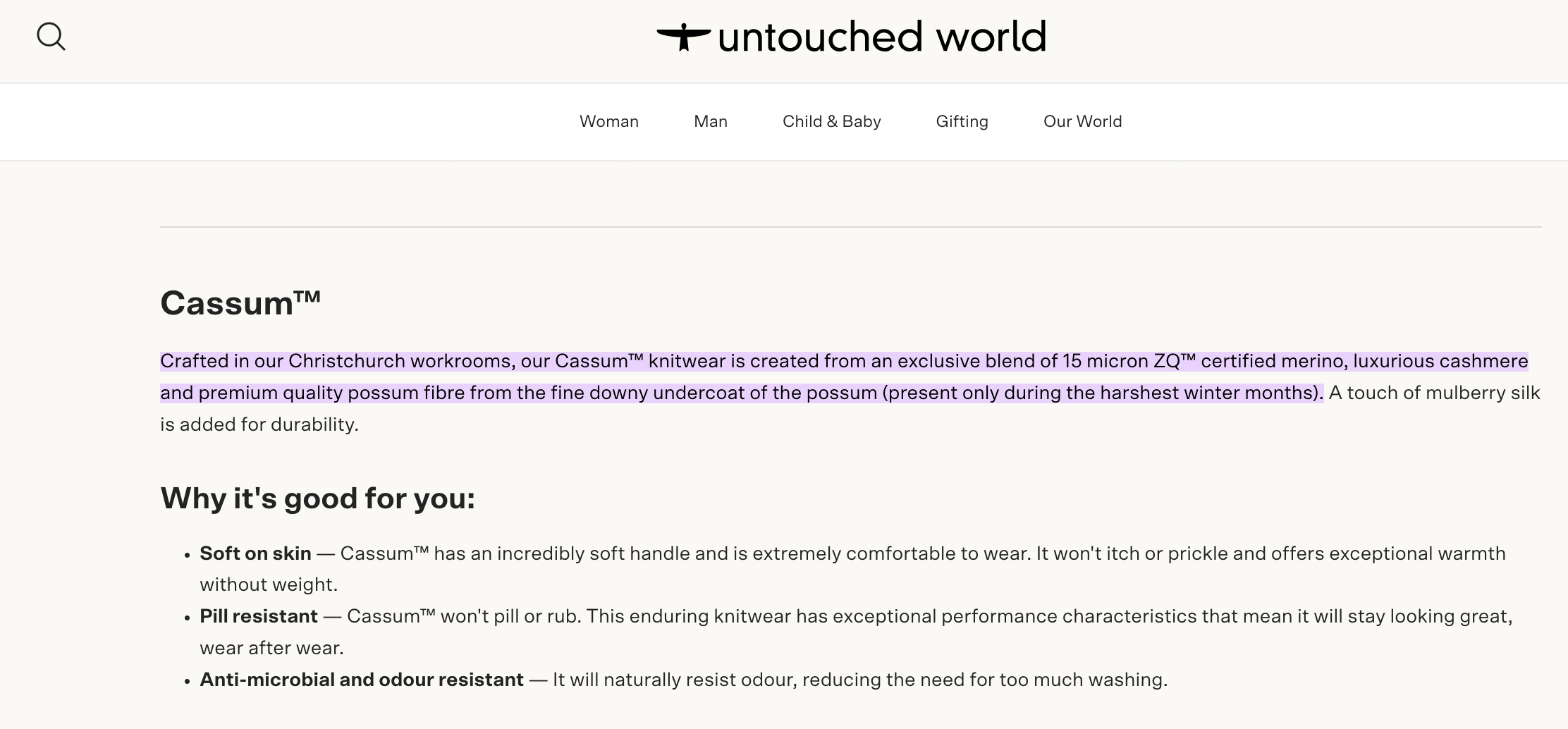
ZQ, which now stands for “Zentera Quality,” is Zentera’s official wool certification label, marketed as a standard for animal welfare, traceability, environmental stewardship and social responsibility. Big brands which feature their products as ethical and “kind” are sold by brands including Allbirds, icebreaker, Smartwool (I love their socks), Mons Royale who touts “we are going regenerative!”; and Untouched World, all of which publicly market items made with ZQ- or ZQRX-certified wool.
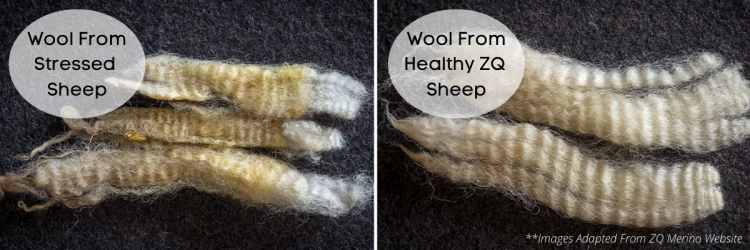
For years, wool has been sold to consumers as the natural, sustainable alternative to synthetic fibers. But when “ethical” becomes a marketing shield rather than a measurable reality, the industry has a serious credibility problem. (We buy sweaters from babaa in Spain).
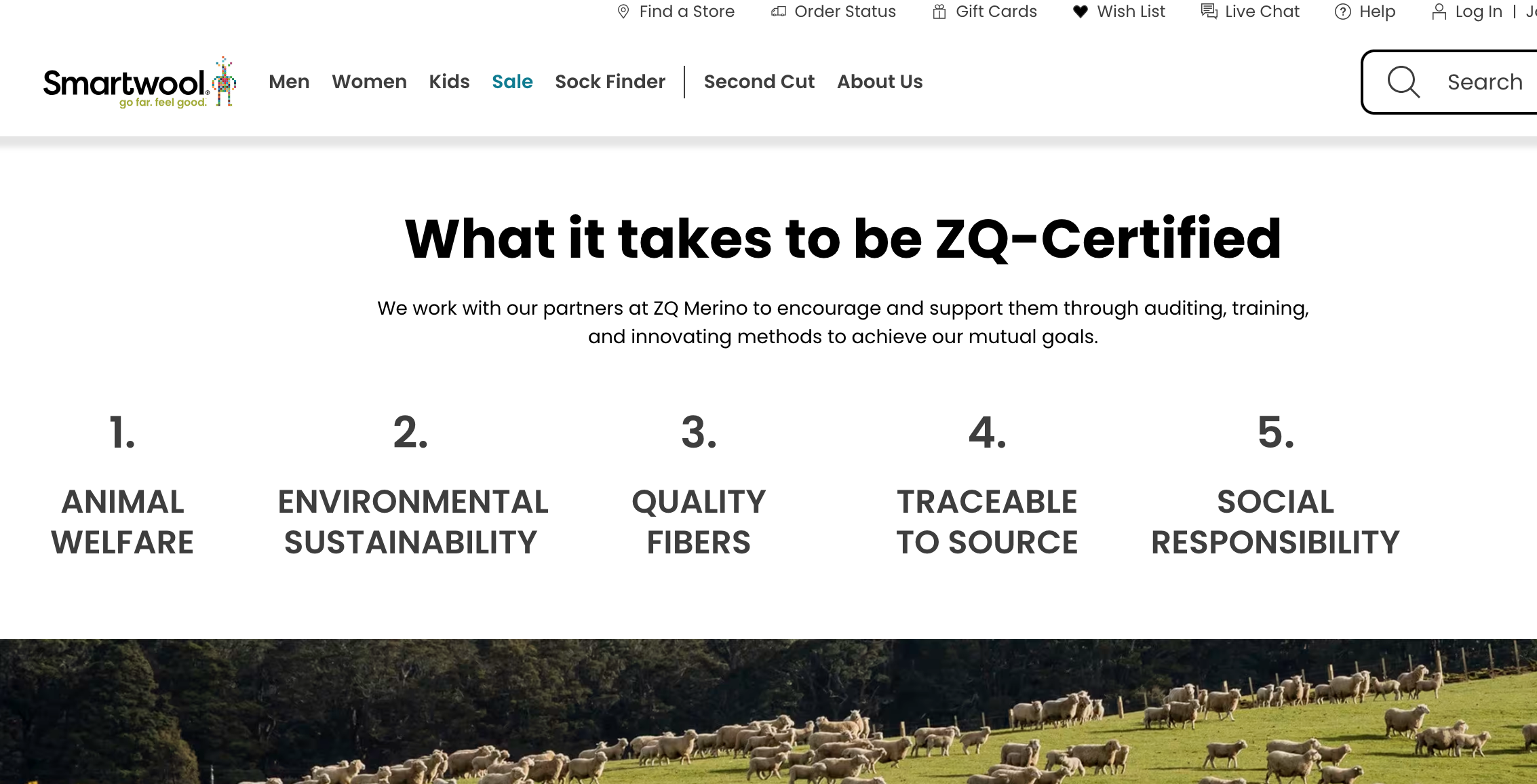
If you go to some of the companies that use ZQ wool they are still celebrating the “eco credentials of their suppliers, like with SmartWool, this screen capture taken April 1. This is not April Fool’s.
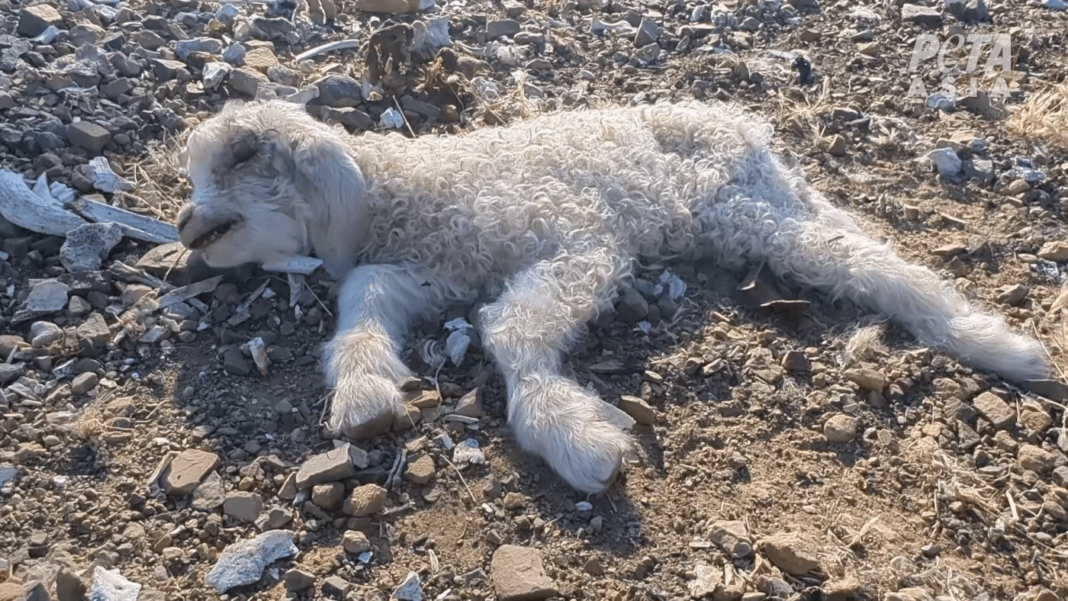
PETA Asia-Pacific says it went inside 11 farms and shearing sheds in New Zealand that produce ZQ-certified wool, which it describes as “a sham certification standard developed and owned by The New Zealand Merino Company.” According to the animal rights group, investigators found that “shearers kicked, beat, and stomped on sheep and threw them down chutes. One worker slammed a sheep’s head against a hard wooden board three times.”
The allegations do not stop at the shearing shed.
PETA says that sheep from ZQ-certified farms whose fleece production had declined were later sent to slaughter, including to a slaughterhouse owned by Silver Fern Farms. There, according to the organization, sheep were “forced onto conveyer belts, electroshocked in the head, and violently killed.” In its account of the footage, PETA says the stunning process was at times inadequate and that some sheep appeared to show signs of consciousness after their throats were cut. One worker laughed at dying sheep when blood was pouring from its eyes.
The group says it has submitted evidence from the farms to New Zealand’s Ministry for Primary Industries, calling for investigation and charges over what it describes as apparent violations of animal cruelty laws. Green Prophet has not independently verified the footage or the full scope of the allegations, but the claims are serious enough to put pressure on every brand still using ZQ wool as a reassurance label. We have reached out to Zentera for a comment.
Among the most shocking findings documented by PETA Asia-Pacific were claims that “workers whipped, tackled, and hit sheep with various objects, including a ski pole,” and that “sheep were left with gaping wounds that were stitched up without painkillers.”
“One worker laughed at a sheep as blood ran down their face from an eye injury,” PETA told Green Prophet.
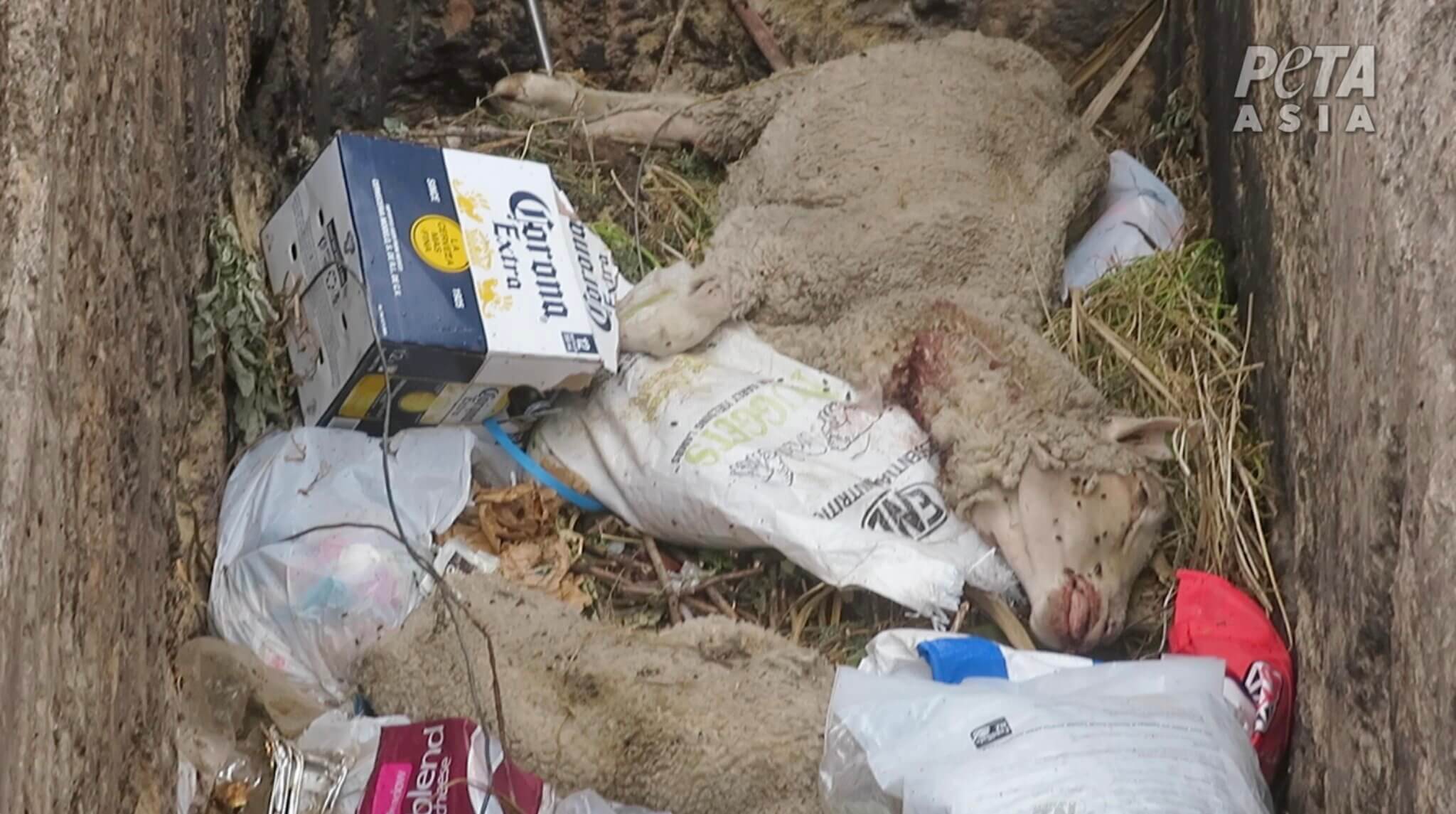
The investigation also describes overcrowding so severe that one sheep was allegedly “smothered to death,” after which “her wool was still shorn to be prepared for sale.” In another alleged incident, “a farmer slit the throat of a conscious sheep after the animal spent days struggling and collapsing. Her body was dumped into a trash pit.”
These are not the kinds of images consumers picture when they buy a merino sweater labeled “ethical.”
And that may be the larger story here.
Fashion has become adept at swapping one moral language for another. “Natural.” “Regenerative.” “Ethical.” “Responsible.” These words can reassure shoppers who want to avoid petroleum-based fast fashion, but they can also obscure what is happening to animals in industrial supply chains. Wool may biodegrade but that does not automatically make it humane.
For brands relying on ZQ-certified wool, the Zentera rebrand raises uncomfortable questions. Was the removal of the “ethical wool” claim a routine repositioning, or a quiet retreat from language that no longer withstands scrutiny?
Either way, the burden now falls on fashion labels, outdoor brands, and luxury houses using certified merino to explain what exactly they mean when they ask consumers to trust them.
Because if “ethical wool” can include animals who are, in PETA’s words, “kicked, punched, killed,” then the label may not mean much at all.