
Time and again, Mediterranean policy platforms disproportionately center the Palestinian question, subtly redefining a gender and agrifood discussion into a geopolitical one.
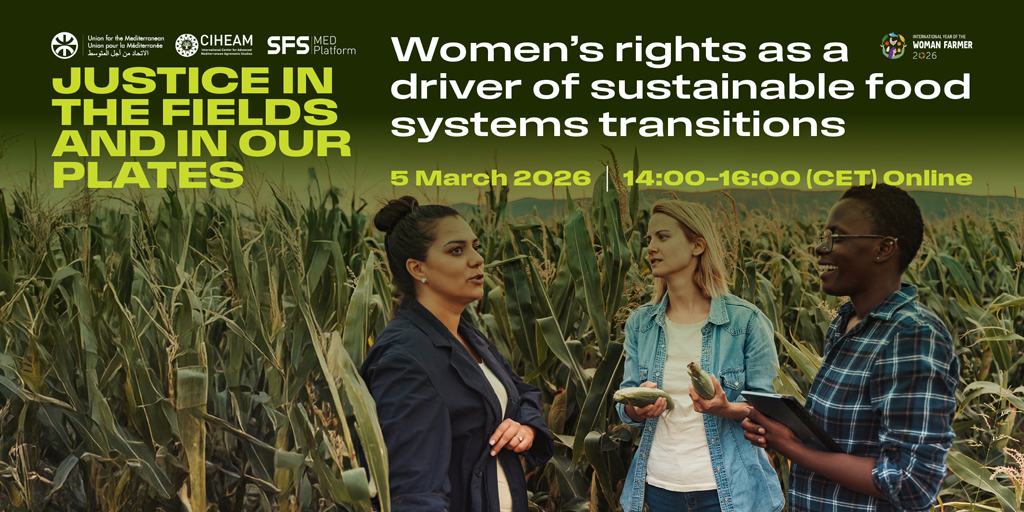
A new regional forum on women in agrifood systems is being presented as a Mediterranean-wide platform for gender equality, resilience, and rural justice. Hosted under the institutional umbrellas of CIHEAM and the Union for the Mediterranean, the agenda appears technocratic and inclusive on paper: welcome remarks, keynote evidence on gender gaps, and a panel discussion on justice pathways in rural and agrifood contexts.
But look more closely. While the Mediterranean spans more than 20 diverse countries — from Spain and Italy to Morocco, Israel, Egypt, Türkiye, Greece, Tunisia and beyond — the panel composition again leans toward a familiar narrative axis. The inclusion of Dr. Zeina Jallad of the Palestine Land Studies Center signals that land and political grievance will likely dominate the “justice” framing.
Related: How the Mediterranean’s most hopeful UN green organizations fail at peace-building
Palestinian rural women face serious challenges, as many religious women are not allowed to work outside the home, as do women farmers in Lebanon’s collapsing economy, Morocco’s drought zones, southern Spain’s migrant labor farms, Israel’s border agriculture, and North African climate-vulnerable regions. Yet time and again, Mediterranean policy platforms disproportionately center the Palestinian question, subtly redefining a gender and agrifood discussion into a geopolitical one.
This pattern matters. When events branded as regional repeatedly foreground one national conflict lens, it risks distorting priorities and narrowing solutions. Women farmers across the Mediterranean face structural gender gaps in land rights, financing, market access, and climate adaptation. Those issues require cross-border cooperation, not selective amplification.
The upcoming International Year of the Woman Farmer 2026 offers an opportunity for genuine Mediterranean solidarity. But that requires balance. If the conversation becomes another stage for symbolic positioning rather than practical agrifood reform, the women most in need — from Andalusia to the Negev to the Atlas Mountains — will once again be sidelined.

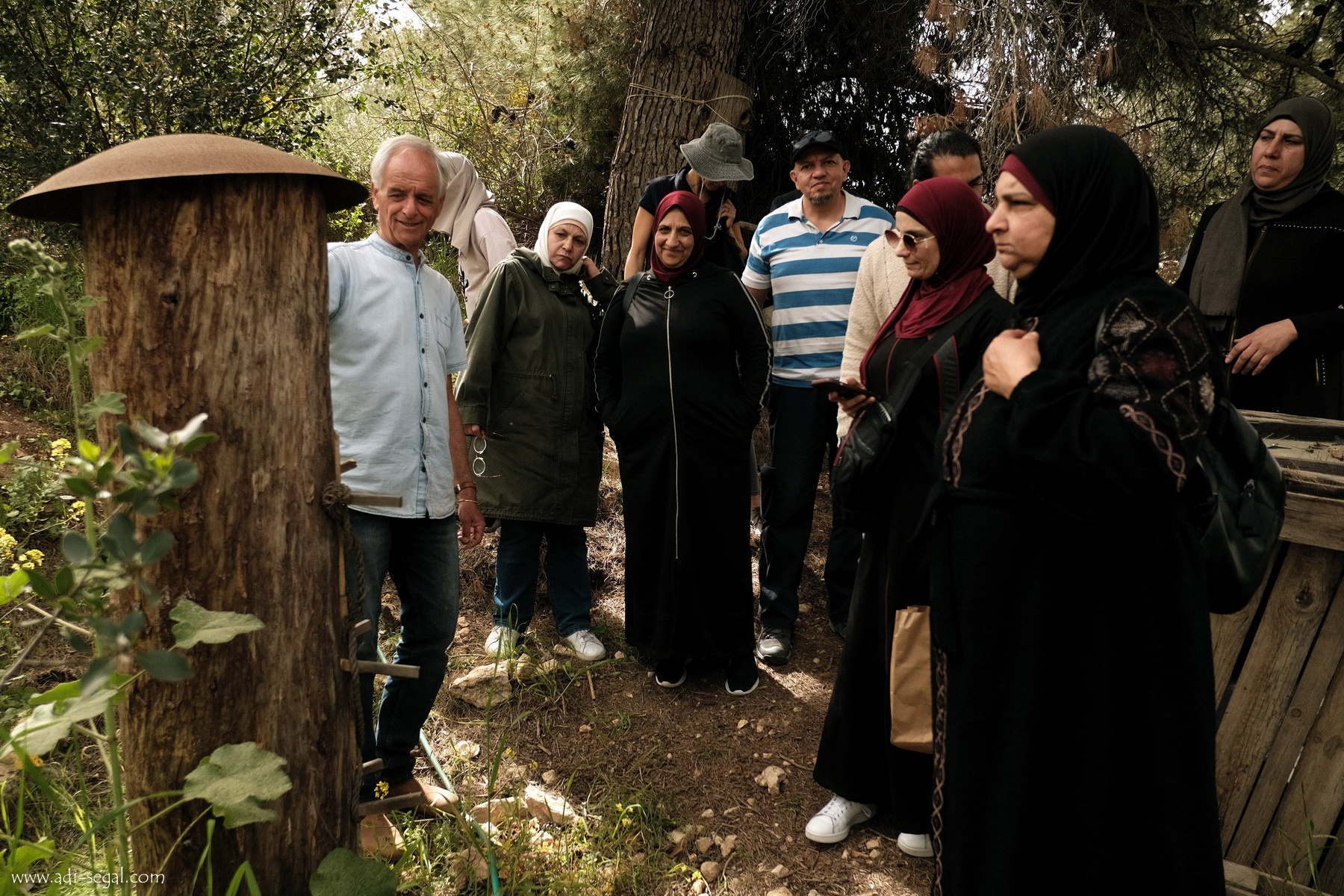
EU and UN funding mechanisms must decide: is the UofM convening for rural transformation — or rehearsing familiar political scripts? I vote for the latter. This time they didn’t put a woman with a hijab on the cover. We know that in many traditional Muslim societies women face restrictions on working outside the home, never mind farming. A panel worth featuring would have been beekeeping for peace, an actual initiative that could help Palestinian women earn income from their rooftops. But the UofM would never dare mention it because the founder of the project is Israeli.