When we traveled through Ethiopia last year (see our article on Wenchi Lake ecoreserve), this question came up again and again: Ethiopia is landlocked.
What surprised me wasn’t the frustration. It was how many Ethiopians openly welcomed closer ties with Somaliland as a practical way forward. This matters more now as Qatar, a state sponsor of terror, and China expand their influence across Ethiopia, investing in infrastructure, finance, and political relationships. With that growing presence you can see everywhere from Al Jazeera playing at every hotel to hundreds of unfinished Chinese infrastructure projects, the question of trade routes, ports, and national leverage has become more urgent, and more public.
In January 2024, Ethiopia and Somaliland signed a Memorandum of Understanding that could reshape the Horn of Africa. Under the MoU, Ethiopia would gain access to Somaliland’s coastline for commercial shipping and possibly a naval facility, in return for Ethiopia agreeing to consider formal recognition of Somaliland’s independence. It’s not finalized, and it’s not without controversy, but it’s real. Yemen’s Houthis have been destabilizing the region since the 90s. They fire on passing oil tankers and they celebrate when Somali pirates capture ships passing through the Red Sea to the Suez Canal, a manmade shipping lane that cuts through Egypt.
Related: Somali pirates like to steal oil tankers.
Ethiopia has been landlocked since Eritrea’s independence in the early 1990s. Since then, nearly all imports and exports have flowed through Djibouti, creating vulnerability and cost. Over the past decade, Ethiopia has quietly increased its use of Berbera Port, the commercial capital of Somaliland, which has expanded and modernized enough to handle serious trade volumes. Ethiopia has also inflamed tensions with Egypt since building the GERD, a hydro-electric power plant at the source of the Nile river.

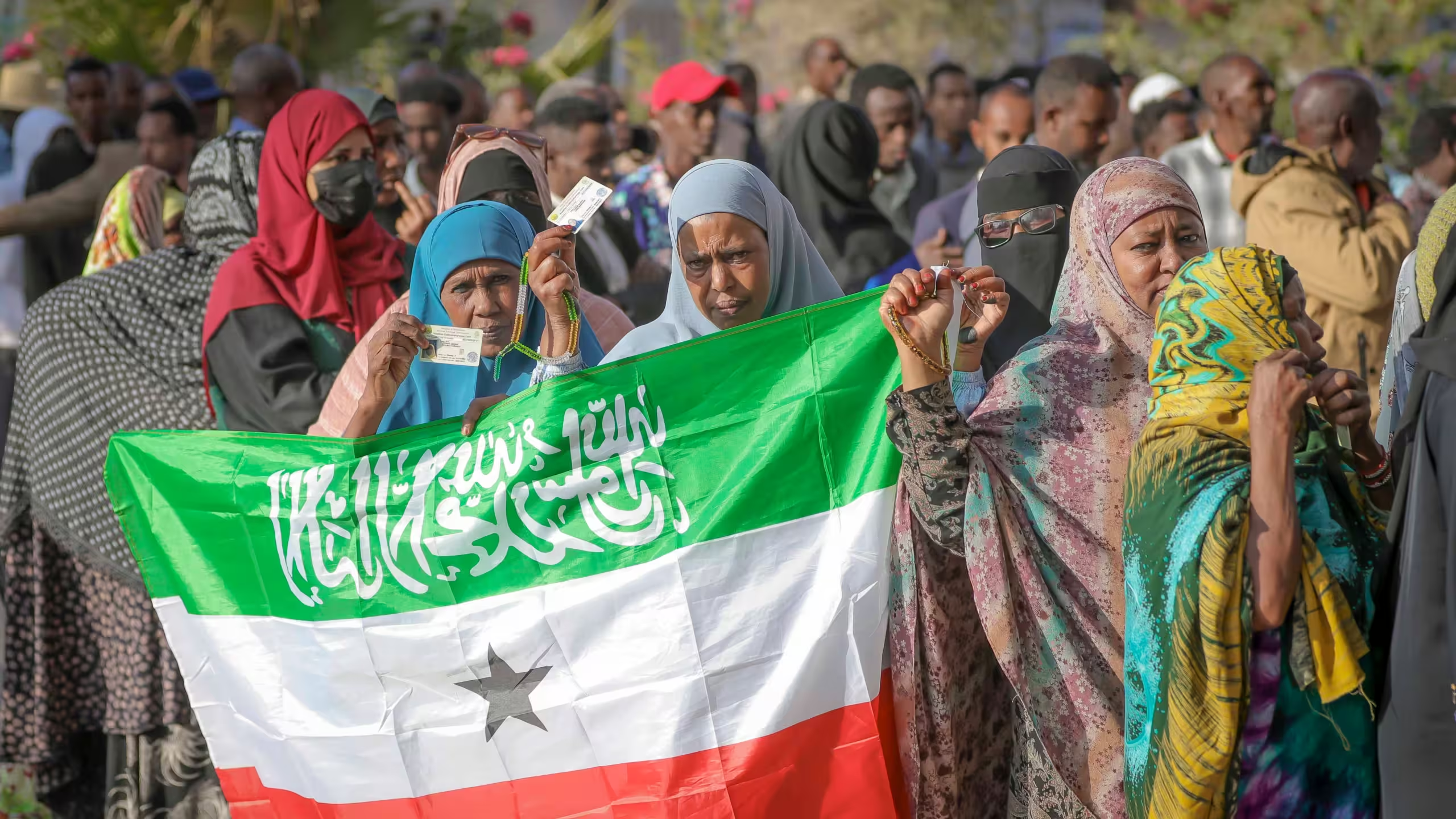
Somaliland, for its part, has operated as a de facto independent state since 1991. It has its own government, elections, currency, and security forces. It’s often described as one of the more stable and democratic political systems in the region, despite never being formally recognized internationally.
The MoU builds on years of trade and security cooperation. Ethiopia already relies on Somaliland’s ports. Formalizing that relationship makes economic sense, especially as regional competition intensifies and Red Sea access becomes more strategic for global shipping, energy, and exports. Having more Ethiopian presence in Somaliland, and now Israel, will help fight terror forces such as Al Shabaab, a Sunni Islamist religious extremist group based in Somalia.
Somalia, itself a lawless nation on the verge of becoming a terror state, has strongly opposed the deal, calling it a violation of its territorial integrity. Tensions flared quickly after the MoU was announced, and Ethiopia has since been careful to say that recognition is not immediate and that diplomacy is ongoing. Ethiopia, a predominantly Christian country, has to walk a fine line in order to keep the balance against insurgencies out of its
That caution reflects how complicated this is. Ethiopia wants access to the Red Sea. Somaliland wants recognition. Somalia wants to preserve its territorial claims. And outside actors, including Gulf states and China, are watching closely, each with their own interests.
What stood out during our visit was how openly Ethiopians discussed these tradeoffs. There was no sense of romantic nationalism, just a clear-eyed understanding that ports matter, trade matters, and sovereignty today is tied as much to supply chains as to borders drawn decades ago.
Whether the MoU leads to formal recognition remains uncertain. Regional politics move slowly, and sometimes sideways. But the direction is clear. Ethiopia is looking for options, and Somaliland is no longer viewed simply as a political question, but as a logistical one.
In a world shaped by climate stress, shipping disruptions, and global power competition, access to the sea is not a luxury. It’s infrastructure. And for many Ethiopians we met, working with Somaliland feels less like a provocation, and more like common sense.
Why Israel recognized Somaliland before Ethiopia
From conversations we had on the ground last year in Addis, what came through wasn’t uncertainty so much as a careful weighing of risks. Many Ethiopians we spoke with were openly supportive of deeper ties with Somaliland, yet they were equally clear-eyed about why formal recognition hasn’t happened. Ethiopia’s long and sensitive border with Somalia looms large, and recognizing Somaliland would be read in Mogadishu as a direct challenge to Somalia’s territorial integrity.
Every time we left the city our driver needed to check security along the roads as violent insurgencies are common in Ethiopia.
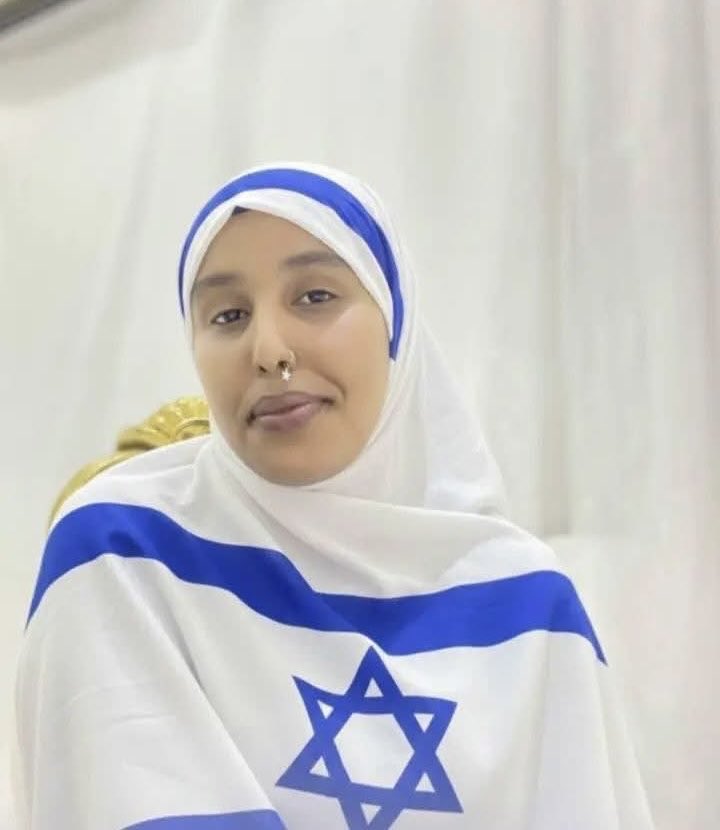
After decades spent trying to prevent further instability along that frontier—while coordinating on security and counter-militancy—few in Addis Ababa see value in provoking a diplomatic rupture at an already fragile moment. But Israel, on the other hand, can do it. Ethiopians already wave the flag of Israel in admiration and see an ancient thread of connection between their two sovereign nations –– back from when their Queen Sheba went to Jerusalem to meet the Jewish King Solomon.
Ethiopians also pointed to a more internal calculation. Ethiopia is a multi-ethnic federation still navigating its own political strains, and formally recognizing a breakaway state elsewhere in Africa risks opening doors Addis Ababa would rather keep closed.
As host of the African Union in Addis Ababa, Ethiopia is also steeped in the long-standing norm of preserving colonial-era borders, however imperfect they may be. For now, the country secures most of what it needs without crossing that line: port access, security cooperation, and deepening trade.