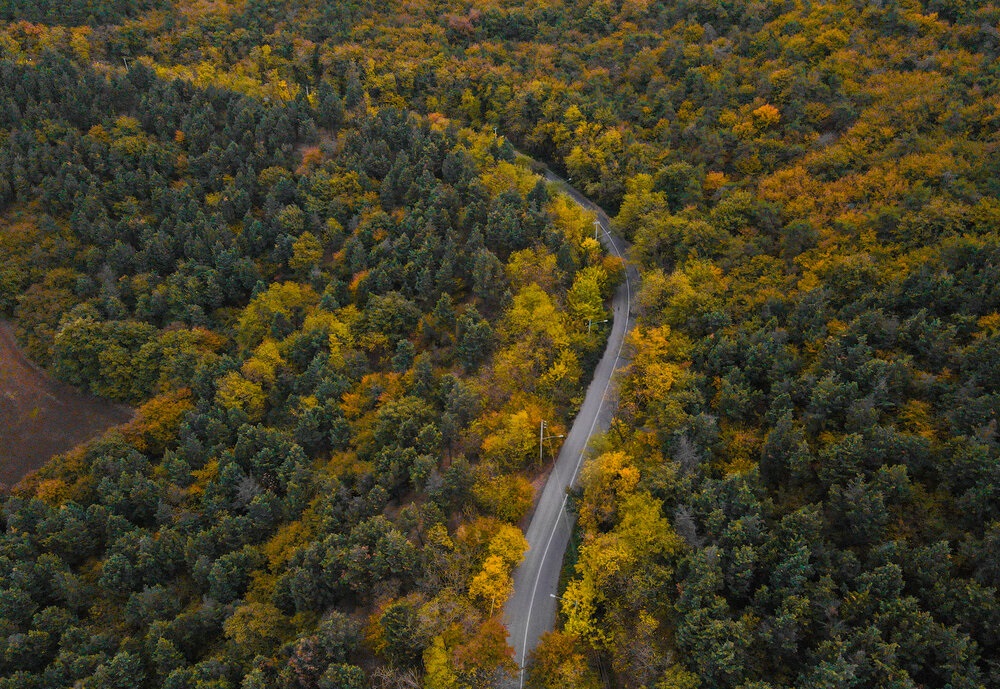
It’s full of rare and endemic species, and it’s a UNESCO heritage site. Iran’s natural treasure, a 1000-kilometer forest, the Hyrcanian forest has been on fire for several days. It stretches from the Caspian Sea and into neighboring Azerbaijan and is home to more than 3,200 kinds of plants. It is home to the Persian leopard and the Steppe eagle.
Related: Iran’s dams and water reservoirs have dried up
Mohammad Jafar Ghaempanah, deputy to Iranian President Massoud Pezeshkian, wrote Friday on X that “faced with the impossibility of containing the fire,” Iran had “requested urgent assistance from friendly countries.”
“Two specialized water bomber planes, a helicopter, and eight people will be dispatched from Turkey,” Shina Ansari, head of the Iranian Environmental Protection Organization, said on Saturday.
“If necessary, we will also seek assistance from Russia,” she added on state television.
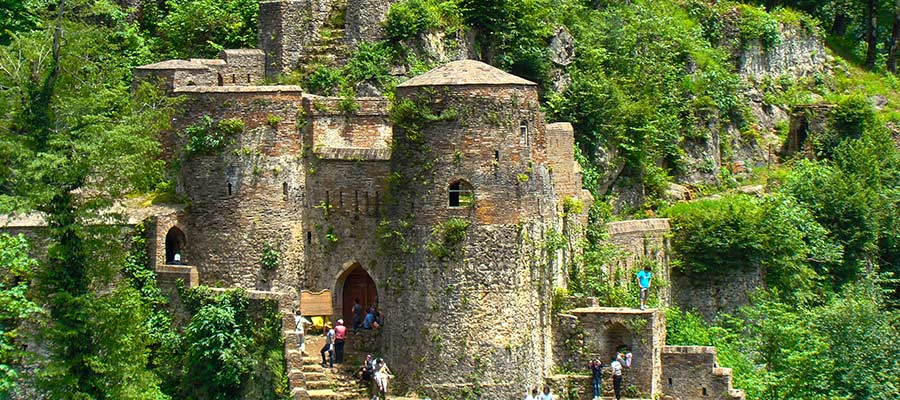
The forest is also home to the Rudkhan Castle, a fortress to defend against Arab invaders during the Muslim conquest of Persia.
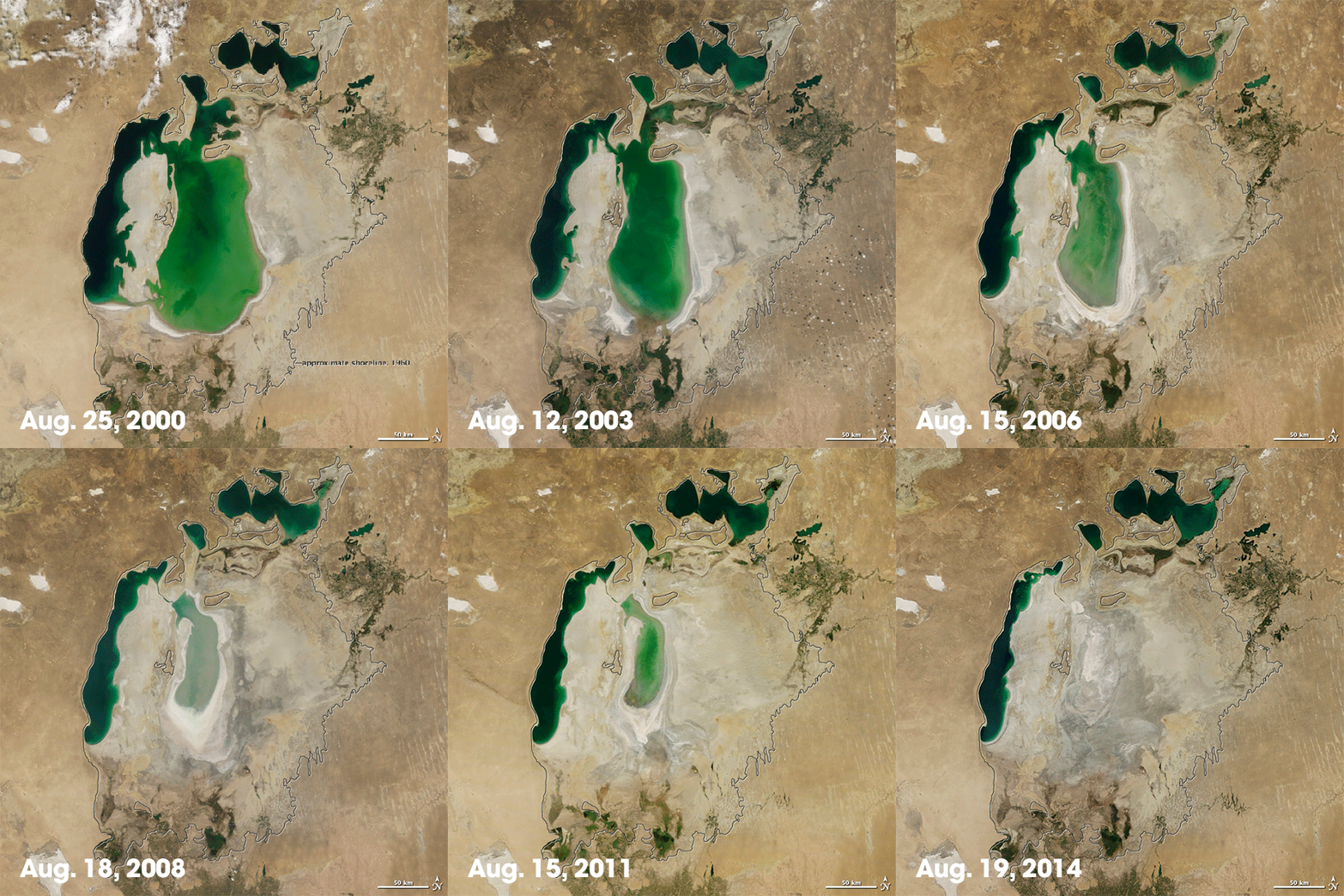
According to Iran’s Tasnim news agency, the fire was allegedly started by hunters in the rocky area of Elit in the province of Mazandaran, in northern Iran. This goes in parallel with climate change and the most severe droughts that Iran has seen since records began 60 years ago. Some clerics have blamed Israel for stealing the clouds. But it’s known that Iran’s lack of water management is to blame. See our story on the Aral Sea, an inland lake. It’s only gotten worse since we wrote the first article in 2014.
The country is currently facing one of its most severe droughts since records began six decades ago.
The director general of crisis management for Mazandaran province, Hossein Ali Mohammadi, described the operation to extinguish the fire as “one of the most complex in recent years.”
UNESCO says on its website that the Hyrcanian forests contain a “high degree of rare and endemic tree species” and are home to “many relict, endangered” plant species.
According to UNSESO, the forest contains the most important and significant natural habitats for in-situ conservation of biological diversity, including those containing threatened species of outstanding universal value from the point of view of science or conservation. It also contains superlative natural phenomena or areas of exceptional natural beauty and aesthetic importance.
“Iranians are losing a natural heritage that is older than Persian civilization,” Kaveh Madani, a UN scientist and former Iranian environmental official, wrote on X.

Green Prophet contributor Ronak Roshan, a sustainability architect in Iran says that climate change and bad planning is likely the cause for the fire.
“We should not look for distant and wrong addresses to find the founders of the Hyrcanian forest fires,” she says. “The roots of this crisis were planted years ago in the heart of our forests with irregular constructions, uncoordinated interventions, and the dancing of some branded architects and urban planners against land speculators. These decisions and plans, which ignored the capacities of the ecosystem and the fragility of the ecosystem, gradually undermined the natural structure of forests.
“Alongside these human factors, climate change—from unprecedented droughts to rising temperatures—has made Hyrcanian forests more vulnerable than ever. However, the issue is not only climate; we have not prioritized natural heritage and Hyrcanian forests as a “national and public value” in any period. The protection of this million-year-old heritage has never been seen among the urgent needs of the country.
“Today, when fires are burning in several parts of the Hyrcanian region at the same time, the main question is before us with unprecedented clarity: If we want to control this fire, what should we do with this danceable pattern of architects and urban planners (who have recently become environmentalists) against short-term interests? And how do we deal with the fire that has risen softly and silently from the heart of negligence, wrong policies, and profit-oriented interventions?”