Coffee compounds show promise for regulating diabetes

New research from China’s Kunming Institute of Botany has identified six novel compounds in roasted coffee that may help regulate blood sugar, offering hope for type 2 diabetes management and paving the way for future functional coffee products.
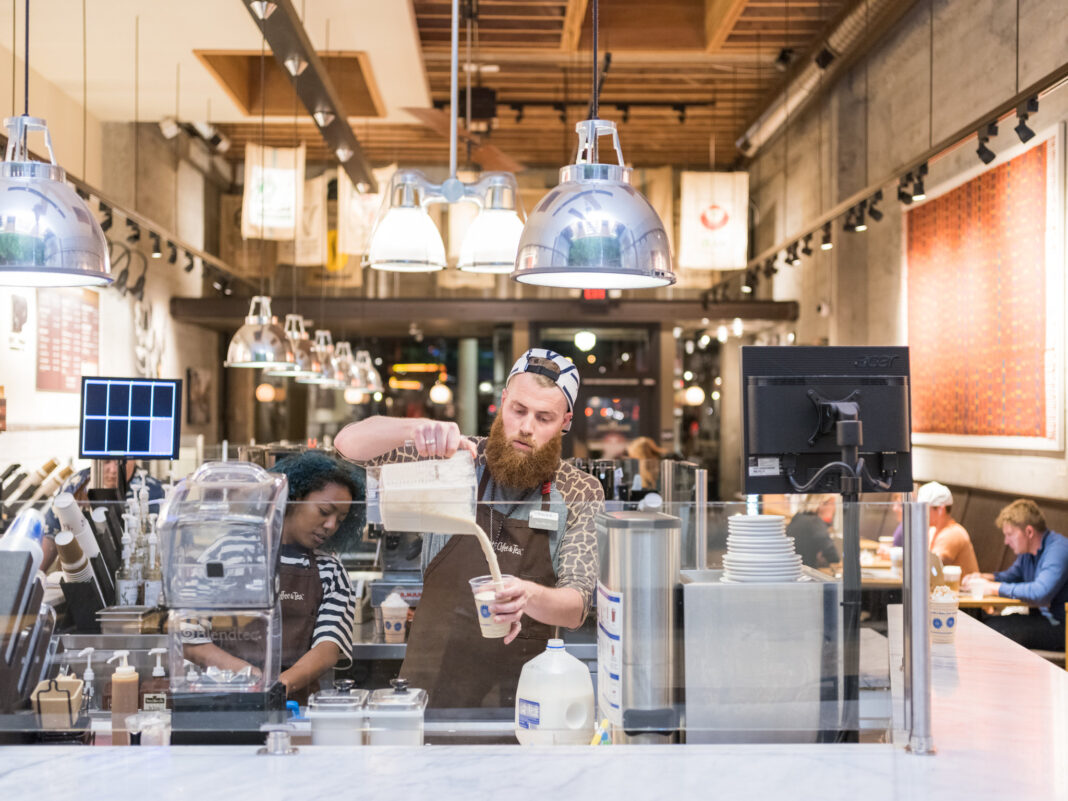
Stumptown Coffee; New research from China’s Kunming Institute of Botany has identified six novel compounds in roasted coffee that may help regulate blood sugar, offering hope for type 2 diabetes management and paving the way for future functional coffee products.

The biggest thing with diabetes is regulating those ups and downs. Can coffee help? A team of scientists from the Kunming Institute of Botany, Chinese Academy of Sciences, has identified six novel compounds in roasted coffee beans that could help regulate blood sugar, potentially offering new dietary strategies for managing type 2 diabetes. Their findings were published in Beverage Plant Research.

Functional foods—foods that offer health benefits beyond basic nutrition—are of growing interest to researchers seeking natural ways to address chronic diseases. Coffee has long been studied for its antioxidant and neuroprotective properties (as seen in similar work on shilajit honey), but its potential role in controlling post-meal blood sugar is now in the spotlight. This is because certain coffee compounds can inhibit α-glucosidase, a digestive enzyme that breaks down carbohydrates into glucose. Slowing this process can reduce blood sugar spikes after eating.

Lead researcher Minghua Qiu and colleagues developed a three-step “activity-oriented” screening strategy to efficiently detect active compounds in roasted Coffea arabica beans. Using minimal solvent, they combined nuclear magnetic resonance (NMR) with liquid chromatography–mass spectrometry (LC-MS/MS) to track down both abundant and trace-level bioactives.

They first separated the coffee extract into 19 fractions, screening each for α-glucosidase inhibition. Fractions 9 to 13 stood out, leading to the isolation of three new diterpene esters—caffaldehydes A, B, and C. These showed inhibitory effects with IC₅₀ values between 17.50 and 45.07 μM, outperforming the standard drug acarbose in potency.

Further molecular network analysis uncovered three more related diterpene esters, also previously unknown, each with unique fatty acid chains.

While these results are promising, the work is still in the early stages. The next step will be testing these compounds in living systems to confirm their safety and glucose-lowering effects. If successful, they could pave the way for coffee-derived nutraceuticals or functional food products designed to support healthy blood sugar levels.

For consumers, this might one day mean that a morning brew—whether it’s a carefully sourced cup from Stumptown Coffee Roasters or a single-origin pour-over from Blue Bottle Coffee—could also be part of a diabetes-friendly diet.

As Qiu’s team notes, the same analytical method could be applied to other complex food sources, accelerating the hunt for natural, functional ingredients with health benefits.


LEAVE A REPLY

Please enter your comment!
Please enter your name here

TRENDING

What has more protein – spirulina or a steak?

While both spirulina and beef provide “complete” protein (i.e., containing all essential amino acids), the absorption and usability of that protein by the human body may differ. Animal-sourced proteins are often considered more easily digestible and more strongly tied to muscle repair and growth, though the exact difference can depend on numerous factors including cooking method, other dietary components and individual digestive efficiency.

Long-term coffee drinking food for women’s health

If you’re a woman in your 40s or 50s enjoying your morning brew, this study gives new reason to sip with purpose. But even more importantly, it underscores a simple truth we often return to: wellness is cumulative. The choices we make today—how we move, what we eat, how we rest, and yes, how we caffeinate—are the building blocks of the decades to come.

Cocoa, coffee and tea push up global food import bill for wealthy countries

The global import food import bill is expected to...

Walmart starts to sell CBD cream and coffee products

Mellower mornings with CBD based coffee creamer heading to Walmart

A new shipping container coffee house for Costa Coffee in Dubai

AHOYmodz, a shipping container achitecture firm, partnered with Costa Coffee to introduce an eco-friendly, innovative coffee experience at Dubai's Ripe Market, located in the Dubai Police Academy Park.

Qatar’s climate hypocrisy rides the London Underground

Qatar remains a master of doublethink—burning gas by the megaton while selling “sustainability” to a world desperate for clean air. Wake up from your slumber people.

How Quality of Hire Shapes Modern Recruitment

A 2024 survey by Deloitte found that 76% of talent leaders now consider long-term retention and workforce contribution among their most important hiring success metrics—far surpassing time-to-fill or cost-per-hire. As the expectations for new hires deepen, companies must also confront the inherent challenges in redefining and accurately measuring hiring quality.

8 Team-Building Exercises to Start the Week Off 

Team building to change the world! The best renewable energy companies are ones that function.

Thank you, LinkedIn — and what your Jobs on the Rise report means for sustainable careers

While “green jobs” aren’t always labeled as such, many of the fastest-growing roles are directly enabling the energy transition, climate resilience, and lower-carbon systems: Number one on their list is Artificial Intelligence engineers. But what does that mean? Vibe coding Claude? 

Somali pirates steal oil tankers

The pirates often stage their heists out of Somalia, a lawless country, with a weak central government that is grappling with a violent Islamist insurgency. Using speedboats that swarm the targets, the machine-gun-toting pirates take control of merchant ships and then hold the vessels, crew and cargo for ransom.

Leopoldo Alejandro Betancourt López Turned Ocean Plastic Into Profitable Sunglasses

Few fashion accessories carry the environmental burden of sunglasses. Most frames are constructed from petroleum-based plastics and acrylic polymers that linger in landfills for centuries, shedding microplastics into soil and waterways long after they've been discarded. Leopoldo Alejandro Betancourt López, president of the Spanish eyewear brand Hawkers, saw this problem differently than most industry executives.

Why Dr. Tony Jacob Sees Texas Business Egos as Warning Signs

Everything's bigger in Texas. Except business egos.  Dr. Tony Jacob figured...

Israel and America Sign Renewable Energy Cooperation Deal

Other announcements made at the conference include the Timna Renewable Energy Park, which will be a center for R&D, and the AORA Solar Thermal Module at Kibbutz Samar, the world's first commercial hybrid solar gas-turbine power plant that is already nearing completion. Solel Solar Systems announced it was beginning construction of a 50 MW solar field in Lebrija, Spain, and Brightsource Energy made a pre-conference announcement that it had inked the world's largest solar deal to date with Southern California Edison (SCE).

Related Articles

Popular Categories