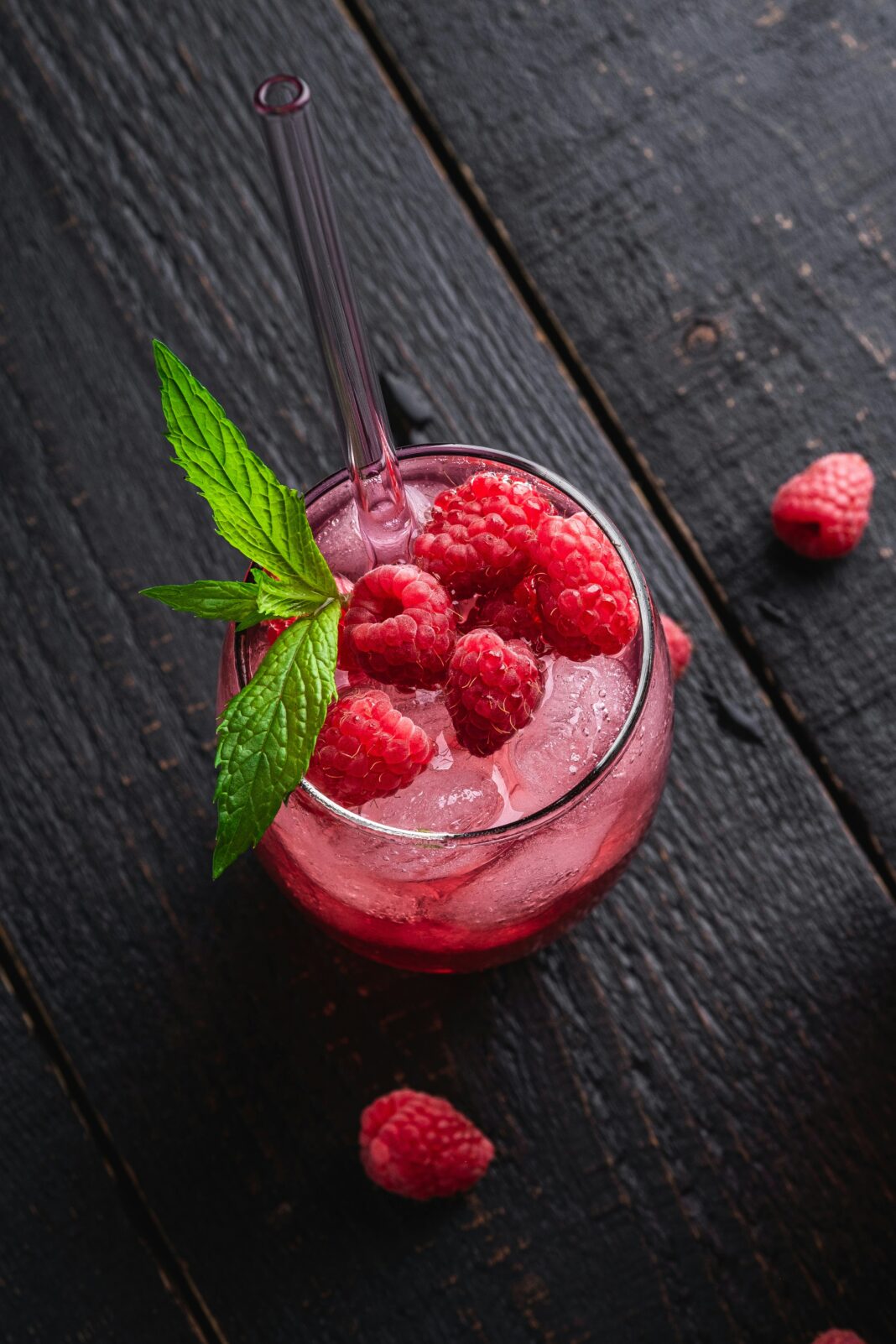

Put Summer In A Bottle: Brew Raspberry Cordial

iced raspberry cordial

Raspberries are in full flush now, so take advantage of that abundance to brew raspberry cordial. You can call it a home-brew because the juice ferments and becomes slightly alcoholic. It's sweet, light, and a clear red color, with the true raspberry flavor. Uncork a bottle in winter, and the fragrance immediately takes you right back to summer. At least, while you’re drinking it.

If you’re using fresh raspberries, you won’t need to add yeast because the yeasts needed for fermentation exist on the fruit. But if the cordial has been sitting around for a couple of days and there still isn’t foam on the surface to indicate fermentation, stir in a tiny pinch of baker’s yeast to encourage it. Confession: I’ve made the cordial with supermarket frozen raspberries more than once, and haven’t needed to supplement it with commercial yeast.

This recipe is adapted from Leda Meredith's Preserving Everything.

  • large bowls
  • potato masher or food processor
  • sieve or colander
  • cheesecloth or clean kitchen towel
  • very clean, very dry bottles. How many depends on the volume each contains.
  • funnel
  • Ziploc bag or balloon for each bottle
  • needle or pin
  • corks or other dependable stoppers
  • 2 quarts – 8 cups – 2 liters – fresh or frozen raspberries
  • 2 cups boiling water
  • 2 cups granulated white sugar
  1. If using frozen berries, thaw them out.
  2. Crush the berries in a non-reactive bowl with a potato masher. Or pulse them briefly in the food processor, then transfer the mass to a crock or bowl. Don’t attempt to puree the berries, just break them down into fine chunks.
  3. Have the water boiling. Stir it into the raspberry mass.
  4. Cover the bowl with cheesecloth or a clean kitchen towel. Now leave it in place for 24 hours, stirring once in a while.

  5. Strain the liquid into the second clean bowl through a sieve or colander lined with cheesecloth. The more you strain, the more juice you get and the less seeds to deal with.

  6. Discard the seedy pulp.
  7. Add the sugar to the juice, stirring. Stir well again every 15 minutes for the next hour, making 5 times altogether.
  8. Strain the sweetened juice again.
  9. Funnel the cordial into your bottles. It will continue fermenting.
  10. Do not cork the bottles yet; fermentation creates gases that can pop corks right off and spew your beautiful cordial everywhere. Fit a Ziploc bag or balloon over each bottle and secure it with a rubber band. Pierce each bag once with the needle. This keeps dust and bugs out and allows fermentation gases to escape.

  11. Put the bottles upright in a cool, dark place. The bag will inflate as the cordial ferments. When they deflate, you can cork the cordial. This should take about two months.

  12. Store the bottles on their sides in that cool, dark place for a further 2 months. The wait is worthwhile to let the cordial mature.
  13. The cordial may be a little fizzy when first poured out. Drink it that way if you like. Otherwise, decant it. There may be some sediment at the very bottom of the bottle. In that case, pour the cordial off gently to leave the sediment behind.
  14. Kept corked and cool, the raspberry cordial will stay delicious at least a year. But you’ll probably drink it up way before.

How to serve raspberry cordial: Pour it into tumblers or small glasses, either at cool room temperature or cold. I like it iced, myself.

Other seasonal berries like yellow raspberries, blackberries, mulberries, and blueberries can be substituted in this recipe. Naturally, the color will be different according to the fruit used. Best is to use organic or foraged fruit. 

If making the cordial in quantity, it’s worth investing in one or more fermentation locks, as many as needed for your bottles. These locks do a great job of keeping the cordial clean while allowing gases to escape. Find them at local winemaking suppliers or order online.

Drinks
American

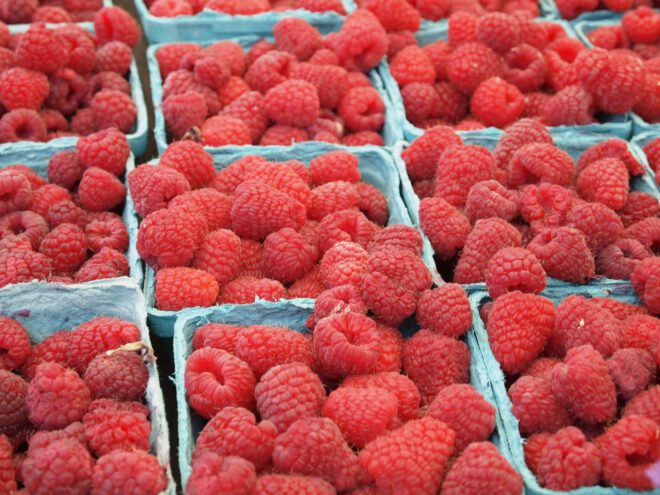
fresh raspberries for cordial

Miriam Kresh
Miriam Kreshhttps://www.greenprophet.com/
Miriam Kresh is an American ex-pat living in Israel. Her love of Middle Eastern food evolved from close friendships with enthusiastic Moroccan, Tunisian and Turkish home cooks. She owns too many cookbooks and is always planning the next meal. Miriam can be reached at miriam (at) greenprophet (dot) com.

LEAVE A REPLY

Please enter your comment!
Please enter your name here

TRENDING

Lion’s Mane Mushroom Recipe

Eyeing the mushrooms for sale in the local supermarket,...

Mandi, Fragrant Yemenite Chicken With Golden Rice

This is a luxurious recipe that requires a taste...

Simple Qatayef recipe makes fabulous nut-filled pancakes

Qatayef - also spelled katayif or qatya’if - is traditionally eaten at Ramadan (get our Ramadan vegetarian ideas here), but it’s a treat anytime. In fact, it’s a treat that’s gone through history. A recipe for qatayif appears in a tenth century Arabic cookbook by the writer Ibn Sayyar al-Warraq, who compiled recipes going back to the eighth and ninth centuries. People have been eating qatayif for a very long time.

Feta and Brie Cooked in Grapevine Leaves

For an easy, luscious appetizer, wrap a semi-firm white...

Recipe: Mushrooms Cooked in Grapevine Leaves

Grapevine leaves are usually thought of as wraps or...

Qatar’s climate hypocrisy rides the London Underground

Qatar remains a master of doublethink—burning gas by the megaton while selling “sustainability” to a world desperate for clean air. Wake up from your slumber people.

How Quality of Hire Shapes Modern Recruitment

A 2024 survey by Deloitte found that 76% of talent leaders now consider long-term retention and workforce contribution among their most important hiring success metrics—far surpassing time-to-fill or cost-per-hire. As the expectations for new hires deepen, companies must also confront the inherent challenges in redefining and accurately measuring hiring quality.

8 Team-Building Exercises to Start the Week Off 

Team building to change the world! The best renewable energy companies are ones that function.

Thank you, LinkedIn — and what your Jobs on the Rise report means for sustainable careers

While “green jobs” aren’t always labeled as such, many of the fastest-growing roles are directly enabling the energy transition, climate resilience, and lower-carbon systems: Number one on their list is Artificial Intelligence engineers. But what does that mean? Vibe coding Claude? 

Somali pirates steal oil tankers

The pirates often stage their heists out of Somalia, a lawless country, with a weak central government that is grappling with a violent Islamist insurgency. Using speedboats that swarm the targets, the machine-gun-toting pirates take control of merchant ships and then hold the vessels, crew and cargo for ransom.

Leopoldo Alejandro Betancourt López Turned Ocean Plastic Into Profitable Sunglasses

Few fashion accessories carry the environmental burden of sunglasses. Most frames are constructed from petroleum-based plastics and acrylic polymers that linger in landfills for centuries, shedding microplastics into soil and waterways long after they've been discarded. Leopoldo Alejandro Betancourt López, president of the Spanish eyewear brand Hawkers, saw this problem differently than most industry executives.

Why Dr. Tony Jacob Sees Texas Business Egos as Warning Signs

Everything's bigger in Texas. Except business egos.  Dr. Tony Jacob figured...

Israel and America Sign Renewable Energy Cooperation Deal

Other announcements made at the conference include the Timna Renewable Energy Park, which will be a center for R&D, and the AORA Solar Thermal Module at Kibbutz Samar, the world's first commercial hybrid solar gas-turbine power plant that is already nearing completion. Solel Solar Systems announced it was beginning construction of a 50 MW solar field in Lebrija, Spain, and Brightsource Energy made a pre-conference announcement that it had inked the world's largest solar deal to date with Southern California Edison (SCE).

Related Articles

Popular Categories