Earth Day in the Emirates: 1,200 Mangroves Planted to Tackle Climate Crisis and Reconnect with Nature

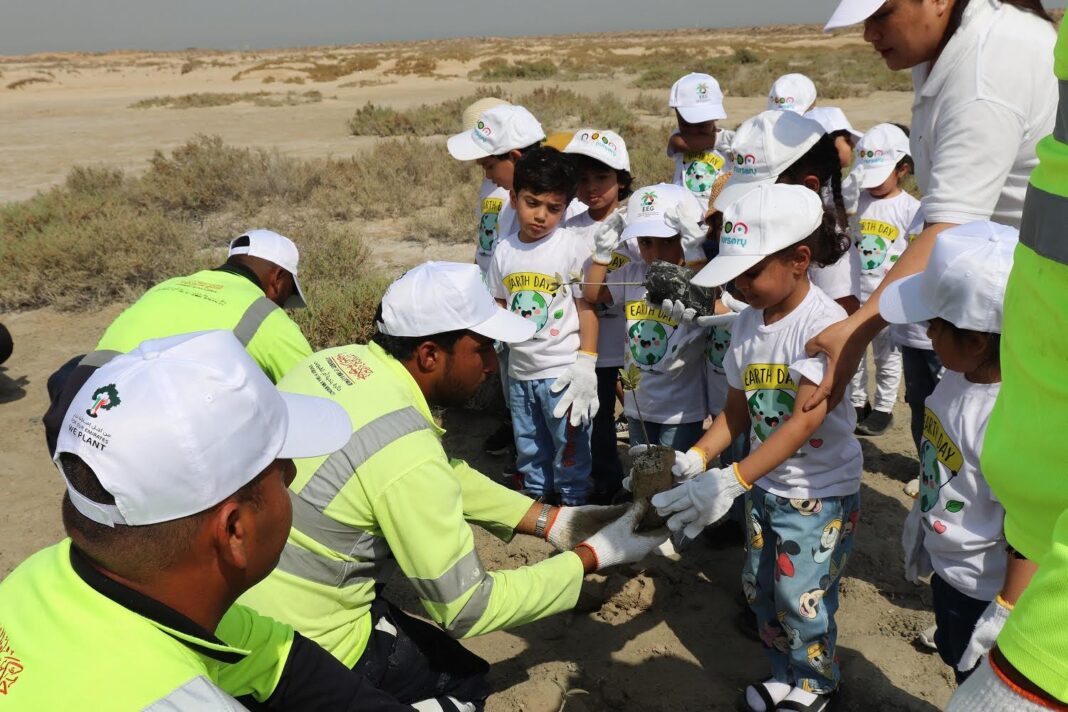
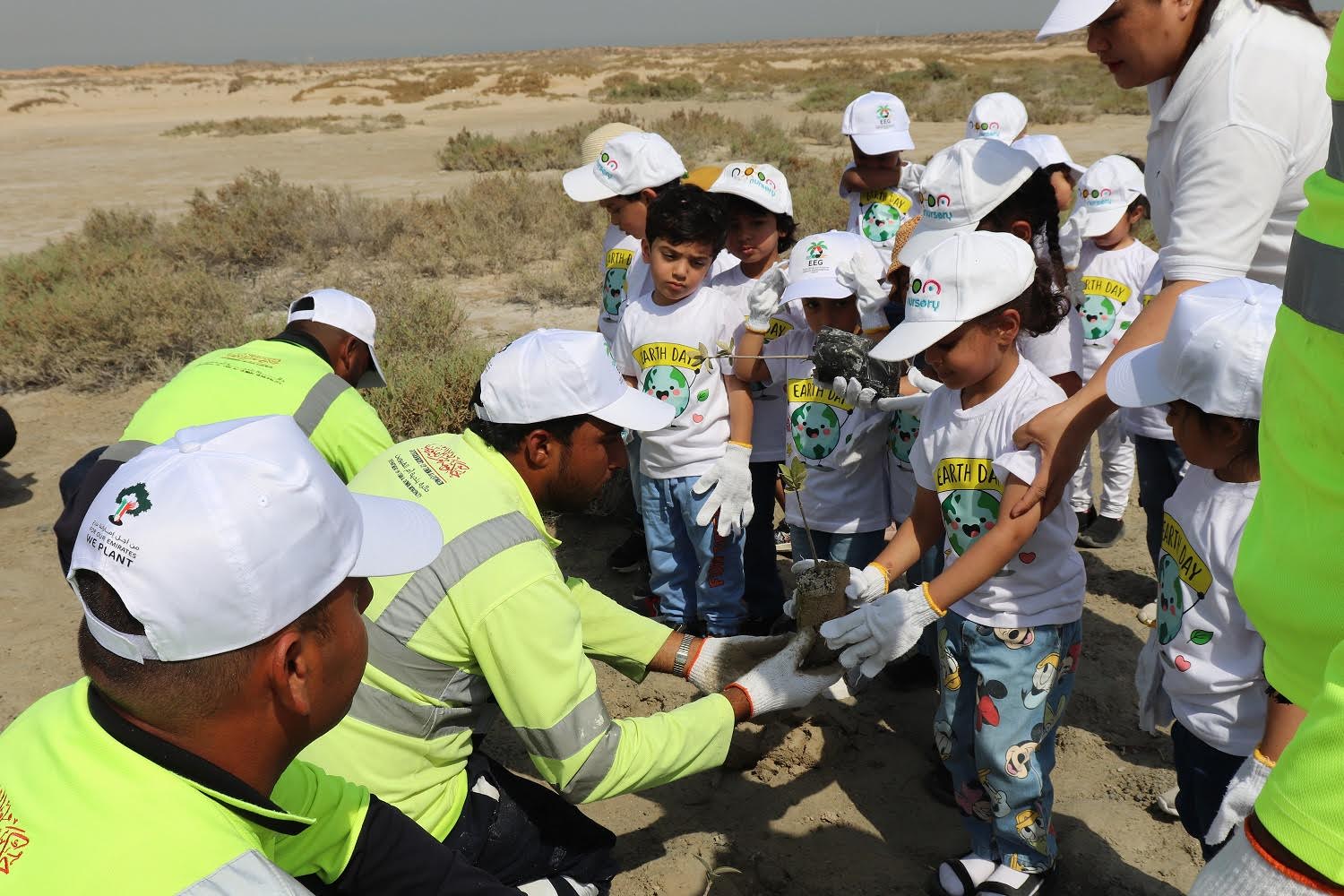
Volunteers planting mangrove trees on Earth Day 2025 at Mangrove Beach, Umm Al Quwain

In a meaningful gesture of environmental solidarity, the Emirates Environmental Group (EEG), in collaboration with Umm Al Quwain Municipality, marked Earth Day 2025 by planting over 1,200 mangrove saplings along the ecologically vital Mangrove Beach in Umm Al Quwain.

The initiative was part of EEG’s longstanding national campaign, “For Our Emirates We Plant”, a grassroots movement that has helped seed millions of trees across the UAE’s arid landscape.

More than a ceremonial planting event, the gathering served as a stirring reminder of the UAE’s growing momentum in greening the desert and amplifying climate action in a region historically synonymous with drought and sand. Earth Day 2025 brought together government officials, academics, youth groups, and families, all united by a common goal: regenerating ecosystems and building coastal resilience in a time of escalating climate emergencies.
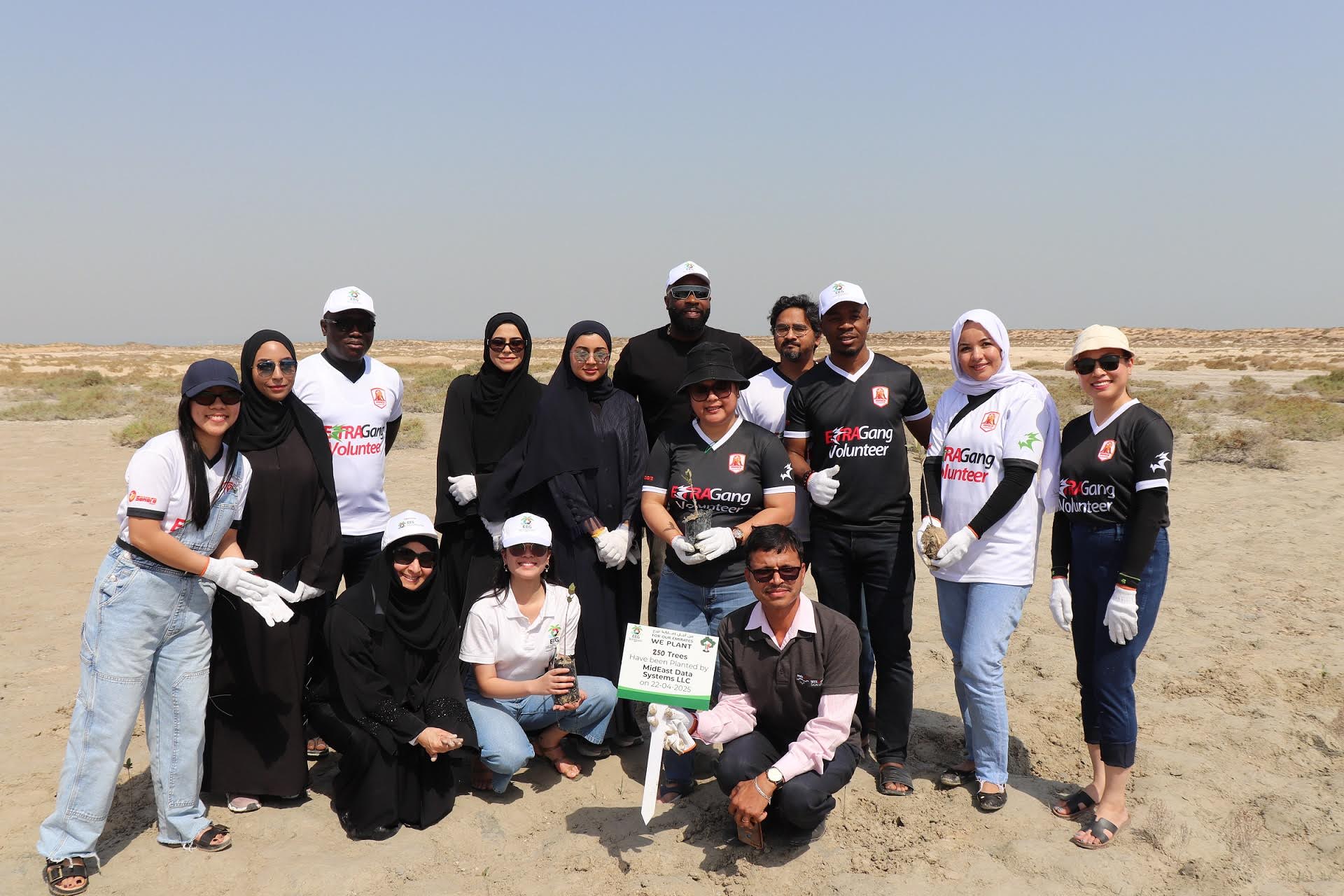
Volunteers planting mangrove trees on Earth Day 2025 at Mangrove Beach, Umm Al Quwain

“Each mangrove planted today is a living pledge for the future,” said EEG Co-Founder and Chairperson Habiba Al Mar’ashi, addressing attendees. “We are not only restoring coastal forests but cultivating a culture of care and responsibility toward our planet.”

Over the past two decades, EEG has facilitated the planting of more than 2.1 million indigenous trees across the Emirates. Their efforts, particularly since 2007, have resulted in the sequestration of over 186,000 metric tonnes of CO2 — a measurable contribution to the UAE’s Net Zero 2050 ambitions.

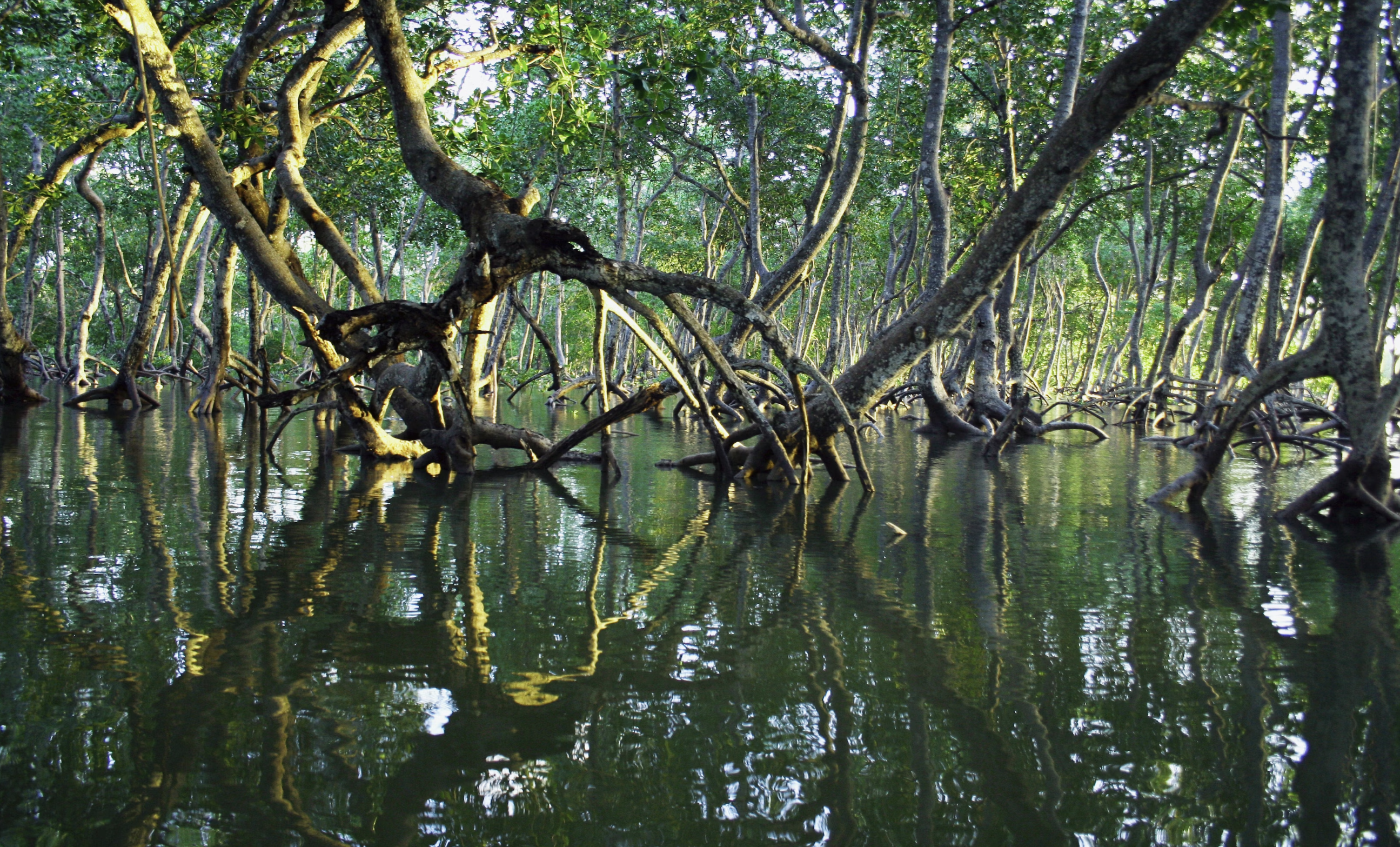
Mangroves: Coastal Guardians and Carbon Powerhouses Mangroves — often overlooked in favor of more iconic forests — are emerging as climate champions. Able to absorb up to four times more carbon dioxide than terrestrial forests, these trees serve as a natural bulwark against rising seas and intensifying storms. They filter water pollutants, prevent coastal erosion, and create rich nurseries for marine life — all while thriving in salty, oxygen-poor soils that would kill most other trees. In hyper-arid nations like the UAE, mangroves have proven their mettle as ecosystem engineers. And interest is surging across the Middle East.

Saudi Arabia recently launched its own coastal reforestation program under the Saudi Green Initiative, with plans to plant 100 million mangroves by 2030. These efforts are vital not only for biodiversity and carbon drawdown, but also for cooling coastlines that are rapidly heating under the climate crisis. Historical Roots of a Green Revolution The UAE’s mangrove legacy is rooted in conservation efforts dating back to the 1970s, when late ruler Sheikh Zayed first introduced reforestation programs in Abu Dhabi.
Since then, the country has slowly cultivated a green spine along its coasts — a powerful symbol of what’s possible when environmental vision meets community action. Green Prophet has previously reported on efforts to protect mangrove ecosystems in the face of destructive development. In 2019, we highlighted the push to use drones to plant mangroves in hard-to-reach tidal zones — a testament to how tech and tradition can coalesce for Earth’s benefit.

Saudi Arabia mangroves
Saudi Arabian mangroves

A Desert Forest for Future Generations In the Gulf, where freshwater is precious and fertile land is rare, initiatives like “For Our Emirates We Plant” serve as a clarion call for climate resilience.

Mangroves, often viewed as muddy or marginal, are now at the forefront of regional regeneration. They are not merely trees but living infrastructure — cooling cities, sustaining marine life, and holding back the tides. Earth Day 2025 in Umm Al Quwain wasn’t just about greening the beach. It was a reminder that hope can grow even in the harshest conditions — and that in the Middle East, the future might just be forested.


TRENDING

Australian camels fly on a plane to Saudi Arabia

Australia has the largest population of feral camels in the world. Some get repatriated to Saudi Arabia.

BM Studios is designing systems, not just buildings in the UAE

Balsam Madi is an architect and systems thinker whose work bridges culture, sustainability, and design intelligence across the Middle East and Europe.

Seaweed fashion brands can source from Saudi Arabian sea

From Red Sea seaweed to runway-ready fabric, Saudi Arabia is quietly reshaping fashion’s material future. KAUST scientists, designers, and textile innovators are proving that sustainability can begin in local ecosystems. As seaweed becomes wearable, fashion is learning to grow not from fields — but from tides.

The Line’s 15 minute city failure and the limits of green futurism

The failure of The Line is not a failure of imagination. It is a failure of restraint by western architects and planners who go along with the charade. Who is holding these firms accountable? This is actually a reasonable kind of project for the UN to take on and challenge. 

Peace hospital opens between Jordan and Israel

The proposed medical centre, described by Emek HaMaayanot Regional Council head Itamar Matiash as “a centre for cancer treatment, so that people from Jordan or further away could come and receive treatment,” would become the flagship of a wider cluster of medical, academic and innovation-based services planned for the Israeli half of the zone.

Turning Your Energy Consultancy into an LLC: 4 Legal Steps for Founders in Texas

If you are starting a renewable energy business in Texas, learn how to start an LLC by the books.

Tracking the Impacts of a Hydroelectric Dam Along the Tigris River

For the next two months, I'll be taking a break from my usual Green Prophet posts to report on a transnational environmental issue: the Ilısu Dam currently under construction in Turkey, and the ways it will transform life along the Tigris River.

6 Payment Processors With the Fastest Onboarding for SMBs

Get your SMB up and running fast with these 6 payment processors. Compare the quickest onboarding options to start accepting customer payments without delay.

Qatar’s climate hypocrisy rides the London Underground

Qatar remains a master of doublethink—burning gas by the megaton while selling “sustainability” to a world desperate for clean air. Wake up from your slumber people.

How Quality of Hire Shapes Modern Recruitment

A 2024 survey by Deloitte found that 76% of talent leaders now consider long-term retention and workforce contribution among their most important hiring success metrics—far surpassing time-to-fill or cost-per-hire. As the expectations for new hires deepen, companies must also confront the inherent challenges in redefining and accurately measuring hiring quality.

8 Team-Building Exercises to Start the Week Off 

Team building to change the world! The best renewable energy companies are ones that function.

Thank you, LinkedIn — and what your Jobs on the Rise report means for sustainable careers

While “green jobs” aren’t always labeled as such, many of the fastest-growing roles are directly enabling the energy transition, climate resilience, and lower-carbon systems: Number one on their list is Artificial Intelligence engineers. But what does that mean? Vibe coding Claude? 

Somali pirates steal oil tankers

The pirates often stage their heists out of Somalia, a lawless country, with a weak central government that is grappling with a violent Islamist insurgency. Using speedboats that swarm the targets, the machine-gun-toting pirates take control of merchant ships and then hold the vessels, crew and cargo for ransom.

Related Articles

Popular Categories