

North Americans are still eating meat, although less of it, and leaning more toward poultry rather than beef and pork. This is partly because more people are choosing alternative plant-based sources of protein like beans (and we have some delicious recipes like this potato salad with fava beans). It’s partly because poultry is cheaper and healthier than red meat. (The demand for pork stays steady, according to data provided by Carlisle Technology, a Canadian hardware and software manufacturer focused on the meat industry.)
And it’s partly because prices of meat are climbing up. It’s getting harder to budget meat into the weekly meal rotation.
You don’t want to give up meat entirely, but what are the best ways of enjoying your favorite protein without busting your budget?
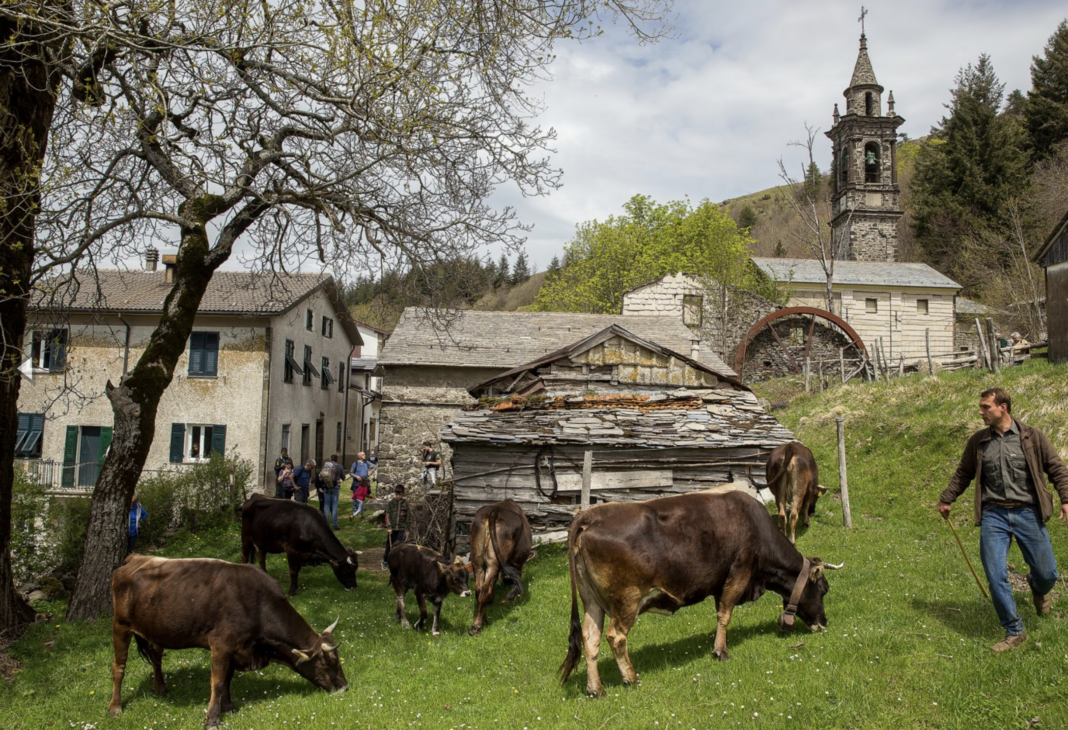
One way is to join or create a meat co-op with like-minded friends, neighbors, or people responding to a local ad you put out. This is where a couple, or a group, or several families buy an entire animal, or half-animal together, dividing the meat, offal, and bones by pre-agreement.
That’s great if you live in the right kind of area. A friend living in Calgary, Canada, tells me she and her husband share a whole lamb with the neighbors every spring. But for people like me, who get their meat at the butcher’s section of the supermarket, that’s hardly a solution.
Consider these ways. The first: avoid waste.
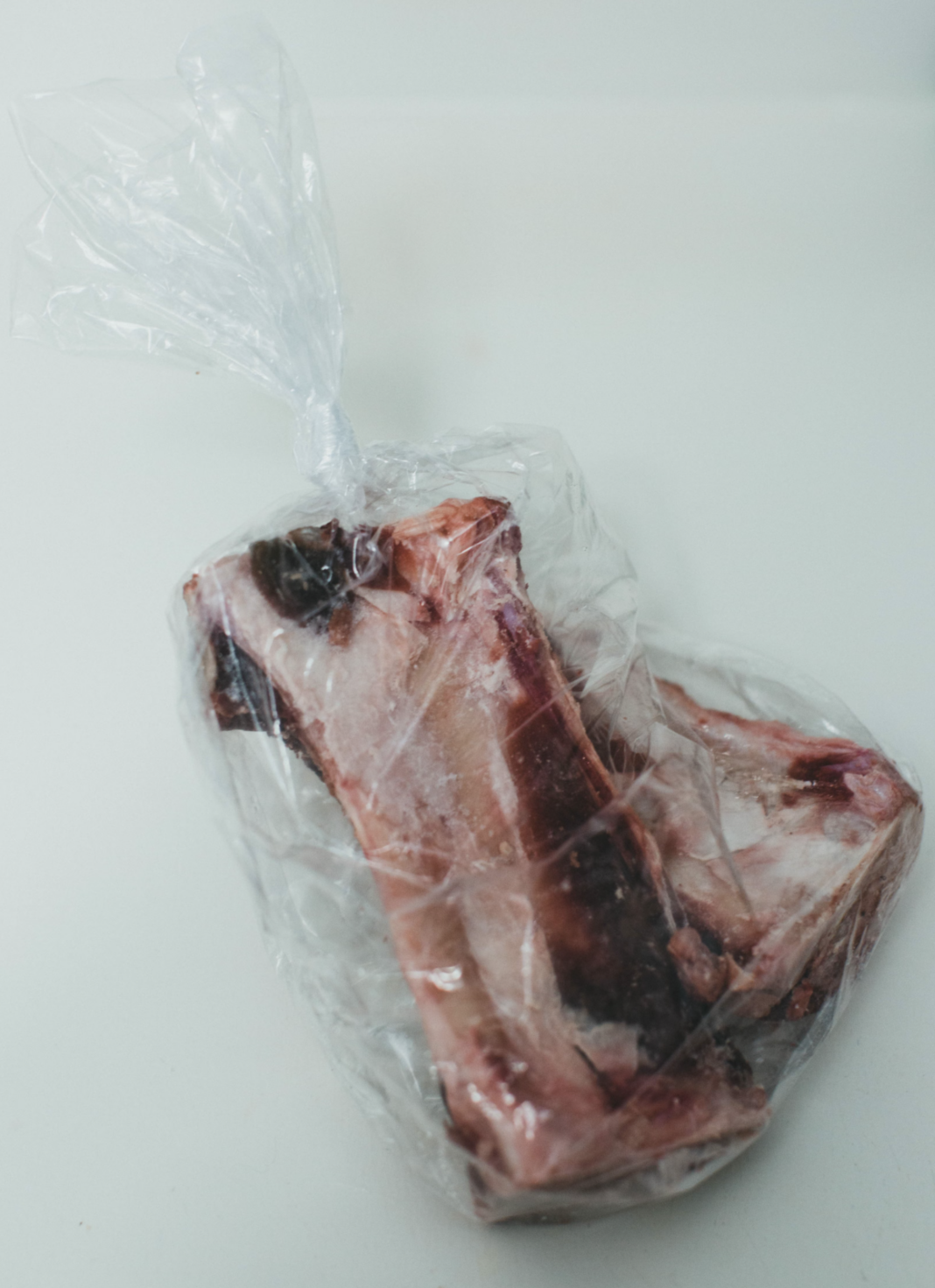
Bones, whether raw or left over from a roast, make a base for tasty and nutritious broth.
Surplus fat on the body of the bird can be frozen and saved up to render down, making golden liquid shmaltz. I don’t recommend rendering beef, sheep, or pork fat, though, especially if you live in an apartment. Rendering makes pungent odors. Some render their shmaltz outdoors on their grill. I just keep the windows open.
Freeze any offal (gizzards, livers, hearts) for later cooking; or if you really don’t fancy eating it, give it to your cat.
Cook portions not so large that leftovers will sit in the fridge until they go bad.
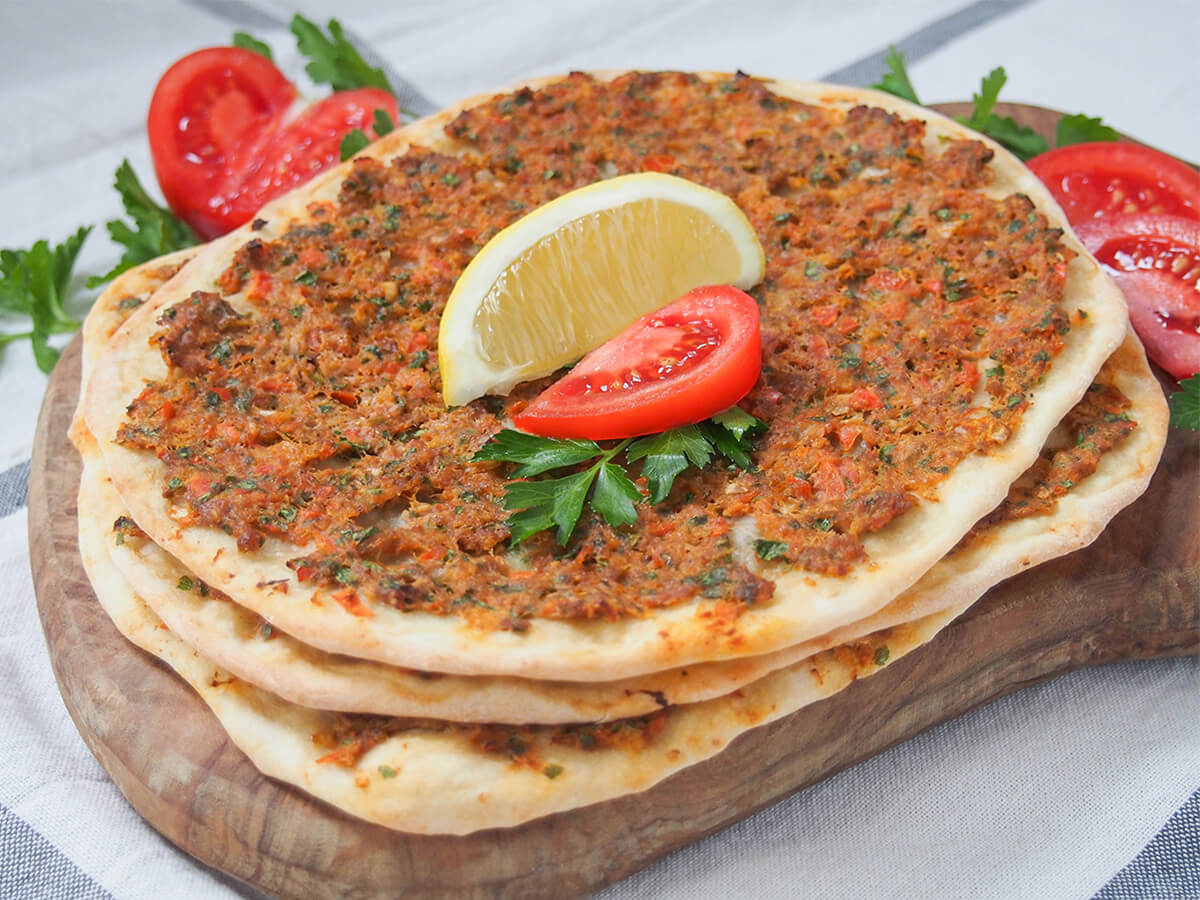
Unless you’re deliberately planning on leftovers for a second round later in the week. Also go for recipes that use relatively little meat while satisfying the craving, like our Lachmacun, Turkish meat-topped flatbreads.
The second idea, tied to avoiding waste, is to preserve the meat. When your favorite meat’s at a good price, buy it up by all means, but use every bit of what you buy. Anything surplus, freeze.
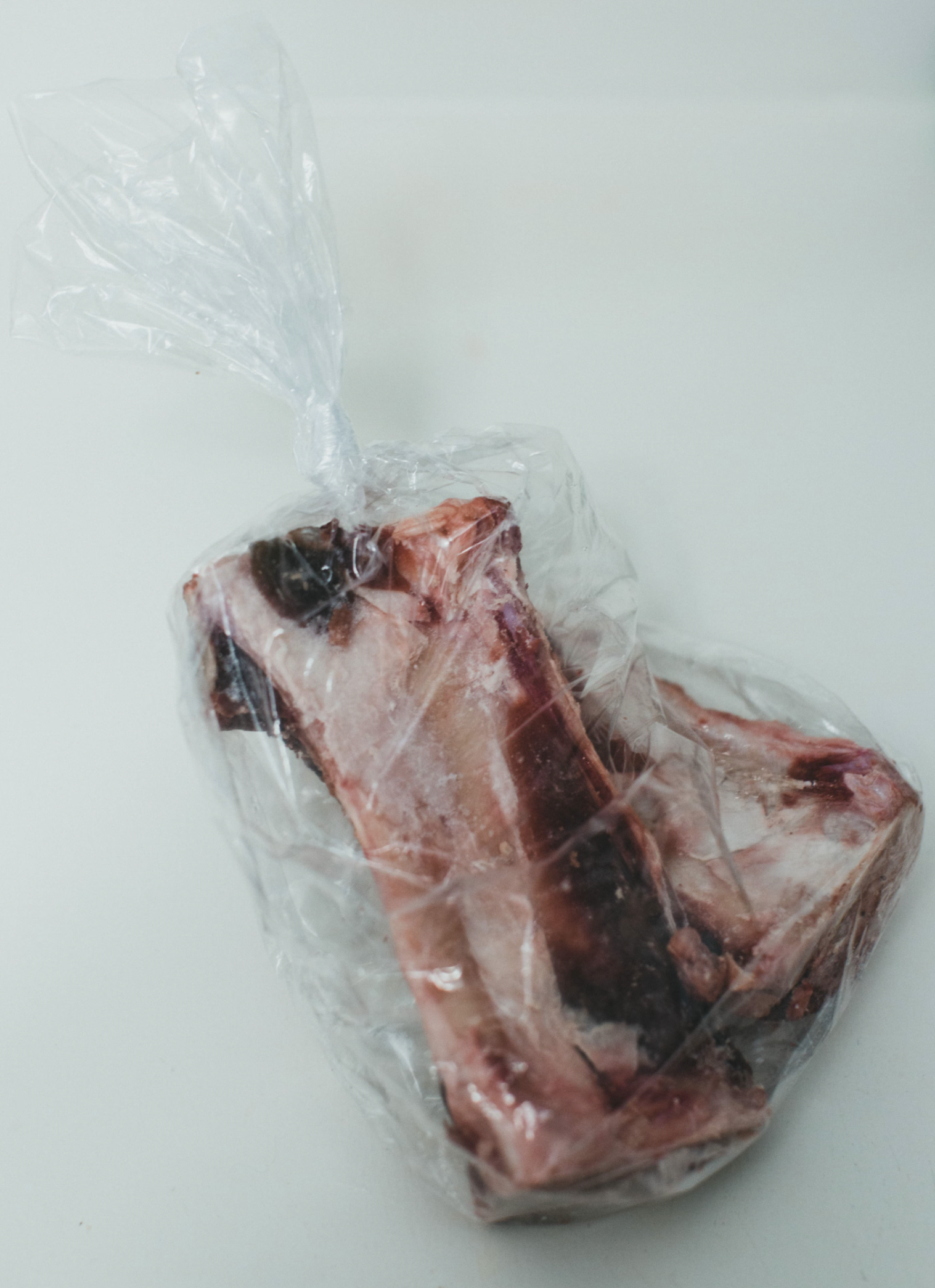
Freezing is the easiest way to preserve animal meat or fish. To freeze successfully, you must give no chance for air or moisture to invade, which risks damage to your meat from freezer burn and loss of nutrients, not to mention flavor. And it’s easy enough to freeze meat safely.
Freezing meat – you’ll need:
Butcher paper
Masking tape
Aluminum foil
A sharpie or pen for labeling
Wrap the piece of fresh meat in butcher’s paper with the waxed side touching the meat.
Tape it shut with masking tape.
Wrap the package with foil.
Label the package with the contents and the date written on a piece of masking tape.
You can also use sturdy commercial freezer bags, squeezing all the air out before sealing the contents. This is less reliable than wrapping meat as detailed above;, although practical for handling meat in small pieces, i.e. ground meat and chunks of fat. I suggest cooking meat frozen in a bag well before the maximum time allowed in the chart below.
Cooked meat is safe to freeze. Refrigerate it promptly after it’s cooled down; you can keep it in the fridge, tightly covered, up to 2 days before freezing. Better is to freeze it right away after cooking and cooling.
Always label frozen meat. If you’re like me, you’ll never remember how long that batch of meat balls has been sitting in there.
Lengths of time your meat will maintain quality in the freezer:
Bacon and Pancetta: 3 months
Chops: 6 months
Ground meats: 4 months
Organ meats: 4 months
Roasts: 1 year
Sausage: 3 months
Steaks: 8 months
Raw poultry fat: 6 months
Rendered fat: 1 year
Further reading on modern ways of preserving food: the concise, very readable Preserving Everything, by Leda Meredith, Countryman Press.