
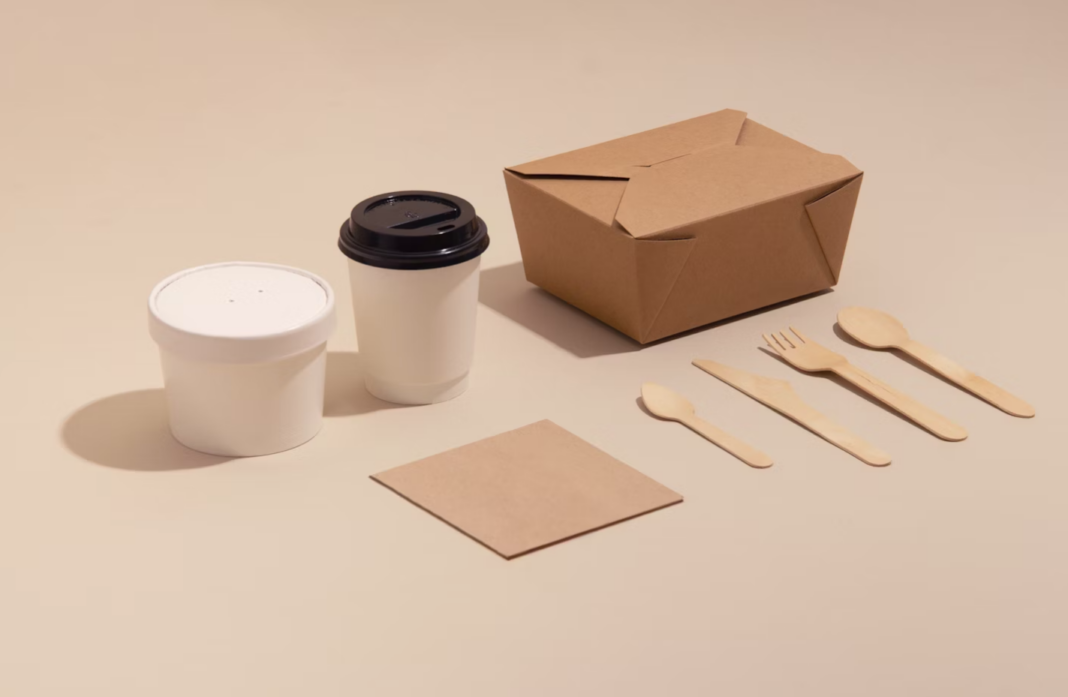


Switching to ecological food packaging is one of the most effective steps restaurants can take towards sustainability. As the environmental movement rises, more and more conscious consumers look to do business with companies that reflect their values through ethical means.
Many consumers seek packaging options that help reduce physical waste. Compostable packaging checks all the boxes—enticing new patrons could also give you an edge over competitors.
Due to the petroleum-based material that traditional plastic and foam serving ware are constructed from, these items have been polluting our oceans, lands, and, ultimately, the planet for centuries as they NEVER biodegrade.
Yet, as numerous brands are now manufacturing compostable alternatives, there is no excuse for any more establishments in the food industry to destroy our environment further. With more sustainable offerings to restaurants, they can operate more ethically and reach an electorally responsible market as well.
Why Choose Eco-Friendly Food Packaging?

Environmental Benefits
Swapping to compostable food packaging comes with substantial environmental benefits. These are often made out of traditional, nonrenewable plastics that take millions of years to break down and pollute wildlife and habitats.
Compostable containers are made of a plant-based source, such as sugarcane, bamboo-or even paper or bagasse-and completely biodegrade within 3 months when disposed of correctly.
Yet, for true decay to occur and for the material to be utilized in an environmentally friendly manner, a commercial composting facility would be needed to help it decompose properly.
When the Earth is kept clean from plastic/foam litter, it prevents dustbins from building up with foam/plastic waste for endless decades or spreading into oceans/lakes/waterways and the wilderness of forests and lands beyond.
Restaurants can take a hint and reduce their footprint by choosing eco-friendly options like sturdy, water-resistant, and sustainable kraft paper, which offers the greenest solution for saving our forests.
Cost-Effectiveness
Restaurant owners may find it daunting to consider retiring existing packaging and transitioning to more sustainable choices. They worry that swapping out one thing for another will hike up costs in the long term. Recyclable materials like glass, kraft paper, metal, and cardboard can also be cost-effective and eco-friendly, offering potential energy savings from recycling processes.
However, compostable products can frequently cost the same or actually less than their traditional plastic and foam counterparts, as many communities have reduced expensive trash disposal costs.
As an illustration, published landfill dumping fees suffice to make a 32-oz compostable cup price the very same or moderately less than a 32-ounce foam disposable cup.
Some state and county financial incentive programs encouraging eco-innovation may provide energy subsidies, which can lead to even further savings on compostable supplies. Green Paper Products enables customers to go green without losing out on profit margins thanks to cost-wise packaging front-of-back switching.
Customer Appeal
Data from a 2019 investigation into how companies use sustainable practices to care for their environment showed that Americans consider it more important than food quality to patronize higher-end eating places with eco-friendly packaging and policies.
As diners, this is indicative of a high enough percentage of thoughtful consumers who were willing to pay more for the brands they support to preach their social responsibility loudly.
Compostable packaging, which resonates with this fraction of Earth’s inhabitants, allows restaurants to attract these eco-friendly consumers and cultivate goodwill in communities. The utilization of green choices supplies services with a competitive benefit and also awards existing customers for supporting companies that straighten with their wish to lower waste.
Sustainability also plays well with a growing cohort of Gen Z and millennial consumers who are demanding that brands align themselves, if not entirely, then at least in part, around their values. Shifting operations allow restaurants to target conscientious consumers who influence them from liberal patrons.
Read More: The Easiest Ways For Businesses To Improve Their Reputation For Sustainability
How to Transition to Compostable Packaging

Assess Your Current Packaging
First and foremost, the process should start by evaluating whatever items are used to ensure they comply with environmental standards. It is also important to assess the use of recyclable materials to enhance sustainability.
Review what types of disposables you have and how many containers, wrappers, cutlery, or other disposables you have.
Record the brand and which part of the restaurant uses each item. Identify a process for substituting plastic or foam offerings that perform the same function with certified compostable alternatives.
This will prove useful later on when you need to switch over. Record the findings clearly! Conducting a holistic evaluation, which identifies savings throughout the operations, makes it easier to adopt sustainable alternatives.
Selecting the Right Compostable Products
Then, check out the options of packaging suppliers that deal with food-related items. These include authentic plant-based containers, plates, cups, wraps, utensils, and so on. They are made from Sugarcane bagasse, bamboo paper, and bioplastic renewable sources.
Plant-based packaging is made from renewable resources and is biodegradable using sources like corn and cornstarch, which in turn make them cost-effective and earth-friendly for food companies.
Do your research on compostability certifications (Ex, ASTM D6400) and BPI-endorsed products, which say items will break down completely in 180 days. Ask for free sample packs to fondle quality and judge the value before paying in bulk.
For fast-casual restaurants and catering events, renewable materials like bagasse molded fiber food containers are a must to reduce their environmental impact.
Always verify compostability by reviewing materials, logos, and specifications to ensure that they can be processed at your local facility- regional standards vary. Prescribe with reps for best eco-products costs and inventory requirements. Ensure that selected products can be processed at a commercial composting facility to maximize their environmental benefits.
Implementing the Change
Once they have researched and selected eco-friendly packaging options, restaurants must then effectively transition by educating their entire staff about why making more sustainable choices is important, as well as instructing them on how to use them correctly.
Increased in-store visibility through clear signage, leveraged social media campaigns and communicated new commitments with team members through community outreach newsletters or flyers. This, in turn, required customers to be educated to explain how packaging changes lead to less waste and land pollution.
Think about temporary menu markdowns encouraging customers to use refillable containers, which will result in more savings on food costs over the long term. Switching to these green operations is not easy; the transition stage often feels a bit painful initially, but if tried persistently, its results are worth all the trouble.
Read More: 4 Simple Swaps You Can Make to Live a More Eco-Friendly Life
Using Social Media to Get the Word Out

Social platforms constantly have free tools to help you tell your sustainability story far and wide. Highlight your use of eco-friendly packaging by posting significant milestone transitions on Facebook, BTS images from the changeover, and visually appealing graphics in support of eco-values on Instagram & Twitter.
Show happy reactions from customers about your change and ask followers how exactly you can green up next. Incentivize preferred sustainable choices by geo-targeting social ads for picturesque locations and promoting special discounts.
Collaborate with influencers, feeding them comp items that lead to organic posts from local figures. Then, demonstrate your commitment to those areas you feel most strongly about to cultivate loyalty among followers.
Read More: What is meant by the decarbonization of industry?
Benefits Beyond Packaging
Containers do not need to be the end of a sea change complete rewrite. Think beyond solar and other efficiency-boosting technologies, low-flow fixtures, bulk condiment dispensers, or digital menus (say goodbye to laminated Petri dishes a menu). Embrace sustainable packaging to support food service operators in creating successful businesses while contributing positively to the environment.
Conduct a carpool promotion on employee greening, put reusable dishware in break rooms, and put it in waste to make it worthwhile: conduct donation drives that keep usable items out of landfills.
Work with local farms to compost food waste and join consortia purchasing networks for the lowest natural cleaners prices. Globally, a 360 Vision of being fully Sustainable affects Triple Bottom Lines; environmental, social, and financial returns at a large scale.
Conclusion and Insights

These practical examples present a good case as to why eco-friendly packaging is advantageous for the environment and business. In doing so, compostable products reduce waste and attract environmentally-conscious modern consumers with community-minded choices.
This will only reinforce the call for all industries to ‘green up’ from consumer demand, competition, and tougher laws. For now, restaurants adopting sustainability are seeing a first-mover lift to break from larger competitors dragging their feet on progress.
By packing up with notorious suppliers, the process of flipping to certified offerings is sped up and more efficiently compasses brands stewardly. Transform your operations today and make a significant impact on goodwill in the community with Green Paper Products. The future seems bleak, but we can always build it to be brighter, one takeout container at a time.
Read More: Microplastics from brushing your teeth and wearing plastic aligners?
Green Paper Products a Greener Future
More customers, especially young diners, prefer indulging in restaurants that act purposefully regarding the environmental choices that they make during operations, including the use of sustainable packaging. Early adopters moving to compostable solutions are dominant over the laggards, thus placing them ahead in environmental position.
Transitioning operations takes some tweaks in the short term, but working with an experienced supplier makes the process easier. Green Paper Products has years of experience helping the food industry switch over to certified compostable products.
All their containers, cutlery, and plates are fully tested to be compliant with the ASTM compostability standard. Their products provide an alternative to traditional plastic and foam items, as sustainability properties along with a cost efficiency benchmark against comparable performance.
When staging your restaurant for eco-packaging solutions, contact Green Paper Products. Find out more about your needs and book a free consultation today! Their in-house packaging expert can assess your current supplies, offer compostable options or sustainable paper alternatives, and create a made-to-measure switch plan.
Take advantage of this – sign up now to receive exclusive, introductory pricing for your first order. Green Paper Products is here to help bring your business closer than ever to sustainability.


